

Defining success in decarbonising Scotland’s islands through the Carbon Neutral Islands Project
Research completed January 2026
DOI: https://doi.org/10.7488/era/7244
Executive summary
Aims
The Carbon Neutral Islands (CNI) project was launched in 2021 to support six Scottish islands – Hoy, Islay, Great Cumbrae, Raasay, Barra, and Yell – in achieving carbon neutrality by 2040. This research explores what the CNI project has achieved so far and investigates what is realistically achievable, with a view to establishing an appropriate framework for measuring progress. Options for developing the project to achieve greater and more sustained decarbonisation impact in the future are also considered.
Key Findings
Through CNI capital funding, islands have expanded access to low‑carbon mobility, improved energy efficiency, increased renewable generation deployment, strengthened local food production, and enhanced climate resilience. Collectively, the CNI project demonstrates a scalable and replicable model for island‑led climate action, with lessons actively shared to support wider uptake across Scotland’s islands.
The activities that have been undertaken by the CNI project cover nine theme areas:
- Energy efficiency and low-carbon heating
- Renewables
- Low-carbon transport
- Nature-based solutions
- Circular economy
- Climate literacy
- Collaboration and capacity
- Data and knowledge
- Low-carbon food supply
Across these theme areas, the CNI project has encountered a range of barriers that influence delivery and outcomes. Some of these barriers fall within the project’s scope of direct influence, including, high costs, data gaps, limited availability of on‑island skills, and knowledge gaps. Other barriers lie beyond the project’s direct sphere of influence and are more structural in nature such as those associated with island geography and climate, limited existing infrastructure capacity, current national and local policy frameworks as well as flexibility on how funding is structured. Understanding the distinction between these groups of barriers is critical for targeting effort, shaping expectations, and identifying where the project can drive meaningful impact. Co-benefits resulting from the project serve as a lever for embedding lasting community support for decarbonisation.
Success for the CNI Project
We evaluate what success looks like by considering specific activities for each theme covered by the CNI project. These include but are not limited to:
Energy efficiency and low-carbon heating:
- Completing energy audits for all buildings.
- Support for completing EPC assessments and retrofit works.
- Upskilling communities in the maintenance and monitoring of new installations.
Renewables:
- Increasing the number and efficiency of solar installations by standardising these installations and installing via a programme where possible.
- Ensuring total cost of ownership of installations is considered.
- Accessing funding for installations from sources beyond the CNI Project.
Low-carbon transport:
- Expanding EV charger networks and electrified community transport fleets.
- Improving the quality and utilisation of public transport on islands.
Nature-based solutions:
- Upskilling for land and coastal management to support carbon sequestration and restoration of nature and ecosystem functions.
- Testing and learning from nature-based solutions through pilot projects.
- Engaging with landowners, farmers, crofters to build trust and share knowledge.
- Supporting on-island nature organisations to upscale restoration with involvement from residents and volunteers.
Circular economy:
- Supporting community re-use, repair hubs, and community composting.
- Investigating the potential for intra and inter-island scaling up and lessons learned.
- Education campaigns to maximise what waste can be processed sustainably on islands.
- Engagement with councils and waste management companies to shape future island waste management.
Climate literacy:
- Supporting climate literacy activities such as additional training and development of materials.
- Ensuring climate literacy strategies reach beyond schools and include older generations.
- Enhancing the CNI grant application to require demonstration of intergenerational community involvement.
Collaboration and capacity:
- Reviewing and defining the governance structures further including the role of the CDO, the supporting Council officers, and the collaborative role between them.
- Developing agreed island monitoring frameworks that include community co-benefit metrics which present success to the communities.
Data and knowledge:
- A centralised hub for data collection, knowledge sharing and lessons learned.
- A centralised technical leadership role for the CNI project to guide islands in their next steps and take islands from CCAPs to impactful implementation.
Low-carbon food supply:
- Supporting a variety of small-scale island pilots to demonstrate the capacity of securing low-carbon food for the islands.
- Documenting and sharing knowledge across islands of both successful and unsuccessful projects to avoid duplication and enhance institutional knowledge.
- Review the long-term value of investing in these projects.
Recommendations
We suggest a widening of how success is defined and delivered and to ensure knowledge and experience is shared widely:
- Include co-benefit metrics to highlight wider project success as these embed in communities long-term continued support for the aims of the project.
- Enhance coordination and visibility of existing technical knowledge learning functions.
- Programming support to help progress from planning to action and strengthen overall impact.
- Piloting and knowledge capture.
- Using the theory of change framework for project and policy design.
- Developing a monitoring and impact framework.
Next steps
We also propose a long list of potential indicators and a theory of change for each of the nine theme areas across three time horizons (to 2030, to 2035, and to 2040). These indicators are only intended to serve as a starting point for dialogue. Ultimately what can be implemented from the list will depend on project capacity and other contextual factors.
There is significant potential for the next phase of the CNI project to deliver even greater impact by defining and demonstrating the next stage of successful community-led climate action for island decarbonisation and community resilience. This includes widening the scope of what is tracked and communicated – elevating co‑benefits alongside carbon outcomes – to better showcase the full value of the project and inspire other communities.
Glossary/Abbreviations table
| CCAP | Community Climate Change Action Plan |
| CDO | Community Development Officer |
| CES | Community Energy Scotland |
| CNI | Carbon Neutral Islands |
| CNICF | CNI Capital Fund |
| CTGS | Community Transport Grant Scheme |
| EPC | Energy Performance Certificate |
| EV | Electric vehicle |
| NbS | Nature-based Solutions |
| PV | Photovoltaic |
| ToC | Theory of Change |
Introduction
The Carbon Neutral Islands (CNI) project was launched under ‘A Fairer, Greener Scotland: Programme for Government 2021–22’ to support six Scottish islands – Hoy, Islay, Great Cumbrae, Raasay, Barra, and Yell – in achieving carbon neutrality by 2040. This initiative contributes directly to Scotland’s statutory target of reaching net zero by 2045 and reflects national priorities around climate action, energy transition, and inclusive economic development.
The project supports key commitments within both the National Performance Framework and the National Islands Plan, focusing on climate mitigation and adaptation, clean and secure energy, and the creation of island-based jobs. The CNI project is guided by three core principles:
- Alignment – ensuring efforts complement existing local and national climate initiatives
- Justice and Inclusion – embedding a just transition and community-led approaches
- Sharing – applying standardised methodologies to enable replication and knowledge exchange across island communities
To deliver on these principles, the project adopts a bottom-up governance model, employing Community Development Officers (CDOs) through local anchor organisations. These CDOs work closely with community representatives to foster engagement and build trusted relationships. Given the interconnected nature of island economies – encompassing sectors such as agriculture, transport, energy, tourism, and governance – this approach helps to maximise the impact of local climate initiatives.
CNI Project Successes and Positive Impacts
To date, the CNI project has delivered carbon audits, Community Climate Change Action Plans (CCAPs), community engagement activities, and knowledge exchange. In addition, the CNI project has developed finance roadmaps (Scottish Government, 2025) for each island to support long-term sustainability, including the exploration of innovative finance business models and public–private partnerships.
Building on this groundwork, the CNI project has achieved substantial progress by implementing practical, community-driven decarbonisation projects with wide-ranging environmental and social benefits. These projects funded under the CNI capital fund have enabled the building of local capacity and span transport, energy, food systems, biodiversity, and climate resilience. For example, as outlined in the CNI Project Progress Report (Scottish Government, 2024), islands such as Hoy & Walls and Barra have expanded access to low‑carbon mobility through e‑bike programmes and shared electric vehicles. Significant investments into energy efficiency and renewable generation projects have been made, for example, Islay has advanced a fully funded community solar array alongside wider biodiversity and sustainable fuel initiatives. There have also been advances in local food production and land stewardship, with community growing initiatives delivered across Cumbrae, Barra, and Yell. At the same time, the islands are strengthening climate resilience through measures such as Yell’s community resilience hubs and Cumbrae’s flood protection work. To illustrate the depth of the impact of the CNI project, a selection of case studies has been produced and are available in Appendix D. A summary of the case studies is shown in Table 1.
Collectively, the project has delivered measurable environmental benefits while enhancing economic wellbeing, strengthening social cohesion, and building long-term resilience across Scotland’s islands. The project now serves as a replicable model for wider island communities, with lessons actively shared across Scotland to support broader climate action and ensure that all islands can benefit from the approaches developed through the project.
Research Aim and Objectives
While the CNI project has been a significant driver across the six islands, some actions identified in the island CCAPs are constrained by factors beyond the islands’ control, such as mainland grid connections and transport links, which are tied to non-devolved government policies. These systemic barriers limit what decarbonisation actions the CNI project can directly influence. Given these circumstances, it is important that, when measuring the progress of the CNI project, realistic expectations are set with respect to the net zero deliverables that can be achieved.
This research aims to define what is realistically achievable through the CNI project and to establish a framework for measuring progress. Specifically, this report addresses the following questions:
- What specific outcomes or deliverables can realistically be achieved within the scope of the CNI project?
- What does ‘good’ look like in terms of these outcomes and progress towards net zero for the islands?
- What metrics can be used to measure the success of the CNI project and its associated activities?
- What systemic barriers to decarbonisation exist, and how can they be addressed within the scope of the project?
- How can the Scottish Government’s Islands Policy Team set realistic expectations and communicate the project’s scope effectively?
- What insights and case studies can inspire future programmes across other island communities?
The resulting evidence will support Scottish Government’s Islands policy team to communicate the CNI project scope more clearly, to identify realistic metrics for success, and to inspire future island decarbonisation efforts, while working in close collaboration with the islands.
Table 1: Summary of the impacts of case study projects
| Case study | Island | Sector | Funding | Outcomes | Co-benefits |
| 1. Invasive Species (Rhododendron) Removal | Raasay | Nature-based solutions | £75k from 2024-2025 CNI Capital Fund (CNICF). | 140 hectares have been cleared (over half the island’s total infested area). | Capacity building and agency in land stewardship, local employment, biodiversity gain, community wealth building, land habitat restoration. |
| 2. Millport buildings solar PV and battery system installations | Cumbrae | Community Renewables | £136,500 from 2024/2025 CNICF and an additional £30,000 as a CNI Direct Allocation from the Scottish Government. ECO4 and HES Grants & Loans were also used to fund additional installations. | Cumulatively 109.81kW of solar capacity has been installed which is associated with 24.6 tonnes of carbon emissions and £19,000 of energy bill savings per year. | Capacity building in energy efficiency projects, Lower household energy bills, energy resilience, warmer homes and related health improvements. |
| 3. Community Transport Electrification | Hoy | Low-carbon transport | £131,500 from 2025/2026 CNICF and £6000 worth of support from IOHDT. | 23 tonnes of CO₂e avoided per year and financial savings from avoided operation and maintenance costs for diesel minibuses. | Community wealth building, providing local upskilling, financial savings in transportation costs, improved mobility across the island particularly for vulnerable residents. |
| 4.Decarbonising community spaces | Barra and Vatersay | Energy efficiency | £127,022 from 2024/2025 CNICF for Cobhair Bharraigh project and £249,000 from 2025/2026 CNICF Vatersay Community Hall and Café. | 7 tonnes of CO₂e avoided per year and energy bill savings of at least £10,000 per year. | Local capacity building and upskilling in energy efficiency projects and upskilling, financial savings, energy resilience. |
Theory of Change (ToC)
To answer the aforementioned questions, a Theory of Change (ToC) framework has been developed. A ToC framework provides a structured, participatory approach to understanding the specific outcomes an intervention seeks to achieve, and for whom. It maps causal pathways linking activities to long-term goals, while interrogating the assumptions that underpin these pathways. It captures core insights, including:
- Key stakeholders impacted by CNI
- Activities undertaken by CNI
- Short, medium, and long-term outcomes
- External factors shaping CNI’s impact, including enablers and systemic barriers
- Assumptions underpinning CNI’s narrative of change
Presented in Sections 5 and 6, the ToC framework has informed the analysis and findings, clarifying the key pathways of change that the CNI project seeks to achieve. It has also guided the responses to the research questions and the development of recommendations to address systemic barriers to decarbonisation. The ToC provides the analytical foundation to help determine what is achievable and what success looks like for the CNI project.
Methodology
The methodology comprised of four key steps: (1) desk-based research and the development of a draft ToC, (2) stakeholder engagement and validation, (3) finalisation of ToC and report development, and finally (4) development of case studies (see Appendix A for the full methodology).
- Comprehensive desk‑based review of 35 CNI publications, technical assessments, carbon audits, and relevant academic and grey literature provided the evidence base for drafting the initial ToC and responding to the research questions.
- Seventeen structured interviews were conducted with national stakeholders, local authorities, and Community Development Officers (CDOs) across the six islands. These discussions were used to test and refine the ToC logic, explore systemic barriers and enablers, and assess data availability. Stakeholders validated the draft ToC collaboratively using an interactive Mural whiteboard, and thematic analysis of interview insights informed further refinement.
- Evidence from the desk‑based research and interviews was synthesised to finalise the ToC and develop the report. Interim findings and proposed recommendations were tested with the Scottish Government Steering Group, ClimateXChange, and CDOs to ensure alignment with both national priorities and community needs.
- Finally, four illustrative case studies were developed to highlight examples of progress and practical lessons emerging from the CNI project (see summary Table 1 and Case Studies). These drew on desk-based evidence, interview insights, and targeted data requests to CDOs, with each case study reviewed and approved by the relevant island representative.
Limitations relating to the scope of stakeholder engagement, reliance on existing documentation, and variations in data availability across islands are acknowledged in Appendix A.
CNI Theory of Change Framework
Overview
The desk-based research provided the initial context for shaping the CNI project ToC framework. Drawing on the available project literature, nine themes were identified that represent the breadth of activities and inferred priorities across the islands. These nine themes are:
- Energy efficiency
- Community‑owned renewables
- Low‑carbon transport
- Nature‑based solutions
- Circular economy
- Climate literacy
- Governance and capacity
- Data and knowledge
- Low‑carbon food supply chains
The nine thematic areas have each been mapped into a dedicated ToC diagram in Appendix B. These diagrams visually illustrate the activities associated with each theme, the key stakeholders involved, and the anticipated short, medium, and long-term outcomes that collectively contribute to the overarching goal of achieving carbon neutrality by 2040.
Each diagram is structured horizontally, allowing readers to follow the progression from activities through to outcomes over time. Additional contextual information is integrated into the diagrams, including barriers and enablers. The key components within the ToC outcome pathways are defined in Table 2.
Table 2: Core ToC components and their description.
| ToC Components | Description |
| Activities | Specific actions or interventions undertaken as part of the project to implement or progress change. Examples include conducting training sessions, completing carbon audits, or implementing pilot projects. |
| Stakeholders | Individuals, groups of people, and/or organisations that may be involved with the delivery of, or affected by activities undertaken during, the project. Examples include island residents, landowners, and respective Councils. |
| Outcomes | The resulting changes that are likely to occur due to the project activities, categorised by three time horizons. Examples include changes in behaviour, improvements in housing quality, and reductions in carbon
|
| Barriers | Factors that hinder progress in delivering activities and outcomes. Examples include limited financing, constraints in on-island capacity and knowledge, and cultural or behavioural resistance. |
| Enablers | Factors that facilitate success in delivering activities and outcomes. Examples include community buy-in, availability of technology, and access to funding. |
| Assumptions | Underlying beliefs about how and why change will or will not happen. Examples include stakeholders engaging with training offered, funding will be sustained, and external shocks will not derail progress. |
| Co-benefits |
Each outcome pathway is structured to show both the journey toward carbon neutrality and the wider co-benefits for communities. Outcomes are color-coded across three-time horizons (short, medium, and long term) providing a clear visual of how benefits evolve over time. See Table 3 for a breakdown of these categories.
Each colour represents a category of co-benefits that extends beyond emissions reduction to include tangible improvements that matter to communities, such as building stronger, fairer, and more resilient communities. |
Co-benefits are noted in Table 3 and include wider social, economic, and environmental benefits.
Table 3: Co-benefit categories across outcome pathways.
| Outcome Area | Description | |
| Fuel Poverty & Affordability | Reducing energy costs and improving access to funding and warm, efficient homes. | |
| Community Wealth & Local Economy | Strengthening local economies through sustainable production, reuse, food systems, and reinvestment. | |
| Community Capacity & Leadership | Building local skills and leadership for long‑term climate action. | |
| Resilience & Adaptation | Supporting low‑carbon, reliable, and climate‑resilient infrastructure and systems. | |
| Biodiversity & Ecosystems | Delivering nature‑based solutions and improving ecosystem health. | |
| Mobility & Access | Providing low‑carbon transport options and improving connectivity. | |
| Education & Behaviour Change | Improving climate literacy and embedding climate action in decision-making. | |
| Data & Accountability | Enabling transparent, evidence‑based planning and monitoring. |
Once drafted, the ToC pathways were validated through stakeholder engagement to refine the pathways under each key theme. This validation expanded the ‘missing middle’, the intermediate steps between activities and long-term outcomes, and clarified the linkages, barriers, and enablers that connect project activities to the outcomes they aim to achieve. These insights were critical in shaping the refined outcome pathways and informing recommendations on how to define ‘what success looks like’ for CNI.
For more information on the methodology, see Methodology chapter in Appendix A which details the key documents evaluated during the desk-based review and the list of stakeholders who participated in the validation interviews.
Systemic barriers
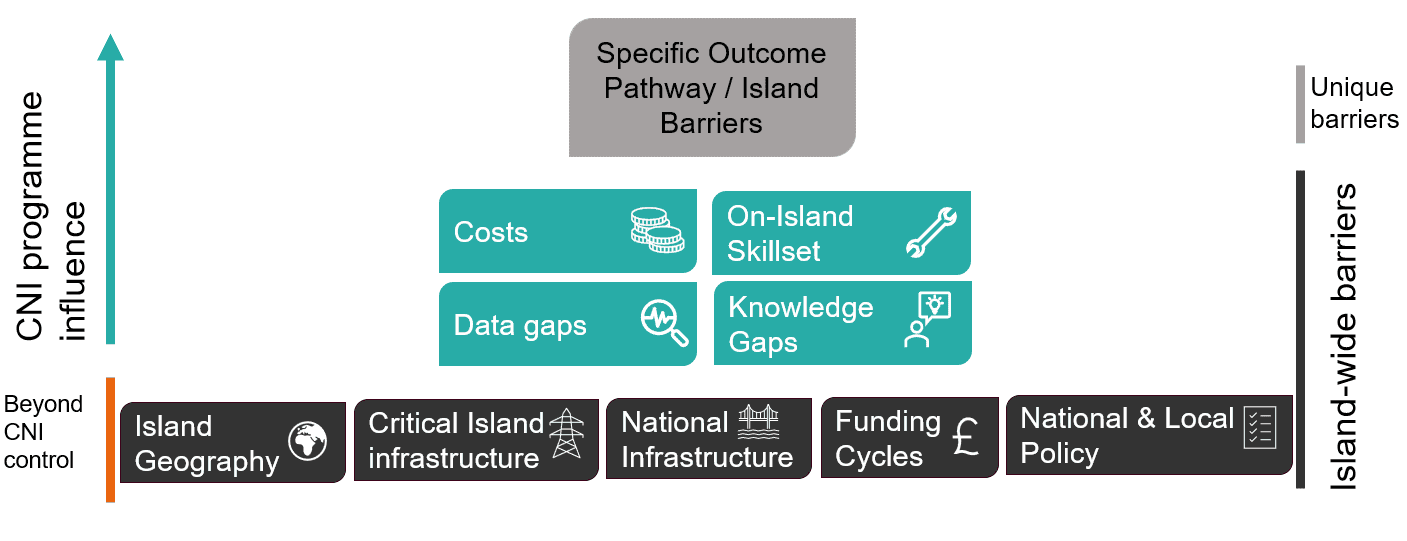
Figure 1: Tiered structure of systemic barriers.
Through stakeholder validation of the ToC framework, it was identified that the barriers to achieving carbon neutrality operate at different levels of influence and geographic scope. Figure 1Figure 1 illustrates this tiered structure, indicating where the CNI project can exert influence and where constraints are largely beyond its control. This layered approach helps clarify why some outcome pathways offer stronger leverage to achieving carbon neutral islands, while others remain constrained by systemic factors.
At the base of the structure sit barriers that are beyond the CNI project’s direct influence. These include physical, infrastructural, and institutional constraints that shape what is possible across multiple pathways.
Island geography and climate are fundamental barriers, whereby short growing seasons limit progress on low-carbon food initiatives, while remoteness and harsh weather complicate basic logistics regarding getting contractors and materials to the islands. Weather also dictates when work can be carried out, adding unpredictability to programming.
Infrastructure capacity – particularly grid limitations – emerged from the stakeholder engagement as a significant constraint. Without national-level investment in grid capacities, islands cannot connect new renewables which hinders how far the community-owned renewables pathway can go.
Funding cycles were repeatedly highlighted by stakeholders as a major concern. Stop-start funding and uncertainty about future support undermine confidence and prevent scaling, particularly for activities like nature-based solutions (NbS) and community renewables that require multi-year commitments. This is a critical barrier that falls outside of the CNI direct control.
In addition, institutional factors, such as national and local policy frameworks, strongly influence what can be delivered by the CNI project. Legacy policies, such as the crofting regulations, for example, shape the feasibility of NbS and require careful consideration to align with programme goals.
Higher up the structure are systematic barriers that the CNI project has the potential to mitigate against through programme design and delivery.
Costs – both capital and human – are a key systemic challenge. Capital support is needed for many activities, including funding retrofits, low-carbon transport infrastructure, or installing renewables. CNI funding is pivotal for getting these projects off the ground due to the inherent expense of materials, technology, and infrastructure.
Finally, knowledge gaps, data gaps, and on-island skills shortages intersect to slow progress. Data for the projects often relies on national proxies rather than island-specific baselines, reducing trust and slowing decisions. Skills shortages mean reliance on external contractors for works, adding an “island premium” to costs. Equally, procurement rules requiring specialist accreditations (e.g., Microgeneration Certification Scheme (MCS)) can exclude local contractors, limiting opportunities for upskilling and reducing costs. Knowledge gaps on how best to deliver projects and activities on the islands can also stall delivery due to a lack of confidence in how to proceed, particularly around complex issues of how to manage different landscapes and ecosystems. Equally, a lack of capability in designing projects that apply for grant funding, such as not considering maintenance costs in grant requests have led to projects that start but cannot be sustained – for example, community wind turbines funded prior to the CNI project have been taken offline due to unaffordable upkeep. These are areas where the CNI project could play a role in supporting training and accreditation.
It is also important to recognise that these barriers vary in geographic scope and intensity. Some are universal across islands, while others are highly localised. Proximity to the mainland, transport links, and physical geography all have an influence on challenges such as material delivery, contractor availability, and waste removal. Understanding this variation is essential for tailoring solutions and prioritising resources.
CNI Theory of Change
For each of the nine theme areas that underpin the CNI project, a dedicated ToC pathway has been developed. The pathways illustrate:
- Key CNI project activities associated with the theme.
- Stakeholders involved in delivery.
- Anticipated short, medium, and long-term outcomes contributing to the overarching goal of carbon neutrality by 2040.
- Barriers and enablers identified through stakeholder engagement.
- Co-benefits, highlighted using a colour-coded system to show wider social, economic, and environmental impacts (see Table 3).
ToC diagrams have been used to illustrate each pathway in a clear, visual format, linking activities, stakeholders, outcomes, barriers, enablers, and co-benefits. Each diagram highlights the following barriers:
- Clustered barrier (common amongst multiple pathways).
- Specific related barriers cited in stakeholder interviews.
- Structural barriers (outside the control of the CNI Project).
The associated barriers to implementing the short, medium and long-term outcomes have been colour-coded: yellow rectangles represent clustered barriers and pale orange rectangles denote specific related barriers cited in the interviews. Red rectangles indicate structural barriers that cannot be addressed within the scope of the CNI Project.
ToC pathways for all theme areas contained in Appendix B.
This granularity grounds the analysis in the practical realities of implementation across the six islands and helps answer the following critical questions:
- What specific outcomes or deliverables can realistically be achieved within the scope of the CNI project?
- What does ‘good’ look like in terms of these outcomes and progress towards carbon neutrality for the islands?
- What metrics can be used to measure the success of the CNI project and its associated activities?
- What systemic barriers to decarbonisation exist, and how can they be addressed within the scope of the project?
Key Findings & Recommendations
Defining success across each theme
It is recognised that both systemic and theme-specific barriers significantly influence what the CNI project can achieve. While some themes face inherent limitations, others offer greater scope to deliver impactful activities – reducing carbon emissions and equally enhancing quality of life for residents through the delivery of co-benefits. This section illustrates what success could look like across each theme, highlighting where opportunities for deeper progress exist. It also provides suggested timeframes for implementation.
Energy efficiency and low-carbon heating
Upscaling the rate of installations across homes, community buildings, and businesses is already a core focus of the CNI project, delivering significant benefits for its objectives, with further opportunities to build on this work as delivery progresses. See Case study: Decarbonising community spaces for a case study on decarbonising community spaces in Barra and Vatersay, showcasing energy efficiency benefits delivered through the CNI project.
Success looks like:
- Ensuring all homes/community buildings/businesses have an energy/retrofit audit.
- Supporting CDOs/on-island organisations create intra and inter-island programmes for getting EPC assessments completed to support future grant applications.
- Supporting CDOs/on-island organisations establish programmes for energy / retrofit works.
- Investigating upskilling island businesses and residents in maintenance and monitoring to support servicing of low-carbon and energy efficient installations.
Optional support beyond the stated goals of the CNI project could include:
- Supporting residents with access to funding, this could be external funding (such as HES), or as part of the CNI application process.
- For external funding sources, CNI could support residents with completing applications, working with HES to simplify applications reflecting resident feedback, providing guidance on available funding to residents. For CNI funding, the project could improve uptake through simplifying requirements of households, providing on and offline support (drop-in sessions).
- Investigate topping up funding from external sources (such as HES) where ‘missing middle’ homes or in-fill homes may be excluded, as possible with other grant funding programs like the Warm Homes Fund.
Indicative Timeframes
Actions under this theme could likely start to mobilise over the short-term and can build on momentum and capacity already established across the islands. Initial steps such as outreach to establish auditing and EPC programmes, could begin relatively quickly (short term: 0-3 years), while establishing intra- and inter-island retrofit programmes will likely require medium-term planning (3-5 years). Longer-term actions (5+ years) include overall scaling of installations and establishing upskilling programmes relating to maintenance and monitoring capacity. Actions regarding funding applications are likely to be required throughout the project as funding processes develop.
Renewables
Building on existing delivery, the CNI project already focuses on the roll‑out of decentralised solar PV across islands and on supporting communities to develop and implement future‑proofed community renewables. This remains a core theme of the project, with scope to strengthen and scale activity as delivery progresses. See Case study: Millport buildings solar PV and battery installations for a case study on implementing community renewables in Cumbrae, delivered through the CNI project.
Success looks like:
- Ensuring all homes/community buildings/businesses are assessed for suitability for solar PV.
- Supporting CDOs/on-island organisations develop intra and inter-island programmes for solar installation.
- Supporting CDOs/on-island organisations develop standardised island-context renewable specification to standardise and simplify application processes – such as the success story on Cumbrae (see Appendix 10.11).
- Ensuring community renewables project applications have considered future maintenance costs in their assessment of long-term viability. This also involves upskilling grant seekers/those assessing the grant award process to future-proof applications. Applications without consideration of maintenance and future should not be approved without these considerations.
- Reviewing the viability of existing community renewable assets that have been taken offline, supporting those deemed future-proofed with getting back online.
- Engaging with wider organisations that support renewables (community and domestic) such as CARES and HES to facilitate island access to wider funding.
- Developing a programme of support across multiple locations that might bring economies of scale in procurement and delivery.
Indicative Timeframes
Actions to support decentralised solar PV and community renewables will likely need to progress in stages. Immediate priorities (short term: 0-3 years) include assessing homes, community buildings, and businesses for solar suitability. Medium-term actions (3-5 years) focus on developing standardised island-specific renewable specifications, supporting CDOs to establish coordinated installation programmes, and reviewing viable existing assets. Longer-term actions (5+ years) include overall scaling of installations and establishing upskilling programmes relating to maintenance and monitoring capacity. Actions regarding internal and external funding applications are likely to be required throughout the project as funding processes develop.
Low-carbon transport
Building on existing delivery, the CNI project could continue to focus on financial support for proven transport technologies, such as EV chargers, EV buses, and EV taxis as well as facilitating knowledge sharing from leading islands with transport decarbonisation success, e.g., Hoy, to replicate models across islands. See Case study: Community transport electrification for a specific case study on electrifying Hoy’s bus fleet, delivered through the CNI project.
Success looks like:
- Providing capital funding for expanding EV charger networks and EV community buses or EV taxis to on-island operators.
- Ensuring learnings are shared from successful island projects – particularly the Hoy community EV bus – to enhance replication across islands, including ongoing support for assessing the viability of a Hoy-based model for community transport on other islands.
- Assessing the business model and technical barriers towards implementation across other islands based on the Hoy critical success factors
- Engaging with Councils and other on-island transport operators on improving reliability and regularity of public transport to enhance usage.
Indicative Timeframes
For low-carbon transport, the immediate focus could be knowledge sharing from the successful implementation of the community EV bus in Hoy. As part of this, gathering data and community insights into the technical and business model barriers that exist for other islands could help to inform programme design and replication across islands (short term: 0–3 years). Capital funding for EV chargers, community EV buses, and taxis should begin early and continue through the short to long term (0–5+ years) as projects arise and readiness improves. Engagement with Councils and transport operators to enhance reliability and regularity of public transport could be treated as an ongoing activity throughout the project to maximise uptake and ensure long-term success.
Nature-based solutions
The CNI project could continue to focus and scale increasing on-island knowledge and capacity in nature-based solutions and land management approaches to build momentum and inspire collective change. Pilot projects should be showcased and lessons learned shared to foster confidence in methods and the gathering of on-island datasets. See Case study: Invasive Species (Rhododendron) Removal for a specific case study of a CNI project addressing invasive species in Raasay.
Success looks like:
- Improving knowledge and upskilling on-island capacity for land and coastal management methodologies that support carbon sequestration and the restoration of nature and ecosystem functions across the breadth of island landscapes.
- Supporting a wide variety of pilot projects to be testbeds and experiments that allows a learning by doing approach and builds evidence for what works on the islands.
- Engaging widely with landowners, farmers, crofters to build trust and share pilot project and case study knowledge.
- Engaging with and supporting on-island nature organisations (e.g., RSPB Scotland) to upscale restoration and promote action amongst volunteers.
- Facilitating upskilling of on-island residents through engagement with wider nature restoration and land management organisations, such as Rewilding Scotland Alliance and Scotland the Big Picture.
Indicative Timeframes
Activities within the nature-based solutions theme could all be implemented across an ongoing timescale. A first priority is identifying gaps in knowledge and collecting on-island datasets to inform future restoration and land management approaches (short term: 0–3 years). Upscaling and establishing new pilot projects could be delivered across the medium term (3-5 years) as foundational knowledge and local datasets are established to build confidence and evidence. Establishing knowledge-sharing practices, engaging with landowners and farmers, and upskilling residents through partnerships with wider restoration networks could be treated as ongoing activities throughout the project.
Circular economy
The CNI project could continue to focus on supporting community waste management projects that are successful in island contexts, such as re-use/repair/composting schemes. Equally, the CNI project should facilitate a stronger relationship between island activities and the island councils that control waste management to align best practices.
Success looks like:
- Supporting island schemes that have demonstrated success including community re-use, repair hubs, and community composting.
- Investigating the potential for intra and inter-island scaling up of these schemes and providing lessons learned to islands to prioritise those that work in an island-context.
- Facilitating the relationship between island waste management practices and council waste management processes. Councils have overall control of waste management and island practices should be aligned to maximise what can be processed sustainably. Education campaigns should be delivered to align and maximise synergies here.
- Engaging with councils and waste management operatives to understand how council waste management processes can be expanded and providing them insight into the island-context to shape future island waste management.
Indicative Timeframes
Actions to support community waste management should span the short- to medium-term (0-5 years). The immediate priority is identifying successful island schemes and investigating opportunities for scaling up, alongside starting to facilitate stronger relationships between island practices and council waste management processes. Successful pilot initiatives such as re-use, repair hubs, and composting could be supported early and upscaled over the medium- to long-term. Education campaigns and engagement with councils and waste operatives should be treated as ongoing activities throughout the project to ensure alignment and maximise sustainable processing.
Low-carbon food supply
The CNI project could continue to focus on demonstrating what can be achieved by supporting pilot projects and ensuring lessons learned are shared to avoid wasted effort. Systemic barriers prevent this theme from delivering large scale carbon reductions or changing significantly how communities can access and consume local food. Resources should be spent demonstrating what works, at what scale and supporting smaller-scale transformations.
Success looks like:
- Supporting a variety of small-scale island pilots, (e.g., community allotments, polycrubs) to demonstrate the capacity of securing low-carbon food for the islands and where these systems might be appropriate in an island-context.
- Documenting and sharing knowledge across islands of successful and unsuccessful projects to avoid duplication and enhance institutional knowledge.
- Acting in a guidance and evaluation role to review the long-term value of investing in these projects.
Indicative Timeframes
For the low-carbon food theme, actions could likely span the short to medium term (0-5 years). The immediate priority is launching small-scale pilot projects, building on those already in existence on the islands – such as community allotments and polycrubs – to demonstrate what works and to gather evidence. Documenting and sharing lessons learned should be an ongoing activity throughout the project to avoid duplication and strengthen institutional knowledge. The action for CNI to act in a guidance and evaluation role could begin early and continue into the medium- to long-term to shape future activities as pilots mature, ensuring resources are directed toward approaches with proven impact.
Climate literacy
The CNI project could continue to focus on engaging all generations within activities delivered under the project and supporting CDOs/on-island organisations with delivering widescale climate literacy programmes.
Success looks like:
- Ensuring strategies for climate literacy do not just focus on schools but also reach older generations. Island populations have an older demographic and so reaching and establishing climate literacy in island citizens should prioritise reaching these groups.
- Providing resource to support activities that enhance the spread of climate literacy, this could be additional training, development of materials, or support with programming across islands.
- Enhancing the CNI grant application to demonstrate intergenerational community involvement. The application already requires documentation of what percentage of island communities were involved in developing the activity/project, the CNI project could also require applications to document what efforts were taken to include all demographics within project design to highlight the importance of intergenerational involvement and education.
Indicative Timeframes
Activities to enhance climate literacy and intergenerational engagement could begin immediately and continue throughout the short to medium term (0-5 years), with a view to enhance capacity and institutionalise climate literacy in the longer-term. The first priority could be to develop strategies and resources that reach all demographics, particularly older generations, alongside schools. Providing training, materials, and programming support should be treated as an ongoing activity across the short- to medium- term to ensure widespread uptake. Enhancing the CNI grant application process to require documentation of intergenerational involvement can be introduced early, with accompanying guidance, and maintained as a continuous requirement to embed inclusive practices.
Collaboration & capacity
The CNI project could continue to focus on formalising the governance structure of the project to enhance clarity of roles, responsibilities, and strengthen capacity for collaboration. This should expand into how the CNI project and success metrics will be monitored.
Success looks like:
- Reviewing and defining the governance structures further, this should include the individual roles of the CDO, the supporting Council officers, and the collaborative role between these entities. These could be co-developed and formalised through a Memorandum of Understanding (MoU) or other appropriate governance mechanisms.
- Developing agreed island monitoring frameworks that include community co-benefit metrics which present success to the communities.
Indicative Timeframes
Formalising governance structures and developing monitoring frameworks should be prioritised in the short term (0-3 years) to provide clarity of roles and responsibilities and strengthen collaboration early in the project. This includes co-developing and agreeing mechanisms such as MoUs between CDOs and Council officers. Establishing the island monitoring frameworks with community co-benefit metrics should follow closely and be completed within the medium term (3–5 years), with ongoing refinement as the programme evolves. More information on the immediate steps for the monitoring and impact framework can be found in Section 7.3.
Data & knowledge
The CNI project could continue to focus on enhancing the availability of on-island datasets across each theme by capturing relevant island data, technical knowledge, and pilot project learnings in a centralised hub and ensuring future project design is informed and adapted to learnings. This could be managed by the centralised knowledge leader role(s) as discussed in Section 7.3. In addition, enhancing the capacity of CDOs/on-island organisations to track progress and calculate impact from activities to demonstrate the success of the CNI project to stakeholders and communities.
Success looks like:
- Available relevant island data across themes and islands that allows project design to be informed by lessons learned and ground-truthed datasets. This should be accompanied by non-technical guidance, methodologies, and use-cases for the data to enhance project design and support island capacity.
- A centralised hub for data collection and knowledge sharing that is accessible to island communities.
- A centralised technical leadership role for the CNI project to guide islands in their next steps and take islands from CCAPs to impactful implementation. This role is further explained in Section 7.3.
Indicative Timeframes
Enhancing the availability of on-island datasets and establishing a centralised knowledge hub should be prioritised in the short term (0–3 years) to ensure future project design is informed by lessons learned and ground-truthed data. Establishing the knowledge hub and appropriate mechanisms for data sharing will likely need to be an iterative process and incorporate continuous improvement throughout the medium- to long-term. Developing non-technical guidance and methodologies to support island capacity should follow closely and continue through the medium- to long-term as knowledge develops (3–5+ years). The creation of a centralised technical leadership role and building CDO capacity to track progress and calculate impact should be treated as ongoing activities throughout the project to maintain consistency and demonstrate success to stakeholders and communities.
Overarching considerations
Co-benefits are inherent supporting outcomes of the CNI project that could be championed as wider goals
It became clear through the research and stakeholder engagement that the CNI project delivers far more than emissions reduction. The activities designed to support decarbonisation could also generate a wide range of potential co-benefits that strengthen island communities and improve quality of life.
These benefits are not incidental – they are integral to the success of the project and a critical lever for inspiring action. For those living on the islands and for the stakeholders implementing the project, these potential co-benefits are often more tangible and immediate than carbon metrics. They represent visible improvements in resilience, community capacity, and everyday life – while simultaneously reducing emissions. This dual impact is essential for maintaining embedded and lasting community support for carbon reduction initiatives in the project.
Co-benefits are already integral to the project, included as considerations in the CNI Capital Fund application and noted by CDOs as a key delivery mechanism – see 7.2.3. However, demonstrating success for the CNI project means elevating these co-benefits to tangible outcomes and intentions of the project. A thriving, resilient, and empowered island community is not just a desirable side effect – it is a necessary condition for achieving the CNI project’s overarching goal of carbon neutrality by 2040.
Defining success is a question of communication and audience
Defining success for CNI is equally a question of perspective – it depends on the audience. The project involves multiple stakeholders across different roles and responsibilities, including, but not limited to:
- Scottish Government – responsible for inception, funding, and policy alignment.
- Scottish Futures Trust – responsible for managing capital funding through CNI and project development.
- CDOs and delivery partners – responsible for implementation and coordination.
- Island communities and residents – both as participants and beneficiaries.
- Monitoring bodies – including Scottish Government and CDOs, tracking progress and reporting success.
For the Scottish Government, the measure of project success is primarily the progress made towards carbon neutrality. This reflects national climate targets and the project’s core purpose. However, the potential co-benefits delivered through CNI activities – such as warmer homes, reduced fuel poverty, and improved energy resilience – also contribute to wider national policy priorities across housing, health, and economic development. Communicating these links strengthens the case for continued investment and cross-departmental collaboration.
For the Scottish Futures Trust, success is delivery on their remit to manage the CNI capital fund and, as part of that, seeing that the community projects delivered through the fund contribute to the delivery of the CCAPs.
For CDOs and delivery organisations, success is also primarily defined by fulfilling their mandate: enabling their island to achieve carbon neutrality. Their focus is on practical delivery and overcoming barriers to implementation.
For communities and islanders, the picture is different. Carbon neutrality and emissions reduction are often seen as abstract concepts. What matters most is improving island life through better housing, affordable energy, reliable transport, enhanced community wealth, and resilience to climate change. These more tangible benefits are what success looks like at the local island level.
For each of these stakeholders, there is of course significant nuance to these priorities. The diversity of perspectives means that communicating success should reflect the intended audiences. For national stakeholders, carbon metrics and alignment with policy goals are critical. For communities, stories of improved quality of life, resilience, and empowerment will resonate more strongly. Tracking and reporting indicators that highlight the wider success of the project – not just emissions – could help maintain momentum, demonstrate progress, and build trust across all levels. Section 7.3 provides additional context to how these metrics could be developed into a monitoring and impact framework, while Appendix C proposes a long-list of potential co-benefit indicators.
Community wealth is a key driver and delivery mechanism
One of the most powerful motivators for action within the CNI project is the creation of community wealth. For many islanders, decarbonisation is not the primary driver – it is often perceived as a secondary goal or even a “side effect” of interventions that meet immediate social and economic needs. Practical and financial benefits are the levers that inspire engagement and behavioural change.
Without a strong social and economic case, interventions risk limited uptake and poor sustainability. It is the successful adoption of measures – such as energy efficiency upgrades, establishing community-owned renewables, and improving reliability of low-carbon transport – that will ultimately deliver carbon reductions. This reflects the earlier finding that indicates what success looks like depends on “for whom”: for communities, co-benefits matter most, and among these, enhancing community wealth and improving island life beyond the abstract lens of carbon metrics is critical.
For CDO’s this insight is equally important. Community wealth is not just a co-benefit – it is a delivery mechanism. Leading with the social and economic case for change, while demonstrating how these actions also reduce emissions, is far more likely to galvanise communities and sustain momentum. In short, framing decarbonisation as a route to stronger, more prosperous communities is essential for success.
Achievability of project goals varies significantly across theme areas
Some pathways offer strong leverage for the project, while others are constrained by systemic factors beyond its control.
Where barriers are primarily within the scope of the CNI project – such as project design, capacity building, and knowledge and data gaps – there is considerable opportunity to accelerate progress. Addressing these barriers through targeted support, and skills development can remove bottlenecks from pathways, in particular for energy efficiency.
Conversely, pathways disrupted by institutional or infrastructural constraints – such as grid capacity limitations, technology development, and policy reform – are naturally more limited. These challenges sit outside the remit of the CNI project and require broader policy interventions, funding structure revisions or significant capital investment at national scale. Understanding where the CNI project has real leverage, and where constraints are systemic, will help the project focus effort where it can deliver the greatest impact. Section 7.1 provides clarity on what this means in reality for the CNI project.
Funding Structures can create uncertainty and inefficiencies
The current annual funding cycle creates contributes to bottlenecks in delivery, particularly for projects that require longer-term planning horizons or sustained investment (such as nature‑based solutions or large‑scale retrofit programmes). This time‑limited funding structure can limit the ability of island authorities and delivery partners to commit to multi‑year workstreams, secure long‑term contracts, or sequence projects efficiently.
This issue lies outside the direct boundary of the CNI project and that there is limited flexibility within the CNI capital fund to alter the current funding structure, given national budgeting processes. However, this is as an important finding for future consideration. In light of these constraints, it is likely that islands will need to explore and leverage alternative funding mechanisms that do offer multi‑year settlements to support projects that require sustained investment.
Recommendations
Our reflections from this project point to a widening of how success could be defined and delivered. Carbon neutrality remains the ultimate goal but achieving it depends on enhancing the use of co-benefits within the project from a delivery mechanism and consideration within the CNI capital fund projects, to a more prominent and publicised project goal.
At the same time, success will rely on creating momentum across the islands through active guidance, shared learning, and coordinated support. By stepping into a stronger leadership role, the CNI project can help communities move from planning to action, connect efforts across islands, and enable projects to scale in ways that deliver meaningful benefits for people and place.
If the project scales beyond the initial pilot phase of six islands, there are some important considerations that should be made to ensure knowledge and experience is shared widely. A potential programme of work and guide for future islands based on the experience of the six islands to date could be developed.
The Scottish Government and the CNI project could consider:
- Including co-benefit metrics to highlight wider project success
While carbon neutrality should remain the headline target, the CNI project could also incorporate co-benefit tracking metrics to demonstrate what success looks like in practice and capture the broader positive impacts for communities.
Important note: It is important to clearly state that delivering decarbonisation and achieving emissions reductions remains the primary headline goal of the CNI project, in line with the Scottish Government’s statutory commitment to carbon neutrality by 2045. The intention of highlighting and tracking co‑benefits is not to replace, dilute, or divert attention from emissions‑reduction monitoring. Rather, the inclusion of co‑benefits is intended to supplement and strengthen the delivery of the CNI project by recognising the wider social, economic, and resilience outcomes that arise from decarbonisation activities and already sit under the umbrella of the project. These co‑benefits are inherent to CNI delivery, are already considered through mechanisms such as the CNI Capital Fund application and support sustained community engagement and long‑term carbon reduction outcomes. Tracking co‑benefits alongside emissions reductions is therefore presented as an enabling approach that reinforces, rather than replaces, the project’s core decarbonisation objectives. These metrics will:
- Showcase the wider success of projects beyond carbon reduction, such as improvements in community resilience, economic benefits, biodiversity gains, and social well-being.
- Provide a clearer narrative of the project’s widescale impact for stakeholders and funders, strengthening the case for continued investment.
- Enable better decision-making by highlighting which projects deliver the greatest overall value.
- Please refer to Appendix C for the suggested co-benefit metrics and point 6 below for further elaboration.
- Enhance coordination and visibility of existing technical knowledge learning functions
The CNI project could benefit from expanding the coordination, visibility, and accessibility of existing technical knowledge and learning functions already provided, for example, via partners such as Scottish Futures Trust (SFT) and Community Energy Scotland. This is not intended to create a new centralised role or duplicate existing provision, but rather to ensure that communities can more easily access, apply, and share relevant technical guidance as they move from CCAPs into implementation.
This could include:
- Clearer signposting and consolidation of existing technical support offers available to island communities.
- More systematic sharing of lessons learned (both successes and challenges) across islands to reduce duplication and accelerate delivery.
- Light‑touch coordination between existing providers to ensure guidance reflects island‑specific contexts and constraints.
- Enhancing the current CNI website or platform to move beyond document storage towards a more structured, searchable knowledge and learning resource.
- Programming support
Communities face challenges in ensuring measures are viable and scalable. The CNI project can play a strategic programming role by:
- Taking a high-level, centralised view to develop programmes of work across themes (energy efficiency, solar installation, EV charging, education, training, etc.).
- Grouping projects across an intra- and inter-island scale to create larger-scale programmes, reducing costs, improving contractor engagement, and fostering collaboration.
- Preparing implementation‑ready packages for when funding becomes available, ensuring projects can move quickly from planning to delivery. Stakeholders noted that pipeline‑type activity is already underway through existing CNI funding and project development processes. However, there are no examples yet of pilot projects from one island being integrated into a work plan for other islands, so a more explicit programmatic framing could help make this activity more visible and effective in supporting communities to move from planning to implementation.
- Aligning CCAP priorities with timelines and current applications to identify opportunities for joint programming.
This approach will help islands progress from planning to action and strengthen the overall impact of the CNI project. A programmatic approach will be beneficial in a number of ways:
- Capacity building across the islands can be aligned
- Procurement might potentially be simplified
- Knowledge sharing is more appropriate
- Tracking progress could be easier
- Piloting and knowledge capture
Piloting is already a strong feature of the CNI project, but its value can be enhanced through:
- A formalised, standardised process for documenting lessons learned from pilots, covering:
- Idea development
- Grant application framing
- Stakeholder involvement
- Setup and management
- Monitoring and data capture
- Results, strengths, and weaknesses
- Idea development
- Grant application framing
- Stakeholder involvement
- Setup and management
- Monitoring and data capture
- Results, strengths, and weaknesses
- Regular forums and central storage of pilot learnings and data that is accessible to islands to enable them to learn from each other and replicate successful approaches.
- This will ensure pilots contribute to long-term knowledge and scalability and establishes institutional knowledge that is protected from staff-turnover.
The nine ToC outcome pathways developed as part of this project could also be used going forward. Maintaining the ToCs as live frameworks means they can be utilised as an ongoing project planning tool and mechanism for prioritisation, problem-solving, and adaptive delivery.
Key actions to take forward:
- Review the identified universal barriers within CNI’s scope and develop plans to address them, assessing the feasibility of proposed solutions, and prioritising these with delivery partners for future phases of the project.
- Use the desired outcomes to inform activity design, working with CDOs to brainstorm which activities are most likely to deliver these outcomes and prioritising based on urgency, feasibility, and strategic impact.
- Embed adaptive delivery practices, using the ToC as a long-term reference point for recalibrating priorities as geopolitical, technological, and social contexts evolve – regular stock takes can inform how defining success may change in the future.
- Integrate the ToC into project reviews, ensuring that policy updates and funding decisions are guided by the pathways and assumptions mapped in the framework.
Reflecting the recommendation to consider tracking broader co-benefit success metrics, we suggest an approach for developing a monitoring and impact framework for the CNI project. We created a long list of potential indicators that reflect the outcomes identified in the ToC outcome pathways. These suggestions are intended to be a starting point for dialogue, rather than a prescriptive set of requirements. The full list of proposed indicators is provided in Appendix C.
The indicator list was developed considering both the aspirational nature of the project and the practicalities of data collection. Importantly, there is no expectation that most of these metrics will be adopted in full. Instead, this work identifies potential options for measuring wider project success, recognising that what is implemented will depend on project capacity and other contextual factors.
The list is intended to act as a menu of options that can help track progress and impact over time. The aim is to spark conversations with Scottish Government and CDOs about what is feasible, what is ambitious, and how to agree a shared framework that secures buy‑in from all partners.
For each of the nine outcome pathways indicators have been suggested across three time horizons (up to 2030, up to 2035, and up to 2040). For each indicator, possible data sources and approaches that could support tracking have been highlighted, as well as providing a high-level RAG rating. It is recognised there may be additional datasets available that are not publicly available, or there may be constraints in accessing some datasets The RAG rating indicates which indicators are more straightforward to implement, which may require additional effort or coordination, and which are more aspirational and would need further work or support for CDOs. Finally, the types of support that might be needed to help CDOs and other tracking bodies take these indicators forward has been suggested. The full list of indicators is provided in Appendix C.
The next steps for developing this framework would involve working collaboratively with CDOs to refine and prioritise the proposed indicators. Suggested steps include:
- Review and validate the long-list indicators with CDOs: Engage with CDOs to review the proposed indicators, discuss ambition and capacity, and co-create a roadmap for integrating these metrics into CDO and CNI reporting processes.
- Conduct a data audit and indicator alignment: Investigate further what data is already collected across islands and identify opportunities to align indicators with existing datasets or adapt indicators to fit available data.
- Assess contextual relevance for each island: Determine which indicators are most relevant for each island. For example, CDO feedback suggests existing data on energy efficiency and fuel poverty is collected by some islands – indicators relating to these themes could be prioritised on certain islands where applicable.
- Develop standardised methodologies: Explore options for standardising data collection across islands to enable consistent tracking. Islands with advanced capacity in certain themes or methods could act as demonstrators/pilots, providing lessons learned for others. If the indicators are to track success, then consistency across islands will be important.
- Consider and formalise frequencies and responsibilities: Agree on reporting frequency, balancing effort and data quality. For example, indicators requiring community surveys might be collected bi-annually or grouped in theme to reduce fatigue. Equally, it is important to agree and formalise responsibilities for collection.
- Establish agreed monitoring frameworks for the CNI project and each island: Incorporating these activities, develop a formal, co-developed and agreed CNI monitoring framework for the CNI islands.
- Provide capacity building and support: Support CDOs with training on data collection and categorisation; development of templates for data entry; guidance on data proxies and calculation techniques (e.g., carbon savings modelling).
- Longer-term – explore a CNI data dashboard: For centralised tracking and demonstration of success. This could include island-specific pages and a public viewing area. It could be a logical extension to the existing Scottish Islands Data Dashboard.
Conclusion
The CNI project has already delivered a strong and measurable legacy for the islands involved, demonstrating successful community‑led climate action. Through carbon audits, CCAPs, community engagement, knowledge exchange, and the development of finance roadmaps, the project has laid solid foundations for long‑term decarbonisation. This groundwork has translated into tangible progress across transport, energy, food systems, biodiversity, and climate resilience. These achievements have strengthened local capacity, enhanced community wealth, and created a model that is already being replicated across Scotland’s islands.
Building on this success, there is significant potential for the next phase of the CNI project to deliver even greater impact. The project is uniquely placed to help define and demonstrate the next stage of successful island decarbonisation and community resilience. This includes widening the scope of what is tracked and communicated – elevating co‑benefits alongside carbon outcomes – to better showcase the full value of the project and inspire other communities. Developing a wider indicator framework in partnership with communities and CDOs, and upskilling them in its use, would align closely with the CNI remit and help embed long‑term capability.
The CNI project already provides tailored support, knowledge sharing, and coordination across islands, and there is an opportunity – where appropriate – to deepen this role. More guidance on delivery, stronger programming support across islands, and enhanced facilitation of data capture and learning could accelerate progress and improve replicability. Likewise, the CNI project is well placed to work with communities and national stakeholders to identify and mitigate against systemic barriers to implementation.
Overall, the project has established a strong foundation of capacity, community ownership, and practical delivery. With continued investment and a strengthened leadership role, the CNI project can build on its existing achievements to drive deeper decarbonisation, expand the definition of success to uplift co-benefits as key goals for the project, and ensure that island communities across Scotland – and beyond – can learn from and build on this work.
References
Carbon Neutral Islands (no date) Carbon Audit. Available at: https://cni.scot/process-of-cni/carbon-audit/ (Accessed: 1 August 2025).
Carbon Neutral Islands (no date) Community Climate Action Plans (CCAPs). Available at: https://cni.scot/process-of-cni/climate-action-plans-ccaps/ (Accessed: 1 August 2025).
Scottish Government (2025) Carbon Neutral Islands Financing Roadmap 2025–2028. Available at: https://www.gov.scot/binaries/content/documents/govscot/publications/advice-and-guidance/2025/05/carbon-neutral-islands-financing-roadmap/documents/carbon-neutral-islands-financing-roadmap-2025-2028/carbon-neutral-islands-financing-roadmap-2025-2028/govscot%3Adocument/carbon-neutral-islands-financing-roadmap-2025-2028.pdf (Accessed: 7 August 2025).
Scott Watson (2023) Cumbrae Community Climate Action Plan. Available at https://communityenergy.scot/wp-content/uploads/2023/06/Website-Cumbrae-CCAP-Final-compressed.pdf (Accessed: 1 December 2025).
Scottish Government (2024) Carbon Neutral Islands Project Progress Report 2023–2024. Edinburgh: Scottish Government. Available at: https://cni.scot/wp-content/uploads/2025/03/carbon-neutral-islands-project-progress-report-2023-2024.pdf (Accessed: 1 August 2025).
Appendices
Appendix A Methodology
The methodology comprised four key steps: (1) desk-based research and the development of a draft ToC, (2) stakeholder engagement and validation, (3) finalisation of ToC and report development, and (4) development of case studies.
- Desk-Based Research
The desk-based research provided the foundation for developing the draft ToC and answering the research questions. This stage involved a comprehensive review of 35 documents published by the CNI initiative and its partners, supplemented by relevant academic and grey literature. The reviewed materials included progress reports, CCAPs, carbon audits, feasibility studies, technical assessments, and policy case studies. A full list of documents is presented in Table 4.
Table 4: Outlining the full list of documents reviewed under the desk-based research.
The evidence gathered through this review enabled us to document CNI’s activities, progress to date, and established a clear picture of the project’s current position and its pathways toward achieving climate neutrality. This evidence informed the development of an initial ToC diagram, mapping pathways from activities to short-, medium- and long-term outcomes.
- Stakeholder Engagement and Validation
Seventeen 1-hour structured interviews were conducted with representatives from national organisations, local authorities, and CDOs across the six islands as shown in Table 5.
Table 5: Stakeholders interviewed
| Stakeholder Group | Organisation/Island |
| National Stakeholder | Community Energy Scotland |
| National Stakeholder | Scottish Futures Trust |
| National Stakeholder | Scottish Communities CAN |
| National Stakeholder | Venture |
| National Stakeholder | NatureScot |
| National Stakeholder | Scottish Islands Federation |
| Local Authority | Orkney Islands Council (Hoy) |
| Local Authority | Argyll and Bute Council (Islay) |
| Local Authority | North Ayrshire Council (Cumbrae) |
| Local Authority | Highland Council (Raasay) |
| Local Authority | Comhairle nan Eilean Siar (Barra) |
| Local Authority | Shetland Islands Council |
| Community Development Officer | Hoy |
| Community Development Officer | Islay |
| Community Development Officer | Great Cumbrae |
| Community Development Officer | Raasay |
| Community Development Officer | Barra |
These interviews provided critical insights on validating the draft ToC, including its logic and the nine CNI outcome pathways including: the activities and outcomes; systemic barriers and enablers to achieving carbon neutrality; and data availability for monitoring indicators. Stakeholders reviewed and refined the ToC collaboratively using an interactive Mural whiteboard, ensuring it reflected community priorities and realities. Thematic analysis of the qualitative data revealed common patterns and island-specific variations, which were instrumental in refining the ToC and ensuring the outcome pathways are achievable and context-specific.
- Finalising the ToC and Report Development
Step 3 of the project synthesised evidence from the desk-based review and stakeholder engagement to refine the ToC and draft report. To validate the findings further and strengthen the recommendations, interim findings and initial recommendations were presented to the Scottish Government Steering Group and ClimateXChange (CXC). This session tested the framing of the analysis and recommendations against national priorities, ensuring alignment with policy objectives and strategic thinking. Additionally, a separate presentation was held for the CDOs to confirm the interpretation of the interview insights and proposed recommendations aligned with local priorities and needs.
These validation sessions were critical in embedding both Scottish Government perspectives and community priorities within the final report. Feedback from these sessions informed refinements to the ToC, clarified CNI outcome pathways, provided clear answers to the research questions and the selection of proposed indicators for tracking progress under the CNI project.
- Development of Case Studies
To illustrate the CNI’s project achievements and impact, the final report includes five case studies, for islands participating CNI initiative. These case studies showcase examples of successful decarbonisation actions or meaningful progress supported by the CNI project. Each case study was selected based on its relevance and ability to demonstrate a unique or complex challenge that had been effectively addressed, approved by Scottish Government. The case studies drew on multiple sources, including:
- Publicly available data and documentation
- Findings from the desk-based research and stakeholder interviews with CDOs
- Information and data requests to CDOs via email
- Each case study has been reviewed and approved by the relevant CDO.
By highlighting practical examples of progress, the case studies demonstrated how the CNI project enabled communities to overcome systemic barriers and advance toward carbon neutrality. They also provided transferable lessons for other island and remote community contexts. The full case studies can be found in Appendix D.
- Limitations
While the methodology adopted for this project was robust and fit for purpose, there are some limitations that should be acknowledged:
Scope of stakeholder engagement
The project timeline and scope did not allow for direct engagement with community residents. Interviews were limited to CDOs, local authorities, and national organisations. Although direct community input was not possible under this project, the inclusion of CDOs who act as trusted intermediaries and represent local voices helped ensure that island perspectives were reflected in the findings. Follow-up presentations to CDOs further validated the interpretation of community priorities.
Focus on existing documentation.
The desk-based review relied on existing project literature and publicly available data. While this provided a strong evidence base, it may not fully capture emerging activities or informal community initiatives that are not documented. To combat this the interviews with CDOs, anchor organisations and Scottish Futures Trust for example allowed us to (1) validate the desk-based research to understand if this is up-to-date and (2) understand if any new information is relevant or new advancements.
Data availability and consistency.
The availability and quality of data varied across islands. Some technical assessments and carbon audits were more comprehensive than others, which introduced challenges in benchmarking outcomes and defining indicators consistently across all islands.
Appendix B CNI Theory of Change
A Theory of Change framework was developed across each theme. The following pages show the resulting diagrammatic representation of the framework.
Table 6: Outcome areas and barriers
| Outcome Area | |
| Gold | Fuel Poverty & Affordability |
| Turquoise | Community Wealth & Local Economy |
| Blue | Community Capacity & Leadership |
| Lilac | Resilience & Adaptation |
| Light pink | Biodiversity & Ecosystems |
| Dark gold | Mobility & Access |
| Rust | Education & Behaviour Change |
| Bright green | Data & Accountability |
| Barriers | |
| Light yellow | Clustered barrier (common amongst multiple pathways) |
| Peach | Specific related barriers cited in stakeholder interviews |
| Fuchsia | Structural barriers (outside the control of the CNI Project) |
Theme Area 1 – Energy Efficiency
Energy efficiency (EE) is identified as a cornerstone activity of the CNI project having been consistently highlighted across the islands as a high priority area for delivering on both decarbonisation targets and immediate, tangible community benefits.
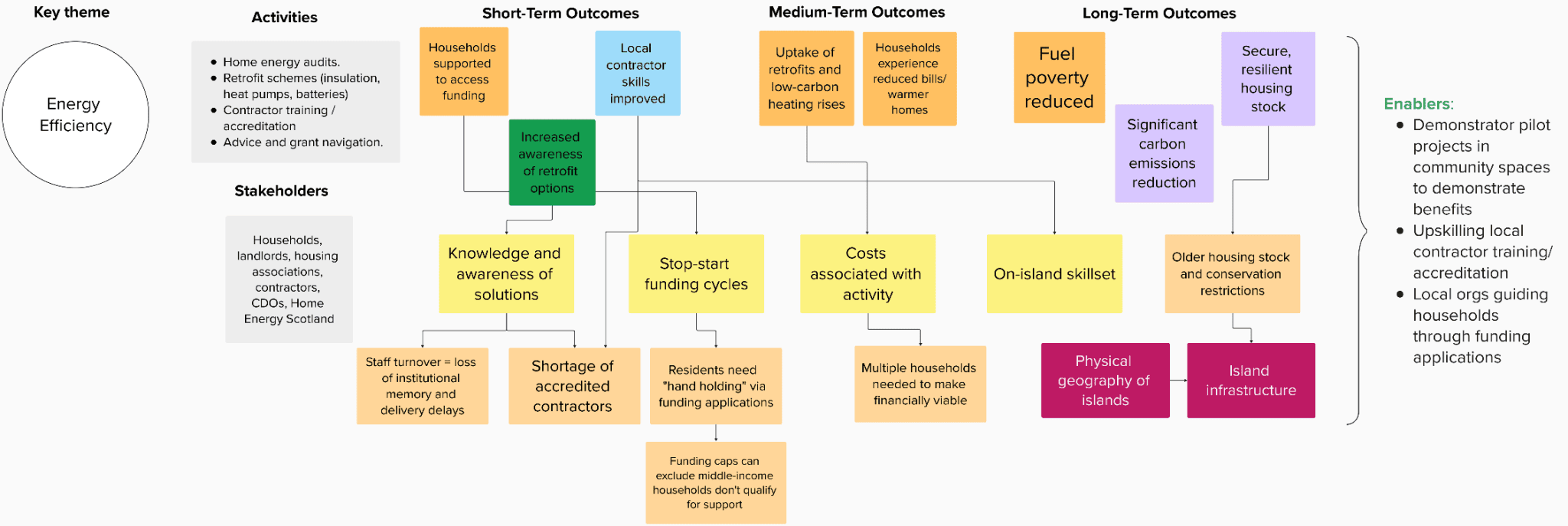
Figure 2: Theme area 1 – Energy Efficiency ToC diagram.
Cited Barriers to Implementation
Achieving medium- and long-term outcomes, such as increased uptake of retrofits leading to reduced fuel poverty and greenhouse gas emissions is constrained by two main factors: funding accessibility and technical capacity.
“Accessing grants is often complicated”, leading “some householders to abandon applications”. Short-term annual funding cycles are viewed as “frustrating and a distraction from achieving longer-term”, capital-intensive investments. Funding caps also exclude middle-income households who do not qualify for support yet cannot afford high upfront costs.
There is a shortage of accredited contractors across the islands. As a result, obtaining reports, such as Energy Performance Certificates (EPCs) which is needed to access some types of grant funding, is challenging and creates a backlog of projects. Where islands do have local contractors, they often lack the accreditations required by grant funding to be eligible for a contract to complete installations. Consequently, grant funded installations tend to favour larger mainland companies. This limits opportunities for local delivery and undermines efforts to build island-based supply chains.
While the barriers identified for this pathway are significant, most fall within the influence of the CNI project, meaning there is considerable scope to address them and achieve meaningful impact. There are also positive examples to build on, such as retrofit trials on Raasay and PV-battery installations on Cumbrae (see Case study: Millport buildings solar PV and battery installations in Case Studies).
Primary Co-Benefits and Considerations
- Lowering household energy bills and reducing fuel poverty.
- Warmer homes.
- Improved health outcomes.
- Energy resilience
Theme Area 2 – Renewables
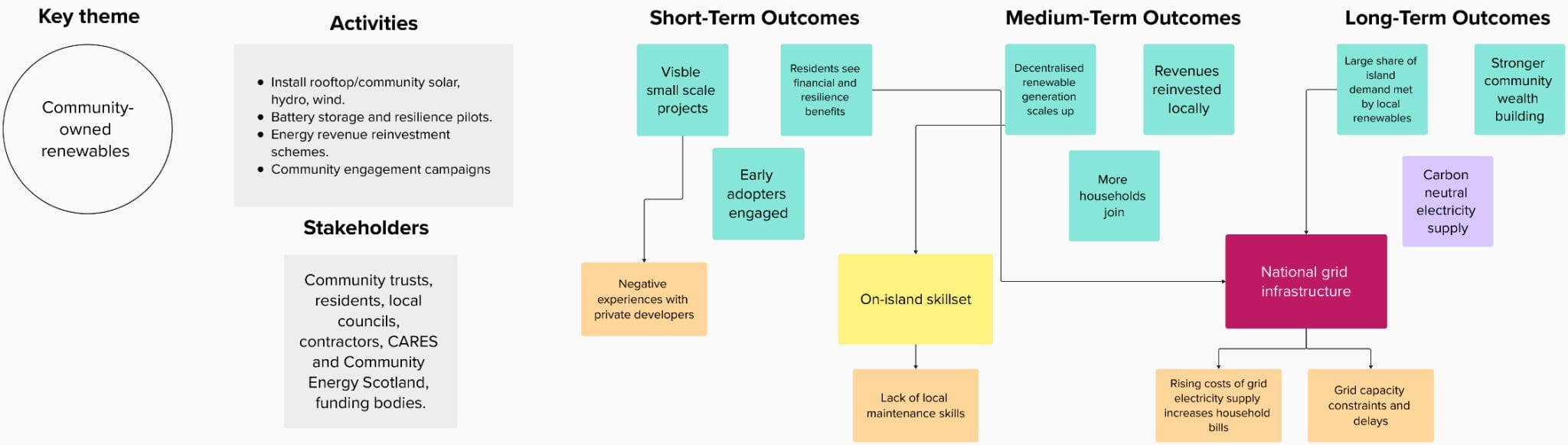
Figure 3: Theme Area 2 – Community Owned Renewables ToC diagram.
The renewables theme as outlined in Figure 3 is focused on installing assets such as rooftop solar, wind turbines, and battery storage to create local low-carbon energy generation capacity. However, given that the evolution of the UK electricity grid is already setting it up to achieve net zero by 2030, it should be noted that the main purpose of this theme is to provide low-carbon energy resilience while providing a source of financial income to benefit the community against a context of rising energy and electricity bills. Island context varies across the islands. For example, Cumbrae has shifted from large-scale solar farm proposals to decentralised rooftop solar, which has proven effective in increasing visibility and engagement. Barra is prioritising installations on community facilities to reduce operating costs, while Hoy in Orkney has successfully integrated solar and battery systems alongside existing community wind turbines, using revenue to fund services such as free transport. Raasay benefits from the precedent set by its community hydro scheme but faces grid capacity constraints, and Islay continues to leverage council-supported assets, recognising the strong benefits of community ownership.
Cited Barriers to Implementation
As shown in Figure 3, securing grid connections for community-scale projects is a major constraint, with islands facing long waits for upgrades and uncertainty over connection guarantees. This is a national issue across the UK.
Similar to theme area 1 – energy efficiency, a key barrier is the lack of local skills. While CNI aims to support local upskilling, the absence of local accredited contractors along with the local authority’s public procurement requirements means projects often rely on external providers, which increases costs and introduces logistical challenges such as ferry travel for maintenance. As a result, there are limited opportunities for local delivery undermining efforts to build island-based supply chains.
Primary Co-Benefits and Considerations
- Community wealth building:
- The financial savings made from reducing the consumption of imported electricity and the revenue generated from selling when generation exceeds local demand generates financial wealth that can be re-invested in the local community. This strengthens economic resilience and supports wider community priorities.
- Energy resilience:
- Generation assets paired with battery storage creates systems that are “island mode capable”, providing backup power during outages and improving security. This particularly valuable for communities at risk of facing frequent disruptions to their electricity supply.
- Education and behaviour change:
Theme Area 3 – Low-Carbon Transport
The Low Carbon Transport ToC as outlined in Figure 4 aims to reduce carbon emissions from transport through three strategies: expanding EV infrastructure, promoting active travel, and electrifying communal fleets. While vital for decarbonisation, this theme faces challenges such as cross-boundary emissions, reliance on external infrastructure, high upfront costs, and cultural barriers.
Although the ultimate goal is reducing emissions, local priorities often focus on improving access, lowering travel costs, and enhancing active travel. These priorities reflect the practical realities of island life and what is within control of the community, for example, Cumbrae offers bike-sharing schemes, whereas there are currently no actions being taken to decarbonise the ferries islands rely on as they remain outside local control. Hoy in Orkney illustrates success, with the electrification of its community transport service funded by the CNI capital fund (see Case study: Community transport electrification).
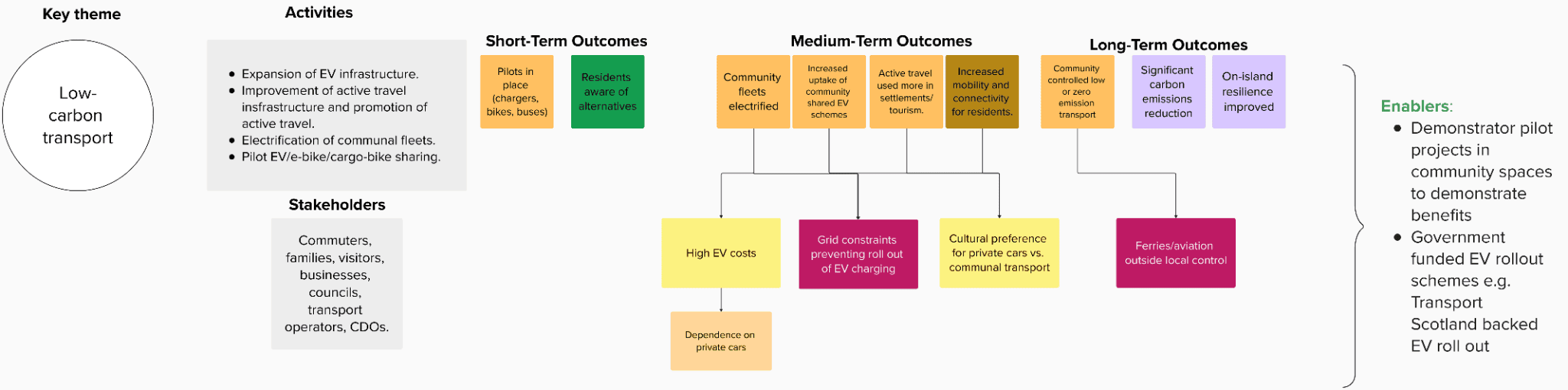
Figure 4: Theme Area 3 – Low-carbon Transport ToC diagram.
Cited Barriers to Implementation
A significant challenge, as illustrated in Figure 5, is the high upfront cost of electric vehicles. In addition, residents are also deterred because of a lack of charging infrastructure both on-island and off-island (which is the case for Barra and Vatersay). The installation of charging infrastructure can also be delayed due to grid constraints.
Beyond EV adoption, while improvements to walking and cycling paths are welcomed, they do not always lead to a reduction in car use, particularly for commuting. This is not helped by an existing cultural preference for private cars over communal transport options, such as minibuses.
Finally, for most islands, ferries and aviation account for the largest share of transport-related emissions, yet these remain outside local control. This creates an ‘evidence ceiling’ for decarbonisation efforts, as progress within the islands cannot fully offset the impact of external travel.
Primary Co-Benefits and Considerations
- Improved mobility and access as the electrification of community transport services is expected to both improve reliability and coverage of transport to residents in the case of Hoy.
- Improved health and wellbeing from increased active travel.
- Using or switching completely to EVs reduces the burden of fuel and vehicle maintenance costs for residents.
- Community wealth building from the revenue that can be generated provision of electrified transport like e-bike sharing schemes for both residents and visitors alike.
Theme Area 4 – Nature-based Solutions
The Nature-based Solutions (NbS) ToC as outlined in Figure 5 offers long-term carbon storage and climate resilience. While carbon reduction is the ultimate goal of the CNI Project, NbS is critical for addressing the ecological crisis alongside the carbon challenge. However, NbS delivers low immediate community benefit and carries high implementation risk. Hence, the role of co-benefits is critical for this pathway as this provide more tangible and immediate reasons for communities to enable and support these activities over carbon sequestration which is typically viewed as more abstract and long-term.
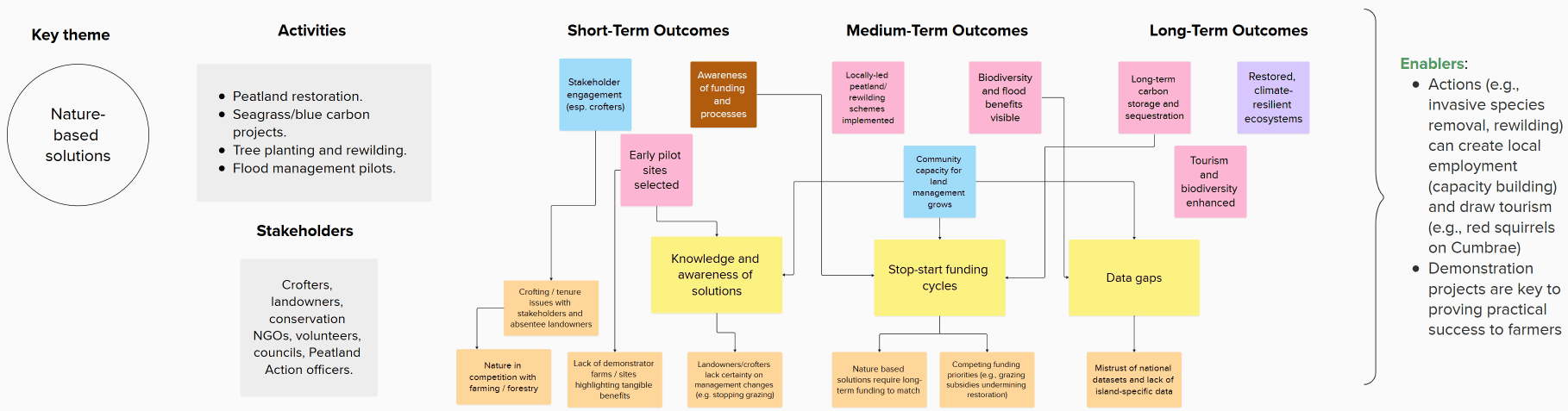
Figure 5: Theme area 4 – Nature-based Solutions ToC diagram.
Figure 5 illustrates the NbS pathway, showing activities, outcomes, and barriers. Structural and financial constraints dominate this pathway. The CNI project can play a catalytic role in building local delivery capacity however it cannot directly resolve systemic policy issues such as crofting regulations or land ownership and securing long-term funding.
Cited Barriers to Implementation
Securing agreements with landowners and crofters remains one of the most significant challenges that has spanned generations due to long-standing mistrust and cultural norms, in addition to policy constraints such as the crofting system and unmapped peat cutting rights. These structural issues create uncertainty and “slow progress on restoration activities”.
Another critical barrier is the lack of demonstrator projects, without visible examples of practical and financial benefits, buy-in to shift land management practices is limited.
Gaps in local data and capacity also hinder delivery. Many islands rely on national datasets that lack local specificity, and limited technical expertise means strategic audits often fail to translate into actionable plans. These gaps create uncertainty around the best restoration approaches and slow implementation. Quantifying emissions savings from NbS, such as invasive species removal, is difficult and requires a long-term approach to monitoring and measurement, which in turn makes securing funding (particularly short-term) challenging.
Primary Co-Benefits and Considerations
- Improved ecosystem health and biodiversity.
- Projects that enhance natural surroundings and involve iconic species (e.g., red squirrel reintroduction on islands like Cumbrae) can also boost local pride and attract tourism.
- Restored habitats provide resilience to climate risks, such as flood management on islands.
- Knowledge sharing embedded as part of projects can also support education around the potential and role of NbS.
- Community wealth building through the generation of local employment for tasks such as invasive species removal, as seen in Raasay (see Case study: Invasive Species (Rhododendron) Removal).
- Local community capacity building through training local contractors and volunteers for tasks, such as invasive species removal, as seen in Raasay (see Case study: Invasive Species (Rhododendron) Removal).
Theme Area 5 – Circular economy
The Circular Economy (CE) ToC as outlined in Figure 6, aims to shift island communities from a linear consumption model to one focused on resource efficiency, reuse, and waste reduction. These practices align strongly with the “make do and mend” culture that has long characterised island life, making CE highly relevant. However, implementation faces logistical and infrastructure challenges, many controlled by external bodies. Impact varies by island, influenced by proximity to the mainland and local waste systems. For example, Cumbrae’s emissions from waste are naturally low due to its closeness to the mainland, yet there remains strong interest in reuse initiatives. In contrast, Islay faces significant waste-related challenges, with landfill reduction and improved recycling identified as priorities for the wider council. Hoy struggles with storage capacity for waste awaiting transport off-island, while Shetland’s recycling infrastructure is constrained by the cost of sending materials to the mainland.
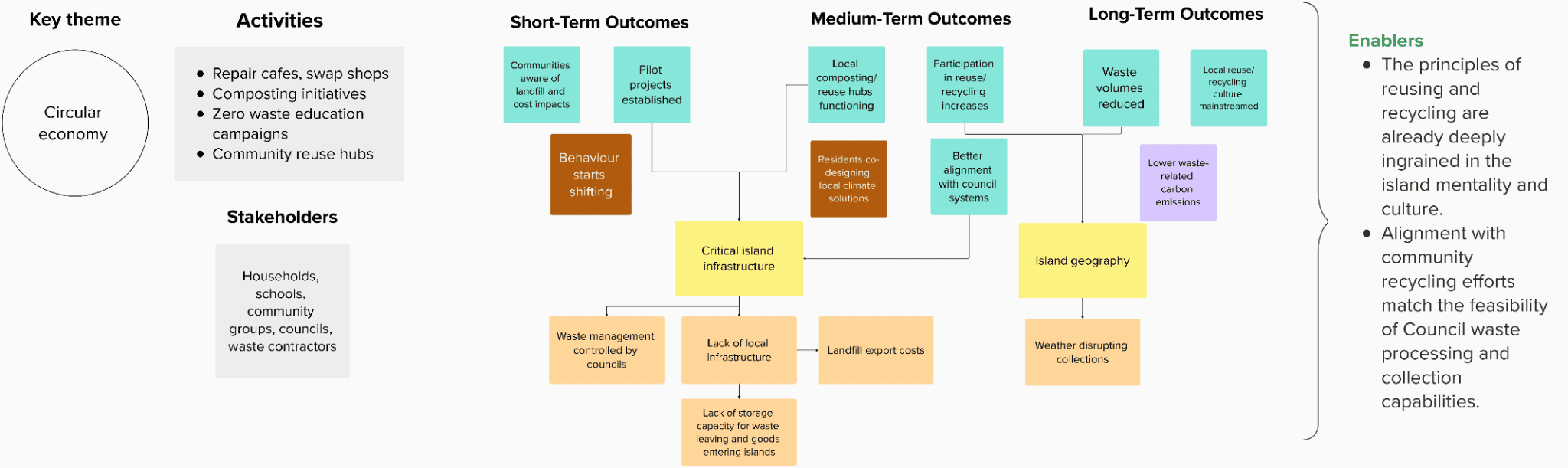
Figure 6: Theme area 5 – Circular Economy ToC diagram
Cited Barriers to Implementation
The main limitations arise from infrastructure gaps and the high cost of transporting and treating waste, which lie largely outside the CNI project’s control. Waste management, covering collection, disposal, and recycling, is governed by local authorities and constrained by logistics. These systems often require waste to be shipped to the mainland, creating prohibitive costs. For bulky items such as old vehicles, removal expenses frequently lead to abandonment or illegal disposal. A lack of local infrastructure and storage capacity for goods awaiting shipment further hampers recycling, even among motivated residents. The cost of moving waste off-island often makes recycling financially unviable compared to less sustainable practices. While these systemic barriers cannot be resolved by CNI, they shape the context for local action. Remaining barriers that can be addressed relate to capacity and engagement. Although awareness of waste reduction is high, knowledge of what can actually be recycled within council systems is still limited.
Primary Co-Benefits and Considerations
- Behavioural change by prompting residents to think differently about consumption and waste.
- Community cohesion and resilience:
Theme Area 6 – Low-Carbon Food Supply
The Low Carbon Food Supply ToC as outlined in Figure 7 focuses on strengthening local food production, reducing reliance on imports, and improving food security through community-led initiatives and partnerships. Although its direct impact on greenhouse gas emissions is limited, it supports the building of a level of food security and community resilience. The importance of this varies by island. Barra faces severe food shortages during ferry delays, while Hoy, its short growing season and limited capacity for high-protein feed renders food growing a hobby rather than a significant contributor to food security.
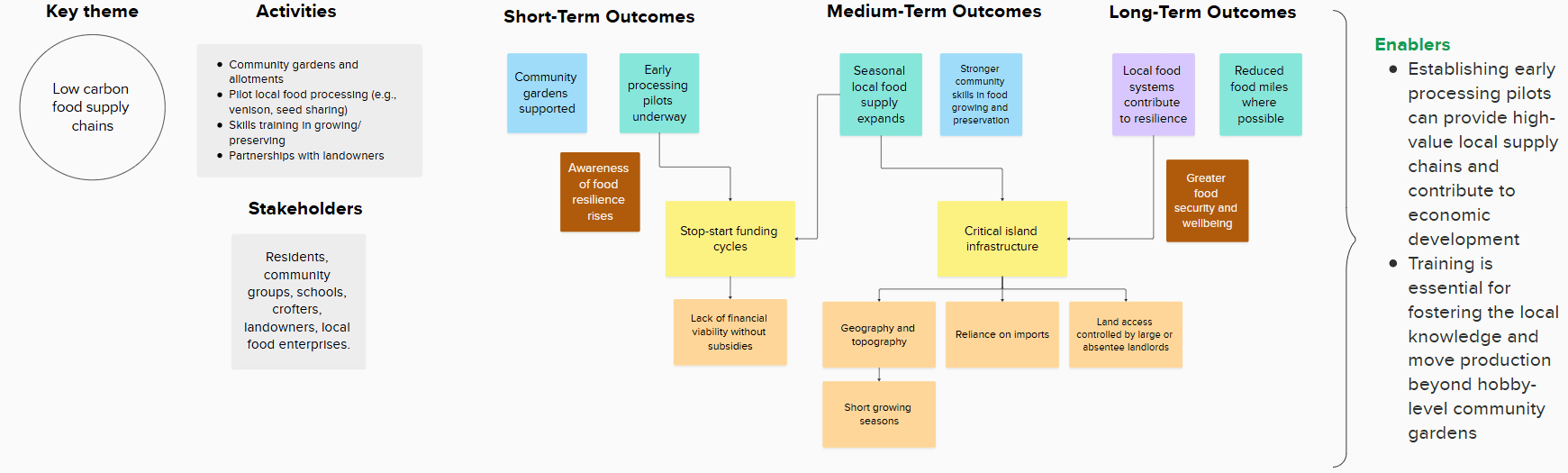
Figure 7: Theme Area 6 – Low Carbon Food Supply Chains ToC diagram.
Cited Barriers to Implementation
The shift towards greater local food production faces economic, logistical, and environmental constraints. Limited access to land is a barrier, as plots are often controlled by “large or absentee landowners reluctant to support management changes”. This reliance on landowner cooperation restricts the scalability of community-led projects. Logistical and regulatory hurdles add complexity; in Islay, livestock must be transported to the mainland for slaughter incurring high costs while Raasay struggles with land access due to restrictive crofting.
Economic viability is another challenge, as local food sales rarely succeed without subsidies. Producers struggle to compete with imports supported by established systems favouring larger farms, making sustained production difficult.
Environmental factors, including short growing seasons and limited suitable land, further reinforce the perception of food growing as a hobby rather than a practical solution.
Primary Co-Benefits and Considerations
- Resilience building and food security which is particularly important for island communities which are vulnerable to supply chain disruptions.
- Health and wellbeing may also improve as locally produced food is expected to be of higher quality, reinforcing nutritional benefits and community confidence.
- Community wealth building from initiatives, such as venison processing or scaled-up production creates jobs and income, shifting efforts from subsistence to sustainable local enterprise.
Theme Area 7 – Climate Literacy
The climate literacy ToC pathway as outlined in Figure 8 aims to build awareness of climate challenges and solutions, particularly among young people, to foster long-term behavioural change and stewardship for a carbon neutral future. While its direct impact is hard to measure, it is a critical cross cutting theme for sustained climate action. The CNI project’s role is as an enabler, not a sole driver. It cannot guarantee behavioural change but can create the conditions for success by embedding climate literacy in education, supporting youth leadership, and promoting collaboration between schools, communities, and local authorities.
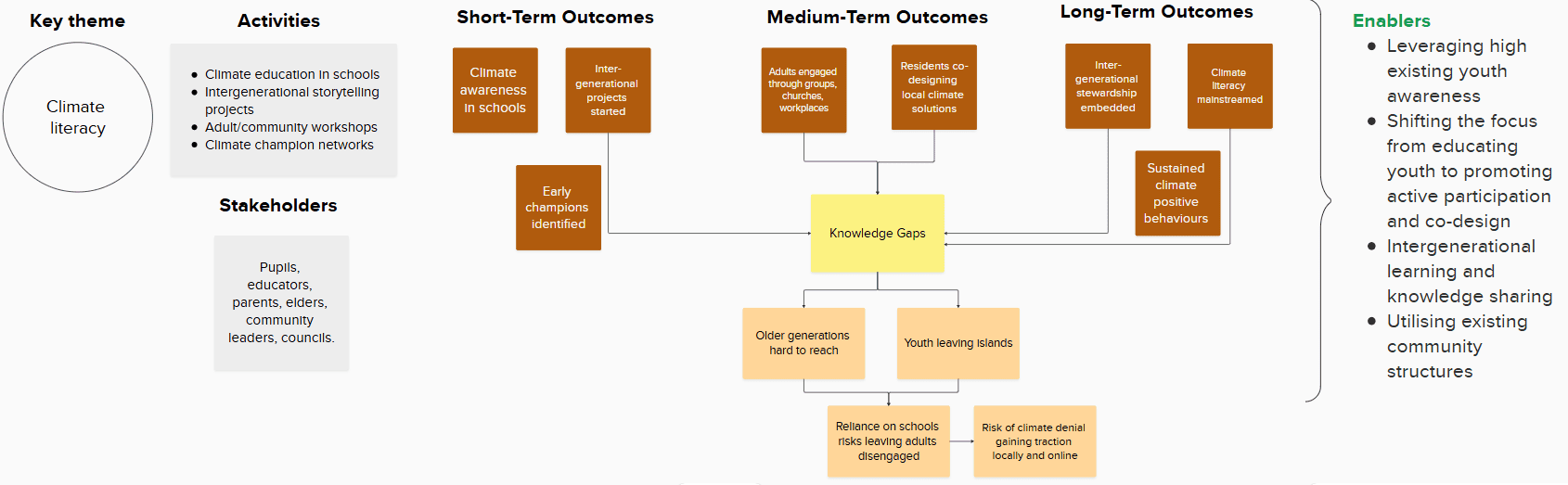
Figure 8: Theme Area 6 – Climate Literacy ToC diagram.
Cited Barriers to Implementation
A key barrier is the lack of intergenerational engagement. The CNI Project’s current efforts rely heavily on schools, which risks leaving older generations disengaged and perpetuating a generational gap. This disconnect is compounded by the possibility of youth leaving the islands, taking their knowledge with them, while climate scepticism continues to gain traction locally and online.
Another barrier is the gap between knowledge and agency. While young people often demonstrate strong awareness of climate issues, they lack the power to act or influence decision-making. Improved understanding does not automatically lead to participation as structural constraints may be in place limiting their ability to drive change.
Resource limitations also hinder progress. Designing activities that resonate with communities is time-consuming for local development officers and requires dedicated funding to maintain momentum.
Primary Co-Benefits and Considerations
Education and behaviour. By deepening understanding of climate challenges and solutions, it encourages active participation and co-design of initiatives, ensuring that climate actions reflect local priorities and have a higher chance of success. Intergenerational learning is another key benefit. Connecting students with elders to share stories of resilience against past extreme events fosters two-way learning, enhances community cohesion, and informs future resilience planning. This approach builds trust and reinforces cultural continuity while addressing climate risks. A further co-benefit is sustained behavioural change. Early engagement embeds climate-positive behaviours that become second nature for the next generation, securing the islands’ ability to maintain carbon neutral status over the long term.
Theme Area 8 – Collaboration and capacity
The Collaboration and Capacity ToC, as outlined in the Figure 9 underpins the CNI Project’s ability to deliver sustainable outcomes. This thematic area focuses on strengthening local governance, partnerships, and delivery mechanisms to ensure that decarbonisation efforts can continue individually CNI funded initiatives. This pathway is consistently prioritised across all islands due to the universal need for stable, locally driven delivery mechanisms. Island communities often operate within fragile systems, relying on a small pool of residents and the expertise of a few key individuals. Without targeted support, high-cost projects risk stalling under the weight of complex processes and short-term funding cycles. By clarifying council and CDO roles, the project can strengthen institutional capacity. Furthermore, fostering partnerships between councils, trusts, and community organisations to support decentralised delivery using local contractors will help ensure carbon neutrality ambitions are rooted in local ownership.
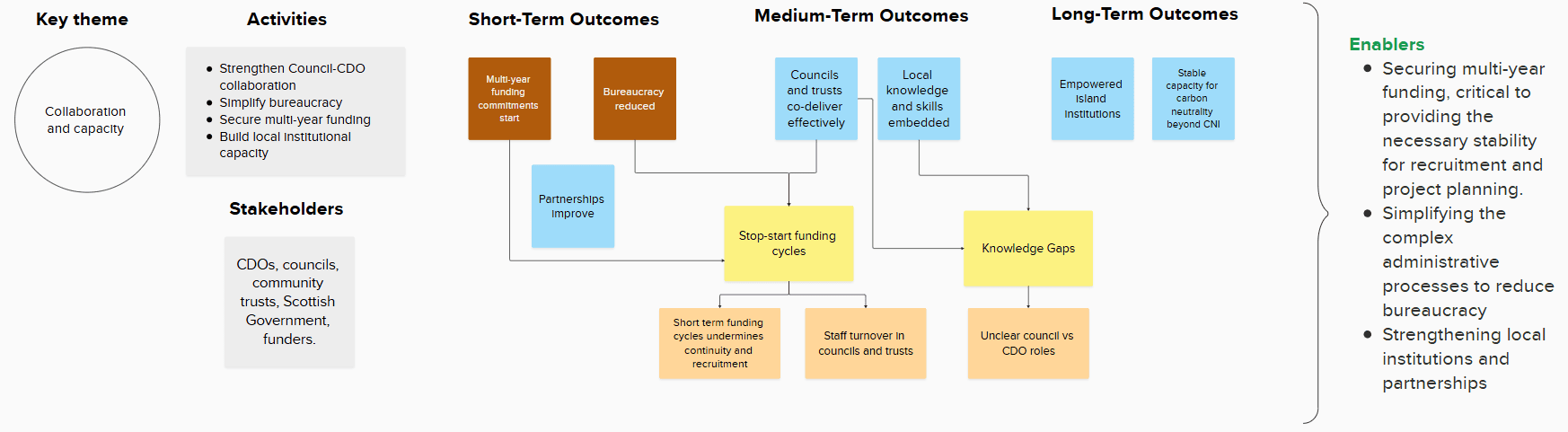
Figure 9: Theme Area 8 – Collaboration and Capacity ToC diagram.
Across the islands there are barriers related to the relationship between CDOs and local authorities. The CNI project has been designed to be community-led with direct Scottish Government funding, however, some funding such as the CNI Capital Fund requires local authorities to submit the applications, adding layers of bureaucracy that can slow delivery. Council buy-in has also varied, with some authorities providing financial safeguards and mentorship, while others have acted as barriers to progress. CDOs play a critical role as local guides with institutional memory, yet uncertainty over funding routes has created confusion about their remit. In summary, unclear boundaries between council and CDO responsibilities heighten organisational tension, highlighting the need for clearer role definitions.
As mentioned in several of the nine theme areas, short-term funding cycles create financial instability, making CDO roles insecure and recruitment difficult. This stop-start approach erodes institutional memory and pushes decisions toward quick wins rather than long-term decision making.
Primary Co-Benefits and Considerations
- Long-term sustainability of decarbonisation work:
- Embedding local knowledge and technical skills ensures that infrastructure can be maintained on the islands without reliance on costly external contractors. This reduces logistical challenges and safeguards continuity well beyond the lifespan of the CNI project. Community empowerment is another critical outcome.
- Community resilience:
Theme Area 9 – Data and Knowledge
The Data and Knowledge ToC, as outlined in Figure 10, focuses on establishing reliable measurement frameworks and ensuring data is actively used to inform carbon mitigation efforts. It is a high priority across all islands and a cross-cutting theme area. Without trusted data, project planning lacks evidence and accountability for progress towards carbon neutrality is hindered. A key consideration underpinning this theme is the need to balance the requirement for high-quality, localised data with the significant cost, effort, and resources needed to obtain it. Linked to this, “there is a risk that an overemphasis on data collection or KPI reporting can delay practical action”.
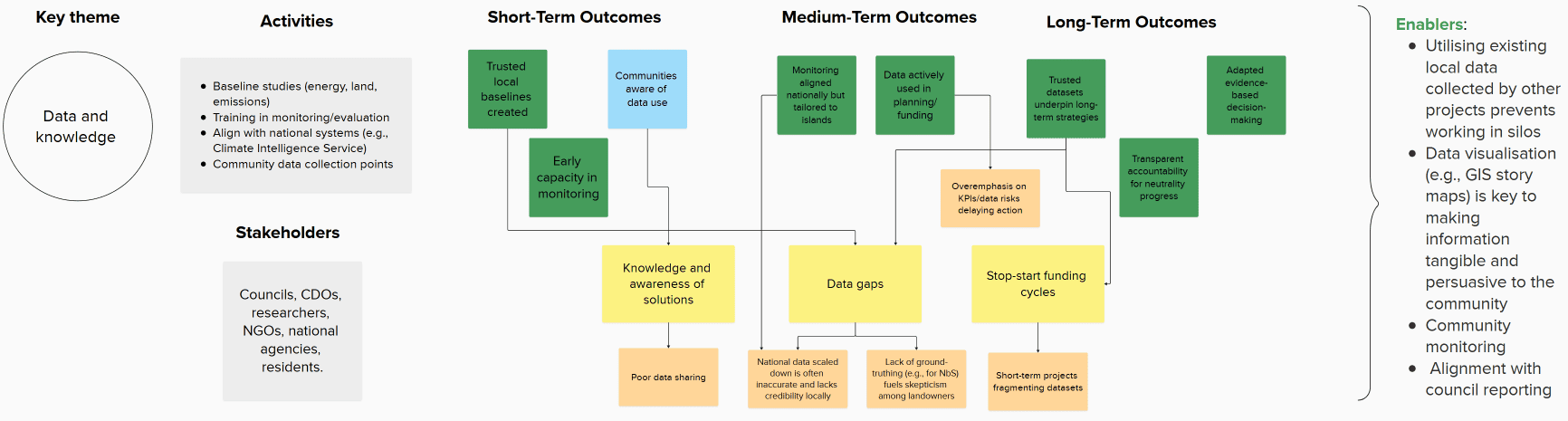
Figure 10: Theme Area 9 – Data and Knowledge ToC diagram.
Cited Barriers to Implementation
As shown in Figure 10, a key barrier is the reliance on national datasets scaled down for local use, which are often inaccurate and lack credibility within island communities. Poor ground-truthing fuels scepticism, particularly among landowners, as highlighted under
Theme Area 4 – Nature-based Solutions. The absence of detailed baseline data prevents communities from identifying which projects will deliver the greatest impact and hinders effective planning. At the same time, while robust data is essential for accountability, “action based on current knowledge is often the immediate priority”, the pursuit of perfect datasets and prolonged data collection can delay practical interventions and risks slowing progress towards carbon neutrality.
Capacity and resource constraints present another challenge. There is an ongoing need for staff and technical expertise to measure greenhouse gas reductions, particularly around land use.
In addition, siloed working and duplication of effort can impede action. Local authorities and island communities risk operating in isolation, with limited data sharing. Valuable datasets collected by other projects, are often not leveraged, leading to inefficiencies and missed opportunities for collaboration.
Primary Co-Benefits and Considerations
- Improvement of community buy-in:
- Establishing high-quality, localised baseline data fosters community trust in the value of decarbonisation activities.
- Improved engagement and climate literacy:
- Providing clear and accessible data, with the support of data visualisation tools, such as GIS story maps, supports improved stakeholder understanding, community buy-in and informed decision-making.
Appendix C Longlist of Proposed Indicators
The indicators in this appendix are categorised to reflect their relative ease of collection and likely availability of data. It is important to note that even those marked as more feasible will still present challenges and may not be practical for all projects. For accessibility reasons, indicator feasibility is expressed using both colour coding and a numerical scale. Colours are not used as the sole means of conveying information. Numerical scores (1–3) correspond to high, medium, and low feasibility respectively, as described in the legend below.
|
1 – High feasibility (Green):
Data may be more readily available or involve a simpler method of collection |
2 – Medium feasibility (Amber):
Data likely to be partially available or may require more effort to collect |
3 – Low feasibility (Red):
Data unlikely to be available or requires more challenging data processing/methods |
Appendix D Case studies
Case study: Invasive Species (Rhododendron) Removal
This project is focusing on restoring habitats, through the removal of invasive species from priority areas, using local contractors to address man-made environmental degradation while supporting community wealth building.
Island: Raasay
Sector: Nature-based solutions
Timeline / Key Milestones
| 2023 | Community engagement on CNI priorities and conceptualisation of project |
| 2024 | Mapping of the rhododendron infestation |
| 2024 Aug-Oct | Application and award of CNI Capital Fund (CNICF) |
| 2024 Dec | Tender for contractors to complete work |
| 2025 Jan | Commencement of works |
Co-benefits: capacity building that can support future similar work like tree planting, local employment on the island particularly in the winter months (outside of tourist season), biodiversity gain, building a sense of community agency and ownership around land stewardship, showcasing land stewardship to younger generations, community wealth building, land habitat restoration.
Background and Objectives
In 2023, community engagement undertaken in Raasay identified improving the island’s biodiversity and carbon sequestration as a top priority for the island. To address this, consultation identified that the removal of invasive species, specifically rhododendron ponticum, would be an effective action that the island itself could drive. As an island with areas of high ecological value, such as temperate rainforest and endemic species, such as the bank vole (the Raasay vole), Raasay stands to gain significant benefits. In the past, rhododendron had already been identified by Forestry and Land Scotland as a threat but efforts to eradicate it previously had been unsuccessful due to a lack of follow up. This rhododendron removal project aims to improve the island’s biodiversity and carbon sequestration potential while also being aligned with Raasay’s unique local priorities and supporting community wealth building.
Implementation Approach
To conceptualise the project, a review of national literature was completed and a consultation carried out with local experts and land managers, the Woodland Trust and Forestry and Land Scotland. In addition, the island’s rhododendron infestation was mapped using drone and ground mapping.
Following the award of CNI funding in 2025, the rhododendron removal works began. The removal team consisted of 3 contractors which grew to 5 for Summer and Autumn. Overall, 30 people on-island and 15 people off island have been involved so far. Different removal methods have been explored with stem treatment emerging as the most effective. Stem treatment uses drills or hatchets to apply small amounts of herbicide to the plant base. This method is less physically demanding than traditional chainsaw methods so it is also suitable for community implementation. The project also explored chainsaw application of treatment as a removal method and the removal of other invasive species including trial removals of Japanese knotweed. Overall, this project used removal methods that were significantly lower cost and reduced chemical usage compared to methods defined in official guidance, while still being effective. Ongoing reviews and on-site training have refined the methods used.
As part of this project, chemical handling training was offered to the local community and taken up by 6 people.
This project procured a Utility Terrain Vehicle (UTV) and supported associated training. This vehicle is now also being used to deliver wood for the community owned and operated wood fuel group which delivers sustainable biomass fuel to residents.
Organisations that have partnered and supported the project include University of Tennessee who shared research on carbon sequestration and biodiversity impacts, the Dulra Project in Ireland who provided informal mentorship and practical advice from their experience in community-based rhododendron eradication, Forestry and Land Scotland, local experts, ecologists, Great Glen Ecology, Tracks Ecology, and the Woodland Trust.
Forestry and Land are a significant landowner in Raasay impacted by Rhododendron infestation. The partnership established with Forestry and Land has been instrumental and is also currently support the continuation of rhododendron removal works beyond that which has been funded by CNI.
Funding and Costs
The project was awarded £75k in 2024-25 capital funding round. CNI funding from previous years was also used to fund the rhododendron mapping to support the application for the 2024-2025 funding round. This project has led to the establishment of a partnership with Forestry and Land Scotland which will be able to support continuation of this work on the island in the future.
Barriers
- Selection of contractors needed to follow the local authority’s procurement processes as per CNICF requirements, which was not suitable given the island’s context. The process required piece‑rate contracts (fee per unit removed), which is predicated on the ability to accurately predict costs of removal, which could not be done due to the island’s highly variable terrain and the lack of detailed local data.
- The 1-year terms of CNI funding means the contractors could not be employed to complete the work for the long-term.
- In community consultation, many community members did not feel “qualified” to express their views on land management unless actively involved.
- Official guidance on rhododendron control could not be followed as it did not reflect the unique challenges of each site, failing to account for factors such as weather conditions, contractor availability, land management practices, land use, and public access.
- Effective long‑term control required diligent and ongoing monitoring is resource intensive, putting pressure on the operational team.
Enablers
- Early involvement of local and external experts ensured the project was based on sound scientific understanding, gave the project credibility in the community.
- Maintaining autonomy on island allowed dynamic and agile working.
- Opening up training opportunities to allow locals to be involved.
- Informal mentorship from the Dulra project (Irish organisation with experience in rhododendron removal) provided practical advice on running a large‑scale, community‑centred eradication project.
- Being able to execute a day rate contract with removal contractors rather than a piece-rate contract has resulted in more cost-effective use of funding, enabling the removal works to cover 110% of the scope that would have been completed under a piece contract.
- Adoption of the stem‑treatment method allowed effective removal using limited equipment, making the work achievable at a community level.
- Employing local contractors resulted in high quality work.
- Working closely and building strong relationships with stakeholders and contractors helped support contractor retention.
- Strong positive feedback from community members reinforced the value of the work and encouraged ongoing participation and support.
- Collaboration with Tennessee University enabled scientific monitoring of biodiversity differences between infested and non‑infested sites, strengthening the project’s evidence base.
Outcomes, Impact and Lessons Learned
Since January 2025, approximately 140 hectares have been cleared, this is over half the island’s total infested area and 110% of the original expectations of the project. The kill rate is 90% (measured by the total bushes that appear to be effectively treated) with some sites achieving over 95%.
Given the project’s short lifespan so far, it is not yet possible to estimate its greenhouse gas reduction impacts. However, further work with the University of Tennessee may be able to provide methods for emissions estimations in the future. It is expected that this project will produce a biodiversity net gain, however the results to evidence this from the University of Tennessee are still pending.
The project provided economic benefits through local employment to island residents supporting the retention of community wealth, reducing pressure on grazing land and increasing land value through habitat restoration.
The tangible, visible results of this project has created a sense of community agency, ownership and stewardship. This also showcases the possibilities around land stewardship particularly to the younger generations.
Monitoring
The project is being monitored and evaluated through diligent ongoing site monitoring to measure kill rates, record-keeping of treated sites and resources allocated, and a partnership with the University of Tennessee, which is conducting research on the carbon sequestration and biodiversity impacts of rhododendron removal. This research will help quantify the environmental benefits and provide evidence for similar projects elsewhere.
Voices from the community
“It’s really important and will stick it out as long as there’s funding there to do it.” – Removal contractor
“Would love to see this work expand into the roles of community rangers where people are contracted or employed to serve the island’s needs, ecological needs, and whether that’s rooted in invasive species control, tree planting, perhaps creating access routes.” – Community member
Insights and recommendations for replication or scaling
To support the clearing of future sites, Raasay has developed a cost metric based on levels of infestation to determine the cost of clearing sites with greater accuracy. In addition, a scoring tool has been developed for use in the future to prioritise sites according to different factors. For the replication of this project on other islands, it is recommended to:
- Gather advice from organisations like the Community Woodlands Association and other communities doing similar work.
- Ensure the work fits into the island’s wider land management plans.
- Consider stem treatment as it is a very effective and economic method.
- Work with well-regarded local experts and build relationships with key stakeholders to provide the project with confidence and credibility in the community.
- Assess each site strategically considering practical factors unique to the site such as weather, contractor availability, land management, land uses, public access.
- Maintaining records of treated sites and diligent ongoing monitoring is required.

- Figure 11: Demonstration of Rhododendron Removal Treatment.
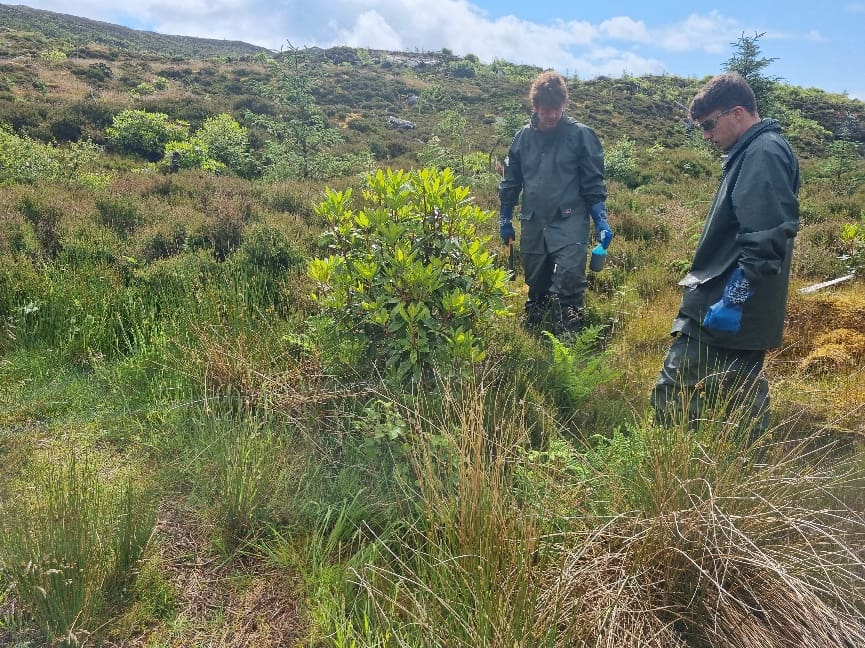
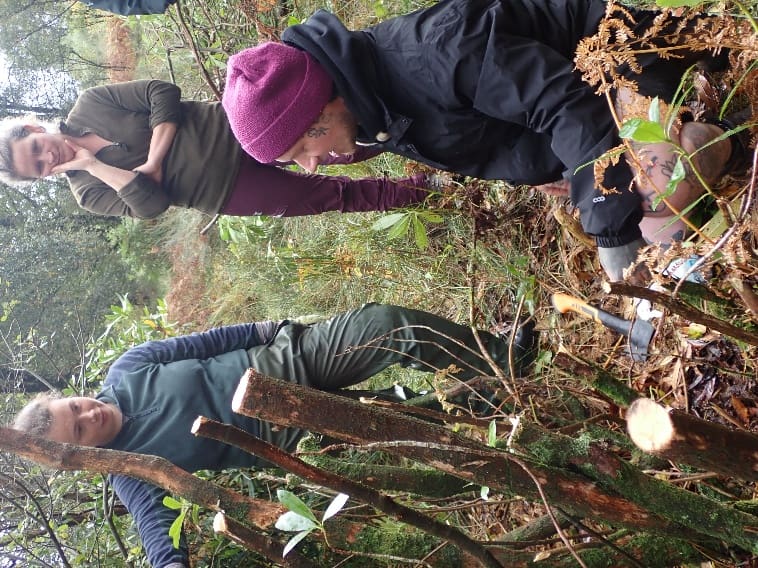
Figure 12: Rhododendron Removal Contractors in the field.
Case study: Millport buildings solar PV and battery installations
Installation of solar PV and battery systems on homes in Millport funded by the 2024/2025 and 2025/2026 Carbon Neutral Islands Capital Fund (CNICF) to reduce carbon emissions, tackle fuel poverty and increase energy resilience.
Island: Cumbrae
Sector: Community Renewables
Timeline / Key Milestones: 2024-2026 (currently awarded second year of CNI funding)
Co-benefits: Capacity building in energy efficiency projects, lower household energy bills and addressing fuel poverty, community wealth building, energy resilience, warmer homes and related health improvements.
Background and Objectives
Cumbrae has one of the highest levels of energy consumption per capita amongst CNI islands. This is at least partially attributed to the inefficiency of much of Cumbrae’s housing stock. It is estimated that more than 27% of households in Cumbrae are likely to be in fuel poverty[1]. Installing solar PV and battery systems enables households to generate electricity at source (behind-the-meter), reducing peak demand, avoiding complex grid agreements, and improving local energy resilience. As well as reducing imports from the mainland-connected grid and displacing fossil fuels where used. This also supports Cumbrae’s wider motivations to build community wealth, achieve warmer homes, lower energy bills, address fuel poverty, improve overall energy resilience.
This project is intentionally designed as a rooftop‑first, distributed energy strategy to align with conservation rules, planning constraints, available grid capacity, and the island’s finite landscape as a tourist‑focused destination – reflecting community priorities and stated objections to large-scale, ground-mounted renewables.
The initiative aims to lower energy bills, achieve warmer homes, reduce fuel poverty, and build community wealth, with decarbonisation delivered as a consequence of meeting those local priorities – rather than as the primary pitch.
Implementation Approach
Each installed domestic system consists of a 8 panel 3.52kW Solar PV system and a 5.1kWh island-mode ready battery storage system. The buildings receiving the systems were generally 1960s homes, almost all electrically heated with storage heaters, and almost all already benefiting from external wall insulation. Maintaining the same system specifications for each install ensured the systems would be permitted to connect to the local electricity network (to allow selling of excess electricity) with minimal cost and delay via the G98 process rather than the G99 process, this was confirmed by the local electricity network company in advance. The choice of rooftop PV was chosen to ensure compliance with conservation rules and planning constraints. It also avoids sparking undue opposition due to known resident objections to large-scale ground mounted renewables. This standardised system approach achieved the best balance of fairness and consistency to each household, while maximising the number of installs achieved for the funding available. So far, CNI funding has enabled the installation of 25 systems across both domestic and community buildings totalling to 109.81kW of additional solar PV capacity.
The Cumbrae CNI CDO led the coordination of the installations funded both by CNI and those funded by other organisations, this stacking of multiple funding routes has enabled the installations to be scaled and delivered reliably. The CDO supported residents, community organisations and the Cunninghame Housing Association to apply for funding they were eligible (CNI, ECO4, Area Based Scheme, Home Energy Scotland grants and loans, and private/self‑funding). The CDO was trained to be able to lead pre-installation activities achieving certificates from institutions in home energy assessment, thermography, heat-loss calculation, thermal performance assessment, and carbon accounting.
In year 1, local North Ayrshire installers already contracted to do Area Based Scheme installs by the Local Authority, were contracted to support with the CNI project funded installations. This ensured the installations could be completed within the funding timeline.
Post install, the CDO provided support to households to help them understand how their system worked, how to maximise the use of battery, and how to navigate SEG registration with their supplier.
Key partners in this project include North Ayrshire Council, Community Energy Scotland for Technical Expertise and Cumbrae Community Council.
Funding and Costs
This project was awarded £136,500 from the 2024/2025 CNICF and an additional £30,000 as a CNI Direct Allocation from the Scottish Government. The CDO also supported further installations beyond those directly funded by CNI to capitalise on the momentum generated by this project, and these were funded privately by residents, ECO4, Area Based Scheme or HES Grants & Loans.
Barriers
Shifting availability and criteria for multiple funding sources caused delay and confusion even causing damage to trust and reputation.
The installer selection had to follow the public procurement process of the lead applicant, the local authority. This led to significant delays, higher costs and project management issues.
Enablers
The local presence, guidance and coordination provided by the CNI CDO meant residents could get answers to their concern, understand more about their home’s energy usage and the systems being installed. Therefore, they felt empowered when it came to making the decision to participate and trust in the process.
Residents were successfully brought on board by focusing the project communications on the benefits relevant to local priorities which were not necessarily decarbonisation. These priorities were community wealth building, warmers homes, lower energy bills, reducing fuel poverty, protection of local environment. Beginning the installations with familiar community buildings to provide a visible demonstration of the benefits also created a ripple effect of building interest and uptake amongst residents.
The installation of the systems was able to maintain momentum as the CDO took a flexible approach with regards to finding funding for each system, as installs were proposed they directed to an appropriate funding source (not necessarily CNI) that they were eligible for at the time as opposed to depending on a single award.
Outcomes, Impact and Lessons Learned
Given a cumulatively solar capacity installed so far of 109.81kW, it is therefore estimated that the systems so far are reducing Cumbrae’s emissions by 24.6 tCO₂ per year.
In addition, it is projected that the total financial saving that households across Cumbrae are gaining from these CNI funded systems as a result of reduced export of grid electricity and payment for exporting excess solar is currently £19,000.
Beyond the systems funded by CNI, the implementation approach taken in this project has created a ripple effect, catalysing general conversations around energy resilience in the community in general, and as a result, driving wider growth in appetite and uptake for solar, retrofit measures and heating upgrades among Cumbrae residents. For example, this has contributed to a 174% increase in air source heat pump installations.
Households have benefitted from improved health outcomes from warmer homes.
Households are now more confident in their ability to access government funding, setting up government funded programmes for success in the future.
This project contributed to local capacity building by enabling the CDO to undergo training and certification on project management, energy assessment, domestic retrofit assessing, traditional building retrofitting, carbon management and reporting, climate literacy and facilitation, thermal imaging, heat loss assessment, climate risk knowledge, and remote drone pilot skills.
The project demonstrates a scalable, rooftop‑first, behind‑the‑meter delivery model for rapid deployment of household‑level renewables and energy efficiency, enabled by an embedded CDO with community trust and time to help residents navigate complex funding processes.
The success of this model and its potential to be replicated and used to benefit other islands and communities has already been recognised beyond Cumbrae; so far it has been awarded:
- Winner, Best Community Project — 2025 Scottish Renewables Green Energy Awards
- Winner, Small Scale (<£250k) Community Project Award — 2024 Scottish Energy Efficiency Awards
- Shortlisted (Top 5 UK) — 2026 Ashden Awards, Local Energy Innovation
Monitoring
Each installed system has a mobile dashboard allowing households to see generation statistics though this is not centralised in a publicly accessible platform. However, real-time access to the generation data of several community building systems is available.
Post install, the CDO maintains informal communications with households to ensure system remains operational, meets the expectations of the household and is delivering as expected by the project. EPCs are conducted and monitored to document improvements to domestic energy efficiency.
The CDO maintains a database of all solar PV installs on the island and oversees carbon accountancy based on DESNZ capacity factors, local annual solar load and in line with GHG Protocol. Once the systems reach a full year of operations, the CDO intends to collate data across the installs.
Voices from the community
“Your role on the ground has been the driving force in delivering this change and pulling multiple funding streams together. It’s great to see this working to benefit an important rural community.” – Steven Easton (Co-Founder Green Home Systems).
“So good Cumbrae is leading the way in solar roof tops for Scottish Islands” – Camille Dressler (Director, Scottish Islands Federation, Vice-chair, ESIN (European Small Islands Federation).
“It took a week to install, and the solar panels were about three days. It wasn’t too disruptive and I’ve already saved hundreds of pounds on my bills.” – Millport resident.
Insights and recommendations for replication or scaling
- Provide an embedded local leader, such as the CNI CDO, to build trust in the community and provide critical technical support and funding navigation support.
- Complete pre-procurement activities in advance, and ideally by a local with understanding of the community to equip residents with the knowledge to make informed decisions.
- Design the project for local criteria, not for a specific funding stream and then adapt the financing to the eligible funding routes at the time.
- Use benefits relevant to local priorities to secure community buy-in, publicly visible demonstrations can support this.
- Build trusted relationships with the installers and secure local control wherever possible to reduce the risk of project management issues, delays and reputational damage.
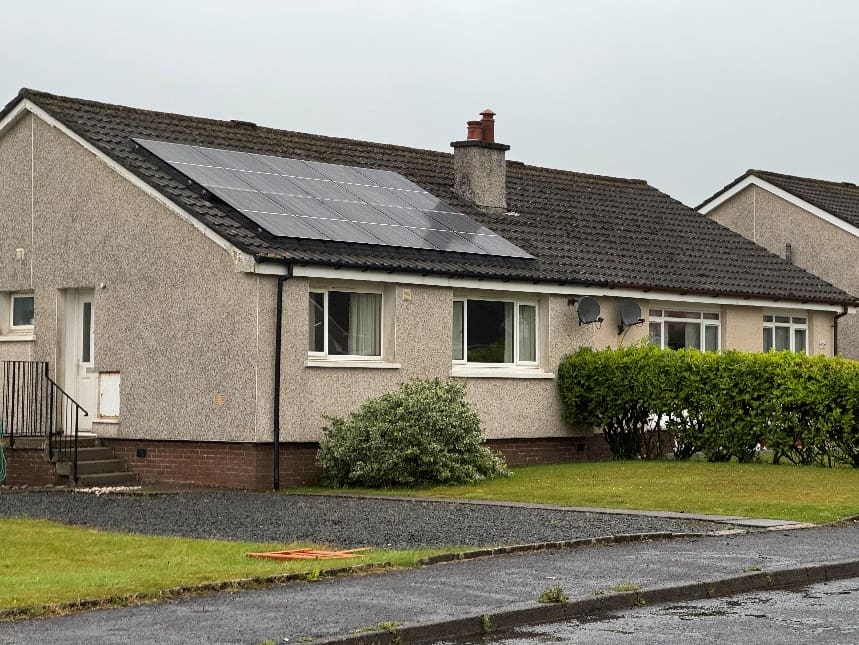
Figure 13: Residential installation of Solar PV and battery system.
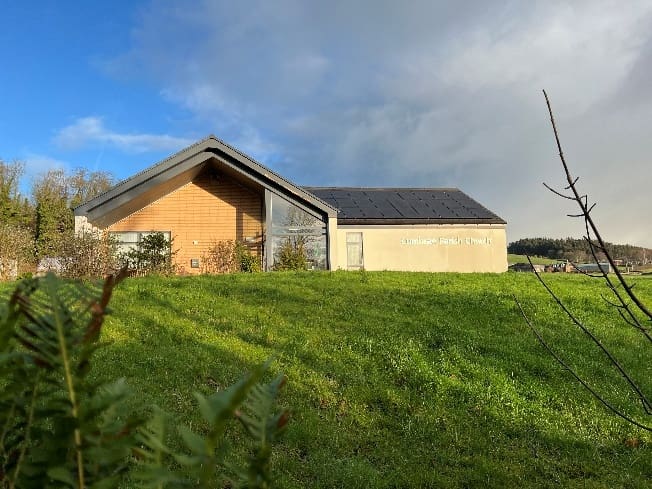
Figure 14: Community building installation of Solar PV and battery system.
Case study: Community transport electrification
Hoy has been awarded funding from the 2025/2026 Carbon Neutral Islands Capital Fund (CNICF) to fully electrify its community transport fleet.
Island: Hoy
Sector: Low-carbon Transport
Timeline / Key Milestones: September 2025-March 2026 with the vehicles delivered to Hoy and chargers installed by January 2026.
Co-benefits: Community wealth building, providing local upskilling and year-round employment, financial savings in transportation costs, improved mobility across the island to support connected and resilient communities.
Background and Objectives
Many of Hoy’s households are located far from essential services, shops, jobs and the ferry. In addition, many islanders are without reliable access to transport, in particular its residents over 65 (36% of population), families, young adults, and low-income households. The current community transport service runs only on diesel vehicles, however, it represents critical infrastructure for the island. Replacing the current community transport fleet diesel vehicles with an electrified equivalent reduces carbon emissions from Hoy’s transport sector while also supporting the island’s objectives of maintaining and building community wealth, wellbeing and resilience.
Implementation Approach
The 2025/2026 CNICF is funding the procurement, installation and associated training for three Toyota Proace Verso 9-seat electric minibuses and one dual-post Alfen Eve Double Pro-Line EV charging station. In March 2025 a community consultation validated the need to maintain provision of the transport service and provided evidence for co-designing changes to improve coverage of the service. Procurement of the vehicles and EV chargers has been undertaken following public procurement processes. However, significant delays have been experienced so far due to unforeseen bureaucratic processes within Orkney Islands Council and this has consumed all planned project buffers. The EV model chosen is used by other community transport groups across the country. Only one company, Green Installations, quoted for the installation of the EV charger, as they were the only contractor able to complete the installation due to the location of Hoy. The charger will be installed at an Island of Hoy Development Trust (IOHDT) owned carpark in the main settlement of Hoy. No specific planning permission needed to be sought for this project.
IOHDT is providing project administrative, management and governance support with monthly project meetings to track the project. Once the project is completed, community feedback will be sought to help shape the future of the electrified transport service.
Key partners in this project include Hoy residents who participated in the community consultations, Orkney islands Council (OIC), Orkney Motors who will provide inspection and servicing and Green Installations.
Funding and Costs
The 2025/2026 CNICF is providing £131,500, to cover the bulk of the upfront costs of this project. Approximately £6000 worth of support will be provided by IOHDT.
To support the operations of the transport service once electrified, the IOHDT will rely on other forms of income:
- Income generated by the 900kW Community Wind Turbine – £38,000 in the last financial year.
- Community Transport Grant Scheme (CTGS) -up to £20,000 for year 2025/2026.
- Network Support Grant (NSG) – ~£10,000
- Orkney Islands Council (OIC) Bus Tender – £13,540 in last financial year.
- Service fares – £3627 for April 2024 to March 2025.
Outcomes, Impact and Lessons Learned
By replacing the two existing diesel minibuses with three EV equivalents, IoHDT estimates they will avoid 23 tonnes of CO₂e per year[2]. Community wealth building through the use of local Orkney contractors for the installation and maintenance, and through IoHDT community ownership of the vehicles and the charger.
The total cost of ownership of the EVs is expected to be lower than the diesel vehicles. Financial savings are anticipated from the reduction in repairs and fuel savings. These reduction in operation costs means the IOHDT can redirect funding to other parts of the community.
This project is expected to immediately improve reliability of the transport service. It will also improve mobility access for residents, strengthening community connectedness, social and economic resilience. The impact of this is significant given 36% of Hoy’s population is over 65 and more likely to experience reduced mobility.
Upon completion of this project, the IoHDT has already committed to making further improvements to the community transport service by rolling out an app-based booking system (funded by Highlands and Islands Transport Partnership). This will improve the service by transitioning to a demand responsive door-to-door service. This service improvement was identified through direct community consultation. Currently, 50% of the island’s households are excluded from the fixed route-based service. The ultimate outcome is for 100% of Hoy’s households to have access to community transport whenever they need it.
Monitoring
The IOHDT plans to report annually on the service capturing trends in use, passenger numbers, service coverage, service responsiveness and avoided CO2. The project monitoring will be overseen by the current IOHDT member responsible for the transport service, who will be supported by a dedicated IoHDT Board Member. Progress will be reviewed regularly and shared with the board, OIC, and the Carbon Neutral Islands team as required.
The Trust plans to run biannual surveys to get qualitative feedback from passengers and the community. Feedback on the service will be used to help adapt the model and ensure it continues to meet community needs.
Insights or recommendations for replication or scaling
So far, the lessons learned from the implementation of this project are:
- Future projects must incorporate greater contingency for external agency delays and longer manufacturing lead times.
- Local authorities should better communicate their known constraints upfront to inform realistic planning.
The IoHDT intends to produce a “Hoy EV Transport Toolkit” to help the development of community transport models for other islands. This toolkit will detail project development, procurement steps, operational protocols, community engagement, cost breakdowns, and lessons learned.
Case study: Decarbonising community spaces
Barra and Vatersay have been awarded funding from the 2024/2025 and 2025/2026 CNI Capital Fund (CNICF) to deliver a package of renewable energy and energy efficiency improvements for community assets Vatersay Community Hall and Café (VCHC) and Cobhair Bharraigh to support decarbonisation goals while achieving operational financial savings.
Island: Barra & Vatersay
Sector: Energy efficiency
Timeline / Key Milestones:
| Cobhair Bharraigh | Vatersay community hall and cafe | |
| Planning permission granted | – | Feb 2025 |
| Scoping and proposal | Mar – Jun 2024 | Jun 2025 |
| CNICF funding granted | Aug/Sep 2024 | Aug 2025 |
| Procurement | Jan 2025 | Sep 2025 (proposed) |
| Carbon audit/energy assessment | – | Sep 2025 (proposed) |
| Contract awarded | May 2025 | Oct 2025 (proposed) |
| Building warrant awarded | – | Dec 2025 (proposed) |
| Construction commences | Jul 2025 | Dec 2025 (proposed) |
| Construction completed | Nov 2025 | Feb 2026 (proposed) |
| First quarter emissions reporting | Feb 2026 (proposed) | Jul 2026 (proposed) |
Co-benefits: Local capacity building and upskilling, financial savings, energy self-sufficiency and resilience.
Background and Objectives
The development of Barra and Vatersay’s CCAP, identified buildings and heating systems to be a major source of local emissions. On Vatersay, the VCHC is a multi-use venue that plays a vital role in supporting community wellbeing and economic activity. However, it’s aging heating system is inefficient and consumes significant amounts of energy and fossil fuels which, given rising energy costs, threaten its long-term future. Similarly, Cobhair Bharraigh, a community hub which provides day care, a support centre and ‘warm space’ during winter time also experiences these challenges. By investing in solar PV, wind generation and battery storage connected to these buildings, significant operational carbon emissions and cost savings can be made. This will also support the island’s energy security and climate resilience which aligns with Just Transition Principles.
Implementation Approach
At Barra, the 2024/2025 CNICF funded the installation of a 9 kW solar PV system, 40.5 kWh Tesla Powerwall 3 battery storage, 11 Dimplex Quantum storage heaters, and upgraded external windows and doors. Voluntary Action Barra & Vatersay (VABV) acted as Lead/Delivery Partner on behalf of the Carbon Neutral Islands programme. The CNI CDO coordinated development, procurement and reporting, while Cobhair Bharraigh supported site access, planning and day-to-day liaison.
The contractor procurement for Cobhair Bharraigh was undertaken by first identifying potential suppliers through the MCS contractor directory (mcscertified.com), focusing on contractors with relevant accreditations and experience in solar PV, battery storage and heating upgrades. An invitation to tender was issued to 15 contractors. By the submission deadline, one full tender was received from Alex Murray Construction Ltd and one quote from CMS Surveyors Limited. All interested contractors were asked to complete a pre-qualification questionnaire and a detailed invitation to tender response covering technical proposals, pricing, experience and approach to working on remote island sites. Following assessment against these criteria, Alex Murray Construction Ltd was appointed as the main contractor.
Throughout the delivery of the Cobhair Bharraigh project, progress was monitored through regular communication with the appointed contractor and agreed milestones. Delivery was tracked against the approved project scope, budget and timeline, with sign-off required at key stages to confirm works were completed to specification. Site visits were undertaken during installation and the final handover to verify that systems were installed and operating as intended.
Capacity building was embedded throughout the Cobhair Bharraigh project, including the involvement of apprentices during delivery. Upon, project completion, a structured handover was completed to ensure Cobhair Bharraigh staff understood how to operate the new heating controls and had a clear, practical understanding of the PV and battery system, and could confidently undertake day-to-day management of the upgraded building.
At Vatersay, the 2025/2026 CNICF is funding the installation of a 9 kW wind turbine, a 24 kW roof-mounted solar PV array, an integrated battery energy storage system, high-retention storage heaters and air conditioning unit with heating functionality. As part of the procurement for an installation contractor, the job is going to be advertised on the Public Contracts Scotland platform this will ensure the procurement reaches a wider and more competitive field of suitably qualified suppliers, which is particularly important as the wind turbine component of this project, is known to have a limited pool of suitable contractors.
Additional key project partners for these projects include Comhairle nan Eilean Siar who oversaw grant conditions and approvals, Business Energy Scotland and Community Energy Scotland who provided technical advice.
Funding and Costs
The 2024/2025 CNICF awarded £127,022 to cover the costs of the 2024-2025 Cobhair Bharraigh project. The 2025/2026 CNICF awarded £249,000 to cover the costs of the work to decarbonise VCHC.
Barriers
Barra Cobhair Bharraigh
- Following the award of funding, a new CNI CDO was appointed so procurement had to be completed within a compressed timeline.
- As a remote island location, there are a limited number of contractors can deliver the project so reduced competition for specialist renewable energy and electrical works.
- The island’s remote environment caused logistical pressures including weather-related disruption and extended lead times for materials and equipment.
- Delivery took place over the summer period, when travel and accommodation demand on Barra is at its highest, increasing costs and limiting contractor flexibility. Careful coordination of material delivery, travel and accommodation arrangements was required to ensure the works would still be completed within budget and timescale.
Vatersay VCHC
- The VCHC project is currently in progress, a damp patch on the roof that potentially indicated a lack of structural integrity had to be investigated in November 2025 before procurement. The project timeline is now a few months delayed from the initial proposed timeline.
Enablers (from the installation at Barra’s Cobhair Bharraigh)
- Clear funding requirements and a defined scope have helped focus decision making and enabled timely progress despite a compressed delivery timeline.
- Early identification of suitable contractors with relevant accreditations and experience working in remote and island contexts supported procurement and installation.
- Effective communication between all stakeholders enabled issues to be resolved quickly as they arose, particularly in relation to logistics.
- Selecting a contractor familiar with island conditions helped minimise disruption and ensured works were delivered to a high standard within the available timeframe.
- The project delivery team were able to draw on knowledge and experience from the CNI network.
Outcomes, Impact and Lessons Learned
As the Cobhair Bharraigh installation was only completed in November 2025, there is not yet sufficient operational data to report measured savings. Assuming, typical solar PV performance in the Outer Hebrides, the project is expected to cut grid electricity use by approximately 5,000–6,000 kWh per year which equates to a carbon reduction of around 1.1–1.35 tonnes per year. A more accurate assessment of carbon reduction will be provided following the first quarter of operation (February 2026). The energy savings for VCHC are expected to equate carbon reduction of 6 tonnes per year.
The reduction in operational costs for Cobhair Bharraigh and VCHC will allow these organisations to redirect funding towards maintenance of the new assets and community programs. This will improve the long-term financial viability of Cobhair Bharraigh’s and VCHC’s provision of essential services as well as improve its capacity to provide more events and activities to support community wellbeing particularly for these islands’ most vulnerable community members. Financial savings of £10,000 per annum for VCHC from reduced energy bills is anticipated.
For both Barra and Vatersay, these building projects incorporated local capacity building in the installation and maintenance of the new renewable energy and electrical heating systems, strengthening the islands’ resilience and local capacity. This is particularly important for the island as adverse weather conditions, especially in winter, can delay access to mainland-based services.
The VCHC will gain enhanced energy security during grid outages, which are common in winter.
Monitoring
For both Cobhair Bharraigh and VCHC, on-site energy monitoring equipment will enable review and reporting on electricity generation, electricity usage and emissions data. The CNI CDO will include this information in operation reports to be produced in February 2026 for Cobhair Bharraigh and July 2026 for VCHC. For VCHC, to monitor emissions reductions, a baseline audit will be completed prior to installation. Impact and success are being measured through a combination of qualitative and quantitative indicators. These include the number and frequency of community events held post-installation at VCHC (particularly when it serves as a designated Warm Space in winter), confirmation of installed capacity and technologies, and expected reductions in energy consumption and carbon emissions based on system design and manufacturer performance data. Operational feedback from building users and staff will also be used to assess improvements in daily management of the building. Where available, energy bills and system monitoring data will be reviewed to understand changes in energy use and costs over time.
Voices from the community
“Can’t believe they managed to get the work done in the specified timescale. Absolutely delighted with everything to date. It will have a huge impact on a small charity with high heating costs.” – Cobhair Bharraigh Site Manager.
Insights or recommendations for replication or scaling.
As the first phase of the Decarbonising Community Buildings programme, Cobhair Bharraigh provided valuable learning for future phases. A key lesson was the importance of understanding how VAT on renewables is applied and passed through depending on the organisation’s legal structure and VAT status.
From VCHC, a learning so far in the project is the importance of early and detailed scoping, particularly around structural requirements.
The VCHC is intended to serve as a demonstration site for renewable technologies, offering practical insights into the viability of solar, wind and battery storage systems in island contexts. The project team will also facilitate operational demonstrations and highlighting the practical benefits of the renewable systems to island stakeholders. Data on this project will be collected to inform future projects on other islands.
The learnings from these projects regarding procurement, logistics and system integration, is now informing the wider Decarbonising Community Spaces programme on Barra and Vatersay and being shared across the Carbon Neutral Islands network.
How to cite this publication:
Shaikh, S; Voke, E; Li, H; Hanbury, K; Morris, S. (2026) ‘Defining success in decarbonising Scotland’s islands through the Carbon Neutral Islands Project’, ClimateXChange. https://doi.org/10.7488/era/7244
© The University of Edinburgh, 2026
Prepared by Ricardo on behalf of ClimateXChange, The University of Edinburgh. All rights reserved.
While every effort is made to ensure the information in this report is accurate as at the date of the report, no legal responsibility is accepted for any errors, omissions or misleading statements. The views expressed represent those of the author(s), and do not necessarily represent those of the host institutions or funders.
This work was supported by the Rural and Environment Science and Analytical Services Division of the Scottish Government (CoE – CXC).
ClimateXChange
Edinburgh Climate Change Institute
High School Yards
Edinburgh EH1 1LZ
+44 (0) 131 651 4783
If you require the report in an alternative format such as a Word document, please contact info@climatexchange.org.uk or 0131 651 4783.
Scott Watson (2023) Cumbrae Community Climate Action Plan. ↑
Calculated using the distanced travelled by the diesel minibuses in 2024. ↑
Display photo for this page is by Duncan McNab on Unsplash