The Scottish Government’s third Scottish National Adaptation Plan (SNAP3) commits to establishing a short-life expert adaptation finance taskforce by 2026 to the support the development of Scottish adaptation investment strategies over the life time of SNAP3.
The Scottish Government and ClimateXChange co-hosted a collaborative “ignite” knowledge exchange workshop on 18 March 2025, bringing together academics, finance experts and practitioners. The event aimed to take the first steps in developing the terms of reference for the adaptation finance taskforce (henceforth referred to as the Taskforce).
The workshop addressed existing challenges in climate adaptation finance, opportunities for further action and examples of successful and innovatively financed adaptation projects from the UK and other countries. Discussions explored key insights highlighted in the Climate Adaptation Finance: Insights and Opportunities for Scotland (2023) paper, which identifies a range of options for Scotland to harness financial solutions for climate adaptation challenges.
There were three main sessions at the workshop:
a panel session on the key challenges and emerging solutions
a panel session exploring case studies for financing resilience
an interactive session to design and prioritise the remit, membership and timeframe for the Taskforce
Key findings and discussion points
Scale of the challenge
Various figures were referenced on the scale of the shortfall between the financial resources needed to adapt to climate change and the amount of finance available (known as the adaptation gap) in Scotland, the UK and internationally. The United Nations Global Adaptation Gap report found that over two thirds of estimated costs/finance needs are in areas that are typically financed by the public sector.
The key message was that climate adaptation finance and investment is lacking and that innovative partnerships across multiple organisations, the private and public sector, are required to bridge the gap. With this challenge comes multiple opportunities for realising co-benefits across the economy and society and for investing in Scotland’s infrastructure, nature and communities.
Workshop speakers and participants highlighted the global scale of the adaptation finance challenge, noting that no nation has fully effective interventions in place. However, there are valuable initiatives and examples of good practice in the international sphere, in the UK and in Scotland. There are opportunities to learn from these pockets of excellence, apply them to the Scottish context and scale them up into bankable frameworks and projects which can be replicated.
Remit of the Taskforce
Attendees supported the idea of a taskforce to advise the Scottish Government on financing adaptation.
A priority for the Taskforce would be to quantify the required adaptation spend and how to prioritise it on a sectoral basis within Scotland. A majority of participants thought that the taskforce should focus on quantifying the finance needed for increasing resilience in Scotland and indicating in which areas or sectors this spend should be prioritised. A possible output could form the basis of an adaptation investment plan.
Working to better integrate adaptation into existing market codes such as Woodland Carbon Code, Peatland Code and emerging biodiversity/natural capital/ecosystem restoration codes was another proposed workstream for the taskforce which had strong support from attendees.
Attendees questioned whether this work needs to be addressed specifically as an adaptation finance taskforce or whether it is part of good sustainable investment and business practices. It may be useful to frame the need for adaptation finance within wider societal challenges such as food security, health and wellbeing, child poverty etc. As an alternative to a taskforce, one participant suggested creating a climate finance platform, or independent broker, to help facilitate partnerships and unlock longer term bankable actions as per the OECD Climate Adaptation Investment Framework.
Taskforce membership
A range of organisations were suggested to form the taskforce membership. Attendees were keen to be involved in the taskforce. A key gap at the event was finance industry practitioner and expert representation. Participants reflected that, although representatives from these institutions were invited, a more effective method of engagement might be to dedicate time to a targeted event for financial institutions and insurance sector representatives.
The proposed members presented in Figure 1 cover four broad areas:
Finance industry
Public sector
Research/academia
Other
Figure 1: Proposed taskforce membership
Timeframe
Due to the Scottish Parliament elections scheduled for May 2026, attendees queried whether a taskforce could be established and provide recommendations before the pre-election period. An alternative could be for it to be proposed as an early action of the new government.
There was general agreement that a taskforce should have start and end point, and the opportunity to reconvene or follow up after their recommendations are made in order to track delivery.
The example of the Net Zero Investor Panel was discussed as a potential format for replication. This took place over 9 months and all members participated either pro bono or had paid for time within their own institutions.
Next steps
The Scottish Government will look to engage further with industry bodies and other stakeholders, recognising the gaps discussed in this report.
ClimateXChange is offering a 7-8 month post-doctoral research opportunity to support the Scottish Government in developing an evidence base for the costs of ensuring a climate resilient Scotland.
Opportunities for financing a climate resilient Scotland – record of discussion
Session 1 – addressing barriers and maximising opportunities
The first morning session was a panel discussion and Q&A aimed at outlining the emerging opportunities and challenges in the adaptation finance space, how this fits into the Scottish fiscal landscape and lessons learned from net zero investment.
David Ulph, Scottish Fiscal Commissioner, provided useful context on the Scottish fiscal landscape including the relationship to Westminster and the overall spending agreement between reserved and devolved powers. He stressed that fiscal sustainability relies on considering include all aspects of mitigation, adaptation and inevitable damages arising from climate change. Emphasis was placed on the role of both private and public sector investment to deliver on all three aspects of climate change spending. More in depth work on mitigation spend has been carried out by SFC and they would be keen to consider adaptation fiscal analysis in future.
The audience heard from Anna Beswick, Policy Fellow at the Grantham Research Institute at LSE working on climate adaptation and resilience, who discussed the scale of the adaptation challenge across the UK and the rationale for increased investment in adaptation. Finance flows are comparatively much lower compared to mitigation though many adaptation actions can also have net benefits for society, the economy and the ability to reach net zero. Anna outlined the goals of the ATTENUATE project (Creating the enabling conditions for UK climate adaptation investment) which include the creation of an Adaptation Investment Framework processes to translate UK National Adaptation Plan ambitions into a range of outcomes. These include creating bankable adaptation projects, how to use public finance to leverage private investment and the understanding the impact of an improved enabling environment for greater investment.
Michael Mullan who leads the OECD’s programme on adaptation finance and investment outlined the context of the global adaptation finance gap and set out the OECD’s investment planning approach through the Climate Adaptation Investment Framework (CAIF). Michael explained that losses related to global climate-induced natural disasters are at an all-time high, but investment is insufficient. The principles for the CAIF could be used as a reference point for the expert task force. Michael also referenced a number of case studies (in Annex X). A key message from Michael’s intervention was that there is currently no global gold standard or “star pupil” for adaptation finance. There are, however, lots of pockets of excellence but they need to be brought together and standardised in order to address the scale of the challenge.
Looking forward to opportunities to try and overcome some of the challenges set out, Ben Connor from Verture presented the findings from the Climate Adaptation Finance: Insights and Opportunities for Scotland (2023) paper published as part of the Adaptation Scotland programme. The barriers to adaptation finance are summarised into six categories in this paper: market, information, technical, bankability, policy, and behavioural. The twelve opportunities to overcome these barriers were then presented in four categories:
Policy
Ambition and vision for a well-adapted Scotland
Develop high integrity, values-led adaptation markets
Mainstreaming adaptation in existing market codes
Data
Quantification of adaptation finance need
Open data platforms and common metrics
Knowledge management and information sharing
Innovation
Grant funds for project development
Blended finance to facilitate private investment
Project delivery innovation
Collaboration
Regional adaptation planning
Support for SMEs
Partnership brokering and collaboration support
These twelve opportunities were discussed as a rough framework for improving adaptation financing in Scotland as part of SNAP3 delivery and used as the basis for the afternoon’s discussion on the remit of the taskforce.
Picture 1: Ben Connor from Verture presenting in Session 1
Recognising that investment in mitigation measures is comparatively more mature than adaptation investment, Dimitris Andriosopoulos Professor of Finance and Director of the Responsible Business Institute (ReBI) at the University of Strathclyde offered some reflections from supporting net zero investment and his experience as a member of the Scottish Government’s Net Zero Investor Panel.
The discussion and Q&A focused on the need to deliver a financial return for private investment and the inherent difficulties in identifying and quantifying this return in the adaptation space. It was suggested that adaptation has a “marketing problem” in this regard. There may be a need to drop the term adaptation all together and just focus on social responsibility, business sustainability, managing climate risks, due diligence and good governance.
An additional barrier limiting adaptation investment was lack of clear signals to the market from government, including cases in the international sphere, resulting from misalignment or lack of join up between governments’ budget/finance and adaptation teams. More collaboration would foster opportunities for larger scale impact.
Discussion reflected a need for balance between the public sector and regulatory levers to incentivise investment and the need to build on the private sector’s understanding of risk and innovation which can sometimes be lacking in the public sector. There was agreement that private investment is needed (it is not an “if” but a “how”) as the public purse will not cover the scale of finance needed.
Session 2 – what works? Case studies for financing resilience
The groundwork for the conversation including the national context was well set out in the first session which allowed for a deeper dive into some examples of examples of ‘what is working’ in Scotland and internationally in session 2. This took a similar format of short presentations and then a panel discussion.
Craig Love, Director of Impact Assessment and Environment at the Scottish National Investment Bank, discussed the regulatory conditions needed for sustainable adaptation investment, specifically the role of financial risk disclosures such as the Taskforce for Climate-related Financial Disclosures (TCFD) framework.
Lucy Jenner from Savills spoke about her work with the Pentland Land Managers Association to work at a landscape scale using a blended finance model to increase nature restoration and increased resilience in the Pentland Hills. The Scottish Government Facility for Investment Ready Nature in Scotland (FIRNS) grant helped employ a farmer as a project manager. She reflected that there can be both challenges and opportunities to these landscape scale models, particularly when benefits might be felt in other parts of a catchment (ie those not paying for the adaptation interventions). It is difficult to attribute benefit and to be clear on what is investible.
Ed Heather Hayes from Fife Coast and Countryside Trust and Jyoti Banerjee from North Start Transition presented on another blended finance project pilot at the Dreel Burn in Fife and the opportunities from collaboration on Nature Finance Fife and the Fife Transition Lab. Both projects look for innovative solutions to funding nature restoration and the speakers were advocates for good investment practice and collaboration across sectors. The private partners they have worked with might need more convincing about the need to invest in nature, and need to value ecosystem services, so there is further work required to demonstrate the financial case for investment.
Finally, offering perspectives from the Regions4 network, Melisa Cran highlighted that subnational governments across the world are key drivers of adaptation and that they can be instrumental in delivering innovative approaches to address adaptation finance challenges. She gave examples from Catalonia, Quebec, Lombardy and regions in Brazil which are investing in local-level adaptation, mobilising private capital and testing different climate-resilience financial approaches. Further case study details can be found in Appendix A.
Session 3 – Identifying the remit and membership of the Taskforce
The afternoon session involved facilitated groups of 6-8 people with the purpose of discussing the remit, timeframe and membership of the proposed Scottish Government taskforce on adaptation finance.
In terms of its remit, participants were reminded of the key opportunities for action outlined in the Adaptation Scotland Adaptation Finance Insights and Opportunities paper. These were proposed as potential workstreams for the taskforce. After discussing in groups, participants were encouraged to indicate a prioritisation of workstreams by placing red sticky dots on the various potential opportunities previously identified or offer new suggestions.
The results of this prioritisation exercise can be seen in Table 1 below.
Participants indicated a clear preference for the taskforce to be focused on the quantification of investment/finance needed and mainstreaming adaptation in existing market codes such as the peatland code, woodland carbon code and developing ecosystem restoration codes.
From further discussion, it was suggested the quantification of Scotland’s adaptation finance need would need to go beyond a single high-level figure (as per those referenced in Session 1).
Quantification of investment needs for adaptation should involve the following actions:
Identifying what spend should be included as delivering for adaptation
Highlighting the key sectors which will require adaptation spend
This could be prioritised in terms of levels of risk or sectors of the economy most likely to be impacted by climate change and/or areas where public finance is likely to be most lacking/insufficient
This sequencing (finance gap + priority sectors = spend over next 5-10 years) could form the basis of an adaptation investment plan
There was recognition that we cannot wait until we have the “perfect” quantification of finance, but improved costings are required to help prioritisation of spend and to signal where investment is most needed.
Table 1: prioritisation of workstreams for the Taskforce
Intervention from AS finance insights and opportunities paper
Indication of preference (sticky dots)
Comments/post-its
Quantification of finance needed
12
For this clarification of definitions would be helpful: how does SG define adaptation and resilience? This would feed into data being used to quantify need – i.e. what “counts” as adaptation investment?
Need to understand scale of challenge and where we should prioritise spend
Mainstreaming adaptation in existing market codes (such as peatland code, carbon code etc)
11
Regional adaptation planning
8
(Provide governance of RAPs for investment – pivot to Regional Adaptation and Investment Plans)
Partnership brokering and collaboration support
6
Open data platforms and common metrics
6
Blended finance models
5
PDI
4
(Suggestion to help get ideas to an investment ready stage or supporting sequencing of policies from short to long term), picking off any low hanging fruit
Grant funding for project innovation
2
Vision for a well-adapted Scotland
2
A vision already exists through SNAP3. However, there is a need to get specific, go from how to finance adaptation to how do we finance these specific actions to deliver X vision)
Development of new, high integrity, values led markets
1
Knowledge management and information sharing
0
Targeted support for SMEs
0
Largely covered off by Adaptation Scotland engagement.
Other suggestions
Prioritising policies that can be invested in from private sector perspective rather than where are the biggest gaps
Upskilling and training
Supporting projects to start and then scaling them up (possibly similar to a SG funded incubator/accelerator programme)
Relationship building with the private sector
Need to recognise that this is long-term work but a short-term taskforce may provide a catalyst
Appendix A – Case study resources
ATTENUATE project – three ongoing case studies on bridging the adaptation funding gap
West Midlands Combined Authority on flooding and the risk to the built environment, transport network and social cohesion
London Borough of Hackney on risks to health, welfare and productivity, with a focus on social housing, from high temperatures and heatwaves
HM Treasury and Defra on risks to public and private assets, infrastructure, businesses, health, and to public finances (spending and income) from flooding and high temperatures
Catalonia, Spain: Creation of a Climate Fund funded by vehicle emissions taxes. Has generated 380 million EUR since 2021 to support adaptation and mitigation projects
Lombardy, Italy: Pioneering green budgeting, integrating climate priorities into public finance for better transparency, targeted investments, and increased access to climate funds.
Basque Country, Spain: First region in Spain to integrate the socioeconomic perspective into climate risk assessment, assessing the financial impacts of sea level rise and flooding to losses from €450 million to €2 billion by 2100.
Dr Kate Donovan, Co-Director of Edinburgh Climate Change Institute and Policy Director of ClimateXChange – Welcome
Sarah Chalmers, Scottish Government – Setting the Scottish Policy Context – adaptation finance in the Scottish National Adaptation Plan (2024-29)
10:30-11:30 Session 1 – Key challenges in mobilising adaptation finance and emerging solutions, Chair: Kate Donovan (ECCI and CXC)
Anna Beswick (Grantham Institute, LSE) – Addressing the adaptation finance challenge: rationale for increased investment and the need for the ATTENUATE project
Michael Mullan (OECD) – Global adaptation finance challenge and investment planning approaches (OECD CAIF framework)
Ben Connor (Adaptation Scotland) – Emerging solutions for Scotland
Dimitris Andriosopoulos (University of Strathclyde) – Lessons from Net Zero investment (SG investor panel)
David Ulph (University of St Andrews/Scottish Fiscal Commission) – Key fiscal risks from climate change
11:30-11:45 Coffee break
11:45-13:00 Session 2 – What works? Case studies of financing resilience, Chair: Anne-Marte Bergseng
Craig Love (SNIB) – The role of financial risk disclosures
Ed Heather Hayes (Fife Coast and Countryside Trust) and Jyoti Banerjee (North Start Transition) – Blended finance project pilot – Dreel Burn & Scottish Transition Lab
Lucy Jenner (Savills) – Blended finance project – Pentland Land Managers Association
Melisa Cran (Regions4) – Adaptation finance in other sub-national regions
13:00-14:00 Networking lunch
14:00-15:15 Session 3 – Remit of the SG expert Adaptation Finance Taskforce
Sarah Chalmers, Scottish Government – context and remit
Table discussions
15:15-16:00 Closing discussion Kay White (CXC) and Ben Connor (Verture) and next steps (Sarah Chalmers)
16:00-17:00 Drinks reception
Appendix C – Input from participants (Slido)
Appendix D – Attendee organisations
Adapt40
AECOM
Association of British Insurers
Aviva
Cadlas
Climate Emergency Response Group
ClimateXChange
CLIMPATH
Fife Coast and Countryside Trust
Forth Climate Forest
Government’s Actuary Department
King’s College London
London School of Economics
OECD
Rebalance Earth
Regions4
Scotland Beyond Net Zero
Scottish Government
Scottish Fiscal Commission
Scottish National Investment Bank
Savills
University of Aberdeen
University of Glasgow
University of Strathclyde
University of St Andrews
Verture
The Scottish Government and ClimateXChange wish to thank all participants and presenters for taking part in the workshop on 18 March 2025.
While every effort is made to ensure the information in this report is accurate as at the date of the report, no legal responsibility is accepted for any errors, omissions or misleading statements. The views expressed represent those of the author(s), and do not necessarily represent those of the host institutions or funders.
This work was supported by the Rural and Environment Science and Analytical Services Division of the Scottish Government (CoE – CXC).
ClimateXChange, Edinburgh Climate Change Institute, High School Yards, Edinburgh EH1 1LZ
If you require the report in an alternative format such as a Word document, please contact info@climatexchange.org.uk or 0131 651 4783.
The Scottish National Adaptation Plan (2024-2029) sets out actions to build Scotland’s resilience to climate change. It recognises that climate change will have ranging effects on the health and wellbeing of people in Scotland. This includes mental health and wellbeing. Internationally, both the Intergovernmental Panel on Climate Change (IPCC) and the World Health Organisation have highlighted the risks climate change presents for population mental health and wellbeing.
This report reviewed the existing international evidence on the impacts of climate change on mental health and wellbeing as well as UK and Scottish evidence where available.
The evidence review drew on peer-reviewed studies, government strategy documents, risk assessments and evaluations of interventions.
Findings
There is an increasing quantity of international evidence indicating that climate change can have substantial effects on mental health and wellbeing.
These effects are the result of key climate change-related hazards:
acute weather events such as floods
sub-acute weather events such as longer periods of high temperature
chronic climate changes, such as sea-level rise
Each hazard can lead to negative mental health outcomes through direct pathways, such as injury or property loss, and indirect pathways, on livelihoods and social networks. There is also increasing evidence that awareness of climate change can affect mental health and wellbeing.
Internationally, the reported mental health and wellbeing effects of climate change can include heightened risk of post-traumatic stress disorder (PTSD), suicide, depression, anxiety and overall poorer mental wellbeing. This varies in type and severity depending on the nature of the hazards.
Climate change amplifies existing mental health risks, which can affect already vulnerable groups more. It presents particular challenges for coastal and island communities, and workers in agriculture and fisheries.
Early evidence indicates that distress about climate change in Scotland is widespread. As many as 70 percent of people in Scotland worry about climate change, with 25 percent reporting it affects their mental wellbeing.
The report suggests that policy responses should consider reducing exposure and vulnerability to hazards through adaptation and mitigation; increasing access to resources and support to recover from climate related hazards; and targeted support for the most vulnerable groups.
For further details, please read the report.
If you require the report in an alternative format, such as a Word document, please contact info@climatexchange.org.uk or 0131 651 4783.
This evidence review addresses: (1) the climate change risks to mental health and wellbeing internationally and in Scotland, (2) the nature and prevalence of eco-distress in Scotland, (3) interventions for mental health and wellbeing in a climate change context from international literature, and (4) the evidence of co-benefits for mental health and wellbeing from climate action.
We undertook the review between February and July 2024 largely drawing on peer-reviewed studies and, where relevant, government strategy documents, risk assessments and evaluations of interventions.
The Scottish National Adaptation Plan (2024-2029) sets out actions to build Scotland’s resilience to climate change, it notes that: ‘Climate change means that Scotland will be wetter in winters, drier in summers, sea level rise will continue, and our weather will become more variable and unpredictable. Extremes will be more common.’ This review explores the possible effects of these changes on mental health and wellbeing in Scotland.
Findings
Climate-related risks and impacts to mental health
We found an increasing quantity of evidence that climate change can have substantial effects on mental health and wellbeing. The review found limited primary evidence of the impact of climate change on mental health and wellbeing for Scotland specifically, so these findings reflect the international evidence relevant to a Scottish context.
These effects are the result of key climate change-related hazards: acute weather events such as floods; sub-acute weather events such as longer periods of high temperature; or chronic climate changes, such as sea-level rise.
Each hazard can lead to negative mental health outcomes through direct pathways (injury, traumatisation, property loss) and indirect pathways (on livelihoods and social networks). There is also increasing evidence that awareness of climate change can affect mental health and wellbeing.
Internationally, the reported mental health and wellbeing effects of climate change can include heightened risk of post-traumatic stress disorder (PTSD), suicide, depression, anxiety and overall poorer mental wellbeing. This varies in type and severity depending on the nature of the hazards.
Climate change amplifies existing mental health risks, affecting already vulnerable groups more. It presents particular challenges for coastal and island communities, and workers in agriculture and fisheries.
Definition and prevalence of ‘eco-distress’
Eco-distress (including eco-anxiety) is a psychosocial response to the awareness of climate change. While eco-distress currently lacks a consistent definition in published literature, common themes are (a) its future-oriented nature, (b) association with feelings of uncertainty and being overwhelmed, and (c) its rationality as a response to an existential threat.
Early evidence indicates that distress about climate change is widespread. As many as 70 percent of people in Scotland worry about climate change, with 25 percent reporting it affects their mental wellbeing.
Eco-distress appears to be more prevalent among young people, those with pre-existing mental health conditions and members of marginalised groups.
Evidence on effective intervention on mental health and wellbeing risks of climate change
The current evidence base for interventions in this field is limited, with few evaluated studies conducted in Scotland. The evidence reviewed in this study comes from a range of international studies and data sources.
Evaluated interventions predominantly focused on building psychological resilience, social connections, nature connection, building capacity of communities and encouraging climate action.
Evaluated interventions measured a wide range of outcomes including improved wellbeing, improved ability to cope and relief from psychological disorders.
Evidence of co-benefits and risks for mental health and wellbeing from climate action
Climate action can lead to improved mental health and wellbeing through addressing some of the social determinants of mental health such as financial security and quality housing. Key areas for action include energy efficiency measures, which can improve financial security and general physical health, active transport measures, which can improve mental health through increased physical activity and greater social participation, and nature-based climate solutions, which can improve mental health and wellbeing through increased physical activity, nature connection and a greater sense of community.
Lessons for policy in Scotland
Our review suggests that action to address the mental health and wellbeing impacts of climate change should focus on lessening the frequency and severity of hazards and managing the severity of their impacts. In general, responses should consider reducing exposure and vulnerability to hazards through adaptation and mitigation, increasing access to resources and support to recover from climate related hazards, and targeting support at the most vulnerable groups.
To reduce eco-distress, the findings support government taking visible action in relation to adaptation and mitigation that is clearly communicated to the public and that seeks to harness public concern about climate change to support climate action.
Finally, monitoring the prevalence and distribution of climate-related mental health and wellbeing effects and evaluating interventions and adaptations to address these, could help better understand the level of need and what best can be done to address this.
Glossary
Biodiversity
The variety of plant and animal life in a particular habitat. A high level of biodiversity means that there is a wide variety of plant and animal life.
Causal pathway
A sequence of events or processes through which an initial cause leads to a given outcome.
Causal relationship
A connection between two factors or events, where one leads to the occurrence or change of another.
Climate change related hazard
Climate-related physical event or trend that is more likely or severe due to the changing climate and may cause damage and loss. These include acute weather events, sub-acute weather events and chronic climate changes.
Climate Change
Long-term shifts in temperature, precipitation patterns, and other aspects of Earth’s climate, largely driven by human activities such as burning fossil fuels, deforestation, and industrial processes.
Climate Crisis
The urgent threats posed by the irreversible consequences of climate change, whether environmental, social, political, cultural, or environmental in nature.
Ecological Crisis
The destabilisation of a species or population owing to changes to the environment in which it lives, which threatens its survival.
Ecosystem
A community of living organisms, interacting with one another and their environment to function as an interconnected system.
Eco-distress
The wide range of emotions and thoughts people may experience when they hear bad news about our planet and the environment (Please see section 4.5.1 for review findings about the definition of eco-distress).
Emotional/Psychological distress
The unpleasant and difficult emotions or feelings a person experiences when they are overwhelmed.
Evaluation
A systematic process to judge the merit, worth or significance of an intervention by combining evidence and judgement.
Evidence/literature review
A comprehensive and methodical summary of existing research and publications on a specific topic. In most cases it is analytical, and is used to identify trends, gaps, and key findings.
Mental Health
A part of our overall health, alongside physical health, experienced daily; good mental health means realizing our full potential, feeling safe, secure, and thriving in everyday life.
Mental illness
A health condition that affects emotions, thinking, and behaviour, substantially interfering with or limiting life, and if untreated, impacting daily living, work, and relationships (WHO, 2022a). May be referred to the now outdated term, mental ‘disorder’.
Mental wellbeing
Our internal positive view that we are coping well psychologically with the everyday stresses of life, working productively, feeling happy, and living our lives as we choose.
Meta-analysis
A type of evidence review that carries out statistical analysis about the body of evidence on a given topic, comparing different studies to identify inconsistencies and discrepancies.
Narrative Review
A type of evidence review that summarises different primary studies from which conclusions may be drawn in a systematic way and from a holistic point of view.
Physiological
Concerning the way in which a living organism or bodily part functions when it is healthy.
Qualitative
Research or analysis that focusses on understanding the subjective characteristics, meanings, and experiences of a given subject.
Quantitative
Research or analysis that focusses on measuring numerical data to identify patterns, relationships, or trends in a subject.
Systematic review
A type of evidence or literature review using a highly structured methodology, which looks to answer a specific research question, offering an analysis of the existing research and publications.
Trauma
A deeply distressing or disturbing experience that overwhelms an individual’s ability to cope, often having lasting emotional, psychological, or physical effects.
Unvalidated measures/ scales
Questionnaires that measure specific attitudes, behaviours, or psychological attributes that have not been through the process of validation
Validated measures/ scales
Questionnaires that measure specific attitudes, behaviours, or psychological attributes that have been rigorously tested using both qualitative and quantitative methods to demonstrate that they reliably measure the construct they intend to.
Vulnerability
The characteristics of individuals and groups that influence their potential to experience poorer mental health and wellbeing from exposure to a climate change related hazard.
Weather event
A natural phenomenon that occurs in the Earth’s atmosphere that has significant impacts on the environment and human activities. This can include storms, hurricanes, tornadoes, heatwaves, and droughts.
Introduction
Context for the study
Scotland’s climate is already changing. It has become warmer and wetter over the last two decades with changes projected to intensify in the coming years (UK Climate Risk, 2021). As the Scottish National Adaptation Plan 2024-2029 states (Scottish Government, 2004): “Climate change means that Scotland will be wetter in winters, drier in summers, sea level rise will continue, and our weather will become more variable and unpredictable. Extremes will be more common”.
While there is a substantial body of scientific literature on the damaging effects of climate change on physical health (e.g., Costello et al. 2009; Rocque et al. 2021), the mental health and wellbeing effects of climate change remain comparatively under-explored. This is despite the growing recognition that climate change can have a significant impact on mental health and wellbeing (Vigo et al, 2016). The Intergovernmental Panel on Climate Change (IPCC) and the World Health Organisation (WHO) have both highlighted the risks climate change presents for mental health and wellbeing and have called for greater understanding of these issues and the evidence around the impact of mitigation and adaptation strategies on mental health and wellbeing (Vigo et al, 2016).
Scotland continues to develop a range of responses to the impacts of climate change, built around their national adaptation plan, Climate Ready Scotland 2019-2024, and its successor. This plan already acknowledges the mental health and wellbeing impacts of a changing climate in terms of the risks to the general population and how to support vulnerable groups, as well as the readiness of services to meet the emerging needs. Scotland’s Climate Change Plan 2018 – 2032, which sets out Scotland’s approach to reducing its greenhouse gas emissions and achieving its Net Zero goal, also emphasises the importance of supporting population wellbeing and health throughout the necessary transformations. These strategies are supported by Scotland’s Just Transition plan, which sets out a vision of how the transition to net zero and climate resilience can be done in a fair way that reduces existing health inequalities.
Research aims
Our research has been conducted to support the Scottish Government in developing its adaptation and mitigation plan for climate change. We have done this by reviewing the latest available evidence on how climate change affects mental health and wellbeing, which groups are particularly vulnerable to these effects, and what steps can be taken to mitigate and protect against the worst impacts. Specifically, we answer four research questions:
What is the evidence of climate related risks and impacts to mental health and wellbeing in Scotland, and how these might differentially affect population groups?
How is ‘eco-distress’ (including ‘eco-anxiety’) currently defined, what is the current/potential prevalence in Scotland and how might this differentially affect population groups?
What is the evidence on effective prevention and early intervention, and on responding to mental health and wellbeing risks and impacts in a climate change context in Scotland?
What is the evidence of co-benefits and risks, or unintended consequences, for mental health and wellbeing from climate action (both mitigation and adaptation) relevant in a Scottish context?
Methodology
This rapid evidence review (RER) was conducted between February and July 2024. A rapid evidence review is a type of systematic review which takes place over a relatively short period of time. Rapid reviews are accelerated by focused research questions, scope restrictions, and a narrower search strategy (Smela, 2023; Klerings et al., 2023). Given the research had four broad research questions and a limited time frame, our rapid review systematically focused on the most relevant literature with a narrow focus; for instance, secondary effects of climate change, such as climate migration, were not considered as within scope for this review. This allowed us to explore the research questions in depth, though with the limitation that some possible secondary or tertiary effects of climate change on mental health were not within scope.
This review was conducted in five stages: (1) key informant interviews; (2) refinement and agreement of research design; (3) scoping, collating, and assessment of a longlist of relevant literature as per the research questions in Appendix A; (4) collating and assessing our shortlist; and (5) synthesising the results and reporting on them. Appendix A gives a full overview of the methodology which is represented in Figure 1 below.
Figure 1 Process of the Rapid Evidence Review
Research design
We began the review with a scoping stage which had two objectives: to agree the review procedures and to understand the scope of the research through key informant interviews. In total we undertook four interviews, with two policy staff and two academics. The purpose of these interviews was to understand the scope of literature, relevant national policies, contextual factors, and adaptation/mitigation interventions which were less likely to be identified in databases.
The review procedures were agreed during the scoping phase. These set out the longlisting, shortlisting and analysis processes for the study. For longlisting, this included data sources, search terms, procedures for entering items in extraction spreadsheet, inclusion/exclusion criteria and scoring of items added to the longlist. Whilst the methodology is presented in full in Appendix A, it is worth providing and overview of the principles of the review here to guide the reader. Our team of four researchers were assigned to a research question each. The researchers undertook their reviews in parallel with frequent team meetings. Each researcher used search terms which differed according to the research question. We used four different sources for the search terms: academic search engines, generic search engines for grey literature, Scottish and other government websites, and references of relevant documents including documents referred to by experts. Each relevant item found was input to a shared database, and each item was checked for quality assurance purposes by at least one other researcher. Reviewers also noted which research questions the item was relevant to, since many covered multiple questions.
In terms of the criteria for inclusion, as a Rapid Evidence Review, items were only included if they directly addressed both climate change and mental health/wellbeing. Items were excluded from the long list if they did not fulfil this criterion. Items were scored out of ten on the criteria shown in Table 1 below.
Table 1 Scoring criteria for the evidence review
Criteria
Scoring
Domain relevance
Score 1 if directly addresses both climate change and mental health/wellbeing. Exclude if criterion is not fulfilled
Recency
Score 1 if from 2015 or later
Geographical relevance
Score 2 if study in Scotland, score 1 if in the rest of the UK
Addresses target group
Score 1 if addresses vulnerable groups
Primary evidence
Score 1 if the item included high quality primary evidence
Scoping review
Score 2 if the item was a scoping review, literature review, or systematic review
Research gap
Score 1 if this item addresses emerging research gap
Direct relevance
Score 1 if directly addresses a research question
The longlisting process resulted in 267 items being scored and considered for further analysis. Most items were recent, with 87 percent of items written since 2015. 45 percent of the items were either a systematic or a scoping review. The majority of studies were not Scotland specific, with only 34 items (13 percent) concerning Scotland directly. Items were scored 0-10 according to these criteria and, in total, 55 items scored 7 or above.
Following the scoring process, each researcher filtered the longlist for studies that related to their specific research question and then selected the most relevant items for their purposes. This process led to a total shortlist of 72 items for Research Questions for 1,2 and 4, which can be seen in Appendix C. The unit of analysis for Research Question 3 differed from the rest of the study, being concerned with interventions (programmes, policies, and practices) that have been delivered to support mental health/wellbeing in the context of climate change. Literature from the longlist was extracted to identify relevant interventions, resulting in a list of 60 interventions relevant to Research Question 3, which can be viewed in Appendix D.
In the analysis phase, we conducted a shortlist analysis for each research question. We scanned each item in the shortlist manually, and iteratively developed a classification framework and coding constructs to ensure that each finding was directly derived from the literature and traceable. This helped us to develop themes for each domain to understanding relationship between themes for each research question. Our classification frame and set of constructs were added to and modified as new material came to light. Following synthesis and reporting, the report underwent a series of feedback and revision cycles, to address concerns from multiple stakeholder groups.
Describing the field
Defining mental health and wellbeing
In answering the research questions, we have adopted a broad definition of mental health and wellbeing, encompassing a range of concepts, including ‘mental health’, ‘mental wellbeing’, ‘mental disorder,’ and ‘mental illness.’
In its broadest sense, mental health refers to an aspect of overall health that includes our emotional, psychological, and social wellbeing. It describes how we think, feel, and act, how we cope with challenging situations, how we relate to others, and how we generally function in our lives. Good mental health and wellbeing is understood to be more than simply the absence of mental illness. Good mental health is a positive psychological state of functioning well in the world (WHO, 2022b).
We drew on the current Scottish Government definitions as set out in the 2023 Mental Health and Wellbeing Strategy (Scottish Government, 2023). These suggest:
Mental health is a part of our overall health, alongside our physical health. It is what we experience every day, and like physical health, it ebbs and flows daily. Good mental health means we can realise our full potential and feel safe and secure. It also means we thrive in everyday life.
Mental wellbeing is our internal positive view that we are coping well psychologically with the everyday stresses of life and can work productively and fruitfully. We feel happy and live our lives the way we choose.
Mental illness is a health condition that affects emotions, thinking and behaviour. Mental illness substantially interferes with or limits our life. If left untreated, mental illnesses can impact daily living, including our ability to work, care for family, and relate and interact with others (WHO, 2022a).[1]
The impact of climate change on mental health and wellbeing can be seen in several ways: the overall population may have poorer mental health and wellbeing, those with existing mental health conditions may deteriorate, or more people may develop mental illnesses. We have found variation in the literature we reviewed, both in terms of the focus of different studies and the terminology they used to describe mental health. Some studies focused on the impact of climate change on clinical diagnosis such as Major Depressive Disorder (MDD) or PTSD. Others described effects on this wider conception of mental health and wellbeing that encompasses general life satisfaction, and social and emotional functioning. Where we draw on evidence from studies focused on a specific or narrow aspect of mental health, we state this in the text.
Wider determinants of mental health
An individual’s mental health is shaped by a wide variety of contextual factors. These are often referred to as the ‘social’ or ‘wider determinants’ of mental health (Allen et al, 2014). These are defined as:
“…the set of structural conditions to which people are exposed across the life course, from conception to death, which affect individual mental health outcomes, and contribute to mental health disparities within and between populations.” (Kirkbride at al., 2024)
These determinants operate at individual, social, and societal levels. This includes an individual’s social relationships and networks, their living conditions, income, education, employment status, as well as wider factors such their exposure to inequality or discrimination. These wider determinants can act as risks or protective factors in relation to mental health. For example, mental health is protected by secure housing, stable employment, and supportive social networks. Mental health is put at risk by poverty, unemployment, social isolation, and exposure to trauma. We acknowledge the wider determinants of mental health to help explain why some groups within society are at greater risk of poor mental health than others (WHO and Calouste Gulbenkian Foundation, 2014.). This report explores these determinants in the context of climate change.
Climate change related hazards
When describing the mental health impacts of climate change, the scientific literature tends to distinguish between different types of climate change related hazards. These are the impacts of climate change that people are most likely to encounter and therefore are most likely to have an impact on their mental health. Major reviews in this field (Charlson et al, 2021; Hayes et al. 2018; Manning and Clayton, 2018; Cianconi et al, 2020) demonstrate a high level of consensus on the classification of these phenomena, dividing them into three categories based on their duration in time:
‘Acute’ (or ‘extreme’) weather events such as floods, wildfires, storms, and hurricanes (lasting days or weeks)
Sub-acute weather events, including droughts and long-periods of high temperatures (lasting months or years)
‘Chronic’ climate changes such as loss of habitat and biodiversity, sea-level rises, coastal erosion, and permanently higher temperatures (lasting centuries)
Major climate related hazards in Scotland
Of these hazards, the third UK Climate Change Risk Assessment (CCRA3) highlights flooding, overheating, and coastal change as the most severe climate risks for Scotland. Increased winter rainfall and heavy rainfall events make flooding a major threat, impacting communities and infrastructure, with vulnerable populations at greater risk (UK Climate Risk, 2021). High temperatures pose risks to health and wellbeing due to overheating which are known to disproportionately affect vulnerable groups such as care home residents (UK Climate Risk, 2021). Loss of and change to coastal areas due to rising sea levels threatens 19 percent of Scotland’s coastline within 30 years, posing significant risk to coastal communities and essential infrastructure.
Defining causal pathways between climate change on mental health and wellbeing
Several evidence reviews in this field highlight that the relationship between climate hazards and mental health and wellbeing outcomes is complex and multi-faceted. These reviews found many pathways through which each hazard disrupts the conditions that support good mental health and wellbeing (Lawrance et al, 2020). These effects occur by disrupting the conditions for positive physical health, for positive social relationships, and for economic and political security.
Most major reviews adopt and build on the conceptual framework for these pathways. This framework, first proposed by Berry, Bowen, and Kjellstrom (2008) and Fritze et al. (2008) aimed to differentiate the causal relationships into ‘direct’ and ‘indirect’ effects of climate events through disruption to the determinants of mental health. Subsequent reviews argue for the inclusion of a third pathway that is understood to result from psycho-social and emotional response to climate change awareness rather than experience of events. This third pathway has latterly been described as ‘overarching’ (Hayes et al. 2018) and is commonly described as ‘climate’ or ‘eco-distress’.
More recently, some authors have also argued for the direct/indirect frame to be understood as a continuum, ranging from more direct to more indirect (Lawrance et al. 2022). An explanatory figure for the direct-indirect continuum is provided in Appendix B. For this report, the causal relationship between climate change and mental health includes:
Direct causal pathways:
via traumatic events (such as risk to life, injury, or witnessing injury)
loss of or damage to property
via physical health such as the effects of high temperature
Indirect causal pathways:
via effects on food supply and diet, increased risk or spread of infectious diseases
via community wellbeing (such as effects on livelihoods, economic and social functioning, service disruption, poverty, isolation, bereavement, and displacement)
Overarching psycho-social response to climate change awareness (climate or eco- distress):
A type of indirect pathway related to how people respond psychologically and emotionally to the fact of climate change and news/information about its effects
While conceptualising causal pathways in this way is helpful to demonstrate the full range of possible mental health effects of climate change. In real world scenarios, single events may have both direct and indirect effects on mental health as well as increased eco-distress over time. For example, a flood can cause injury and trauma immediately and lead to longer term economic disruption to local businesses, and increased anxiety about climate change more generally for those caught up in the events.
Given the wide range of factors that influence mental health, and the range of pathways through which climate change interacts with these, many authors stress that the effects of climate change are not distributed equally across populations. Certain groups are especially vulnerable to its mental health impacts. They describe climate change variously as an ‘exacerbator’ (Berry et al, 2010) ‘amplifier’, or ‘multiplier’ (Lawrance et al. 2022) of risk. This means that climate change related hazards interact with existing vulnerabilities to poor mental health such as deprivation, marginalisation, poor health, or existing mental health problems to create greater negative effects for some groups.
Report structure
The report is structured in line with the research questions. Chapter 4 addresses both Research Questions 1 and 2 as these both focus on the impact on climate change on mental health, its prevalence in Scotland, and an analysis of vulnerable populations. Chapter 5 addresses Research Question 3 with an analysis of available evidence on effective measures to mitigate negative mental health outcomes. Chapter 6 addresses Research Question 4 about the co-benefits and unintended mental health effects of climate action more generally. Chapter 7 contains the conclusion of our review including a section on policy implications.
Limitations of the study
We drew on aspects of systematic review methodology in the identification and appraisal of relevant evidence. However, given the breadth of the research questions, the quantity of potentially relevant evidence, and the time available to conduct the review, this paper is not a systematic review. We therefore acknowledge the risk that some key evidence on these topics may have been missed by our search and appraisal procedures.
This report is based predominantly on UK and international literature (rather than being specific to Scotland) that draws its findings from the study of climate change and mental health in different countries and geographies around the world. Inevitably, some of these studies are more relevant than others to a Scottish context. Through our appraisal process we have sought to identify evidence from settings that share similar features to Scotland, in terms of climate, populations demographics, and social and political context, for example particularly drawing on studies based in the UK and Northern Europe. However, it remains a possibility that research evidence quoted in the report from other regions is not fully applicable to Scotland. The literature reviewed is provided in Chapter 12: References.
The researchers note that in the international literature reviewed, the terms such as mental health, mental illness, wellbeing are defined in different ways, with occasional conflation of clinical mental illness and negative impacts on wellbeing. Where possible we refer to the definitions set out in the Scottish Government Mental Health Wellbeing strategy but urge the reader to proceed on the basis of a broader understanding of the range of concepts as set out in 3.4.1.
Climate related risks and impacts to mental health and wellbeing
Summary of findings from Chapter 4
This chapter addresses two research questions:
What is the evidence of climate related risks and impacts to mental health and wellbeing in Scotland, and how these might differentially affect population groups?
How is ‘eco-distress’ (including ‘eco-anxiety’) currently defined, what is the current/potential prevalence in Scotland and how might this differentially affect population groups?
Evidence of climate-related risks and impacts to mental health:
We found strong evidence that links climate change to increased mental health risks. Scotland specific studies focus on the impacts of flooding.
Scotland’s main climate change-related hazards are flooding, higher temperatures, and coastal changes due to sea-level rises.
Each of these hazards can lead to various negative mental health outcomes. These can happen through direct pathways (injury, traumatisation, property loss) and indirect pathways (impacts diet, livelihoods, social networks, or displacement).
The negative effects on mental health have a wide range in their severity depending on the nature of the hazard and the degree of disruption caused.
Vulnerable groups are disproportionately affected by these effects. These include older people, children, women, ethnic minorities, individuals with low-income, those with pre-existing conditions, coastal and island communities, and workers in agriculture and fisheries.
Definition and prevalence of ‘eco-distress’:
Eco-distress (including eco-anxiety) is a psychosocial response to the awareness of climate change.
There is currently no consistent definition for eco-distress in published literature. We found definitions ranged from any distressing psychological response to climate change, to a narrow focus on specific severe responses.
Common themes in eco-distress are (a) its future-oriented nature, (b) association with feelings of uncertainty and being overwhelmed, and (c) its rationality as a response to an existential threat. Eco-distress can lead to positive, pro-environmental behaviours.
Early evidence indicates that distress about climate change is widespread. As many as 70 percent of Scottish people worry about climate change, with 25 percent reporting it affects their mental wellbeing.
Eco-distress is associated with certain sub-groups, including youth, people with pre-existing mental health conditions, and being a member of a marginalised group.
Introduction
In this chapter we present the available evidence on links between climate change and mental health. We divide this into two parts: Section 4.2 and 4.3 address Research Question 1 and describe the current evidence about ‘direct’ and ‘indirect’ impacts of climate change related hazards on mental health. Section 4.5 addresses Research Question 2 and focuses on the nature of psycho-social responses to an awareness of climate change, what is often described as ‘climate anxiety, ‘climate distress’, or ‘eco-emotions.’ Here we outline the current state of research in relation to these emerging concepts, their definitions, their measurement, and research gaps.
Methodology
We undertook content analysis of the material related to Research Questions 1 and 2 through the ‘inspection’ method. We read the material manually to create a classification framework that logged each item by name, source, and summary of the content. Each item was then analysed across three dimensions: themes, constructs, and codes. We highlighted evidence particularly relevant to Scotland, research examining Scottish or UK populations; relating to common climate change hazards in Scotland (e.g., flooding); or from similar climatic, geographical, or social/governmental contexts.
Our searches in relation to Research Questions 1 and 2 revealed a high number of primary research outputs accompanied by a growing amount of literature and evidence reviews that summarise the overall state of the field. We focused our analysis on the most recent and most highly cited literature and evidence reviews, supplementing review findings with reference to original studies or additional evidence where useful.
The reader should note that the evidence identified for this section is drawn from international and UK literature and therefore caution should be taken in applying directly the lessons from other geographies to a Scottish context. To aid with this we have marked throughout the section where evidence in international or Scottish/ UK based.
Direct effects of climate change on mental health
We found strong evidence[2] of the direct effects of climate change impacts on mental health outcomes drawn from research conducted around the world. These occurred through the increased likelihood of experiencing traumatic events as the result of extreme weather events, or through the direct physiological effects of increased higher temperatures.
As we described in Section 3.4.5, some climate events, including flooding, have both direct and indirect mental health effects (i.e., can cause both injury and loss of property in the short run and impact livelihoods or social networks in the longer-term). The types of events examined in this section are those identified in the literature as causing, as a first step, direct mental health impacts, though in most cases they will have both direct and indirect effects.
Flooding
Flooding is the most common extreme weather event globally, accounting for 47 percent of all weather-related disasters (CRED, 2015; CRED, 2019).
Scottish context
A recent comprehensive review of climate risks in Scotland states that flooding is among the most severe risks (UK Climate Risk, 2021). Winters have been 19 percent wetter in the last decade (2010-2019) compared to 1961-1990 with a rising proportion of rainfall coming from heavy rainfall events (UK Climate Risk, 2021). Flooding poses a risk to people, communities, buildings, infrastructure, and businesses. In the coming decades, flooding in Scotland is likely to be more frequent and more severe (UK Climate Risk, 2021). It is also likely to affect food availability, affect agriculture and food production, cause damage to cultural heritage assets, and impact ecosystems. A study on the public awareness of climate risks in Scotland showed that flooding was also seen as one of the most urgent weather-related problems. In a nationally representative survey of the Scottish public, 51 percent of respondents indicated that flooding is already a serious problem (Millar et al, 2022). We know from the CCRA3 (UK Climate Risk, 2021) that those living in the Glasgow City Region, coastal areas, and rural communities are most likely to be at flood disadvantage. This is the result of a combination of flood risk due to where people live and wider social vulnerabilities.
We found that flooding in the UK has been extensively studied over the last 10 years providing high quality, relevant evidence for a Scottish context. A narrative review and meta-analysis of the effects of flooding in the UK found that flood victims show higher levels of common mental health problems compared with the wider public, displaying higher rates of PTSD and anxiety disorders (Cruz et al, 2020). The meta-analysis found flood victims were up to four times as likely to report long-term mental health problems, including PTSD, and anxiety, compared to the general population. We do not know what the mental health status of individuals was prior to the flooding event or that of other individuals living in a similar area but not exposed to flooding.
Flood victims also reported relationship difficulties, and sadness around ‘a loss of a sense of place and security’ after loss of or damage to possessions (Cruz et al, 2020). These issues often persisted in the long-term (sometimes years after the floods) with flood victims more likely to report anxiety during heavy rain, which was associated with heightened stress, poor sleep, panic attacks, mood swings and increased use of alcohol or prescription drugs. Physical health problems linked with the flooding (such as waterborne diseases) were also associated with psychological distress (Cruz et al, 2020).
A study in Scotland on the floods in Ballater and Garioch in 2016-17 (Margaret, Philip, and Dowds, 2020) supported these findings. This study used a validated measure of wellbeing (Short Warwick and Edinburgh Mental Wellbeing Scale) at two time points to track the wellbeing of those affected by flooding in combination with interviews. This found that those whose homes had been flooded had significantly lower mental wellbeing immediately after the floods than those from the same areas whose homes had not been. While both groups’ wellbeing improved as time went on, those whose homes had been flooded continued to lag at the 18-month follow-up. In this follow-up, the findings showed that that the communities of Ballater and Garioch were still grappling with emotional repercussions following the floods. Residents, even those whose homes were not flooded, continue to experience high levels of anxiety, particularly triggered by rain and flood warnings. Interviewees reported sleep disturbances, increased stress, and worsened health conditions. The stress of dealing with insurance claims, home renovations, and financial burdens compounded these impacts. These findings highlight the long-lasting negative impact of flooding on mental wellbeing.
Vulnerable groups – UK context
We found that several factors worsened the mental health impacts of flooding. These included: the flood water depth; lack of flood warning; repeat flooding; evacuation and/or temporary rehousing, and disruption to domestic utilities. Each of these factors led to higher rates of anxiety, depression, and PTSD. As well as this, issues with home or property insurance were associated with greater stress levels and difficulties recovering from the flood, either from being uninsured or facing difficulties claiming insurance. The review also noted that when little support arrived from relevant authorities, this also led to poor mental health outcomes (Cruz et al, 2020).
In keeping with the factors above, the meta-study found that the severity and duration of the mental health impact of flooding varied between different groups of people (Cruz et al, 2020). This depended on their susceptibility to harm, their (in)ability to prepare, respond, and recover, and their access to resources, services, and support. Women’s mental health was affected more severely than that of men, people under 65 years old experienced greater psychological distress than those over 65, and those from higher income groups reported lower levels of poor mental health in the long run than those from lower income groups. The CCRA3 also highlights the particular risk to those with mobility difficulties, and black and Asian people (UK Climate Risk, 2021).
Temperature – International
In their recent review of evidence quality and gaps, Charlson et al (2021), found that temperature was the most studied climate-change related hazard in international literature, identifying 27 original studies of the relationship between temperature and mental health. These studies focused on hazards of extreme heat (heatwaves) and longer-term increases in ambient temperature. Both higher ambient temperatures and extreme temperatures have been found to impact mental health and wellbeing negatively, showing associations to poorer mental health in the general population (Charlson et al. 2021). These effects occur through physiological impacts, such as overheating and dehydration, leading to cognitive changes, heat stress, sleep disruption, and worsening cardiovascular disease and pre-existing conditions (Berry et al, 2010). This international study also found that rising temperatures can be associated with a general increase in aggression. A recent analysis found “increasing evidence that is suggestive of a relationship between temperature and violence at the population level” which sees increases in the frequency of both interpersonal violence and intergroup conflict as temperature exceeds local seasonal norms (Mahendran et al, 2021). Increased temperatures may also reduce people’s capacity to undertake manual tasks and increase the risk of accidents. This can result in injury or loss of income which both have negative mental health impacts (Berry et al, 2010).
International evidence also suggests that increased ambient temperatures are associated with increased death by suicide. Several recent meta-analyses concluded that each 1°C increase in temperature (above local norms) was significantly associated with a between 1-1.7 percent increase in the incidence of suicide with those living in tropical or temperate zones more vulnerable (Gao et al, 2019; Thompson, et al, 2023). However, caution in interpreting these findings is urged due to the finding that this link was not always linear, varied between countries, and was influenced by factors such as humidity and sunlight (Ngu et al. 2021). Heatwaves have been found to be associated with increased hospital admissions for mental illness. In Thompson et al.’s (2023) meta-analysis, heatwaves (defined as temperatures of at least 35°C lasting for at least 3 days) were correlated with a 9·7 percent increase in hospital attendance for mental illness when compared with periods of non-heatwave in three studies in Australia and Vietnam.
Scottish context
Historically, overheating and rising temperatures have not been perceived to be major threats in Scotland. Ready.scot, informed by the Met Office, defines a heatwave in Scotland as a period of at least three consecutive days in a location with maximum temperatures above 25°C. However, a recent paper on heat-health management in Scotland, argued that while Scotland has historically had low average temperatures, climate change driven increases in temperature still present challenges for the physical and mental health of the nation. The paper noted that Scotland’s low average temperature present “socio-cultural barriers to intervention” including a “perceived lack of heat-health risks and policy priority, as well as unsuitable building stock” (Wan et al, 2023). Indeed, some studies on effects of temperature have used a relative measure of extreme heat that considers the regional temperature norms. For example, heatwaves can be defined as a minimum daily temperature in that exceeds the 99th percentile for the region (Chambers, 2020) meaning that in colder countries a lower temperature may still be considered extreme.
As the CCRA3 demonstrates, along with flooding, rising temperatures are one of the most severe climate change risks for Scotland now and in the future. The ten warmest years on record have all occurred since 1997, with annual temperatures expected to rise by 1.1°C by the 2050s, leading to an increase in average ambient temperature and greater frequency and severity of extreme heatwave events nationally (UK Climate Risk, 2021)..Despite this trend, there is limited evidence of the effects of increased ambient temperature and heatwaves on population mental health in Scotland or in the wider UK. However, as part of the above international study on suicide and temperature, Kim et al (2019) investigated UK records between 1990-2011. They found a near linear increase in suicide rates associated with increases in ambient temperature with the highest risk of suicide recorded when temperature reach the 99th percentile of national norms (Kim et al, 2019). In relation to the effects of heatwaves, a 2018 review of the effects of extreme weather on mental health in the UK identified only one paper specifically addressing heatwaves and was therefore unable to draw comprehensive conclusions.
Vulnerability – UK and international
High temperatures are likely to have an effect on health and social outcomes (UK Climate Risk, 2021). The evidence reviewed for this paper found that the groups most affected by heat are those with ‘impaired thermoregulation’ and those unable to access cooler spaces, such as people in care homes, hospitals, and prisons. This group includes the elderly and those with substance abuse problems, and particularly those with pre-existing mental health problems on certain prescription medications (including hypnotics, anxiolytics, and antipsychotics) that can affect the bodies ability to regulate temperature (Hayes et al, 2018; Liu et al, 2021). Higher temperatures have been found to be associated with worsened mental health for people with existing mental health issues. International studies have shown that, during heatwaves, hospital admissions increase for mental health conditions such as schizophrenia, dementia, mania, so-called ‘neurotic disorders’, and substance misuse (Hayes et al, 2018). Internationally, heatwaves have also been shown to significantly increase mortality risk for individuals with mental illnesses which again appears to be partly due to medications impairing the body’s temperature regulation (Lawrance et al. 2022).
Relevant reviews have concluded that there is limited evidence of the impact on increased temperature and heatwaves on more common mental health issues such as depression and anxiety and have encouraged further investigation (Thompson et al, 2018). The other groups most affected include people of colour, members of deprived and marginalised communities, those living in insecure housing, people experiencing homelessness, and prisoners owing to reduced access to air conditioning, tree cover or green spaces (Lawrance et al, 2022; UK Climate Risk, 2021).
Wildfire – International
In its three-year strategy, the Scottish Wildfire Forum stated that it anticipates a growth in the number and intensity of wildfires year by year (Scottish Wildfire Forum, 2021). While there was no research evidence of the wildfires’ effects in Scotland we found international evidence that wildfires can negatively affect mental health through several pathways. They negatively impact physical health, particularly through prolonged smoke inhalation, which can lead to respiratory problems. This can affect mental health and wellbeing as poorer physical health is known to be strongly associated with poorer mental health (Ohrnberger et al, 2017). Wildfires also disrupt social and community functioning through displacement and evacuation. Wildfires can directly affect psychological health by causing traumatic events, feelings of fear, stress, and anxiety, all of which contribute to severe, long-term negative impacts on mental health (Charlson et al. 2021). For example, a six-month follow-up after a particularly severe wildfire in Canada found those affected had an almost eight times higher rate of Generalised Anxiety Disorder (GAD) than the general population (Agyapong, et al. 2018). These effects are compounded by increased periods of time spent indoors due to smoke, and general disruptions to lives and livelihoods, with a negative impact on earnings associated with greater psychological distress (Agyapong et al, 2018). Caution should be taken in applying these findings directly to Scotland given the magnitude of wildfire events in Canada are much greater than in Scotland.
Indirect effects on mental health
We found that over the past two decades there have been substantial developments in the conceptualisation and evidence of the indirect impacts of climate change on mental health internationally. However, these pathways are still less well understood than the direct effects. This is due to the increasing complexity of the causal pathways in this category. Indirect pathways involve a larger number of steps between cause and effect. Some evidence reviews, when addressing this topic, describe ‘potential’ or ‘likely’ mental health effects of climate change, drawing on illustrative research evidence to build a picture of how these effects operate. For example, Lawrance et al (2022) propose a model whereby climate change is understood to have a destabilising effect on political, governmental, and cultural domains of society. This destabilisation causes ‘cascading effects,’ disrupting living and working conditions, community networks, physical health, and inequalities (Lawrance et al, 2022).
Drought – International
We found no direct evidence of the impacts of drought on mental health in Scotland or the UK. However, drought has been extensively studied in Australia. The key finding from these studies is that drought affects mental health through a range of pathways. By affecting both food and water supplies, it is associated with higher levels of psychological distress in rural communities, with urban areas less affected. Drought is particularly associated with negative mental health effects on farmers due to their reliance on the land for their livelihoods. The economic consequences of land degradation, crop loss, and reduced yield result in high levels of stress and potential increase in risk of suicide among farmers (Hayes et al. 2018). Factors exacerbating psychological distress associated with drought include unemployment and prior exposure to adverse life events. Conversely, negative mental health effects are reduced by factors such as financial security, access to social support (Charlson et al. 2021).
Scottish context
While we cannot directly transfer the findings from an Australian context to a Scottish one given the different geographies, the likely economic and social disruption of increased droughts in Scotland can be predicted to impact the mental health and wellbeing of communities dependant on the land for work. A recent NatureScot analysis projects extreme droughts will become more frequent and prolonged across Scotland in the coming years, increasing from an average of one event every 20 years (in the period 1981-2001) to one every three years by 2021-2040, with typical events each lasting 2-3 months longer (Baird et al, 2021). The authors anticipate the greatest increases in the eastern regions, including the Borders, Grampian, Caithness, Orkney, and Shetland. These areas are home to substantial economic activity vulnerable to drought, including the whisky industry in Speyside, extensive areas of agriculture and forestry and a rural population dependant on wells as water sources (Kirkpatrick et al, 2021).
Biodiversity – International
Climate change is an ongoing driver of biodiversity loss, which is expected to negatively affect mental health (Lawrance et al. 2022). This impacts population groups that depend on biodiversity for their livelihood, such as agricultural workers that rely on the pollination of insects (Vasiliev and Greenwood, 2021) and those who work in fisheries. For example, the North Sea has experienced significant decreases in the maximum sustainable yield of fish populations over the past 25 years, linked to warmer seas and reduced food availability (Pinnegar et al, 2020). Reductions in and uncertainty around yields from agriculture and fisheries can affect those working in these industries both by reducing income, increasing the likelihood of unemployment, and raising stress and anxiety.
More broadly, nature connectedness and time spent in biodiverse environments are both strongly correlated with positive mental health (Lawrance et al. 2022). A key evidence review on the relationship between human health and wellbeing and nature and biodiversity found a number of psychological benefits of access to biodiverse settings, including reduced depression and anxiety, increased vitality, pro-social behaviour and life satisfaction (Sandifer et al, 2015). Therefore, through its negative effect on biodiversity, climate change is likely to have detrimental effect on those for whom contact with nature plays a protective role in their mental health (Sandifer et al, 2015). Conversely, where climate action increases or restores biodiversity there will be a likely positive effect on mental health and wellbeing (discussed in Chapter 6). Again, access to ‘high quality’ green space is not equally distributed, with especially deprived urban communities having less access.
Awareness of biodiversity loss both locally but also further afield, along with other visible climate change impacts such as floods, may also contribute to an experience of eco-distress by making climate change more salient to people. This pathway between the impacts of climate change and mental health and wellbeing is further explored in Section 4.5 of this chapter.
Air quality – International
Some international reviews on the impacts of climate change on mental health identify air quality as a pathway for climate change to affect mental health. Poor air quality has been found to be associated with increased instances of a range of mental health conditions such as anxiety, psychosis, and dementia as well as increased use of mental health services and rates of suicide. (Sandifier et al, 2015; Lawrance et al., 2022). This is thought to result both from the association between exposure to air pollution and wider socio-economic vulnerabilities and the effect pollutants have on brain function: as Lawrence et al. (2022) states “Air pollution, specifically particulate matter (PM), and nitrogen oxides (NOx), increase the risk of mental health problems, potentially via mechanisms of inflammation and neuronal injury”. While the main cause of poor air-quality is the burning of fossil fuels, which is a cause of climate change rather than a consequence of it, increasing global temperatures and wildfires (both climate-change related hazards) can degrade air quality and increase the presence of pollutants and particulate matter in the air (Sandifer et al, 2015, Cianconi et al, 2020).
Scottish context
The CCRA3 ranks poor air quality as a medium risk for health and wellbeing in Scotland. While it states that Scotland faces challenges with poor air quality, despite reductions in emissions and improved pollution control, it acknowledges that the contribution of climate change to these issues is hard to establish and therefore needs further investigation.
Displacement and migration – International
Extended periods of extreme heat, long-term droughts, excessive rain, and loss of coastal land are expected to lead to displacement of populations from their homes and land. Climate change can cause both temporary displacement through evacuations and permanent displacement through physical changes to the environment, such as soil no longer being viable for crops, or loss of coastal land. Estimates of the scale of displacement because of climate change vary widely, with the figure of 200 million people globally being displaced by 2050 most frequently cited (Hayes et al. 2018).
Both temporary and permanent displacement because of extreme weather has been shown to be associated with mental illnesses and poor mental health, including instances of PTSD, depression, anxiety, and stress. (Tunstall et al, 2006; Hayes et al. 2018; Berry et al., 2010).
Scottish context
In Scotland, the most likely cause of temporary displacement is flooding, however the most likely cause of permanent displacement is changes to and loss of coastal land. The CCRA3 states that one of the most severe risks is sea levels rising and the associated coastal change. Erosion, landslips, and permanent inundation threaten the long-term viability of coastal communities. It predicts that within the next 30 years, 19 percent of Scotland’s coastline is at risk of erosion, which has projected knock-on effects for transport, energy, water, and housing infrastructure, and a knock-on effect on livelihoods and community wellbeing (UK Climate Risk, 2021). Scotland is also renowned worldwide for its coast and coastal wildlife which contribute to national identity as well as tourism. Coastal change is likely to have a considerable impact on this, threatening the preservation of Scotland’s cultural heritage. Naturally, coastal communities are most at risk with Falkirk, West Dunbartonshire, Highland and Dumfries and Galloway expected to be most vulnerable to coastal flooding. Moreover, the study on public awareness showed that the increase in concern surrounding climate change was higher than average among respondents in the Highlands and Islands (62 percent). This could be attributed to vulnerability of island communities from extreme weather and coastal erosion (ClimateXChange, 2021).
Vulnerable groups
Climate change related hazards amplify existing risks for individuals and groups, and further compound existing social injustices and inequalities (McMichael, 2017). Watts et al. state that “by undermining the social and environmental determinants that underpin good health, climate change exacerbates social, economic, and demographic inequalities” (Watts et al, 2018). This means that some population groups are more vulnerable to the mental health effects of climate change than others. Some are more vulnerable in general to poor mental health and therefore to all climate related risks. Such groups include older people, children, women, ethnic minorities, people from deprived and marginalised communities, and people with pre-existing health conditions (Hayes et al, 2018). There are also groups that are vulnerable owing to the specific hazards they are exposed to, such as people living in areas subject to flooding; people who work in agriculture and fisheries; and outdoor labourers. In a Scottish context this also includes coastal and island communities who are more likely to face disruption to services and infrastructure due to extreme weather events and face a higher risk of displacement in the long run.
These risks are mediated by the ability of individuals and groups to protect against and recover from the harmful effects of climate change. This is largely determined by access to services, resources, and social support. Different groups have varying access to these resources, further compounding risks for the already vulnerable (Berry et al, 2010; Lawrance et al, 2022; Charlson et al, 2021).
The CCRA3 identifies flooding, high temperatures, air quality and coastal change as the four key climate hazards facing Scotland now and, in the future, (UK Climate Risk, 2021). A study on population groups vulnerable to climate change likewise identifies low-income groups; people with poor health; and people living areas with high levels of social and private rented housing, and people from Black ethnic groups as those most at risk (Sayers et al, 2023). While these reports focused on overall risks, rather than just risk to mental health and wellbeing, their findings align closely with the wider literature on mental health vulnerabilities.
Psycho-social responses to climate change
In addition to the causal pathways described in the previous sections, we found increasing evidence of a pathway which affects the general population’s mental health through awareness of the changing climate. This may occur through learning about the risks of climate change via the media or the response to these risks by state actors. The heightened awareness of climate change and its impacts can result in psychological strain. This section examines definitions of eco-distress, its prevalence in Scotland and how it affects different population groups.
Definitions of eco-distress
We found that the emotional and psychological responses to climate change awareness have generated increasing attention and interest in the media and academia. New terms have recently emerged to describe these responses including ‘climate anxiety,’ ‘eco-anxiety,’ and ‘eco-distress’ (Thoma et al, 2021). These terms are often used inconsistently and usually interchangeably in the literature. For the sake of consistency, this report uses the term ‘eco-distress’ when referring to the broad range of these emotional responses unless otherwise stated.
Eco-distress is a relatively novel term in academic literature. Environmental philosopher Glenn Albrecht (2011) first coined the term “psychoterratic syndromes” in 2011 to describe emergent emotional responses to climate change, including eco-anxiety, eco-grief, and solastalgia. In the past ten years, interest in the topic has grown rapidly. One review found that 80 percent of all published research on eco-anxiety has been published since 2020 (Jarrett et al, 2024). This is prompted by increasing numbers of mental health practitioners, teachers, social workers, and others caring for vulnerable individuals reporting cases of deep concerns about climate change having debilitating effects on people’s daily lives (Charlson et al. 2021).
Despite increasing attention, eco-distress and the range of emotional responses to climate change it refers to are challenging concepts to pin down. There is no clear consensus or set of standard definitions, and the concepts are currently undergoing development (Coffey et al, 2021; Clayton, 2020; Brophy et al, 2022). The scope that different authors cover when using these terms range widely, from a broad concept to more narrow definitions developed for clinical or epidemiological purposes.
In many cases ’eco-distress’ and ‘eco-anxiety’ are used interchangeably to refer to a wide range of difficult emotional and physiological responses that people experience due to their awareness of climate change (Brophy et al, 2022). These include but are not limited to anxiety, grief, anger, despair, depression, hopelessness, and worry (Hickman et al, 2020). This broader use of the term is succinctly captured by the Royal College of Psychiatrists, who synonymously define eco-distress and eco-anxiety as:
“The wide range of emotions and thoughts people may experience when they hear bad news about our planet and the environment” (Royal College of Psychiatrists, 2021).
Narrower definitions have been introduced when operationalised for specific research objectives. For example, some authors distinguish between ‘climate’ and ‘eco(logical)’ distress. They reason that ecological change or crises can occur independently of the climate crisis and that therefore the two must not be conflated (Clayton et al, 2017). Some papers make clear delineations between eco-distress, eco-anxiety, and eco-grief in order to study them as distinct objects of research, objecting to the use of ‘eco-anxiety’ as an umbrella term to refer to a broad range of emotional responses (Coffey et al. 2021). Others use terms such as ‘psychoterratic syndromes’ and ‘eco-emotions’ as umbrella concepts, under which eco-anxiety and other such terms fall (Lawrance et al, 2021; Albrecht 2011).
Greater precision in the definitions of eco-distress and eco-anxiety is often seen in papers approaching the topic from a clinical research perspective, such as examining its potential for being a diagnosable pathology or exploring practical implications for healthcare practitioners (Lawrance et al, 2022). Several authors stress that eco-anxiety in these contexts must be defined as being excessive or debilitating distress, underscoring a common theme in the literature that medicalising or pathologizing eco-anxiety should be avoided on the basis that distress is a rational and healthy response to climate change (Searle and Gow, 2010; Gifford and Gifford, 2016). Despite variation in definitions, some authors have attempted to draw out common definitional features from the literature (Helm et al, 2018). For example, Brophy et al. (2022) identified the following broad common features of eco-distress:
It is future-oriented and anticipatory, distinguishing it from other forms of environmental distress like solastalgia.
It is associated with feelings of uncertainty, unpredictability, uncontrollability, and being overwhelmed, accompanied by a range of emotions such as anger, frustration, despair, guilt, shame, grief.
It should not be regarded as pathological because it is a rational and justified response that can also lead to pro-environmental behaviours and thoughts. Difficult feelings can motivate active engagement and mitigation, with some suggesting that eco-anxiety can be seen as “practical anxiety”, highlighting its potentially adaptive nature (Pihkhala, 2020).
Measures of eco-distress
Most of the research papers we reviewed in our study use unvalidated measures to measure the prevalence of eco-distress. Most define and operationalise the concept to meet the needs of their study, particularly when aligning their work with existing measures used in psychology, such as those for anxiety (Lawrance et al. 2022; Clayton, 2020; Laronow, Soltys, and Izdebski et al, 2022). Consequently, researchers must carefully interpret how each study defines eco-distress and the scope of what is being studied.
More recently there have been some notable efforts to develop validated measures for the construct. Early studies include Searle and Gow’s 12 item questionnaire to measure what they describe as climate change distress (Searle and Gow, 2010); while Reser et al (2012) developed a survey to measure climate change distress and psychological coping and adaption responses. These measures only examine the nature and extent of emotional reactions to climate change in individuals, but do not measure the relationship between these reactions and a person’s emotional wellbeing (Reser et al, 2012). This distinction is important because experiencing emotional distress when learning of climate change is not necessarily unhealthy or harmful, given the possible long-term consequences of climate change in people’s lives. Jarret et al. (2024)’s review of empirical research supporting eco-anxiety found a total of nine structurally validated measures that have been developed, of which four have been implemented in an empirical study outside the original work: the Climate Anxiety Scale (CAS), the Hogg Eco-Anxiety Scale (HEAS), the Climate Distress Scale (CDS), and the Climate Change Worry Scale (CCWS) – though, the latter two scales have not to date been implemented widely.
The CAS is the most frequently cited validated measure of eco-anxiety, with 24 papers implementing the scale (e.g., Larionow et al, 2022; Jarrett et al, 2024). It is a 13-item questionnaire used for assessing eco-anxiety as a psychological response to climate change, which draws on a number of existing measures for rumination, environmental identity, and anxiety (Wullenkord et al, 2021; Laronow et al, 2022).
The next most common scale is the HEAS with five studies to date employing this measure. It is similar in its construction to the CAS. However, it has a broader application in that it measures distress about indirect and direct climate change impacts, as well as more localised environmental changes such as habitat change (Hogg et al, 2021). Two additional validated measures have been published in the form of the CCWS, and the CDS, though neither explicitly link the measure of emotional response to a person’s wellbeing, instead mapping responses as ranging in ‘severity’ from low to high (Vercammen and Lawrance, 2023; Leger-Goodes et al, 2023).
While such measures are gaining traction, their application is not widespread. Just as the clarity of definition around the concept of eco-distress can be expected to crystalise as the body of literature expands, so too can the emergent range of measures of eco-distress be expected to gain greater validation and be more rigorously and consistently implemented across a wider range of populations in the future.
Prevalence and vulnerable groups – Scotland and UK
Concern about climate change is widespread in Scotland and the UK, but the prevalence of eco-distress remains unclear owing to the definitional inconsistencies previously discussed. A Scottish survey found 68% of respondents worried about climate change, with 25% reporting negative impacts on mental health (Andrews et al. 2022). A YouGov tracker in March 2024 showed 60% of Scots were concerned about climate change (YouGov, 2024). Data on public attitudes to the environment and the impact of climate change, Great Britain – Office for National Statistics (ons.gov.uk) reported 75% of UK adults, including 74% in Scotland, were worried. The study found a statistically significant generational difference, with 39 percent of people aged 16-44 feeling this way compared to 12 percent of people aged 45+. Those with existing long term health conditions were also more likely to be affected. Where validated scales are employed the prevalence of eco-distress is relatively lower. For example, a UK study employing the CAS (Whitmarsh et al, 2022) found that only 5% of participants met the threshold for experiencing moderate to high climate anxiety, despite 46.2% being very or extremely worried. Likewise, a UK study using the Climate Distress Scale (Vercammen et al. 2023) found that while 60 percent of respondents experienced eco-distress, only 10 percent experienced it such that it was associated with worse wellbeing outcomes.
Young people – Global
Surveys show that distress about climate change and environmental degradation is highly prevalent among children, adolescents, and young adults globally. Measuring the prevalence of eco-anxiety among young people, as opposed to the general population, was the most common demographic focus of the studies we reviewed (Brophy et al, 2022; Hickman et al. 2021). Key findings of a global survey of young people aged 16-25 carried out by Hickman et al (2021) include that 84 percent of respondents globally reported feelings of sadness, anxiety, anger, powerlessness, helplessness, and guilt, with 59 percent reporting being very or extremely worried.
A key finding from our review is that eco-distress is closely linked to a real or perceived lack of agency to respond to the threat posed by climate change. Notably, Hickman et al. (2021) found that eco-anxiety is closely linked to perceived government inaction on climate change. In other words, the perceived failure of governments to adequately respond to the climate crisis is associated with increased distress among individuals. Lawrance et al’s (2021) study similarly highlights that young people feel powerless to affect change and feel despondent that those with the power to do so are not. Further, young people have higher exposure to information (e.g. via social media and education about climate change in schools) and so are more aware and knowledgeable about climate change and its consequences. Young people inherently have less agency to affect change (e.g. no financial independence, inability to vote in elections), contributing to a sense of hopelessness.
Young people – UK
The UK component of Hickman et al.’s (2021) global survey of people aged 16-25 showed that the climate crisis was a major cause of distress amongst young people, despite it having a relatively small impact on day-to-day functioning and quality of life of respondents. The study found that the global average for eco-distress affecting day-to-day life was 18 percent lower in the UK than the global average (46 percent). However, 28 percent reported that their feelings about climate change negatively affected their daily life and functioning in areas such as eating, concentrating, work, school, sleeping, spending time in nature, playing, having fun, and relationships. Additionally, 73 percent stated that they find the future frightening, and 80 percent believed that people have failed to take care of the planet.
This latter point is further supported by a Savanta-Comres survey commissioned by BBC Newsround that found that 58 percent of the 2000 responding children aged 8-16 were “worried about the impact that climate change will have on their lives”, and that a majority felt that climate change was broadly important to them (Savanta-Comres, 2020). The survey also reported that 64 percent of children felt that people in power were not doing enough to address climate change, and that 41 percent did not trust adults to take action (Savanta-Comres, 2020).
There is limited evidence comparing the prevalence of eco-distress to other major national threats to wellbeing experienced by young people in Scotland. Lawrance et al (2021) conducted a UK study of young people aged 16-24 (N=530) looking at psychological responses to COVID-19 and climate change. Despite COVID-19 having a more pronounced reported effect on the day-to-day functioning of young people’s lives, climate change was found to have a slightly more pronounced impact on their overall distress. The key distinctions were that climate change elicits feelings of guilt, personal responsibility, and a lack of agency to respond to it, whereas COVID-19 warranted a sense of loss and grief over quality of life.
Other groups – international
The body of literature suggests that people in the Global South have a higher prevalence of eco-distress (Hickman et al, 2021). Other groups that have been identified as being vulnerable to eco-distress include racialised communities, immigrants, and people with pre-existing mental health conditions (Cianconi et al, 2023). The evidence base is substantially less robust for these groups, though is concerned with how climate change compounds on existing marginalisation. Vulnerability here does not imply a greater prevalence, rather a higher level of threat posed to such groups as inequalities such as access to healthcare or agency to affect political change diminish these groups’ capacity to respond and adapt to climate change (Ciarconi et al, 2023).
Research and evidence gaps
Research on the relationship between climate change and mental health, while historically understudied, is a rapidly growing field.
Hayes et al. (2017) note a range of methodological challenges in researching this topic. These include the risk of either over or underestimating the mental health impact of climate change. This is due to the wide range of possible climate change related mental health outcomes, the challenges in understanding the effects of climate events over time, and difficulties in understanding the mechanism by which climate events produce mental health outcomes in the complex context of the wider social determinants of health (Hayes et al. 2017).
Two recent scoping reviews designed to evaluate the quality and range of evidence and identify research gaps (Hwong et al, 2022; Charlson et al. 2021) found that most studies available on this topic are survey-based, cross-sectional designs, using self-reported mental health measures to understand the effects of climate events. A smaller number of studies use health records combined with temperature data to understand the effects of temperature mental health.
They identified gaps in relation to research focused on protective factors, coping mechanisms, or resiliency in response to the mental health effects of climate change. Additionally, there is a lack of research that links population mental health outcome databases to weather databases, which they recommend filling through greater collaborations between mental health professional and data scientists to build clinically meaningful research tools that address the challenges of climate change. The reviews also point to the potentially fruitful opportunity to draw on literature from other disciplines that do not explicitly address climate change such as the extensive literature on mental health and natural disasters. While some of the reviews we have analysed attempt to do this, there is greater opportunity for inter-disciplinary collaboration on this topic, particularly in understanding the more indirect causal pathways.
The body of literature specifically discussing eco-distress is nascent, meaning that there are many gaps in the literature. A gap exists in understanding the prevalence of eco-distress in the UK specifically, not least its impacts on mental wellbeing. One study found that, as of 2020, only 11 percent of studies on the mental health impact of climate change focused on psychological responses to climate change awareness (Charlson et al, 2021).
Ambiguity and inconsistency in how eco-distress is defined is partly explained by the absence of qualitative research into eco-anxiety. Approximately 75 percent of studies on eco-anxiety are quantitative, the rest being mixed method or qualitative (Jarrett et al, 2024). Although 2021 saw an increase in the number of qualitative studies published, quantitative research still represented the majority of papers that year (Brophy et al, 2022). This means there is relatively little discussion about the nature of eco-anxiety and a lack of exploration into its qualitative causes. This is particularly important given the lack of clarity in the terms employed and the wide range of terms used.
Evidence on interventions addressing the mental health risks of climate change
Summary of findings from Chapter 5
This chapter addresses Research Question 3:
What is the evidence on effective prevention and early intervention, and on responding to mental health and wellbeing risks and impacts in a climate change context in Scotland?
Key findings:
The evidence base for interventions is thin. Only 23 evaluated intervention types were found which address prevention, early intervention, or responses to the mental health risks of climate change. Eight of these were delivered in developing countries, and only two were based in Scotland.
Almost half of the evaluated interventions focused on building resilience amongst the participants. The other evaluated interventions focused on capacity building, social connections, nature connection, and encouraging climate action. Capacity building interventions had a high-level of evaluation.
Evaluations of interventions measured a wide range of outcomes. These included improved wellbeing (6), improved ability to cope (6), and relief from psychological disorders (4).
Four other types of intervention were found. These were a) promoting public participation in decision making, b) supporting mental health practitioner development, c) climate justice and d) public communication. To date, there has been no evaluations of the interventions within these categories.
Introduction
For policymakers, the mental health risks outlined in Chapter 4 imply that actions and programmes should be designed to address the causes of poor mental health and its symptoms. This chapter focuses on public health interventions that directly address poor mental health resulting from the impacts of climate change or wider concerns. In this section we explore the broad topic of evidence on effective prevention and early intervention, and on responding to mental health and wellbeing risks and impacts in a climate change context in Scotland. We have included any intervention or programme which has been designed to help alleviate adverse mental health and wellbeing effects of climate change and have focused on those which may be applicable to Scotland.
Methodology
This chapter analyses mental health interventions. We took interventions to be programmes, policies, and practices aimed at supporting mental health in the context of climate change. We found 60 interventions during the shortlisting process, derived from the longlist of material which answered Research Question 3. The shortlist of 60 was analysed on several grounds including whether the intervention had been evaluated, what the evaluation found, and replicability of the intervention. ‘Evaluation’ here means any systematic process to judge the merit, worth or significance of an intervention by combining evidence and judgement. ‘Replicability’ we take to mean a project has been sufficiently described, evaluated and shown to be effective in meeting its objectives, there is an understanding of why it worked and how it may need to be adapted to be repeated elsewhere. Appendix A describes the analytical procedures in more detail.
This chapter begins with an overview of the different types of programmes that have been delivered to support mental health in a climate context and their levels of evidence. The remainder of the chapter explores the nine different types of intervention, describing how they may lead to mental health benefits, and what these interventions look like in terms of their target groups, outcomes, and how they were delivered.
Overview of types of interventions and evidence
We found a growing number of international studies of wellbeing interventions in the context of climate change. These studies broadly agree on how to categorise mental health interventions. From reviewing their frameworks, we identified nine exclusive intervention categories which were potentially relevant to a Scottish context. These were: psychological resilience and coping; capacity building; social connection; nature connection; encouraging action; democratic participation; practitioner development; public communication, and; climate justice.
In practice, these categories were not exclusive. Ninety three percent of interventions crossed multiple categories. For example, a group therapy intervention might focus on primarily on building psychological resilience but also have a secondary focus on building social connections between participants. Encouraging action was notable in this regard. No mental health intervention had a primary purpose of encouraging action. Yet many interventions encouraged participants to take climate action through other means such as mental health toolkits, discussion club, or community gardening.
Our review identified 60 interventions. Most have been recently designed and delivered. Only 36 percent of interventions found had been evaluated. However, interventions building psychological resilience and coping skills have been delivered more than other and have and relatively frequently evaluated (9). Capacity building interventions have been delivered less frequently but the evaluations that have taken place are of higher quality than for some of the other interventions. For four intervention categories, there were no evaluations of interventions identified. Table 2 shows which intervention categories have been most frequently evaluated, and which outcomes were measured in those evaluated interventions.
Category of intervention
Number of separate interventions
Number of these interventions that have been evaluated
Table 2 Summary of the types of interventions that have taken place, the number which have been evaluated, and the main measured outcomes for the evaluated interventions
Intervention types with evaluated interventions
In this section we focus on intervention types that have evaluated interventions. For each type of intervention, we outline the reasoning for how this may help and the evaluated outcomes from different interventions in this group. We’ve also noted interventions that may be replicable or scaled up further in Scotland.
Psychological resilience and coping interventions
The most common form of mental health and wellbeing intervention[4] in a climate change context were those aimed at building psychological resilience and coping mechanisms. Psychological resilience is the ability to regain or remain in a healthy mental state during crises without long-term negative consequences, whilst coping mechanisms are the patterns and behaviours people use to deal with unusually stressful situations. Both resilience and coping techniques are useful both for ‘bouncing back’ from climate events and for dealing with climate distress day-to-day without being overwhelmed. We identified 24 separate resilience interventions of which nine were evaluated. Of the 24, 17 focused on climate distress, and six on responding to climate events.
Resilience interventions use a number of different tools and approaches to help people cope (Dooley et al, 2021), including reframing climate distress as connection, care and empathy, and cultivating positive emotions, such as optimism and realistic hope (Hickman, 2020). Similarly, resilience interventions for climate distress had a wide variety of target groups: the general population (6 interventions), teachers (4), youth (3), and activists (3). Resilience interventions around climate hazards (such as floods) were targeted at rural populations (2), those with poor mental health (2) or any resident (2).
The diversity and scale of interventions for building resilience is noteworthy. Forty percent of identified interventions primarily focused on building resilience, as well as the range of target groups and diversity of approaches. This indicates that strengthening emotional resilience, rather than moving straight into action, is the most accepted approach for mental health professionals for people facing climate change (Dooley et al, 2021).
The evaluated interventions for psychological resilience-based programmes were focused on two outcomes: developing coping mechanisms and giving relief from disorders such as anxiety and depression.
For coping mechanisms, one group therapy-based intervention, delivered following Super Typhoon Haiyan, found that participants improved in coping self-efficacy in all module domains managing unproductive thoughts and emotions and identifying personal strengths (Hechenova et al, 2018). A Skills for Life Adjustment and Resilience (SOLAR) intervention delivered after Cyclone Pam resulted in significantly decreased distress/post-traumatic stress symptoms and functional impairment after the intervention, with some effects retained at 6-month follow-up (Gibson et al, 2021).
For relief from disorders, group therapy methods appear to be effective. Rational Emotive Behavioural Therapy (REBT), a type of Cognitive Behavioural Therapy (CBT), was administered in groups to 49 participants with depression in Kogi state, Nigeria, following a series of floods. Researchers found that REBT was significantly effective in decreasing post traumatic depression among flood victims. Fatigue, feelings of hopelessness, and suicidal thoughts had been significantly reduced after being exposed to REBT (Ede et al, 2021). Flooding in the UK has been shown to be associated with higher instances of PTSD and anxiety (Jermacane, 2018). A survey in Aberdeenshire found that 71 percent of respondents reported experiencing anxiety (Andrews, 2020). The large effect size which continued at follow-up is promising for potential replication in Scotland. While REBT is currently not a standard therapeutic approach in Scotland, REBT and other talking therapies may be appropriate and fruitful avenues to explore for climate change related mental health issues.
Capacity building interventions
Capacity building is a programme which tries to improve a community’s potential to act and respond to climate events. Whilst only four capacity building interventions were identified, each of these had been evaluated, mostly to a high standard.
The four identified capacity-building interventions in the literature covered two delivery models: training and financial aid.
We found two training programmes. First, a 3-day mental health integrated disaster preparedness intervention was delivered in a group setting in Haiti. This disaster preparation training in Haiti[5] showed reduced symptoms associated with depression, post-traumatic stress disorder, anxiety, and functional impairment, and increased peer-based help-giving and help-seeking (James et al, 2020). The second training programme was the Rural Adversity Mental Health Program (RAMHP) in Australia which offered training and support in the context of drought. The RAMHP training programme increased mental health understanding and willingness to assist others for over 90 percent of participants (Maddox, 2022).
Our search also found two financial assistance programmes. First, livestock trading grants and collective-action groups were delivered to 2300 people in Ethiopia. The livestock trading grant in Ethiopia resulted in confidence in the future and ability to recover from a crisis being much more likely to rise (Gibson et al, 2021). Second, we found a Red Cross intervention in Bangladesh which distributed an unconditional cash transfer in advance of a monsoon flood. These direct cash transfers in advance of flooding in Bangladesh appear to have been effective in improving household access to food and reducing psychosocial stress during and after the flood period (Maddox et al, 2022).
Financial assistance was offered in Bangladesh and Ethiopia, yet the impact may be in part due to both countries having GDP per capita below $3,000. These interventions were mostly funded or run by international humanitarian organisations rather than being integrated into the local system. These factors mean that, despite their high evidence level, there is some uncertainty about the replicability of capacity building interventions in Scotland, which has a high GDP per capita, and fewer outside-party delivery of interventions.
Social connection interventions
We found eleven initiatives which used social connection to help participants deal with mental health issues in a climate change context. Five of these have been evaluated. Social connection interventions are particularly common in the UK, where five of these interventions have been delivered or developed. All social connection interventions were and appear to prioritise two mental health related outcomes: improved social capital and validation of emotions.
First, social connection interventions can help reduce isolation and increase social capital in participants, through forming new acquaintances and resources. Examples include a cooperative enquiry into climate change in a Welsh school. This helped the participants feel less alone and more connected with group members, teachers and the school (Togneri, 2022). Social connection has been shown to protect mental health following disasters. Using a more extreme example to illustrate this, people with higher levels of social support prior to and following Hurricane Katrina had lower levels of psychological distress, even years after the event (Lowe et al, 2010).
The number of wellbeing interventions focused on building connections to others reflects the understanding that social networks are both a basic human need and a primary source of resilience (Holt-Lunstad, 2020). Social support has been found to protect against stress and is strongly associated with both physical and mental health (Leigh-Hunt et al. 2017). This is in line with the social determinants of health model that shows loneliness and social isolation increase the risk of poor mental health (Kirkbride et al, 2024).
The second major outcome from social connection interventions is validation of emotions. In group settings, people can share their feelings about the climate crisis and be heard by others who feel similarly. Climate Cafes (Box 1) are one of the most popular intervention designs to achieve both reduced isolation and validating negative feeling.
Acknowledging and validating feelings in relation to climate distress has been particularly important for young people. As highlighted in Section 4.5.3, young people often feel their concerns about the environment are ignored or belittled and have no one to talk about their worries (Atherton, 2020). Providing safe spaces to express emotions is important for avoiding isolation and emotional repression; often this will involve parents, caregivers and educators initiating conversations or actively listening (Atherton, 2020).
Climate Cafés
Climate Cafes are widespread across Scotland and, increasingly, worldwide. Somewhat confusingly, there are two main types of Climate Café with differing emphases.
First, Climate Psychology Alliance (CPA) Climate Cafes are primarily a space for talking about emotions. A typical CPA Climate Café has two facilitators. An initial round of sharing is often scaffolded by images or natural objects that participants are invited to interact with. After an initial round of reflections from each participant, the conversation is opened up and participants are invited to respond to, and reflect on, the contributions of others. Throughout the Café, the focus of discussion is on participants’ thoughts and feelings about the climate and ecological crises.
A forthcoming study of CPA Climate Cafés found that prior to attending attendees had felt “helpless at times… depressed… angry” . Regarding this type of distress as unique to the climate crisis, it was regarded as impervious to existing therapies: “CBT won’t fix my climate anxiety.” Reflecting upon their Climate Café experience, participants noted how they had not been fully conscious of the depth and breadth of their emotional responses to the climate crisis prior to attendance.
The study showed participants had a sense of surprise at how quickly and strongly a connection developed in a new group. Attendees could “express yourself more authentically”, drop the mask of a “brave face”: “meeting someone who is seeing the same thing that I’m seeing and then saying, oh, that’s really hard, isn’t it…like ‘oh thank God’”. CPA Climate Cafés were seen to offer a contrast to the other climate related groups participants had attended, which often had a tonne of “we need action… there’s this line of anger to it.”
The second type of climate Café offered by the Climate Café® Network is more action orientated, though focused first on sharing and building connections between participants. These Climate Cafés® are defined as “informal spaces for chat [which] often inspire and inform action” and are delivered throughout Scotland and worldwide.
As informal community meetings for people to share climate-related feelings and inspire collective action, Climate Cafés® help participants to validate feelings around climate distress, increase awareness of threats to planetary health, action taken in the face of climate change, and improved social connection. One Scottish participant said, “Here are like-minded people with an equal passion and inspiring, practical answers to climate issues – both wider issues and very close to home.” Another participant stated “I feel completely comfortable when stating my opinion on matters or contributing ideas as I am never alienated, I am always encouraged to just go for it.”
Both CPA Climate Cafés and the Climate Café® Network are well established in Scotland. The Climate Café® Network originated in Scotland where there are 26 ongoing Cafés®. Both types of Climate Café are freely offered to all attendees. A number of tools and training offers exist to set up new cafés. Further evaluation should be commissioned to increase confidence in the outcomes from Climate Cafes and to determine which factors are critical to their success, and how this varies among population groups. Climate Cafes are already used in COP events and Community Climate Action Networks in Scotland and could be further scaled and integrated into mainstream public health, for instance, as an option in social prescription.
Nature connection interventions
Our review found seven interventions focused on nature connection, four of which have been evaluated. Two main types of outcomes were found: improvements to wellbeing and increased self-efficacy and coping.
Two evaluated interventions have focused on improving wellbeing among participants. Wetlands for Wellbeing in the UK has been delivered to people with poor mental health with strong results, helping participants connect to nature as a space of reflection, resourcing, and inspiration, supporting them to manage distress. Statistically significant improvements were found in mental wellbeing, anxiety, stress and emotional wellbeing, as well as social isolation, confidence to be in nature, and management of physical health (Maund et al, 2019). Another evaluated nature-based intervention addressing climate change which included a community garden hub demonstrated improvements in mental health and social connectedness for participants (Patrick et al, 2011).
Wellbeing outcomes have been strongly associated with nature connection for some time. As described in 4.3.2, climate-related loss of biodiversity represents a risk to mental health as both nature exposure and nature connection have positive impacts on mental health and wellbeing and allow humans to flourish (Passmore and Howell, 2014). Nature-based interventions have been found to reduce anxiety, reduce stress-related cortisol levels, reduce neurodevelopmental disorders, reduce severity of depression, increase cognitive function and promote social cohesion (Nabhan et al, 2020). Nature connection is also associated with improved wellbeing in general, positive moods and lower distress (Nisbet, Shaw, and Lachance, 2020).
The second outcome, self-efficacy and coping, was found in two evaluated interventions. One example of a nature-based programme delivered in Scotland, the Green Team, showed strong post-activity survey results, particularly around self-efficacy and social connection: 94 percent of young people involved in the one project increased their confidence; for another project 95 percent of young people developed positive relationships (Grant, 2021; The Green Team, 2023). Borderlands Earth Care Youth Institute, a nature-restoration project for young people project on the US-Mexico border, improved emotional strength, as well as leadership, sense of community, and social responsibility (Nabhan et al, 2020).
We found research in a small student population showing exposure to nature improving coping ability for climate distress, often through developing a sense of peace, hope, calm, ease of worries and grounding (Grant, 2021). Most nature-based interventions are delivered to marginalised people or those more susceptible to climate anxiety (such as young people from lower income households) who may have less access to nature.
However, it is notable that only one of the four evaluated interventions was explicitly addressing eco-distress. There’s some evidence to suggest nature-connection interventions have perverse effects for those experiencing climate distress. Whilst studies generally agree that spending time in nature (nature exposure) is an effective strategy for coping with climate distress (Dooley et al, 2021), several studies have found that feeling connected to nature is associated with climate change anxiety (Curll et al, 2022). For this reason, some programmes seek to encourage both nature-connection and optimism simultaneously (Smithsonian, 2021). Nature connection interventions also have different designs depending on the groups that are engaged. In the UK, many minorities feel excluded from rural settings and groups have been established to provide safe spaces for ethnic minorities, such as Black Girls Hike and Flock Together, a bird watching group for people of colour.
Interventions encouraging meaningful action
We found 16 interventions which encouraged participants to take meaningful action, five of which were evaluated. Fifteen of the 16 interventions related to climate distress. As described in the discussion of eco-anxiety in 4.5, emotions around climate change including distress are increasingly understood as rational and proportionate responses to an existential threat. Our review has found that action taken by government, groups, or individuals to combat climate change can alleviate some of these negative effects. Climate distress often involves feelings of helplessness due to the scale of the issue of climate change. Action and activism can help address these threats by helping individuals focus on what they can control, thereby promoting a sense of agency, efficacy, and competence (Schwartz et al, 2022).
It is particularly notable that all climate action interventions for mental health have action as a follow-on aim rather than encouraging participants to leap straight to solutions. Climate anxiety researcher Pikhala and psychoanalyst Randall caution against pushing clients too quickly into action, emphasising the importance of addressing emotional and identity challenges first (Dooley et al, 2021). For mental health interventions, in order to engage in action, it is vital to first provide a space for the expression of emotion.
The most common outcome of encouraging action is improved levels of empowerment, which was an expected outcome in seven out of the 16 action-based interventions. A social connection intervention in Wales used Cooperative Inquiry to improve knowledge of a group of pupils. Qualitative research found that ‘knowing about solutions’ made a difference. This knowledge was directly connected by the young people to their wellbeing and a sense of hope, highlighting the importance of envisioning alternative futures (Togneri, 2022). In Cameroon, the Ibanikom Climate Mental Health Literacy Project facilitated meetings for flood-affected communities, allowing participants to learn about the effects of climate change on mental health and co-develop local, small-scale culturally relevant integrated health and agriculture projects (Xue et al, 2024).
Another intervention, the Work That Reconnects, has been developed to help participants talk about how they feel, moving from hope and despair, build empathy and begin acting upon these feelings. The intervention is not only focused on climate change but a sense of connection to the wider ecology. Research found that participants find concrete ways of living out hope in their daily lives: one participant noted “these questions made me rethink about the legacy I will leave behind” (Hathaway, 2017). All eleven research participants in a study commented on how it is helpful as a framework for life, sharing that they use it in their relationships with family and friends, activism, and making major life decisions.
Intervention types with lower levels of evidence
We found that government and third-sector responses to climate change’s effect on mental health are not limited to direct services to those effected. The disempowerment felt by many in climate distress has led to innovative new programmes to help restore a sense of agency to those effected, including through participation in decision-making, and communication. This section gives an overview of four types of intervention which are emerging as the scale of the climate crisis becomes apparent, but which to date have no evaluated programmes. We will briefly examine how interventions are theorised to support wellbeing and describe any recognised barriers to impact in Scotland.
Interventions promoting participation in decision-making
Citizen participation in decision-making is increasingly perceived as not only a matter of justice and democracy but also a practical necessity for transitioning into sustainability (Huttunen et al, 2022). While these interventions mainly concern wider issues than mental health, participation in decision making has been theorised to have benefits to wellbeing, particularly empowerment. We found seven wellbeing interventions which focused broadly on participation. A large number of these were in Scotland, particularly within the umbrella of the Climate Change Public Engagement Strategy.
To date, publicly available evidence remains thin and shows mixed outcomes. The Scottish Climate Assembly (2020-2022) reporting included evidence on the emotional experience of assembly members, focusing on optimism, distress and worry of members throughout the process. Findings indicated that members were less worried and more hopeful than the general population about what Scotland can do to tackle climate change and became increasingly optimistic that ‘things will work out fine’ over the course of the main Assembly period (Andrews et al, 2022). However, 21 percent reported their feelings about climate change were having a negative impact on their mental health. The Assembly member survey showed that feelings of worry increased, and optimism decreased. In addition, many participants reported feeling disappointed at the final meeting which reviewed the government response to their report (Andrews, 2022).
Practitioner development interventions
We identified five interventions aimed at increasing mental health practitioners’ knowledge and skills to respond to climate related mental health issues. These typically involved workshops that facilitated discussion and training in relevant approaches to their practice. These initiatives provide training to practitioners to treat eco-anxiety not as a personal neurosis but rather as evidence of the client being connected to a greater whole (Dooley et al, 2021). Many interventions focus on grief awareness, including anticipatory loss, disenfranchised grief, and use Worden’s model of the tasks of grief[6] to successfully address eco-anxiety (Worden, 2009).
Climate justice awareness interventions
Climate justice is a movement that connects the climate crisis to social injustice including racial discrimination, poverty, and human rights. Many strategies in Scotland and worldwide are developing programmes to ensure that the transition to net zero is fair to all groups. However, no evaluated interventions were found which had an explicit mental health focus. Evidence suggests that educating people about climate justice can help them cope with climate anxiety and support their involvement in creating fair solutions (Davenport, 2021). Current evaluation work on Just Transition in Scotland (Tavistock Institute, 2024) has found that there will be overlap with outcomes from participative decision-making interventions, since community empowerment is a key objective to both types of intervention.
Public communication interventions
The final area we found for intervening in the mental health risks of climate change was public communication. Messaging on climate change needs to be viewed through the lens of building resilience and agency or it may increase levels of climate dread and denialism (Hathaway, 2017). From a mental health standpoint, communication should seek to give agency to those in distress through engaging empathy, cultivating hope and focusing on local level actions rather than provoking guilt. Scotland has delivered public engagement activities in these areas, including the Let’s Do Net Zero website and toolkit, Our World, Our Impact, Climate Beacons, and Climate Ready Classrooms. Little evidence exists on the success of these or other projects in addressing climate anxiety or climate events. However, the Climate Beacons evaluation report shows results in community engagement that may relate to outcomes of interest, such as new connections made, confidence and empowerment (Hall and Coenon-Rowe, 2022).
Implications for Scotland
From the evidence review on interventions, scaling up appears most promising for interventions which promote resilience and capacity building due to the large volume of impactful and evaluated interventions in these two areas. Resilience building and coping are essential components for both climate distress and ‘bouncing back’ from climate change related events. Scottish policy makers can draw on a wide range of interventions with established mental health outcomes in these two categories. The strength of evidence for capacity building implies that for interventions responding to climate events, building community skills such as disaster preparedness and mental health first aid may be helpful in avoiding and mitigating direct and indirect mental health effects.
We also found three other types of evaluated interventions: social connection, nature connection and meaningful action. Each type is already delivered in Scotland and could possibly be scaled up and integrated with existing services and strategies. Interventions such as Climate Cafes, the Work That Reconnects, and various nature connection initiatives are already delivered in Scotland often as part of strategies including the Climate Change Public Engagement Strategy.
Climate action co-benefits and risks
Summary of findings from Chapter 6
This chapter addresses Research Question 4:
What is the evidence of co-benefits and risks, or unintended consequences, for mental health and wellbeing from climate action (both mitigation and adaptation) relevant in a Scottish context?
Key findings:
Climate action can lead to improved mental health and wellbeing through supporting improved physical health and by addressing some of the social determinants of mental health such as financial security, and quality housing. Policymakers taking a cross-disciplinary approach to climate action and understanding the interconnected pathways of impact can achieve a win-win outcome for the climate and mental-health.
Energy efficiency measures in homes can lead to warmer homes which may increase thermal satisfaction; improve air quality; and reduce fuel poverty, in turn leading to financial security and improved general physical health. However, with increasing temperatures and overheating risks, it is important that building regulations support proper ventilation and cooling adaptation measures.
Active transport measures can improve mental health through increased physical activity and greater social participation. Equitable approaches to transport policy are key to ensure vulnerable groups are able to take advantage of the benefits.
Nature-based climate solutions have the potential to improve mental health and wellbeing through increased physical activity and a greater sense of community. However, they currently risk offering most benefits for those who live in more affluent areas given that they have better access to green spaces than those in deprived areas.
Introduction
This section examines the intended or unintended co-benefits and risks of ‘climate action’ for mental health and wellbeing. In the context of this chapter, ‘climate action’ refers to policy interventions that aim to address climate change (mitigation and adaptation). Co-benefits are the range of positive side effects from climate action on mental health and wellbeing that can equal or even outweigh the importance of environmental impacts. Conversely, risks are the range of negative unintended consequences from climate action.
In this review we frame climate action as adopting one of two approaches: climate change adaptation and mitigation. Adaptation is about managing the impacts of climate change as it occurs, for example, installing flood defences (Hiscock et al, 2017). Climate change mitigation is primarily concerned with the reduction of greenhouse gas emissions, such as using renewable sources of energy (Ürge-Vorsatz, 2014). While climate action primarily serves an environmental purpose, it sits within a broader interconnected system which targets other major challenges. In Scotland, adaptation and mitigation strategy also focuses on addressing public health issues, reducing poverty and inequality, and building a stronger economy (Liski et al, 2019).
As discussed in Chapter 4, a cause of eco-distress is the (perceived) lack of action by decision makers and governmental institutions to combat climate change. The most direct method to address this cause of eco-distress is therefore to take effective climate action. Climate action on an individual, community and systems level (governments, corporations etc.) can work to help people cope with the difficult emotions surrounding climate change and help generate hopeful perspectives, improving mental health and wellbeing (Lawrance et al, 2022). Individual climate action such as reducing car use or choosing a plant-based diet can lead to a positive emotional response through acting in line with one’s values. Collective climate action can strengthen solidarity and social networks which may be particularly supportive for those living in climate vulnerable areas, such as island communities in Scotland. Systems climate action and its effective communication can improve the population’s trust in societal actors to help solve the climate emergency which can help reduce distress, particularly for young people (Lawrance et al, 2022).
We chose to focus on systems level climate action in our analysis. This is primarily due to there being a sufficient evidence base of relevant research to undertake our analysis for systems level climate action, but not for community or individual levels. Furthermore, putting trust in societal actors with visible climate leadership appears to be one of the most effective strategies to reduce and help prevent eco-anxiety impacting on wellbeing (Lawrance et al, 2022). Therefore, examining system level climate action may be the most useful analysis for policy makers.
Methodology
We reviewed 22 shortlisted sources related to the co-benefits and risks of climate action for mental health and wellbeing. While the health co-benefits or risks of climate action related to physical health are well documented, those related to mental health and wellbeing are less explored, as in most cases mental health and wellbeing are not the primary focus of the climate action so data on these outcomes is rarely collected. We found some evidence indicating risks to wellbeing, particularly when strategies do not adequately address concerns of equity, equality, and justice. However, the extent of these risks were difficult to determine due to limited evidence broken down by population demographic type (e.g., age, gender, ethnicity). We also found very limited evidence for these effects in Scotland.
From the 22 studies, we identified three main areas of climate action were most relevant for mental health and wellbeing co-benefits and risks in Scotland, which we have used as the thematic basis for presenting our analysis: (1) housing (energy efficiency measures), (2) transport (active travel) and (3) nature-based solutions including blue-green infrastructure. Other areas such as land management (biological sequestration, peatland restoration, afforestation) and food have not been included due to less evidence of direct causal pathways between the action and mental health or wellbeing (Lawrance et al, 2022).
Most evidence we found regarding mental health and wellbeing co-benefits of climate action were related to mitigation measures. In a Scottish context, evidence related to adaptation measures was more limited. However, there was some evidence related to how managed realignment, as an adaptation measure to address coastal erosion, can pose both co-benefits and unintended negative consequences for coastal communities. See section 6.4 for discussion.
Climate action related to housing
In Scotland, the housing sector is an important area for developing climate mitigation and adaptation, with mitigation methods addressing the energy efficiency of housing providing the most relevant evidence. Energy efficiency improvement measures, such as wall and roof insulation, boiler upgrading and draught-proofing, can support a reduction in greenhouse gas emissions by decreasing the fuel needed to heat homes. Much of the literature analysing energy efficiency measures used environmental, public health, and anti-poverty lenses, which are relevant given the rise of fuel poverty and the cost-of-living crisis in Scotland. Moreover, there are strong links between energy efficiency measures and physical health improvements, particularly respiratory health. This is particularly relevant for Scotland where ill-health related to cold homes is a significant public health issue (UK Climate Risk, 2021).
The co-benefits and risks from climate action on housing are presented below through their causal mechanisms.
Improved thermal satisfaction
The evidence reviewed in our study presented it as an established fact that living in cold housing can contribute to poor mental health and wellbeing (Grey et al, 2017). Common mental health disorders such as anxiety and depression, as well as respiratory conditions such as asthma, have all been linked to living in cold homes. Vulnerable groups are more likely to live in poor quality housing. Vulnerable groups are also more likely to be unable to afford to turn heating on, and to spend more time in their homes (Gray et al, 2017). Energy efficiency measures can lead to warmer homes, and there is substantial evidence to suggest that improved thermal satisfaction can be linked to improved mental health (Hiscock et al, 2017). This is particularly true for those with existing chronic respiratory conditions (Thomson et al, 2013). However, there is also some evidence to suggest that energy efficiency measures could reduce thermal satisfaction through overheating, negatively impacting resident wellbeing (Hiscock et al, 2017). This risk is particularly relevant considering heatwaves and rising temperatures are an outcome of climate change in Scotland.
Improved air quality
Damp housing, the presence of mould, and poor indoor air quality have considerable negative impacts on overall health, including mental health (Hiscock et al, 2017). Access to warm and dry housing, especially for vulnerable groups such as children, older people and those with existing health conditions, is therefore associated with improved wellbeing (Vardoulakis et al, 2015; Bikomeye et al, 2021). Improved air quality can enhance the comfort of a home, making it easier to relax. However, if retrofitting is mismanaged and ventilation is not adequately considered, indoor air quality can worsen, potentially having unexpected negative consequences for wellbeing (Hiscock et al, 2017; Hiscock et al, 2014). By taking a more integrated approach to new-builds and retrofitting, risks associated with high indoor vapour and mould can be avoided (UK Climate Risk, 2021).
Potential reduction of fuel poverty
Energy efficiency measures may contribute to improved wellbeing by making heating more affordable. In Scotland, the majority of residential energy use is spent on heating homes (UK Climate Risk, 2021). Energy efficiency measures can reduce energy costs, alleviating some of the financial burden associated with fuel poverty. There is evidence to suggest that lower energy costs can reduce financial stress, benefitting mental health. Additionally, residents would have more money to spend on other necessities such as food, rent and transport (Grey et al, 2017). It can be inferred from this that energy efficiency measures could have the most impact on vulnerable groups and those in precarious financial situations.
Increased social interaction
Our review found evidence demonstrating the importance people place on their homes as places of comfort and relaxation (Hiscock et al, 2017). Warmer homes and improved air quality can lead to higher home satisfaction, which in turn can have a positive influence on social interaction as residents are more comfortable inviting guests to visit (Grey et al, 2017).
Climate action related to transport
Our review found evidence of the co-benefits for mental health and wellbeing of climate action regarding transport (Hiscock et al, 2017; Davis and White, 2022; ClimateXChange, 2021; Milner, Davies, and Wilkinson, 2012), including climate mitigation strategies such as individuals reducing their use of cars; policies promoting active travel (walking, wheeling, and cycling); and the prioritisation of public transport. These strategies aim to reduce greenhouse gas emissions while emphasising the health and wellbeing benefits of increased physical exercise and reduced noise and air pollution. These measures are known to provide a range of health and wellbeing benefits such as reduction in depression (Hiscock et al, 2014), reductions in obesity, diabetes, respiratory conditions, and cardiovascular disease and are shown to benefit mental health and wellbeing (Douglas et al, 2023).
In Scotland, the 20-minute neighbourhood concept supports a behavioural shift towards active travel. The idea behind it is that residents can meet their daily needs within a 20-minute walk, cycle or wheel of their home. Daily needs may include food shopping, accessing primary healthcare services, getting to school, and using public transport for onward travel to work and leisure activities (ClimateXChange, 2021). Another mechanism for climate change mitigation found in the literature is road space reallocation. This policy involves repurposing existing motor infrastructure (roads, roadside car parking) to promote sustainable transport (e.g., cycle lanes) or for community use (e.g., greenspace) (Douglas et al., 2023).
The co-benefits and risks from climate action on transport are presented below through their causal mechanisms.
Increased physical activity
The literature reviewed reports strong links between increased physical activity and improved mental health and wellbeing (Penedo and Dahn, 2005; Muirie, 2017). There is evidence that 20-minute neighbourhood infrastructure can increase walking and cycling behaviour in residents by reducing the need to travel by car. This behaviour change has physical health co-benefits, such as reducing the risk of obesity, diabetes, and cardiovascular diseases.
However, there may be unintended negative consequences of promoting active travel on residents’ wellbeing if policies that restrict car use are perceived as reducing independence or personal choice (Douglas et al, 2023). Moreover, in some areas, residents may unsafe walking alone or in poorly lit areas, preferring to use a car for personal safety. Feeling afraid may counteract a positive wellbeing effect and reduce people’s willingness to take up active transport options (Hiscock et al, 2014).
Reduced social isolation and improved community relationships
Safer walking and cycling routes can build more connected communities and increase the likelihood of social interaction compared to car use. This is due to people spending more time in their local area and being more likely to interact with others living nearby when using public transport or actively traveling. There is evidence that demonstrates the positive impact this has on wellbeing, including general mood improvement (Hiscock et al, 2017). However, unless a lens of equity is used when implementing 20-minute neighbourhood and active travel infrastructure, accessibility for disabled people may be overlooked. This is particularly true for road space reallocation which can make car travel difficult (Douglas et al, 2023). Such changes may negatively impact the wellbeing of those rely on cars by reducing independence and ability to travel.
Climate action using nature-based solutions
Our review found that nature-based solutions are important climate change mitigation and adaptation strategies with co-benefits for mental health and wellbeing. This was supported by systematic literature reviews such as Hiscock et al. (2017). Nature-based solutions are ‘actions to protect, sustainably manage, or restore natural ecosystems, that address societal challenges’ (World Bank, 2020). While there are many types of nature-based solutions, this report focuses on blue-green infrastructure, which provided the most relevant, high-quality evidence. Blue-green infrastructure can be defined as ‘a strategically planned multifunctional network of natural and semi-natural areas and features designed and managed to deliver multiple benefits to people’ (Kirby and Scott, 2023). Examples include linear greenways and paths; ground, wall and roof vegetation; urban trees and streetscapes; parks and green spaces; peri-urban and rural forests and woodlands; inland blue infrastructure regeneration (ponds, lakes, wetlands, canals, rivers); and coastal blue infrastructure regeneration. Blue-green infrastructure contributes to climate change mitigation by cooling down towns and cities (reducing the urban heat island effect) and capturing carbon. It can also help improve urban resilience to flooding by reducing stormwater runoff (Kirby and Scott, 2023).
Our review identified direct causal mechanisms tied to improved wellbeing through blue-green infrastructure, including increased physical activity, spending time in nature, and a sense of stewardship. Indirect pathways mentioned in the literature include the potential wellbeing benefits and risks of increased tourism and local business use resulting from blue-green infrastructure implementation. Different types of green infrastructure may produce different mental health and wellbeing co-benefits or risks, however the high-level analysis adopted in our approach produced insufficient evidence to offer a more granular typography of this effect. Architectural and urban design-focused green infrastructure, such as sustainable drainage solutions, cannot be covered in our analysis since there is insufficient evidence related to wellbeing co-benefits in a Scottish context. This may warrant future exploration if new evidence becomes available.
The co-benefits and risks from climate action through nature-based solutions are presented below through their causal mechanisms.
Increased physical activity
Regeneration of green and blue assets can lead to more local opportunities for physical activity. There is a strong link between exercise and positive mental health and wellbeing, both immediate and long-term. Being more active and increasing fitness can lead to improved physical health through reduced obesity, diabetes, and cardiovascular disease risk (Bikomeye et al, 2021). Improved self-perceived general physical health can enhance overall quality of life and general wellbeing. However, unless implementation and regeneration of blue-green infrastructure is applied equitably, it risks benefitting primarily those in higher socio-economic communities. Environmental justice studies have demonstrated that those living in more deprived areas of towns and cities have less access to high-quality greenspaces and that the residents have poorer overall physical and mental health compared to those who live closer to green environments (Baka and Mabon, 2022).
Spending time in nature
The implementation and regeneration of blue-green infrastructure positively impact biodiversity, encouraging local people to spend more time in nature. As described in the previous sections in 4.3.2 and 5.2.4, our review found strong evidence of links between time spent in nature and improved wellbeing including reduced stress, recovery from mental fatigue and increased happiness (Bikomeye et al, 2021). Specific examples include studies showing the positive impact of socially prescribed visits to wetlands on patients’ anxiety and depression (Kirby and Scott, 2023). Existing research demonstrates that blue-green infrastructure must have essential components in order to produce these benefits, such as tranquillity, perceived ‘greenness’ and a sense of safety (Baka and Mabon, 2022). There is also evidence to suggest that connecting with nature can enhance ecological awareness, which, along with wellbeing improvements, can also elicit feelings of distress (Smith et al, 2024).
Sense of stewardship and community
Visible efforts to improve communities through linear greenways and paths, parks and green spaces, regenerated canals and wetlands can increase residents’ sense of pride and stewardship in their community. Our review found evidence supporting the idea that an improved sense of place and increased social cohesion benefits social wellbeing (Bikomeye, Rublee, and Beyer, 2021). Furthermore, good quality blue-green infrastructure can support the maintenance of collective identity and social memory (Baka and Mabon, 2022). As mentioned in section 5.4.1, the emphasis on quality infrastructure in realising these benefits is important to note. Blue-green infrastructure differentiates itself from general greenspace in its essence as a nature-based solution which is strategically planned to produce benefits for humans and the planet.
Managed realignment
In addition to ‘blue-green’ infrastructure we found some evidence that climate adaptation could also bring wellbeing benefits. Managed realignment is the restoration of wetlands through the deliberate moving inland of coastal defences (Liski et al, 2018). One study found that managed realignment could contribute to improved local population wellbeing due to the restoration of natural wetland habitat and the possibility for more activities in nature. It was also recognised that managed realignment could affect agricultural yield potential and therefore it may negatively impact farmers’ mental health due to risks to their livelihood and financial security (Liski et al, 2019).
Conclusions and implications for policy
Conclusion
This review has aimed to address four related research topics: the evidence of climate change risks to mental health and wellbeing, the nature of eco-distress in Scotland, evidence on interventions for mental health and wellbeing in a climate change context, and the evidence of co-benefits for mental health from climate action.
Direct and indirect risks to mental health
The findings of the review strongly support the view that climate change is increasing risks to mental health in Scotland and will continue to do so. Based on the third UK Climate Change Risk Assessment (CCRA3) and other country specific analysis, we found that the main relevant climate change-related hazards for Scotland are increased frequency and severity of flooding, higher temperatures, more frequent and longer droughts, and coastal changes due to sea-level rises. These hazards contribute to a range of negative mental health outcomes through the disruption of the conditions for good mental health in each domain of life. These disruptions operate through direct pathways, such as injury, trauma, and property loss because of extreme weather, and indirect pathways, such as impacts on livelihoods, social networks, and the increased risk displacement. The severity of mental health outcomes varies depending on the nature of exposure to the hazard and the circumstances of those facing them, but includes heightened risks of PTSD, suicide, depression, anxiety and general poor mental wellbeing.
There is strong evidence that the impacts of climate change on mental health are not distributed evenly but will affect some groups more than others. The three main factors that determine a group’s vulnerability to poor mental health outcomes are (1) their exposure to climate change-related hazards, (2) their wider vulnerabilities to poor mental health and (3) their access to resources and support to help them recover. Climate change amplifies existing, social, economic and demographic inequalities by disrupting the positive conditions for good mental health making groups vulnerable. In Scotland, groups at heightened risk include older people, children, women, ethnic minorities, low-income individuals, those with pre-existing health and mental health conditions, coastal and island communities, and workers in agriculture and fisheries.
Eco-distress
We also found that climate change may have an impact on mental health through eco-distress or eco-anxiety, a psycho-social response to the awareness of the threat to the environment. Our review of evidence from this emerging field of research shows that while there is currently no consensus on the definition, some common themes are clear. These include that eco-distress is future-orientated, is associated with feelings of uncertainty, unpredictability, uncontrollability and being overwhelmed, and it particularly affects young people and vulnerable groups. The emotions from eco-distress include anger, frustration, despair, guilt, shame and grief. Crucially, the literature is generally in agreement that eco-distress is not a pathological condition. Eco-distress is considered a rational and justified response that can also lead to pro-environmental behaviours and thoughts.
In Scotland, researchers have found that up to 70% of people express distress and worry about climate change and environmental issues. However, whether this translates to a high proportion of people meeting narrower definitions of eco-distress is very much dependent on the definition employed. Where validated scales of eco-anxiety are used, this figure appears to be lower.
While there remains disagreement on measurement of these emerging constructs the data clearly demonstrates that people, particularly young people and vulnerable groups, are worried about climate change. Whether some forms of worry should be considered damaging to a person’s wellbeing and what should be done about this, is less clear. We expect to see greater clarity in how researchers understand and measure the phenomenon of eco-distress as the field matures.
Mental health interventions
We reviewed the evidence on mental health interventions (programmes, policies and practices) aimed at supporting mental health in the context of climate change. The evidence we found in this area was mostly thin, with only 22 out of 60 identified interventions having been evaluated. Whilst our review indicated that there are many good practices available, it remains uncertain how relevant and helpful any intervention may be to addressing mental health risks related to climate change in Scotland.
Two types of intervention had relatively strong evidence of their effectiveness. First, we found nine evaluated interventions that focused on strengthening psychological resilience and building coping mechanisms. Activities such as group therapy were found to be useful both for bouncing back after experiencing traumatic climate events and for dealing with climate distress day-to-day without being overwhelmed. Second, we found four capacity building interventions with high-quality evaluations. Despite mostly being delivered in developing countries, capacity building programmes may be a useful response to climate events in Scotland, particularly through training on disaster preparation and mental health in the community.
We found some evidence that social connection, nature connection and taking climate action could also help prevent and respond to climate change risks to mental health, particularly for climate distress. Social connection interventions such as climate cafes reduced isolation and increased social capital, and also provided a space to validate climate emotions. Nature-based interventions have been found to reduce anxiety, stress and the severity of depression. Group activities for children and young people in nature were also found to improve emotional strength and develop social skills. Programmes that encouraged climate action improved levels of empowerment, which is particularly relevant for people experiencing climate distress.
Co-benefits of climate action
Climate action can lead to improved mental health and wellbeing through addressing some of the social determinants of mental health such as financial security and quality housing. Policymakers taking a cross-disciplinary approach to climate action and understanding the interconnected pathways of impact can achieve a win-win outcome for the climate and mental health.
Climate action can have co-benefits and unintended consequences. In fact, our analysis found that climate action related to housing provided an important opportunity to address several cross-cutting issues in Scotland, including mental health and wellbeing. Energy efficiency measures such as improved insulation can lead to warmer homes, which may increase thermal satisfaction, improve air quality and reduce fuel poverty. Social determinants of mental health including better financial security and improved general physical health play an important role in wellbeing co-benefits of housing climate action. However, with increasing temperatures and overheating risks posing a serious hazard in Scotland, it is important that building regulations support the installation and proper maintenance of appropriate ventilation and cooling adaptation measures when considering energy efficiency.
Social determinants of mental health were also present in our analysis of transport-related climate action. Prioritising active travel has potential wellbeing benefits through increased physical activity, reduced noise and air pollution, and improved community relationships. It is also important to take an equitable approach to transport policy to ensure vulnerable groups are able to take advantage of its benefits.
Climate action using nature-based solutions demonstrated similar opportunities for improving mental health and wellbeing through increased physical activity and a greater sense of community. However, nature-based solutions offer the most benefits for those who live in more affluent areas given that they have better access to green spaces and resources than deprived areas. Active measures to improve access for all groups within society to green spaces and natural environments can address this inequality.
Lessons for policy in Scotland
It is clear from our research that climate change represents a risk to the mental health and wellbeing of the Scottish population. In this section we discuss the main implication of our findings for policy.
Focus on risk areas
Mental health risks related to climate change derive from three main factors: people’s exposure to or awareness of climate related hazards; their existing vulnerabilities to poor mental health; and their access to resources and support. In general, each of these factors is potentially the site of policy intervention.
Exposure to hazards: A primary way to address climate change-related impact on mental health is by addressing climate change itself at a macro-level through climate action (adaptation and mitigation). By lessening the frequency and severity of hazards and managing the severity of their impacts on communities, infrastructure, and services, one can reduce its impacts on mental health outcomes. Put simply, actions will prevent disruptions to the conditions for positive mental health.
Existing vulnerabilities: As our research shows, climate change acts as an amplifier of existing vulnerabilities, which are the result of social, economic and demographic factors such as poverty, inequality and social exclusion. By working at a societal level to address the main causes of vulnerability to poor mental health outcomes, you reduce individual and groups vulnerabilities to the additional stressors caused by climate change. The effects of climate change are only one factor among many that impact population mental health. Taking steps to build a healthier and more resilient population will help protect against these impacts.
Access to resources and support: Finally, a key determinant of mental health outcomes is people’s access to timely and appropriate support to recover from emergencies, or navigate the disruption caused to lives and livelihoods by climate hazards. Improving the comprehensiveness and accessibility of support in relation to the main hazards (e.g., emergency services, welfare and social services, health and mental health support) is likely to reduce the negative impact of climate change on population mental health. While there is also a need for targeted and climate change-specific interventions, mainstream services have a strong role to play in protecting the population from negative outcomes.
Prioritise areas of urgency and vulnerability
There is a growing body of risk analysis that predicts the most common and impactful climate-related hazards in Scotland. These are flooding, increased temperatures and loss of coastal land. Risk analyses also note the growing risk offered by droughts, poor air quality, and biodiversity loss. There is also an increasing understanding of populations most at risk from these hazards, determined by their exposure to the hazards (i.e., geographical in the case of flood risk or sea-level rises) and social vulnerabilities in terms of social, economic, demographic factors, and living circumstances. With this knowledge, responses may include for example:
Integrating mental health awareness/response into emergency response, as more evidence shows the negative mental health consequences of involvement in emergencies, and which groups are most vulnerable to these impacts. Incorporating a mental health lens to emergency response may help reduce the negative mental health impacts. Targeted support for vulnerable people caught up in climate-related emergencies may reduce the prevalence, duration and severity of poor mental health outcomes. This should involve developing cross-sector plans for emergency response prior to emergencies that integrates mental health awareness and support, combined with early identification of mental health concerns and intervention in the event of a climate-related emergency.
Specific action about temperature for the most vulnerable: In addition to public health information provision aimed at increasing heat awareness and reducing the impact of temperature on population mental health, there may be value in identifying people at most risk of poor outcomes via their contact with services. This may require the provision of training and awareness raising for professionals. It is also important to ensure that settings with high proportions of vulnerable people such as healthcare and care settings are equipped to manage high temperatures.
Support for groups whose livelihoods are impacted by climate change and climate action: Our research identifies groups whose livelihoods may be affected by climate change in the long run, such as agricultural and fisheries workers, those who work in the tourism industry and groups who work in high-emissions industries such as oil and gas whose livelihoods may be affected by the planned transition to net zero. Policymakers should consider measures to mitigate negative mental health and wellbeing outcomes from these changes through, for example, the provision of alternative employment and training opportunities, welfare transfers and other forms of support.
Managed displacement: As the effects of climate change advance, it is increasingly likely that communities will be displaced. Our research found that the way this process is managed – whether it is planned and orderly, or unplanned and in response to an emergency – can have a major bearing on mental health and wellbeing. This suggests the importance of long-term planning to identify the most vulnerable communities to work with to manage future displacement.
Reverse disempowerment though building connection and prompting action
A key challenge for policy is to understand climate emotions not only as problems but also as levers and solutions. Emotions are often what lead people to act: “ecological anxiety and grief, although uncomfortable, are in fact the crucible through which humanity must pass to harness the energy and conviction needed for the lifesaving changes now required.” (Cunsolo et al, 2020). In short, policy can use care and emotion as assets.
While eco-anxiety affects people from all demographics, young people are particularly exposed to it and it is important that they are supported to help mitigate this. Early evidence suggests that eco-anxiety is lessened where people are empowered to act in their lives, communities and political systems.
One of the most effective areas for action is to identify affected groups and invest in interventions that empower participants and give agency. In practice, direct climate action and preventing/addressing mental health risks are often two sides of the same coin. Addressing helplessness supports a sense of agency and can often trigger people and groups into action. The way people think and feel about climate change influences climate action, and climate action in turn changes emotions related to the environment (Lawrance et al, 2022). This implies that increasing climate agency and action has the potential to reduce the impact of climate distress on mental health and wellbeing, while also improving the climate itself (Lawrance et al, 2022).
Take visible actions
As described above, a key pillar of any response to climate change-related mental health issues is robust, ambitious climate action on mitigation and adaptation. In order to address people’s rational and legitimate anxieties about the future, they need to feel that proportionate action is being taken to address the threats and local, national and supra-national levels. Our review shows that eco-anxiety is linked to the perception of inaction on climate change by government and other actors. While this is a key condition to manage the mental consequences of climate change, action should be coupled with clear and transparent communication.
Public communication about climate change and climate action
The final area found for intervening in the mental health risks of climate change was public communication. Messaging on climate change needs to be viewed through the lens of building resilience and agency or it may increase levels of climate dread and denialism (Hathaway, 2017). For many experiencing eco-distress, the severity of the ecological crisis is such that it is no longer certain that future generations will arrive and thrive. This creates disorientation. Attempts to shock people with facts or using fear, guilt, or shame to motivate ecological action produce ‘defensive rigidity’ (Hathaway, 2017).
For many who read shocking news on the climate, full awareness of the crisis may be painful. Psychic distress can be reduced by ‘‘turning down the volume’’ instead of acting (Sewall, 1995). Danger signals, which should demand attention and lead to collective action, instead “make us want to pull down the blinds and busy ourselves with other things” (Macy and Brown, 1998). From a mental health standpoint, communication should seek to give agency to those in distress through engaging empathy, cultivating hope and focusing on local level actions rather than provoking guilt.
Select areas for action with existing resources in mind
The scale of climate worry and the necessity for climate action mean that at national, regional and local levels, collaborative efforts should be developed to address the mental health implications of climate change through concrete actions by all key agencies including health and mental health services, and local authorities (Hayes et al, 2018). At present, global studies indicate mental health resources available to intervene specifically in mental health issues arising from climate change are inadequate, insufficient and inequitably distributed (Hayes et al, 2018; Lawrance et al, 2022); As temperatures and climate events increase, investment in effective interventions and climate actions, such as in transport and housing, will be necessary to improve wellbeing of residents in Scotland to cultivate hope and prompt individual and collective action. However, since public finances in Scotland and elsewhere are tight, it is important to build upon existing resources and systems and avoid building a parallel suite of actions:
The authors recognise that addressing inequalities of access and care are already a priority in the long-term mental health strategy (Mental Health and Wellbeing Strategy) and the latest delivery plan (2023-2025), and recommend that climate change and its impacts be considered in their implementation.
We found many areas of intervention and adaptation that are either already delivered in Scotland or similar actions are taking place. These include nature-based solutions, social connection interventions and nature connection interventions.
Support monitoring of prevalence and evaluation of interventions and adaptations
Evidence on the prevalence and distribution of mental health impacts of climate change in Scotland is inconsistent with substantial gaps. We suggest more systematic monitoring of key indicators to best target support towards the communities with the greatest need. For example, consider including eco-distress as an item on an existing or new longitudinal survey of the population in Scotland.
It is notable that many interventions and adaptations were delivered with very little attention to measuring the mental health impact on participants. This has led to a limited evidence base on what works to address the mental health and wellbeing impact of climate change, despite many promising and worthy actions in this area. As a result, the scope to have fully evidence-informed confident policy decisions for addressing mental health risks in this area or to see which outcomes are produced (and can be reproduced) for vulnerable groups in Scotland is also limited.
The evidence base could be improved by the adoption of a more holistic vision of climate action, taking a system-wide view to include physical health and mental health not as co-benefits but primary benefits. Further, when commissioning infrastructure, adaptations or interventions, we recommend the inclusion of funding for monitoring and evaluation or access to evaluation resources that have at least some focus on the mental health impact on participants. Given the growing incidence of climate events and climate distress, building a knowledge base now will help policymakers make informed decisions to address the wellbeing impact of climate change in Scotland.
Appendix A: Methodology for systematic evidence review
Process overview
The systematic evidence review was conducted in three sequential stages: (1) scoping and collation and assessment of longlist; (2) collation and assessment of shortlist; and (3) synthesis and reporting. This document provides an overview of these stages and the procedures that were applied.
Figure 2 Workflow for the evidence review
Our approach to this review was designed to produce strongly evidenced answers to four research questions which are collectively targeted at understanding the relationship between climate change and mental health, and how interventions may affect this relationship.
These research questions can be clustered according to whether they relate primarily to population studies or interventions.
Population study based and conceptual questions:
What is the evidence of climate related risks and impacts to mental health and wellbeing in Scotland, and how these might differentially affect population groups?
How is ‘eco-distress’ (including ‘eco-anxiety’) currently defined, what is the current/potential prevalence in Scotland and how might this differentially affect population groups?
In general, these questions were answered by reviewing general population studies (for instance, research addressing how people feel because of climate change) or conceptual studies (for instance, defining relevant concepts or identifying types of causal relationship).
Intervention based questions:
What is the evidence on effective prevention and early intervention, and on responding to mental health and wellbeing risks and impacts in a climate change context in Scotland?
What is the evidence of co-benefits and risks, or unintended consequences, for mental health and wellbeing from climate action (both mitigation and adaptation) relevant in a Scottish context?
These questions were mainly addressed through analysis of intervention studies (for instance, studies of how people feel following climate change interventions or after a climate adaptation has been delivered).
Given the potential breadth of these questions and the timeline in which to answer them, the study included four interviews with experts who provided an informed overview of the topic areas, including working definitions of key terms, Scotland-specific insights to the topics, and key studies and interventions. With the help of the project steering group and our own searches we identified individuals with expertise in either/ both academic research in relevant fields to the research questions (i.e., mental health and climate change), and relevant Scottish Government policy and practice.
Stage 1: Collating and assessment of a ‘long list’ of items
The first stage in the evidence review entailed searching and collating relevant material using search engines and identifying other sources to create a longlist of potentially relevant documents. This involved searching, collating, and defining items for review and entering these into an extraction spreadsheet. The items were drawn from two sources:
Items results from search engine searches to identify materials.
Items identified through ‘snowballing’ (recommendations from the Core Team; external experts; other experts; references from other documents)
The documents selected were then assessed and filtered to produce a shortlist. Many of the documents on the longlist were not directly relevant to answer the research questions, therefore were excluded from the shortlist. However, many covered topics tangentially related to mental health and climate change, such as climate migration and job losses, and so were retained in the longlist, shared, and referred to in reporting where relevant to the broader topic or when indicating areas for further research .
Data sources
The searches were performed on a variety of platforms to ensure that two types of sources were identified: i) ‘official’ published literature, e.g., books; peer reviewed journal articles; formal reports and ii) ‘grey’ literature, e.g. website material; intervention descriptions; statistics; company data; government policies and actions. Searching was confined to the period 2015-present unless key ‘landmark’ texts (that have very high levels of citations within the field or are considered to provide key theoretical developments to the field such as coining key terms) and surveys were identified by stakeholders or in other publications that had been published earlier. This search concentrated on the peer reviewed ‘academic’ and practice literature, mapping concepts, theories, policies, and practices with regard to climate change and mental health.
The sources for materials are set out below.
Academic search engines (semanticscholar.org and Google Scholar)
Generic search engines for grey literature (Google)
References of relevant documents, documents referred to by experts
Search terms
The search terms were structured to answer the four key research questions we needed to cover. This initial list was subject to iteration depending on the search results.
Table 3 Search Terms
Identification of studies
Identification of interventions
Risks
Eco-distress
Prevention/ intervention
Climate action
Wellbeing+risk+“climate chang*”
Eco-anxiet*+defin*
“Mental health”+”climate chang*”
Citizen+“climate action”
“Mental health”+risk+”climate chang*”
“Ecological grief”
“Wellbeing”+“climate chang*”
“Green prescription”
Extent+eco-distress
“Environmental psych*”
Eco-anxiety+treat*
“Climate mitigat*”+wellbeing
Extent+eco-anxiety
“Conservation psych*”
Eco-distress+treat*
“Climate adapt*”+wellbeing
Direct+eco-distress
“Solastalgia”
Eco-distress+“early interv*”
“Public climate action”+wellbeing
Indirect+eco-distress
“Determinants of health”+”climate change”
Eco-distress+“prevent*”
“Just transition”+”Mental health”
Vicarious+eco-distress
Groups+eco-distress
All above +Scotland
“Just transition”+Wellbeing
Flooding+”mental health”
Vulnerable+eco-distress
All above +Scotland
Snow+disruption+”mental health”
All above +Scotland
Heatwaves+”mental health”
All above +Scotland
Entering items in extraction spreadsheet
Each item identified was logged in an excel spreadsheet, one per row, using the following descriptors (column headings):
Item number – for researcher reference
Title – of book; article etc.
Type – book, article, report etc.
Source – where obtained from
Authors
Date – date published
URL – if exists (data consulted)
Focus – Short description of which research question(s) it addresses or the focus of the study
Summary – A brief one- or two-line summary description of the item, e.g. using an ‘abstract’ of a report or article
Who – the researcher who inputted the item.
Table 4 Snapshot of longlist extraction template: basic information
Stage 2: collation and assessment of a ‘short list’ of items
Inclusion/exclusion criteria
The searching process generated 238 items that were potentially of value. Due to time constraints, only items that were likely to score ‘1’ on domain relevance were included on the longlist. These items had to be separated into the four research areas and assessed for their rigour, relevance and value to the study. This second stage therefore entailed reviewing the material collected though stage 1 in order to select a shortlist of the most relevant items. The checklist below provided a simple way for the research team to rank relevance and consists of applying seven assessment criteria to each item. Table 4 presents the checklist the research team used which was completed by scoring each of the boxes for which the item meets the criteria to arrive at a total ‘score’. In order for the shortlist to be relevant to Scotland and include systematic reviews, the two relevant criteria were given double weighting.
Table 5 Inclusion-Exclusion criteria for Data Audit
Criteria
Question
Tick box
1.Domain relevance
Does the item directly cover climate change AND mental health/wellbeing?
o
2. Recency
Is the item up to date (published after 2015)?
o
3. Research relevance
Does the evidence concern Scotland? (score 2 for Scotland, 1 for UK)
Does this item address vulnerable/target groups?
Does this item address known gaps in our knowledge?
Is this item directly relevant to answering a research question?
Does this item include high quality primary evidence?[7]
Is this item a systematic or scoping review which reviews several studies in one item? (score 2 if so)
o
o
o
o
o
o
SCORE
0-10
The shortlist selection used the checklist as follows:
If Criterion 1 not ticked (Domain relevance) then the item was discarded. This includes items relating to potentially indirect effects of climate change, such as the wellbeing impact of losing a job, the impact of migration, that did not explicitly refer to climate change as a cause.
Make judgement on selection of the remaining items. Firstly, look at the total score. The higher the score, the stronger the case for selecting a particular item for subsequent analysis. Secondly, look at the ‘relevance’ scores for the items, particularly on whether the study concerned Scotland. The higher the relevance scores the stronger the case for selecting a particular item for subsequent analysis. Finally, check the summaries for the items from the extraction sheet and assess the extent to which they are useful for the study.
Table 6 Snapshot of shortlist extraction template: Inclusion rating
Many items fulfilled several criteria. All items were relevant to at least one research question and only 13 percent were not published since 2015. Close to half (45 percent) of items were scoping or systematic reviews. Fourteen percent directly concerned Scotland since search terms specifying ‘Scotland’ were included in all searches.
Table 7 Item counts for the shortlisting criteria
Criteria
Number of items fulfilling criteria
Proportion of items which fulfilled criteria
Relevant domain
238
100 percent
Recent
206
87 percent
Concerns Scotland
34
14 percent
Addresses vulnerable/ target groups
120
50 percent
Addresses gap in knowledge
163
68 percent
Direct relevance to a research question
127
53 percent
Includes high quality primary evidence
101
42 percent
Systematic or scoping review
107
45 percent
Table 7 shows that nearly 75 percent of items scored five or above and under 5 percent scored 8 or above. As over 100 items scored between 6 and 10, these high scoring items were the focus of analysis in the analysis and synthesis stage. This scoring system was not infallible, however, and some items were selected from the longlist with lower scores where appropriate. In addition, other items not in the longlist were also added to the analysis where gaps in the literature were found during the analysis stage.
Table 8 Scores of items in the longlist
Score
Item count
Proportion of items
10
1
0.4 percent
9
2
0.8 percent
8
7
3.0 percent
7
45
19.0 percent
6
54
22.8 percent
5
68
28.7 percent
4
31
13.1 percent
3
17
7.2 percent
2
12
5.1 percent
1
1
0.4 percent
Stage 3: Analysing selected items
Using the results of the shortlisting process, we analysed each item selected in the shortlist and summarised the results of the analysis. The approach taken to answering the research questions differed depending on the nature of the research question.
Analysis for research questions 1 and 2
Content analysis of the material related to research questions 1[8] and 2[9] followed the ‘inspection’ method. This entails scanning each item of material manually, creating a classification framework and coding constructs to map the occurrence of particular items, and the relationships between them for each research question. This classification frame and set of constructs were then modified and added to as the analysis develops.
The framework is divided into three sections.
Section 1 provides details on the item (name; type of material; source; summary of the content). This was imported from the extraction template.
Section 2 provides a framework for analysing the item. The initial classification framework is a ‘first baseline’ for the content analysis. Each item was analysed across three dimensions which underwent iteration depending on the results of the exercise:
A Thematic dimension (column 1), reflecting the key themes and research objectives of the study, using the language of the research questions. For example, determinants of health; unintended effects; prevention.
Each theme is broken down into a number of sub-themes – ‘constructs’ – that should be searched for within each item being analysed. These were initially developed following the shortlisting process and undergo further iteration throughout the analysis. For example, exacerbation of health conditions, prevalence of conditions, community-based interventions etc.
Codes and examples or descriptors of how each construct is treated (described) in the material being analysed should be entered into Column 3. This could include direct quotations from the text/material to help illustrate the study research questions. For example, a paragraph of text on the wellbeing effects of being flooded.
In Section 3 additional themes, constructs, and descriptors were added as the analysis developed.
We highlighted evidence particularly relevant to Scotland, particularly research examining Scottish or UK populations; relating to common climate change hazards in Scotland (e.g., flooding); or from similar climatic, geographical, or social/governmental contexts.
A 2021 scoping review identified 120 original research studies that examined mental health and climate change. The earliest study identified was published in 2007 with the review finding an increasing trend in the number of studies on this topic each year up to the present (Charlson et al, 2021). As the number of original research studies has increased, there has been a growing number of literature and evidence reviews that summarise the overall state of the field now (Lawrance et al, 2022; Charlson et al, 2021; Cianconi, Betro, and Janiri, 2020; Hayes et al, 2018; Manning and Clayton, 2018). For this reason, we took the decision to focus our analysis on the most recent and highly cited literature and evidence reviews and those with the most robust review methodologies, for this we following adapted Rapid Evidence Assessment protocols from DfID (2015), research quality assessment for each shortlisted study was related to four criteria: conceptual framing, methodological transparency, validity, and relevance. We then supplemented review findings with reference to original studies or additional evidence where useful.
Analysis for research question 3
For answering research question 3[10] the analytical process initially paid close attention to the core dimensions of Realist Synthesis:
Context (where the studies/interventions were conducted, what part context played in the results for example via geography specific effects)
Mechanisms that underpinned the effects of interventions (for instance, experiencing a greater sense of agency through direct environmental work)
Outcomes (which aspects of mental health, other determinants of health are covered)
Individual interventions were identified from the shortlist for research question 3. Systematic reviews and other scoping reviews were then mapped in terms of how they categorised relevant interventions. Areas of overlap were identified and some intervention types were insufficient data were not included in the analysis. This resulted in eight types of intervention being included in the review: Capacity building, Climate justice, Communication, Nature connection, Participation, Practitioner development, Resilience and coping, and Social Connection.
Interventions were then input into a spreadsheet with the following criteria using descriptive text:
Name
Level of action
Location
Study design
Climate stressor
Target population
Intervention details
Inclusion of co-design
Expected mental health outcome (measure)
Evaluation results
From this, further analysis was conducted on the qualitative data to make a simpler set of codes from the descriptive data. These topics are listed below along with the input options [in square brackets]:
Location code [Developed country, Global South, UK or Scotland]
Evidence effectiveness cluster [A, B or C – see below for more details]
Primary outcome [Relief from disorders, Reduce distress, Improved wellbeing, Empowerment, Coping self-efficacy, Social capital, Validate emotions, or Optimism]
Secondary outcome [same list as primary outcomes]
Primary mechanism [Capacity building, Climate justice, Communication, Nature connection, Participation, Practitioner development, Resilience and coping, and Social connection]
Secondary mechanism [same list as primary mechanism]
The framework used for assessment of quality of evidence for the interventions is outlined below.
Evidence of Effectiveness Assessment for Interventions
To ensure the appraisal process measures strength of evidence, the research team assessed each identified initiative using a bespoke Standards of Evidence framework we developed for the Medici project called the Evidence Effectiveness Framework. The framework has tight criteria and clusters initiatives into three categories: Cluster A: Innovative Interventions, Cluster B: Effective Interventions, and Cluster C: Replicable Interventions. These clusters and the inclusion criteria are outlined below.
Cluster A: Innovative Interventions
Cluster A has a low threshold for inclusion as it is for new, innovative interventions which are prepared for further roll out. This is where many interventions were assigned, since interventions related to eco-distress are likely to be relatively new.
We do not expect new interventions to have been subject to rigorous evaluations. However, a promising intervention should be as prepared as possible through research, specification of the intervention logic, piloting and plans for evaluation.
This cluster includes interventions which have:
Recently begun delivery
Have defined and designed their intervention with care
Are likely to have a positive impact if delivered at scale
Assessment questions
Has any research been conducted on this intervention type by the originating organisation?
Yes / no
Has their intervention been piloted by the originating organisation?
Yes / no
Is there evidence that the intervention has a defined theory or a Theory of Change?
Yes / no
Is there an evidence plan to determine whether the intervention makes a difference?
Yes / no
When was the intervention first delivered?
Year/month
To what extent can this intervention be considered to be innovative?
Likert scale 1-5 from not innovative at all to highly innovative
Threshold for inclusion in Cluster A
Projects must achieve the following to be included in Cluster A:
Questions 1, 2, 3 & 4 must be ‘yes’ (or don’t know) AND
Question 5 must be under 5 years ago
Question 6 must be a ‘3’ or higher.
Cluster B: Effective interventions
Cluster B relates to whether the intervention has been shown a positive effect on its target group. This implies a specific evaluation of the project has been implemented, that the evaluation showed a positive effect on relevant outcomes, and that the data which shows this positive effect has been generated using an appropriate methodology.
The questions on methodological fit assume that the intervention logic or theory has been articulated and the methodology is transparent. The question can be answered with respect to which outcomes were measured, how they were measured, and whether (quasi-) experimental methods would be logistically/ethically inappropriate.
This cluster included interventions which have:
Received one or more evaluation with positive outcomes
Been evaluated using appropriate methods that support confident conclusions
Include a well-defined set of outcomes which fits their change model.
Assessment questions
Through the data collected and analysed we have seen there is change.
Yes / no
Is / are the outcome evaluation(s) based on an appropriate / well-articulated and justified evaluation approach that is commensurate with the intervention? This could be either “qual” and/or “quant”.
Yes / no
How well has the study has been implemented / methodological issues (like sample sizes) been considered to allow rigorous conclusions to be drawn?
Likert scale of 1 – 5
Threshold for inclusion in Cluster B
An intervention was included in Cluster B if it:
Answers ‘yes’ to question 1 and 2 AND
Scores 3 out of 5 or above for question 3.
Cluster C: Replicable interventions
This is the final cluster in the evidence of effectiveness rating system. It is for interventions that already have a strong evidence base behind them that has been generated by a number of evaluations which may also have been implemented in different locations or by applying the intervention with different target groups.
This cluster is differentiated from Cluster B as the evaluations should provide a higher degree of confidence that the intervention has caused or contributed towards the change observed. The evidence provided may be qualitative or quantitative and ideally, combine the two. The chosen methods need to be embedded in, and appropriate to, a well justified evaluation approach and implemented to provide the best data possible.
This cluster included interventions which have:
Received more than one evaluation with positive outcomes (without replication but with increasing rigour)
Been replicated and evaluated in the replication destination
Both of the above.
We have included flexibility as to whether the cluster requires interventions to have been replicated as we feel that there is otherwise too great a distance between the requirements for cluster B and C.
Assessment questions
Does the project have a Theory of Change and if so, does this theory of change include evidence based / realistic outcomes that have been shown to materialise (for the target group / beneficiaries)?
Yes / no
Are the outcome evaluations based on an appropriate / well-articulated and justified evaluation approach that is commensurate with the intervention? This could be either “qual” and/or “quant”.
Yes / no
How well have the studies been implemented / methodological issues (like sample sizes) been considered to allow rigorous conclusions to be drawn?
Likert scale of 1 – 5
Has more than one evaluation of this intervention been conducted by an independent evaluator? These evaluations could be in one location or multiple locations.
Yes / no
Threshold for inclusion
Projects must achieve the following to be included in Cluster C:
Questions 1, 2 & 4 must be ‘yes’ AND
Question 3 must be a ‘3’ or higher.
The analysis resulted in 60 interventions being categorised
Table 9 Count of evidence effectiveness categorisation
Evidence Effectiveness Cluster
Count of interventions
Proportion of interventions
A – Innovative interventions
35
61 percent
B – Effective interventions
14
25 percent
C – Replicable Interventions
8
14 percent
The full list of interventions can be found in Appendix D.
Analysis for research question 4
As stated in Chapter 6, analysis of research question 4[11] on the co-benefits of climate adaptation and mitigation largely followed the same process as the three sections outlined for research questions 1 and 2: identifying themes, sub-themes and key extracts from studies, then using this as a basis for further analysis. This resulted in 22 high quality sources being reviewed which related to the co-benefits and risks of climate action for mental health and wellbeing.
Appendix B: Causal pathways between climate change and mental health
Figure Illustrates Lawrance et al (2022)’s idea of a continuum of casual pathways between climate change and mental health (from direct to indirect), starting with the main hazards at the top of the diagram leading through to the main mental health outcomes at the bottom via many possible casual pathways.
Appendix C: Shortlisted items from the Realist Synthesis Review
Item number
Reference
Summary
Score
RQ1
RQ2
RQ3
191
Douglas, M. J., Teuton, J., Macdonald, A., Whyte, B., & Davis, A. L. (2023). Road space reallocation in Scotland: A health impact assessment. Journal of Transport & Health, 30, 101625.
We conducted a health impact assessment to identify and assess the potential impacts of road space reallocation on health and health inequalities in Scotland. This involved a facilitated scoping workshop to identify potential impacts, collation of routine data, interviews with 13 key informants and a rapid review of research literature.
10
x
152
Fazey, I., Carmen, E., Rao-Williams, J., Hodgson, A., Fraser, J., Cox, L., Scott, D., Tabor, P., Robeson, D., Searle, B., Lyon, C., Kenter, J. O., & Murray, B. (2017). Community Resilience to Climate Change: Outcomes of the Scottish Borders Climate Resilient Communities Project. University of Dundee
This report presents findings from an action research project conducted in the Scottish Borders between May 2015 and September 2016. The project aimed to: 1) Support a local process of community change through building partnerships, learning and capacity building; and 2) Understand the critical factors involved in facilitating the development of community resilience to climate change to draw out key levers for change nationally.
9
x
x
266
Curl, A., & Kearns, A. (2017). Housing improvements, fuel payment difficulties and mental health in deprived communities. International Journal of Housing Policy, 17(3), 417–443. https://doi.org/10.1080/14616718.2016.1248526
This paper examines the effect of warmth interventions on self-reported difficulties affording fuel bills and mental health, using a longitudinal sample in Glasgow, UK
9
x
149
Houston, D., Werritty, A., Ball, T., & Black, A. (2021). Environmental vulnerability and resilience: Social differentiation in short‐and long‐term flood impacts. Transactions of the Institute of British Geographers, 46(1), 102-119.
Survey of representative samples (n = 593) of households up to 12 years after they were flooded, one of the first to provide detailed analysis of social differentiation in long-term flood impacts. Social differentiation in flood impacts is relatively small soon after a flood, but widens over time, with socially disadvantaged groups displaying less recovery.
8
x
x
156
Tieges, Z., McGregor, D., Georgiou, M., Smith, N., Saunders, J., Millar, R., … & Chastin, S. (2020). The impact of regeneration and climate adaptations of urban green–blue assets on all-cause mortality: a 17-year longitudinal study. International journal of environmental research and public health, 17(12), 4577.
The present observational study used a unique 17-year longitudinal natural experiment of canal regeneration from complete closure and dereliction in North Glasgow in Scotland, U.K. to explore the impact of green and blue canal assets on all-cause mortality as a widely used indicator of general health and health inequalities.
8
x
162
Salvador Costa, M. J., Leitão, A., Silva, R., Monteiro, V., & Melo, P. (2022). Climate change prevention through community actions and empowerment: a scoping review. International journal of environmental research and public health, 19(22), 14645.
As society tries to tackle climate change around the globe, communities need to reduce its impact on human health. The purpose of this review is to identify key stakeholders involved in mitigating and adapting to climate change, as well as the type and characteristics of community empowerment actions implemented so far to address the problem.
8
x
197
Jill Muirie (2017) Active travel in Glasgow: what we’ve learned so far. Report for the Glasgow Centre for Population Health
This report follows the synthesis of ten years of GCPH evidence published in October 2014 which emphasised, in line with international evidence, the importance of economic, environmental and social factors on health.
8
x
227
Paavola, J. (2017). Health impacts of climate change and health and social inequalities in the UK. Environmental Health, 16, 61-68.
This article examines how social and health inequalities shape the health impacts of climate change in the UK, and what the implications are for climate change adaptation and health care provision. Exposure to heat and cold, air pollution, pollen, food safety risks, disruptions to access to and functioning of health services and facilities, emerging infections and flooding are examined as the key impacts of climate change influencing health outcomes. Age, pre-existing medical conditions and social deprivation are found to be the key (but not only) factors that make people vulnerable and to experience more adverse health outcomes related to climate change impacts.
8
x
231
Dunnell, K., Farager, R., Haberman, S., Leon, D., Price, D. & Sloman, D. (2022). The current and future effects of climate change on health in the UK. Longevity Science Panel.
UK focus on health effects of Climate Change
7.5
x
x
2
Hayes, K., Blashki, G., Wiseman, J., Burke, S., & Reifels, L. (2018). Climate change and mental health: risks, impacts and priority actions. International journal of mental health systems, 12, 1-12.
This article provides an overview of the current and projected climate change risks and impacts to mental health and provides recommendations for priority actions to address the mental health consequences of climate change.
7
x
x
3
Hayes, K., Berry, P. and Ebi, K.L., 2019. Factors influencing the mental health consequences of climate change in Canada. International journal of environmental research and public health, 16(9), p.1583.
A scoping review of literature published during 2000–2017 explored risks, impacts, and vulnerabilities related to climate change and mental health.
7
x
x
5
Charlson, F., Ali, S., Benmarhnia, T., Pearl, M., Massazza, A., Augustinavicius, J., & Scott, J. G. (2021). Climate change and mental health: a scoping review. International journal of environmental research and public health, 18(9), 4486.
This scoping review aims to assess the available literature related to climate change and mental health across the World Health Organisation’s (WHO) five global research priorities for protecting human health from climate change.
7
x
x
24
World Health Organization. (2021). COP26 special report on climate change and health: the health argument for climate action.
The 10 recommendations in the COP26 Special Report on Climate Change and Health propose a set of priority actions from the global health community to governments and policy makers. The recommendations were developed in consultation with over 150 organizations and 400 experts and health professionals.
7
x
26
Berry, H. L., Waite, T. D., Dear, K. B., Capon, A. G., & Murray, V. (2018). The case for systems thinking about climate change and mental health. Nature climate change, 8(4), 282-290.
The authors outline current thinking about climate change and mental health, and discuss crucial limitations in modern epidemiology for examining this issue. A systems approach, complemented by a new style of research thinking and leadership, can help align the needs of this emerging field with existing and research policy agendas.
7
x
x
28
Hickman, C., Marks, E., Pihkala, P., Clayton, S., Lewandowski, R. E., Mayall, E. E., … & Van Susteren, L. (2021). Climate anxiety in children and young people and their beliefs about government responses to climate change: a global survey. The Lancet Planetary Health, 5(12), e863-e873.
We surveyed 10 000 children and young people (aged 16–25 years) in ten countries (Australia, Brazil, Finland, France, India, Nigeria, Philippines, Portugal, the UK, and the USA; 1000 participants per country).Data were collected on participants’ thoughts and feelings about climate change, and government responses to climate change.
7
x
x
47
Ma, T., Moore, J., & Cleary, A. (2022). Climate change impacts on the mental health and wellbeing of young people: A scoping review of risk and protective factors. Social Science & Medicine, 301, 114888.
The article reviews evidence on the scope and nature of the climate change challenge; reviews how these impacts manifest themselves in insecurity at diverse scales; and examines evidence on the political economy of adaptation responses to these impacts.
7
x
56
Dooley, L., Sheats, J., Hamilton, O., Chapman, D., & Karlin, B. (2021). Climate change and youth mental health: Psychological impacts, resilience resources, and future directions. Los Angeles, CA: See Change Institute.
this report: (1) synthesizes a decade of research on climate and mental health with a focus on youth and BIPOC, (2) shares a framework of the key components of climate resilience / anxiety interventions, and (3) highlights promising approaches in schools, families, communities, and clinical settings for climate anxiety support. synthesized over a decade of research and theory on climate change and mental health, with a focus on youth and BIPOC groups.
7
x
84
Elaine C Flores, Laura J Brown, Ritsuko Kakuma, Julian Eaton and Alan D Dangour. Mental health and wellbeing outcomes of climate change mitigation and adaptation strategies: a systematic review 2023 IOP Publishing Ltd Environmental Research Letters, Volume 19, Number 1
We included controlled, quasi-experimental, pilot, and focussed case studies reporting mental health or wellbeing outcomes assessments of climate change mitigation and adaptation strategies.
7
x
101
Kirby, M., & Scott,. AJ. (2023). Green Blue Infrastructure Impacts on Health and Wellbeing; A Rapid Evidence Assessment: CAPE, University College London.
This rapid evidence assessment assesses current knowledge in the academic literature concerning the impacts of Green Blue Infrastructure on people’s health and wellbeing in the UK, and the implications therein for policy and practice and its use in Parliamentary work.
7
x
102
Grey, C.N.B., Jiang, S., Nascimento, C. et al. The short-term health and psychosocial impacts of domestic energy efficiency investments in low-income areas: a controlled before and after study. BMC Public Health 17, 140 (2017).
This study examined the relationship between energy efficiency investments to homes in low-income areas and mental and physical health of residents, as well as a number of psychosocial outcomes likely to be part of the complex relationship between energy efficiency measures and health outcomes.
7
x
110
Sanna Markkanen & Annela Anger-Kraavi (2019) Social impacts of climate change mitigation policies and their implications for inequality, Climate Policy, 19:7, 827-844,
This paper synthesizes evidence from the existing literature on social co-impacts of climate change mitigation policy and their implications for inequality.
7
x
113
Miller ME, Nwosu CO, Nyamwanza AM, Jacobs PT. Assessing Psychosocial Health Impacts of Climate Adaptation: A Critical Review. NEW SOLUTIONS: A Journal of Environmental and Occupational Health Policy. 2023;33(1):37-50.
This critical review seeks to contribute towards closing this gap through a synthesis of current literature on the psychosocial health outcomes of climate adaptation actions.
7
x
x
121
Hayward, G., & Ayeb-Karlsson, S. (2021). ‘Seeing with Empty Eyes’: a systems approach to understand climate change and mental health in Bangladesh. Climatic Change, 165(1), 29.
hree databases were searched for English primary qualitative studies published between 2000 and 2020. Out of 1202 publications, 40 met the inclusion criteria. This systematic review applies a systems approach to further understand Bangladesh’s ‘climate-wellbeing’ network. The literature indicates diverse factors linking environmental stress and mental ill-health including four key themes: (1) post-hazard mental health risks, (2) human (im)mobility, (3) social tension and conflict, and (4) livelihood loss and economic hardship. This systems analysis also revealed that people’s mental wellbeing is strongly mediated by socio-economic status and gender.
7
x
134
Vergunst, F., & Berry, H. L. (2022). Climate change and children’s mental health: a developmental perspective. Clinical Psychological Science, 10(4), 767-785.
Drawing on a developmental life-course perspective, we show that climate-change-related threats can additively, interactively, and cumulatively increase psychopathology risk from conception onward; that these effects are already occurring; and that they constitute an important threat to healthy human development worldwide.
7
x
x
138
Thoma, M. V., Rohleder, N., & Rohner, S. L. (2021). Clinical ecopsychology: the mental health impacts and underlying pathways of the climate and environmental crisis. Frontiers in psychiatry, 12, 675936.
This synergy of literature provides a current summary of the adverse mental health impacts of the climate and environmental crisis from the perspective of Clinical Psychology. Furthermore, it presents potential underlying processes, including biological, emotional, cognitive, behavioral, and social pathways.
7
x
x
146
Cianconi, P., Hanife, B., Grillo, F., Lesmana, C. B. J., & Janiri, L. (2023). Eco-emotions and Psychoterratic syndromes: reshaping mental health assessment under climate change. The Yale Journal of Biology and Medicine, 96(2), 211.
Paper focusses on what it describes as emergent ‘eco-emotions’ and ‘psychoterratic syndromes’, i.e. psychological categories resultant from the existential (mortal/cultural/societal/personal) threat posed by climate/ecological crises. Owing to this clinical angle, it further distinguishes between phsychological distress resulting in ‘positive outcomes’ (i.e. pro-environmental behaviours/actions) and those which result in psychotherapy – a means of stressing that eco-anxiety should not be pathologised, while acknowledging that eco-anxiety can result in outcomes that require theraputic interventions that have been considered in light of eco-anxiety as a distinct category.
7
x
x
148
Brophy, H., Olson, J., & Paul, P. (2023). Eco‐anxiety in youth: An integrative literature review. International journal of mental health nursing, 32(3), 633-661.
This literature review aimed to summarize the relevant works on eco-anxiety in young people, provide a critique of the literature, identify gaps, and discuss the relevance to nursing practice.
7
x
x
150
Werritty, A., Houston, D., Ball, T., Tavendale, A., & Black, A. (2007). Exploring the social impacts of flood risk and flooding in Scotland.
This report presents the findings of a social research project, the aim of which was to assess the range of impacts that experience of recent flooding in Scotland has had on people, their attitudes and behaviours; and to establish “what works” with particular popluation groups and locations in relation to flood prevention campaigns and flood warning/dissemination systems.
7
x
154
Liski, A.H., Ambros, P., Metzger, M.J. et al. Governance and stakeholder perspectives of managed re-alignment: adapting to sea level rise in the Inner Forth estuary, Scotland. Reg Environ Change 19, 2231–2243 (2019).
We interviewed 16 local organisations, landowners and farmers and held workshops with 109 citizens living the Inner Forth estuary in eastern Scotland, to examine how managed realignment is supported by stakeholder attitudes and their engagement.
7
x
157
Lawrance, E. L., Jennings, N., Kioupi, V., Thompson, R., Diffey, J., & Vercammen, A. (2022). Psychological responses, mental health, and sense of agency for the dual challenges of climate change and the COVID-19 pandemic in young people in the UK: an online survey study. The Lancet Planetary Health, 6(9), e726-e738.
The COVID-19 pandemic and climate change are affecting the wellbeing of UK young people in distinct ways, with implications for health service, policy, and research responses. There is a need for mental health practitioners, policy makers, and other societal actors to account for the complex relationship between climate agency, distress, and mental wellbeing in young people.
7
x
x
161
Majekodunmi, M., Emmanuel, R., & Jafry, T. (2020). A spatial exploration of deprivation and green infrastructure ecosystem services within Glasgow city. Urban Forestry & Urban Greening, 52, 126698.
We map potential of ecosystem services within urban areas to provide cooling and increase resilience to surface flooding and highlight the geographical mismatch between social deprivation and the preponderance of these ecosystem services. We explore the implications for a ‘climate just transition’ using GI as a performance indicator. (Glasgow)
7
x
x
201
Hannon, M. J., Cairns, I., Combe, M., Cooper, E., Davidson, M., Kerr, F., McDonnell, A., Phillips, P., Potts, T., Reay, D., Roberts, J., Wharmby, C. Carbon Offsetting and Communities: Can Nature-Based Voluntary Carbon Offsetting Benefit Scottish Communities?, Workshop Report University of Strathclyde, Glasgow, https://doi.org/10.17868/strath.00083777
This briefing note captures the outputs of a workshop, involving team members and guest speakers, from the University of Strathclyde led project: Carbon Offsetting and Communities: co-developing alternative place-based voluntary offsets in Scotland.
7
x
213
N. Kabisch et al. (2017), Nature‐based Solutions to Climate Change Adaptation in Urban Areas, Theory and Practice of Urban Sustainability Transitions, DOI 10.1007/978-3-319-56091-5_1
This book brings together experts from science, policy and practice to provide an overview of our current state of knowledge on the effectiveness and implementation of nature-based solutions and their potential to the provision of ecosystem services, for climate
7
x
224
Budziszewska, M., & Kałwak, W. (2022). Climate depression. Critical analysis of the concept. Psychiatr. Pol, 56(1), 171-182.
The aim of this paper is to discuss the challenge posed to mental health by climate change. Our inquiry is based on literature review and original qualitative studies. The data are collected from both desk research and in-depth interviews with participants belonging to following groups: high school and university students, young parents, activists, and psychotherapy patients. This paper also offers the critical review of contemporary terminology used for mental health problems and emotions appearing in the context of climate change, as well as the history of scientific interest in the issue at hand
7
x
228
Lee, H., Kim, H., & Pehlivan, N. (2023). Heat exposure and mental health in the context of climate change. In Heat Exposure and Human Health in the Context of Climate Change (pp. 155-187). Elsevier.
This investigation aims to determine the impacts of heat exposure on mental health, in a climate change context, by reviewing the literature systematically to contribute to establishing appropriate public health policies and interventions for mental health. Findings are classified into five categories as diagnosed mental disorders and illnesses, suicides, violence, subjective wellbeing, and other outcomes. The mental health outcomes affected by heat exposure consisted of mortality due to mental illnesses, hospitalizations, emergency department or outpatient visits, aggravation of symptoms, incidence of mental disorders, dementia, suicide, and violence including assault and crime.
7
x
4
Palinkas, L. A., & Wong, M. (2020). Global climate change and mental health. Current opinion in psychology, 32, 12-16.
Poor mental health is associated with three different forms of climate-related events. Depression, anxiety, and post-traumatic stress are the most common impacts. Impacts represent both direct and indirect consequences of global climate change. Children and residents of low and middle-income countries are especially vulnerable. Understanding impact scope and scale is critical for prevention and treatment.
6
x
23
Coffey, Y., Bhullar, N., Durkin, J., Islam, M. S., & Usher, K. (2021). Understanding eco-anxiety: A systematic scoping review of current literature and identified knowledge gaps. The Journal of Climate Change and Health, 3, 100047.
Scoping review aims to understand 1. how eco-anxiety was operationalized in the existing literature, and 2. the key characteristics of eco-anxiety. Specifically, it seeks to address some conceptual nuance that is overlooked Hence, it focusses on eco-anxiety, not simply as a byword for negative emotions stemming from climate change, but on anxiety as a trauma response to climate change.
6
x
27
Cianconi, P., Betrò, S., & Janiri, L. (2020). The impact of climate change on mental health: a systematic descriptive review. Frontiers in psychiatry, 11, 490206.
163 items were selected. We looked for the association between classical psychiatric disorders such as anxiety schizophrenia, mood disorder and depression, suicide, aggressive behaviors, despair for the loss of usual landscape, and phenomena related to climate change and extreme weather.
6
x
45
Ma, T., Moore, J., & Cleary, A. (2022). Climate change impacts on the mental health and wellbeing of young people: A scoping review of risk and protective factors. Social Science & Medicine, 301, 114888.
This review scopes the current research on what and how RFs and PFs are related to the mental health impacts of both direct and indirect exposure to climate change for young people. RFs and PFs were reviewed through the lens of ecological system theory.
6
x
63
Ojala, M., Cunsolo, A., Ogunbode, C. A., & Middleton, J. (2021). Anxiety, worry, and grief in a time of environmental and climate crisis: A narrative review. Annual review of environment and resources, 46(1), 35-58.
Climate change worry, eco-anxiety, and ecological grief are concepts that have emerged in the media, public discourse, and research in recent years. However, there is not much literature examining and summarizing the ways in which these emotions are expressed, to what processes they are related, and how they are distributed. This study finds that negative emotions regarding environmental problems are normal, and often constructive, responses. Yet, given the nature, range, and extent of these emotions, it is important to identify diverse place-based and culturally relevant strategies to help people cope.
6
x
78
Bikomeye JC, Rublee CS, Beyer KMM. Positive Externalities of Climate Change Mitigation and Adaptation for Human Health: A Review and Conceptual Framework for Public Health Research. Int J Environ Res Public Health. 2021 Mar 3;18(5):2481.
We briefly summarize the burden of climate change on global public health, describe important mitigation and adaptation strategies, and present key health benefits by giving context specific examples from high, middle, and low-income settings. We then provide a conceptual framework to inform future global public health research
6
x
100
Anastasia Baka & Leslie Mabon (2022) Assessing equality in neighbourhood availability of quality greenspace in Glasgow, Scotland, United Kingdom, Landscape Research, 47:5, 584-597
We assess the relationship between neighbourhood-level deprivation and local greenspace quality in Glasgow, Scotland…unlock the health, wellbeing and resilience benefits that good quality greenspace can provide.
6
x
106
Aylward, B., Cunsolo, A., Vriezen, R., & Harper, S. L. (2022). Climate change is impacting mental health in North America: A systematic scoping review of the hazards, exposures, vulnerabilities, risks and responses. International Review of Psychiatry, 34(1), 34-50.
This scoping review systematically examined the nature, range and extent of published research in North America that investigates climate-mental health interactions.
6
x
132
Comtesse, H., Ertl, V., Hengst, S. M., Rosner, R., & Smid, G. E. (2021). Ecological grief as a response to environmental change: a mental health risk or functional response?. International journal of environmental research and public health, 18(2), 734.
In this study, we examined how negative climate-related emotions relate to sleep and mental health among a diverse non-representative sample of individuals recruited from 25 countries, as well as a Norwegian nationally-representative sample. Overall, we found that negative climate-related emotions are positively associated with insomnia symptoms and negatively related to self-rated mental health in most countries.
6
x
137
Tang, K. H. D. (2021). Climate change and its impacts on mental wellbeing. Glob Acad J Humanit Soc Sci, 3(4), 144-151.
This review aims to examine the impacts of climate change on people’s mental wellbeing . To achieve the aim, relevant peer-reviewed scholarly articles published between 2000 and 2021. climate change could affect mental health in multiple ways including the experience of mild stress, distress, sleep disturbances, depression and anxiety. Extreme weather events posing risks to life could trigger post-traumatic stress disorder, depression, anxiety, substance abuse and even suicidal thoughts, in addition to disrupting social support and networks. Gradual climate change yields less dramatic impacts on mental wellbeing. Global warming is associated with transient mental disorders, episodic mood disorders and higher inclination towards aggression while rising sea level stirs fears and worries of inundation, safety and food security. Melting ice changes landscape and triggers solastalgia besides loss of individual identity.
6
x
212
Irena Leisbet Ceridwen Connon, Extreme weather, complex spaces and diverse rural places: An intra-community scale analysis of responses to storm events in rural Scotland, UK, Journal of Rural Studies, Volume 54, 2017, Pages 111-125, ISSN 0743-0167
The article makes the claim that policies and practices of Disaster Risk Reduction, including the Scottish Community Resilience initiatives, need to focus more on the intra-community scale in rural settings in order to better protect residents from the risks that extreme weather poses to human wellbeing.
6
x
223
Mullins, J., & White, C. (2018). Temperature, climate change, and mental health: Evidence from the spectrum of mental health outcomes. Working Papers 1801. Polytechnic State University, Department of Economics, California.
We find that higher temperatures increase emergency department visits for mental illness, suicides, and self-reported days of poor mental health. Specifically, cold temperatures reduce negative mental health outcomes while hot temperatures increase them. Our estimates reveal no evidence of adaptation, instead the temperature relationship is stable across time, baseline climate, air conditioning penetration rates, accessibility of mental health services, and other factors. The character of the results suggests that temperature affects mental health very differently than physical health, and more similarly to other psychological and behavioral outcomes.
6
x
264
Roe JJ, Thompson CW, Aspinall PA, Brewer MJ, Duff EI, Miller D, Mitchell R, Clow A. Green space and stress: evidence from cortisol measures in deprived urban communities. Int J Environ Res Public Health. 2013 Sep 2;10(9):4086-103. doi: 10.3390/ijerph10094086. PMID: 24002726; PMCID: PMC3799530.
This study extends an earlier exploratory study showing that more green space in deprived urban neighbourhoods in Scotland is linked to lower levels of perceived stress and improved physiological stress as measured by diurnal patterns of cortisol secretion.
6
x
267
Houlden V, Weich S, Porto de Albuquerque J, Jarvis S, Rees K (2018) The relationship between greenspace and the mental wellbeing of adults: A systematic review. PLoS ONE 13(9): e0203000.
A systematic review of the evidence for associations between greenspace and mental wellbeing, stratified by the different ways in which greenspace has been conceptualised in quantitative research.
6
x
17
Hiscock R, Mudu P, Braubach M, Martuzzi M, Perez L, Sabel C. Wellbeing Impacts of City Policies for Reducing Greenhouse Gas Emissions. International Journal of Environmental Research and Public Health. 2014; 11(12):12312-12345.
Based on survey data (n = 763) from Suzhou, this study used Generalized Estimation Equation approach to model external conditions associated with wellbeing. Then, semi-quantitative analyses were conducted to provide a first indication to whether local climate change policies promote or conflict with wellbeing through altering these conditions.
5
x
21
Hiscock, R., Asikainen, A., Tuomisto, J., Jantunen, M., Pärjälä, E., & Sabel, C. E. (2017). City scale climate change policies: Do they matter for wellbeing?. Preventive medicine reports, 6, 265-270.
It is increasingly realised that enacting climate adaptation policies will have unintended implications for public health, but there has been less focus on their implications for wellbeing. Survey designed to measure living conditions and levels of wellbeing in Kuopio, Finland.
5
x
22
Hiscock R, Mudu P, Braubach M, Martuzzi M, Perez L, Sabel C. Wellbeing Impacts of City Policies for Reducing Greenhouse Gas Emissions. International Journal of Environmental Research and Public Health. 2014; 11(12):12312-12345.
We illustrate how wellbeing can be divided into objective and subjective aspects which can be measured quantitatively; our review of measures informs the development of a theoretical model linking wellbeing to policies which cities use to reduce greenhouse gas emissions.
5
x
35
Berry, H. L., Bowen, K., & Kjellstrom, T. (2010). Climate change and mental health: a causal pathways framework. International journal of public health, 55, 123-132.
We propose an explanatory framework to enhance consideration of how these effects may operate and to encourage debate about this important aspect of the health impacts of climate change.
5
x
40
Lawrance, E. L., Thompson, R., Newberry Le Vay, J., Page, L., & Jennings, N. (2022). The impact of climate change on mental health and emotional wellbeing: a narrative review of current evidence, and its implications. International Review of Psychiatry, 34(5), 443-498.
This article explores the relationship between climate change and mental health, emphasising the need for a comprehensive understanding of the impacts on human wellbeing. The review highlights the urgent need to address the mental health impacts of climate change, emphasizsng the interconnected nature of mental health with environmental conditions. It calls for effective interventions and actions to mitigate the adverse effects of climate change on mental health and wellbeing, advocating for a holistic approach that considers various factors influencing mental health in the context of a changing climate.
5
x
x
43
Clayton, S., Manning, C., Krygsman, K., & Speiser, M. (2017). Mental health and our changing climate: Impacts, implications, and guidance.
This is an updated and expanded version of our 2014 report, Beyond Storms & This updated report is intended to further inform and empower health and medical professionals, community and elected leaders, and the public.
5
x
44
Manning, C., & Clayton, S. (2018). Threats to mental health and wellbeing associated with climate change. In Psychology and climate change (pp. 217-244). Academic Press.
The mental health effects of climate change are multifaceted, including post-traumatic stress disorder, depression and suicide, and anxiety. Research has consistently demonstrated that specific risk factors (e.g., gender, socioeconomic status and education, pre-existing mental health symptomatology), are associated with increased vulnerability to mental health conditions post-disaster.
5
x
46
Hrabok, M., Delorme, A., & Agyapong, V. I. (2020). Threats to mental health and well-being associated with climate change. Journal of Anxiety Disorders, 76, 102295.
This paper aims to describe the impact of climate change on mental health conditions, including risk and protective factors related to the expression of mental health conditions post-disaster, as well as a discussion of our local experience with a devastating wildfire to our region within Canada.
5
x
50
Kjellstrom, T., & McMichael, A. J. (2013). Climate change threats to population health and well-being: the imperative of protective solutions that will last. Global health action, 6(1), 20816
This article highlights links between climate change and non-communicable health problems, a major concern for global health beyond 2015.
5
x
52
Chersich, M. F., Wright, C. Y., Venter, F., Rees, H., Scorgie, F., & Erasmus, B. (2018). Impacts of climate change on health and wellbeing in South Africa. International journal of environmental research and public health, 15(9), 1884.
We systematically reviewed the literature by searching PubMed and Web of Science. Of the 820 papers screened, 34 were identified that assessed the impacts of climate change on health in the country. Most papers covered effects of heat on health or on infectious diseases (20/34; 59%).
5
x
68
Middleton, J., Cunsolo, A., Jones-Bitton, A., Wright, C. J., & Harper, S. L. (2020). Indigenous mental health in a changing climate: a systematic scoping review of the global literature. Environmental Research Letters, 15(5), 053001.
Thus, the goal of this study was to examine the extent, range, and nature of published research investigating the ways in which global Indigenous mental health is impacted by meteorological, seasonal, and climatic changes. Following a systematic scoping review protocol, three electronic databases were searched.
5
x
71
Charlson, F., Ali, S., Augustinavicius, J., Benmarhnia, T., Birch, S., Clayton, S., … & Massazza, A. (2022). Global priorities for climate change and mental health research. Environment international, 158, 106984.
Twenty-two experts participated from across low- and middle-income countries (n = 4) and high-income countries (n = 18). Our process identified ten key priorities for progressing research on mental health and climate change.
5
x
104
Obradovich, N., Migliorini, R., Paulus, M. P., & Rahwan, I. (2018). Empirical evidence of mental health risks posed by climate change. Proceedings of the National Academy of Sciences, 115(43), 10953-10958.
Here, we show that short-term exposure to more extreme weather, multiyear warming, and tropical cyclone exposure each associate with worsened mental health
5
x
122
Clayton, S. (2018). Mental health risk and resilience among climate scientists. Nature Climate Change, 8(4), 260-261.
Awareness of the threats to mental health posed by climate change leads to questions about the potential impacts on climate scientists because they are immersed in depressing information and may face apathy, denial and even hostility from others. But they also have sources of resilience.
5
x
135
Sharpe, I., & Davison, C. M. (2021). Climate change, climate-related disasters and mental disorder in low-and middle-income countries: a scoping review. BMJ open, 11(10), e051908.
We used the scoping review methodology to determine how exposure to climate change and climate-related disasters influences the presence of mental disorders among those living in LMICs. We also aimed to recognise existing gaps in this area of literature.
5
x
147
Seritan, A., Asghar-Ali, A. A., Cooper, R., & Hatcher, A. (2023). The time is now: Climate change and aging adults’ mental health. The American Journal of Geriatric Psychiatry, 31(3), S21.
Review age-specific and socio-economic-cultural determinants which increase the risk of adverse outcomes for this vulnerable population (older people). We will discuss the prevalence and phenomenology of psychiatric conditions that can occur in aging adults exposed to heat waves and/or natural disasters.
5
x
158
Jackson, L., & Devadason, C. A. (2019). Climate Change, Flooding and Mental Health. New York: The Rockefeller Foundation.
This review aims to fill an important gap in understanding of the potential key risk factors affecting farmers’ mental health around the world.
5
x
170
Trenbirth, H., & Dutton, A. (2019). UK natural capital: peatlands. London, UK: Office for National Statistics.
Peatlands occupy around 12% of the UK land area. This dramatic landscape provides over a quarter of the UK’s drinking water and stores a significant amount of carbon making it an important habitat for providing both provisioning and regulating ecosystem services in the UK. Peatlands are also a major tourist destination and provide cultural history contributing significantly to the UK’s cultural ecosystem service.
5
x
265
Beyer KM, Kaltenbach A, Szabo A, Bogar S, Nieto FJ, Malecki KM. Exposure to neighborhood green space and mental health: evidence from the survey of the health of Wisconsin. Int J Environ Res Public Health. 2014 Mar 21;11(3):3453-72. doi: 10.3390/ijerph110303453. PMID: 24662966; PMCID: PMC3987044.
This study contributes a population-level perspective from the United States to examine the relationship between environmental green space and mental health outcomes in a study area that includes a spectrum of urban to rural environments.
5
x
54
Tiatia-Seath, J., Tupou, T., & Fookes, I. (2020). Climate Change, Mental Health, and Well-Being for Pacific Peoples. The Contemporary Pacific, 32(2), 400-430.
This article analyzes existing research on climate change and its impact on mental health and wellbeing, primarily among Pacific Islanders. To compensate for a lack of research in this area, the article also addresses some of the projected mental health implications resulting from disasters linked to climate change, such as flooding, hurricanes, and cyclones.
4
x
64
Pihkala, P. Toward a Taxonomy of Climate Emotions. Front. Clim. 2022, 3, 738154.
This article conducts a preliminary exploration of the taxonomy of climate emotions, based on literature reviews and philosophical discussion.
4
x
133
Willox, C., Harper, L., Ford, D., Edge, L., Landman, K., Houle, K., … & Wolfrey, C. (2013). Climate change and mental health: an exploratory case study from Rigolet, Nunatsiavut, Canada. Climatic Change, 121(2), 255-270.
Through a multi-year, community-led, exploratory case study conducted in Rigolet, Nunatsiavut, Labrador, Canada, this research qualitatively explores the impacts of climate change on mental health and wellbeing in an Inuit context. Drawing from 67 in-depth interviews conducted between January 2010 and October 2010
4
x
241
Thomas, F., Sabel, C. E., Morton, K., Hiscock, R., & Depledge, M. H. (2014). Extended impacts of climate change on health and wellbeing. Environmental Science & Policy, 44, 271-278.
Here we propose that greater insight and understanding of the health-related impacts of climate change can be gained by integrating the positivist approaches used in public health and epidemiology, with holistic social science perspectives on health in which the concept of ‘wellbeing’ is more explicitly recognised. Such an approach enables us to acknowledge and explore a wide range of more subtle, yet important health-related outcomes of climate change.
4
x
42
Huebner, G., (2021), Climate Change and Mental Health. Web article: https://www.ucl.ac.uk/bartlett/news/2021/jul/climate-change-and-mental-health
Overview of topic with references
3
x
51
Sachs, J. D. (2014). Climate change and intergenerational well-being. The Oxford handbook of the macroeconomics of global warming, 248-259.
Theoretical macro-economic work on wellbeing in a Climate Change context
2
x
Appendix D: Interventions included in Chapter 5
Intervention name
Location
Climate distress focus
Primary sub group
Intervention details
Primary outcome
Evidence effectiveness cluster
Evaluation results
Primary mechanism
Livestock trading grants and collective-action groups
Global south
No
Rural
(1) Step-wise capacity-building interventions (59 collective-action groups with total membership of 2300) (2) Livestock trading grant
Improved general wellbeing or mental health
C
Capacity-building package plus trading grant improved personal/household wellbeing attributes in both Districts in comparison to control group. Link
Capacity
Rational Emotive Behavioural Therapy in Lagos
Global south
No
Poor mental health
REBT (20 sessions; 50 minutes each) delivered in a group setting by therapists with PhD in career/mental health
Relief from disorders e.g. anxiety/depression/PTSD
C
Intervention group had significantly decreased depression symptoms in comparison to waitlist control group. Link
Resilience
Skills for Life Adjustment and Resilience (SOLAR) program
Global south
No
Poor mental health
Program delivered in a group setting (up to 10 participants per group) over 5 consecutive days, delivered by trained non- specialist facilitators or ”coaches”
Relief from disorders e.g. anxiety/depression/PTSD
C
Participants had significantly decreased distress/post-traumatic stress symptoms and functional impairment after the intervention, with some effects retained at 6-month follow-up. Link
Resilience
Bangladesh flooding grants
Global south
No
Low income
Red Cross Red Crescent Project distributed flood- forecast-based unconditional cash transfer (USD 60 equivalent)
Reduce general psychological distress/stress
C
Intervention group was less likely to experience psychological distress after the flood or feel anxious/depressed in the last seven days before the survey. Link
Capacity
Katatagan health intervention
Global south
No
Any
Locally adapted “Katatagan” resilience intervention delivered in a group setting (5–7 participants per group) over 2 days as part of multi-day mission trips that provide medical/ dental and social services
Improved coping self-efficacy
C
Participants improved in coping self-efficacy in all module domains managing unproductive thoughts and emotions and identifying personal strengths. Link
Resilience
Katatagan anxiety intervention
Global south
No
Any
Locally adapted “Katatagan” resilience intervention delivered in a group setting (8 participants per group) by trained paraprofessionals
Improved coping self-efficacy
C
Intervention group had reduced anxiety scores and increased individual resilience 7–8 months post-intervention in comparison to control group; improvement in adaptive coping was less sustained. Link
Resilience
Haitian disaster preparedness
Global south
No
Vulnerable
3-day mental health integrated disaster preparedness intervention in a group setting (up to 20 participants per group) delivered by trained Haitian lay mental health workers
Relief from disorders e.g. anxiety/depression/PTSD
C
Intervention group had decreased mental health symptoms and functional impairment from baseline; and exhibited a trend in increase in social cohesion. Link
Capacity
Carbon Conversations
UK
Yes
Any
Guided group sessions (typically 6 sessions with 6–8 individuals per group, moderated by 2 trained volunteer facilitators) with themes set out in the handbook; created by Rosemary Randall and Andy Brown
Validation of emotions
B
Participants reported feeling less scared, less powerless, and more empowered (greatest perceived benefit among those with interest in climate change but has not engaged deeply in addressing carbon footprint). Link
Social
Rural Adversity Mental Health Program
Developed
No
Rural
Various; dedicated full- time drought mental health workers; farmer with lived experience/ RAMHP based on DMHAP with new components targeting aboriginal communities, older farmers, youth, women and substance use
Improved general wellbeing or mental health
B
The RAMHP training programme increased mental health understanding and willingness to assist others for over 90 percent of participants. Link 1
(1) Free trauma-informed yoga and meditation classes facilitated by trained yoga instructors, and (2) SPR training to counsellors and paraprofessionals
Improved general wellbeing or mental health
B
Most participants (84%) reported feeling better after class; repeat attendees reported feeling better for the rest of the week (32%), “lasting effects at reducing heightened response to ongoing stressors and episodic triggers”. Limited data to conclude SPR was associated with any mental health improvement. Link
Resilience
Environmental Health Clinic
Developed
Yes
Potential activists
Structured problem- based coping
Reduce general psychological distress/stress
B
Helped convert people’s anxiety and concern about environmental issues into specific, measurable, and significant actions. Link
Resilience
Borderlands Earth Care Youth Institute
Developed
Yes
Low income
Borderlands Earth Care Youth Institute (hands-on nature restoration work); essays and reflections on land ethics and nature
Improved coping self-efficacy
C
Program evaluation demonstrated positive effects of the program including improved emotional strength, as well as leadership, sense of community, and social responsibility. Link 1
Addressing Climate Change impacts through Health Clinics
Developed
Yes
Vulnerable
Community garden hub and many associated programs, including community kitchen, market, school gardening and agricultural courses, tree-planting workshops, and sensory garden for hospital patients and aged-care residents
Improved general wellbeing or mental health
B
Internal program evaluation demonstrated improvements in mental health and social connectedness for participants. Link
Nature
Climate Change and Health Adaptation Program
Developed
Yes
Indigenous
On-the-land activities at fish camp for youth to connect with indigenous traditional knowledge facilitated by local community members including Selkirk Elders; participatory research documenting climate impact
Improved general wellbeing or mental health
B
Evidence presented showing how programme mitigated and adapted to the health impacts of climate change to demonstrate climate change resiliency within Indigenous communities. Link
Nature
All We Can Save
Developed
Yes
Any
Self-organized groups for reading the book “All We Can Save” over 10 sessions (recommended 6–10 people per group); founded by Katherine Wilkinson and Ayana Johnson
Reduced isolation/increased social capital
B
A survey for past participants is available to fill out on the organization website; results are not public. Link
Resilience
Climate Cares guided journal
Developed
Yes
Youth
Physical journal with 4-weeks of guided activity content to support a person’s “mental wellbeing and effectiveness in acting on environmental issues”; developed by Climate Cares
Improved general wellbeing or mental health
B
Positive qualitative comments from 40 youth who received the journal in a pilot study. Link
Resilience
Climate Café®
Scotland
Yes
Any
Informal community meetings for people to share climate- related feelings and inspire collective action
Validation of emotions
B
Evidence that cafes help participants to validate feelings around climate distress, increase awareness of threats to planetary health, action taken in the face of climate change, and improved social connection. Link
Social
Climate Psychology Alliance’s Climate Cafes
Scotland
Yes
Any
Climate Cafes are a space for talking about emotions.
Throughout the Café, the focus of discussion is on participants’ thoughts and feelings about the climate and ecological crises.
Reduce general psychological distress/stress
B
Participants noted how they had not been fully conscious of the depth and breadth of their emotional responses to the climate crisis prior to attendance
A mental health literacy program built on Ibanikom ancestral and cultural identity and knowledge that involved meetings twice a week for 6 months; participants learned about the psycho-effects of climate change and co-developed local small-scale integrated health and agriculture projects that are ecologically sound
Improved coping self-efficacy
B
One-year internal evaluation results indicative of community having increased awareness of climate disasters and mental preparedness of flood effects. Link
Social
Scotland’s Climate Assembly
Scotland
No
Any
Scotland’s Climate Assembly took place between November 2020 and March 2021. Its purpose was to consider and make recommendations on the question: “How should Scotland change to tackle the climate emergency in an effective and fair way?”. Its report was published in June 2021.
Increased hope/optimism
B
Members were less worried and more hopeful than the population as a whole about what Scotland can do to tackle climate, and became increasingly more optimistic that ‘things will work out fine’ over the course of the main Assembly period. 21% reported their feelings about climate change were having a negative impact on their mental health. Link
Participation
Good Grief Network
Developed
Yes
Any
Group sessions (over 10 weeks) delivered by peers in-person or virtually based on the Alcoholics Anonymous Approach; co- founded by Laura Schmidt and Aimee Lewis Reau
Reduced isolation/increased social capital
B
Internal evaluation suggested “participants report feeling less alone, more connected, empowered to take action in their lives”. Link
Social
Wetlands for Wellbeing
UK
No
Poor mental health
The wetland Nature-based intervention was designed to facilitate engagement with nature as a treatment for individuals diagnosed with anxiety and/or depression. Participants took part in a two-hour session per week for six consecutive weeks
Relief from disorders e.g. anxiety/depression/PTSD
B
Significant improvements in mental wellbeing, anxiety, stress and emotional wellbeing, as well as social isolation, confidence to be in nature, and management of physical health. Link
Nature
Cooperative enquiry Welsh school
UK
Yes
Youth
Two separate, but connected and consecutive inquiries were conducted in a high school in South Wales; the first with a group of young people (13-14 year olds), the second with a group of supportive adults (their teachers and leaders).
Reduced isolation/increased social capital
B
Cooperative inquiry helped the participants feel less alone and more connected with others in the group, with the teachers and the school, and prompted action. Link
Social
Climate Awakening
Developed
Yes
Any
Climate Emotions Conversations (group sharing and listening sessions; 4 participants per session) that occur 3 times per month guided by videos and conversation prompts; founded by Margaret Salamon
Validation of emotions
A
N/A
Social
Circularity
Developed
Yes
Any
Facilitation of in- person and virtual custom workshops that draw from climate psychology and nature therapy
Reduced isolation/increased social capital
C
N/A.
Social
Public mobile app to reduce symptoms of postdisaster distress
Developed
No
Youth
Sonoma Wildfire Mental Health Collaborative: “Sonoma Rises” mental health app based on SPR and uses select audio tools from PTSD Coach
Improved coping self-efficacy
A
No significant effects on clinical/functional outcomes detected; may be due to confounders/ small sample size. Link
Resilience
Climate Psychology Alliance
UK
Yes
Any
Therapeutic outreach program involving trainings and workshops on climate psychology
Reduce general psychological distress/stress
A
N/A
Resilience
Conceivable Future
Developed
Yes
Any
House parties for individuals to connect, advocate against fossil fuel subsidies, and provide testimonies on the climate crisis, which is viewed as a reproductive justice crisis; led by Meghan Kallman and Josephine Ferorelli
Reduced isolation/increased social capital
A
N/A
Social
Deep Adaptation Forum
UK
Yes
Any
In-person or virtual groups and recurrent events (nature and frequency dependent on facilitators); speaker and workshop offerings; founded by Jem Bendell
Improved coping self-efficacy
A
N/A
Social
Eco-Anxious Stories
Developed
Yes
Any
Online platform for climate and mental health storytelling; participatory “Sharing our Stories” worksheet, and services include eco- anxiety workshops, content creation and resource development; founded by Rachel Malena-Chan
Reduce general psychological distress/stress
A
N/A
Communication
Force of Nature
UK
Yes
Youth
Training programs for young people, youth speakers agency, student consulting network for businesses and non-profits, Anxiety- to-Agency workshops for students and educators; founded by Clover Hogan
Improved general wellbeing or mental health
A
N/A
Resilience
Globe and Psyche
Developed
Yes
Practitioners
Local conversation meetings to “explore what climate change means in their area, both its impacts and also opportunities for personal and collective healing”
Reduce general psychological distress/stress
A
N/A
Practitioners
Hold This Space
Developed
Yes
Any
An interactive website that guides individuals to “feel, imagine and connect” around climate change issues; developed by Common Vision in partnership with Climate Cares and Force of Nature
Improved general wellbeing or mental health
A
N/A
Communication
One Earth Sangha
Developed
Yes
Any
Trainings, courses, and events aimed to build practices, community and action based on Buddhist tradition and Dharma teachings
Improved levels of empowerment
A
N/A
Resilience
Project InsideOut
Developed
Yes
Any
Online hub with interactive tools and resources to engage with and transform feelings, with the goal of becoming Guides to inspire changes in others
Improved levels of empowerment
A
N/A
Practitioners
The Climate Journal Project
Developed
Yes
Activists
Live journal circles and weekly climate journal prompts to “cope with eco- anxiety, move past paralysis and transition into action”; founded by Yvonne Cuaresma
Improved coping self-efficacy
A
N/A
Resilience
The Eco- Anxiety in Africa Project (TEAP)
Global south
Yes
Youth
A project of Sustyvibes founded by Jennifer Uchendu; offers research service, community action events, and physical/virtual spaces for sharing climate emotions
Validation of emotions
A
N/A
Social
The Resilience Project UK
UK
Yes
Youth
Youth are trained through a residential program then lead 8-week Circles (typically 10 youth per Circle) to build knowledge and co- design programs to build resilience for other youth
Improved general wellbeing or mental health
A
N/A
Participation
The Resilient Activist
Developed
Yes
a
Self-care, speaker’s bureau, online events, climate cafés, and nature- connected programming that support emotional wellbeing; founded by Sami Aaron
Improved coping self-efficacy
A
N/A
Resilience
The Rest of Activism
UK
Yes
Any
A grant-subsidized program (by the Emergence Foundation) founded by Jo Musher- Sherwood that includes a weekly facilitated structured online space to support individuals’ “joy-filled activism”; monthly subscription fee required for membership
Reduce general psychological distress/stress
A
N/A
Resilience
The Resource Innovation Group (TRIG)
Developed
Yes
Practitioners
Workshops, webinars, and conferences based on the Resilience Growth Model of Transformation
Improved coping self-efficacy
A
N/A
Practitioners
Transition Network
UK
Yes
Any
Global network of community-led Transition groups that aim to build resilient communities and caring culture with an “Inner Transition” dimension (and “Heart & Soul” groups) that investigate the emotional/ psychological aspects of climate action
Improved coping self-efficacy
A
N/A
Resilience
Flood Re
Scotland
No
Low income
Underwriting flood insurance in the UK for citizens/businesses in flood-risk areas and building back better (BBB) so that properties are more resilient to flooding
Reduce general psychological distress/stress
A
N/A
Capacity
Psychology for a Safe Climate (PSC)
Developed
Yes
Practitioners
Professional Development series designed to equip health and mental health professionals with knowledge and skills needed to become more climate aware. 3-session series.
Improved general wellbeing or mental health
A
N/A
Practitioners
Ecotherapy and Climate Conscious Training and Consultation for Mental Health Professionals
Developed
Yes
Practitioners
10-session, weekly group based online training for mental health practitioners to train in eco-therapy or climate-conscious therapy
Improved general wellbeing or mental health
A
N/A
Practitioners
The work that reconnects
UK
Yes
Any
Wide variety of activities, including workshops, study groups, webinars, conversation cafes and retreats around the world
Improved coping self-efficacy
A
N/A
Resilience
Living with the Climate Crisis
UK
Yes
Any
Living with the Climate Crisis and its predcessor Carbon Conversations offer emotionally safe spaces to discuss and share feelings arounf climate change
Reduced isolation/increased social capital
A
N/A
Social
Emotional Resilience Toolkit for Climate Work
Developed
Yes
Activists
A facilitation guide for individuals, including a compilation of five practices
Improved coping self-efficacy
A
N/A
Resilience
Green Latinos Coalition
Developed
Yes
Minorities
A broad coalition of Latino leaders committed to addressing national, regional and local environmental issues
Improved general wellbeing or mental health
A
N/A
Participation
Outdoor Afro
Developed
Yes
Minorities
A non-profit that connects more than 100 leaders in 56 cities around the US to connect thousands of people to nature experiences
Reduced isolation/increased social capital
A
N/A
Participation
Sunrise Movement
Developed
Yes
Youth
“A youth movement working to stop climate change and create millions of good jobs in the process”
Improved levels of empowerment
A
N/A
Participation
Fridays For Future
Scotland
Yes
Youth
Youth-led global strike movement, the goal of FFF “is to put moral pressure on policymakers, to make them listen to scientists, and then to take forceful action to limit global warming”
Improved levels of empowerment
A
N/A
Participation
Youth Vs Apocalypse (YVA)
Developed
Yes
Youth
“A diverse group of young climate justice activists working together to lit the voices of youth, in particular youth of color and working-class youth.”
Improved levels of empowerment
A
N/A
Participation
Classroom guide for confronting anxiety and despair
Developed
Yes
Teachers
A paper that includes a strategic guide for confronting anxiety and despair in environmental studies and sciences
Reduce general psychological distress/stress
A
N/A
Resilience
Contemplative pedagogy
Developed
Yes
Teachers
Contemplative pedagogy is a method of integrating emotions into teaching practices, involving using mindfulness, silence, sensitivity to feelings in the body in teaching practice
Improved coping self-efficacy
A
N/A
Resilience
Existential Toolkit for Climate Justice Educators
Developed
Yes
Teachers
A website to help support environmental educators with hundreds of curated resources for educators
Improved coping self-efficacy
A
N/A
Resilience
Staying Sane in the Face of Climate Change
Developed
Yes
Youth
A toolkit (two versions) to support emotional resilience, mental health and action and build capacity of educators and students of crisis students to remain positive, resilient and effective.
Improved coping self-efficacy
A
N/A
Resilience
Transform our world
Developed
Yes
Teachers
An online hub to support teachers in bringing environmental and social action in the classroom
Validation of emotions
A
N/A
Resilience
Biocitizen
Developed
Yes
Youth
Offer summer camps, after-school enrichment, day hikes and overnight trips for children and teens.
Increased hope/optimism
A
N/A
Nature
Acta Non Verba
Developed
Yes
Youth
Offers services including education, childcare, economic empowerment, and access to green, safe spaces and healthy food
Improved general wellbeing or mental health
A
N/A
Nature
The evolving edge
Developed
Yes
A
Undoing Oppression sub-area that includes an Anti-Oppression Resource Group, a Spiral Journey Facilitator Development Program, and School for the Great Turning which is oriented to centering BIPOC activists, organizers, healers, and educators.
Improved coping self-efficacy
A
N/A
Climate justice
References
Agoston, C., Csaba, B., Nagy, B., Kovary, Z., Dull, A., Racz, J., and Demetrovics, Z., 2022. ‘Identifying Types of Eco-Anxiety, Eco-Guilt, Eco-Grief, and Eco-Coping in a Climate-Sensitive Population: A Qualitative Study’, in International Journal of Environmental Research and Public Health. 19(4): 2461.
Agyapong, V.I., Hrabok, M., Juhas, M., Omeje, J., Denga, E., Nwaka, B., Akinjise, I., Corbett, S.E., Moosavi, S., Brown, M. and Chue, P., 2018. ‘Prevalence rates and predictors of generalized anxiety disorder symptoms in residents of Fort McMurray six months after a wildfire’, in Frontiers in psychiatry. 9: 345.
Albrecht, G., 2011. ‘Chronic Environmental Change: Emerging ‘Psychoterratic’ Syndromes’, in Weissbecker, I. (Eds.) Climate Change and Human Well-Being: International and Cultural Psychology. New York (NY), Springer.
Allen, J., Balfour, R., Bell, R., and Marmot, M., 2014. ‘Social determinants of mental health’, in International Review of Psychiatry. 26(4): 392-407.
Andrews, N., 2022. ‘The Emotional Experience of Members of Scotland’s Citizens’ Assembly on Climate Change’, in Frontiers in Climate. 4: 817166.
Andrews, N., 2020, ‘Analysis of Scottish Flood Forum (Flood Advice Centre) Health questionnaires 2016’, [Unpublished paper].
Andrews, N., Elstub, E., McVean, S., and Sandie, G., 2022. Scotland’s Climate Assembly Research Report – process, impact and Assembly member experience. Edinburgh: Scottish Government Research.
Audit Scotland, 2023. Access to Mental Health Services Slow and Complicated. [Online] [Accessed 13.08.24]. Available at: https://audit.scot/news/access-to-mental-health-services-slow-and-complicated
Baka, A. and Mabon, L., 2022. ‘Assessing equality in neighbourhood availability of quality greenspace in Glasgow, Scotland, United Kingdom’, in Landscape Research. 47(5): 584-597.
Berry, H., Bowen, K. and Kjellstrom, T., 2010. ‘Climate change and mental health: a causal pathways framework’, in International Journal of Public health. 55: 123-132.
Bikomeye, J., Rublee, C., and Beyer, K., 2021. ‘Positive externalities of climate change mitigation and adaptation for human health: a review and conceptual framework for public health research.’ International journal of environmental research and public health. 18(5): 2481.
Bikomeye, J.C., Rublee, C.S. and Beyer, K.M., 2021. ‘Positive externalities of climate change mitigation and adaptation for human health: a review and conceptual framework for public health research’, in International Journal of Environmental Research and Public Health. 18(5): 2481.
Brophy, H., Olson, J., and Paul, P., 2022. ‘Eco-Anxiety in Youth: An Integrative Literature Review’, in International Journal of Mental Health Nursing. 32(3): 633-661
Chambers, J., 2020. ‘Global and cross-country analysis of exposure of vulnerable populations to heatwaves from 1980 to 2018’, in Climatic Change. 163(1): 539-558.
Charlson, F., Ali, S., Benmarhnia, T., Pearl, M., Massazza, A., Augustinavicius, J. and Scott, J.G., 2021. ‘Climate change and mental health: a scoping review’, in International Journal of Environmental Research and Public Health. 18(9): 4486.
Charlson, F., M. van Ommeren, A. Flaxman, J. Cornett, H. Whitefordm, and S. Saxena, 2019. ‘New WHO prevalence estimates of mental disorders in conflict settings: a systematic review and meta-analysis’, in The Lancet. 394(10194): 240-248.
Cianconi, P., Betrò, S. and Janiri, L., 2020. ‘The impact of climate change on mental health: a systematic descriptive review’, in Frontiers in psychiatry. 11: 74.
Cianconi, P., Hanife, B., Grillo, F., Betro, S., Lesemana, C., and Janiri, L., 2023. ‘Eco-Emotions and Psychoterratic Syndromes: Reshaping Mental Health Assessment Under Climate Change’, in Yale Journal of Biology and Medicine. 96(2): 211-226.
Circularity, no date. Navigating Eco-Anxiety for Historically Underserved Students. [Online] [Accessed 13.08.24]. Available at: https://circularitycommunity.com/
Clayton, S., 2020. ‘Development and Validation of a Measure of Climate Change Anxiety’, in Journal of Environmental Psychology, 69.
Clayton, S., Manning, C., Krygsman, K., and Speiser, M., 2017. Mental Health and our Changing Climate: Impacts, Implications, and Guidance. Washington, DC., American Psychological Association and ecoAmerica.
Clayton, S., Manning, C.M., Hill, A.N. and Speiser, M., 2023. ‘Mental health and our changing climate: Children and youth report 2023. Washington DC, American Psychological Association and ecoAmerica.
Coffey, Y, Bhullar, N., Durkin, J., Islam, M., and Usher, K., 2021. ‘Understanding Eco-Anxiety: A Systematic Scoping Review of Current Literature and Identified Knowledge Gaps’, in The Journal of Climate Change and Health, 3.
Costello, A., Abbas, M., Allen, A., Ball, S., Bell, S., Bellamy, R., Friel, S., Groce, N., Johnson, A., Kett, M. and Lee, M., 2009. ‘Managing the health effects of climate change: The Lancet and University College London Institute for Global Health Commission’, in The Lancet Commissions. 373(9676): 1693-1733.
Cruz, J., White, P.C., Bell, A. and Coventry, P.A., 2020. ‘Effect of extreme weather events on mental health: a narrative synthesis and meta-analysis for the UK’, in International Journal of Environmental Research and Public Health. 17(22): 8581.
Cunsolo, A., Harper, S. L., Minor, K., Hayes, K., Williams, K.G., and Howard, C., 2020. ‘Ecological grief and anxiety: the start of a healthy response to climate change?’, in Lancet Planet Health. 4 (7): e261–3
Curll, S., Stanley, S., Brown, P., and O’Brien, L., 2022. ‘Nature connectedness in the climate change context: implications for climate action and mental health’, in Transnational Issues in Psychological Science. 8: 448–460.
Currie, M., Philip, L. and Dowds, G., 2020. Long-term impacts of flooding following the winter 2015/16 flooding in North East Scotland: Summary Report. CREW Report 2016_02, 24pp.
Davenport, L., 2021. All the feelings under the sun: How to deal with climate change. Washington DC., Magination Press.
Davis, A. and Whyte, B., 2022. ‘Making the shift to sustainable transport in Scotland’, in Cities & Health. 6 (2): 267-274.
Douglas, M.J., Teuton, J., Macdonald, A., Whyte, B. and Davis, A.L., 2023. ‘Road space reallocation in Scotland: A health impact assessment’, in Journal of Transport & Health. 30: 101625.
Fritze, J.G., Blashki, G.A., Burke, S. and Wiseman, J., 2008. ‘Hope, despair and transformation: Climate change and the promotion of mental health and wellbeing’, in International journal of mental health systems, 2, pp.1-10.
Flores, E.C., Brown, L.J., Kakuma, R., Eaton, J. and Dangour, A.D., 2023. ‘Mental health and wellbeing outcomes of climate change mitigation and adaptation strategies: a systematic review’, in Environmental Research Letters. 19 (1). Available at: https://iopscience.iop.org/article/10.1088/1748-9326/ad153f/meta
Gao, J., Cheng, Q., Duan, J., Xu, Z., Bai, L., Zhang, Y., Zhang, H., Wang, S., Zhang, Z. and Su, H., 2019. ‘Ambient temperature, sunlight duration, and suicide: A systematic review and meta-analysis’, in Science of the total environment. 646: 1021-1029.
Gifford, E., and Gifford, R., 2016. ‘The Largely Unacknowledged Impact of Climate Change on Mental Health’, in Bulletin of the Atomic Scientists. 72.
Grey, C.N., Jiang, S., Nascimento, C., Rodgers, S.E., Johnson, R., Lyons, R.A. and Poortinga, W., 2017. ‘The short-term health and psychosocial impacts of domestic energy efficiency investments in low-income areas: a controlled before and after study’, in BMC Public Health. 17: 1-10.
Grey, C.N., Jiang, S., Nascimento, C., Rodgers, S.E., Johnson, R., Lyons, R.A. and Poortinga, W., 2017. ‘The short-term health and psychosocial impacts of domestic energy efficiency investments in low-income areas: a controlled before and after study’, in BMC Public Health. 17: 1-10.
Hall, E., and Coenen-Rowe, L., 2022. Climate Beacons Evaluation Report: Learning from a Scotland-wide collaborative project stimulating deep-rooted public engagement with climate change. Edinburgh, Creative Carbon Scotland.
Hathaway, M. D., 2017. ‘Activating hope in the midst of crisis: Emotions, transformative learning, and “The Work That Reconnects”’, in Journal of Transformative Education. 15(4): 296-314.
Hayes, K., Blashki, G., Wiseman, J., Burke, S., and Reifels, L., 2018. ‘Climate change and mental health: risks, impacts and priority actions.’, in International Journal of Mental Health Systems. 12(1): 28.
Hechanova, M., Docena, P., Alampay, L., Acosta, A., Porio, E., Melgar, I., Berger, R., 2018. ‘Evaluation of a resilience intervention for Filipino displaced survivors of Super Typhoon Haiyan’, in Disaster Prevention and Management. 27: 346–359
Helm., S., Pollitt, A., Barnett, M., Curran, M., and Craig, Z., 2018. ‘Differentiating Environmental Concern in the Context of Psychological Adaption to Climate Change’, in Global Environmental Change 48: 158
Hickman, C., 2020. ‘We need to (find a way to) talk about… Eco-anxiety’, in Journal of Social Work Practice. 4: 411-424
Hickman, C., Marks, E., Pihkala, P., Clayton, S., Lewandowski, R., Mayall, E., Wray, B., Mellor, C., and Sustren, L., 2021. ‘Climate Anxiety in Children and Young People and their Beliefs about Government Responses to Climate Change: A Global Survey’, in The Lancet: Planetary Health. 5(12).
Hiscock, R., Asikainen, A., Tuomisto, J., Jantunen, M., Pärjälä, E. and Sabel, C.E., 2017. ‘City scale climate change policies: Do they matter for wellbeing?’, in Preventive medicine Reports. 6: 265-270.
Hiscock, R., Mudu, P., Braubach, M., Martuzzi, M., Perez, L. and Sabel, C., 2014. ‘Wellbeing impacts of city policies for reducing greenhouse gas emissions’, in International Journal of Environmental Research and Public Health. 11(12): 12312-12345
Hogg, T., Stanley, S., O’Brien, L., Wilson, M., and Watsford, C., 2021. ‘The Hogg Eco-Anxiety Scale: Development and Validation of a Multidimensional Scale’, in Global Environmental Change. 71.
Holt-Lunstad, J., 2020. ‘Social Isolation and Health’, in Health Affairs (Health Policy Brief).
Huttunen, S., Ojanen, M., Ott, A., and Saarikoski, H., 2022. ‘What about citizens? A literature review of citizen engagement in sustainability transitions research’, in Energy Research & Social Science. 91: 102714.
Hwong, A.R., Wang, M., Khan, H., Chagwedera, D.N., Grzenda, A., Doty, B., Benton, T., Alpert, J., Clarke, D. and Compton, W.M., 2022. ‘Climate change and mental health research methods, gaps, and priorities: a scoping review’, in The Lancet Planetary Health. 6(3): 281-291.
James, L. E., Welton-Mitchell, C., Noel, J. R., & James, A. S., 2020. ‘Integrating mental health and disaster preparedness in intervention: a randomized controlled trial with earthquake and flood-affected communities in Haiti’, in Psychological Medicine. 50(2): 342-352
Jarrett, J., Gauthier, S., Baden, D., Ainsworth, B. 2024. ‘Eco-anxiety and Climate-anxiety Linked to Indirect Exposure: A Scoping Review of Empirical Research’, in Journal of Environmental Psychology, 96.
Jermacane, D., Waite, T.D., Beck, C.R. et al. 2018. ‘The English National Cohort Study of Flooding and Health: the change in the prevalence of psychological morbidity at year two’ BMC Public Health 18, 330.
Kanner, A. D., (Eds.), Ecopsychology: Restoring the earth, healing the mind: 201–215. San Francisco, CA: Sierra Club Books.
Kim, Y., Kim, H., Gasparrini, A., Armstrong, B., Honda, Y., Chung, Y., et al, 2019. ‘Suicide and Ambient Temperature: A Multi-Country Multi-City Study’, in Environmental Health Perspectives.127(11): 117007.
Kirby, M. and Scott, A., 2023. Green Blue Infrastructure Impacts on Health and Wellbeing; A Rapid Evidence Assessment. London (UK), CAPE.
Kirkbride, J.B., Anglin, D.M., Colman, I., Dykxhoorn, J., Jones, P.B., Patalay, P., Pitman, A., Soneson, E., Steare, T., Wright, T. and Griffiths, S.L., 2024. ‘The social determinants of mental health and disorder: evidence, prevention and recommendations’, in World Psychiatry. 23(1): 58.
Larionow, P., Soltys, M., Izdebski, P., Mudlo-Glagolska, K., Golonka, J., Demski, M., and Rosinska, M., 2022. ‘Climate Change Anxiety Assessment: The Psychometric Properties of the Polish Version of the Climate Anxiety Scale’, in Frontiers Psychology. 13.
Lawrance, E., Thompson, R., Fontana, G., and Jennings, N., 2021. The Impact of Climate Change on Mental Health and Emotional Wellbeing: Current Evidence and Implications for Policy and Practice. Grantham Institute Briefing Paper No. 36. London (UK), Grantham Institute.
Lawrance, E., Thompson, R., Newberry Le Vay, J., Page, L. and Jennings, N., 2022. ‘The impact of climate change on mental health and emotional wellbeing: a narrative review of current evidence, and its implications’, in International Review of Psychiatry.34(5): 443-498.
Leger-Goodes, T., Malboeuf-Hurtubise, C., Hurtubise, K., Simons, K., Boucher, A., Paradis, P., Herba, C., Camden, C.,. and Genereux, M., 2023. ‘How children make sense of climate change: A descriptive qualitative study of eco-anxiety in parent-child dyads’, in PLoS One. 18(4).
Leigh-Hunt, N., Bagguley, D., Bash, K., Turner, V., Turnbull, S., Valtorta, N., & Caan, W., 2017. ‘An overview of systematic reviews on the public health consequences of social isolation and loneliness’, in Public Health. 152: 157-171.
Liski, A.H., Ambros, P., Metzger, M.J., Nicholas, K.A., Wilson, A.M.W. and Krause, T., 2019. Governance and stakeholder perspectives of managed re-alignment: adapting to sea level rise in the Inner Forth estuary, Scotland. Regional Environmental Change, 19, pp.2231-2243.
Liu, J., Varghese, B.M., Hansen, A., Xiang, J., Zhang, Y., Dear, K., Gourley, M., Driscoll, T., Morgan, G., Capon, A. and Bi, P., 2021. ‘Is there an association between hot weather and poor mental health outcomes? A systematic review and meta-analysis’, in Environment International. 153: 106533.
lorido Ngu, F., Kelman, I., Chambers, J., and Ayeb-Karlsson, S., 2021. ‘Correlating heatwaves and relative humidity with suicide (fatal intentional self-harm)’, in Scientific Reports. 11 (1):22175.
Lowe, S. R., Chan, C. S., & Rhodes, J. E., 2010. ‘Pre-hurricane perceived social support protects against psychological distress: A longitudinal analysis of low-income mothers’, in Journal of Consulting and Clinical Psychology. 78(4): 551-560.
Macy, J., and Brown, M. Y., 1998. Coming back to life: Practices to Reconnect our Lives, our World. Gabriola Island, BC: New Society.
Maddox, S., Powell, NN., Booth, A., Handley, T., Dalton, H., and Perkins, D., 2022. ‘Effects of mental health training on capacity, willingness and engagement in peer-to-peer support in rural New South Wales’, in Health Promotion Journal Australia. 33(2): 451-459.
Mahendran, R., Xu, R., Li, S., and Guo, Y., 2021. ‘Interpersonal violence associated with hot weather’, in Lancet Planet Health. 5(9): 571–2.
Manning, C. and S. Clayton, S., 2018. ‘Threats to mental health and wellbeing associated with climate change.’, in Clayton, S., and Manning, C. (Eds.), Psychology and Climate Change: Human Perceptions, impacts and responses: 217-244. Elsevier Academic Press.
Margaret, C., Philip, L. and Dowds, G., 2020. Long-term impacts of flooding following the winter 2015/16 flooding in North East Scotland: Summary Report.
McMichael, A., 2017. Climate change and the health of nations: famines, fevers, and the fate of populations. Oxford (UK), Oxford University Press.
Milner, J., Davies, M. and Wilkinson, P., 2012. ‘Urban energy, carbon management (low carbon cities) and co-benefits for human health’, in Current Opinion in Environmental Sustainability. 4(4).
Nabhan, G., Orlando, L., Smith Monti, L., and Aronson, J., 2020. ‘Hands-on ecological restoration as a nature-based health intervention: Reciprocal restoration for people and ecosystems’, in Ecopsychology. 12(3): 195-202.
Nisbet, E., Shaw, D., and Lachance, D., 2020. ‘Connectedness with nearby nature and well-being’, in Sec. Urban Resource Management. (2).
Ohrnberger, J., Fichera, E. and Sutton, M., 2017. ‘The relationship between physical and mental health: A mediation analysis’, in Social Science & Medicine. 195: 42-49.
Passmore, H., and Howell, A., 2014. ‘Eco-existential positive psychology: Experiences in nature, existential anxieties, and well-being’, in The Humanistic Psychologist. 42: 370-388.
Patrick, R., & Capetola, T., 2011. ‘It’s here! Are we ready? Five case studies of health promotion practices that address climate change from within Victorian health care settings’, in Health promotion journal of Australia. 22(4): 61-67.
Penedo, F.J. and Dahn, J.R., 2005. Exercise and well-being: a review of mental and physical health benefits associated with physical activity. Current opinion in psychiatry, 18(2), pp.189-193.
Pihkala, P, 2020. ‘Eco-Anxiety and Environmental Education’, in Sustainability. 12(23).
Pinnegar, J.K., Wright, P.J., Maltby, K., and Garrett, A., 2020. ;The impacts of climate change on fisheries, relevant to the coastal and marine environment around the UK’, in MCCIP Science Review. 456-481.
Reser, J., Bradley, G., Glendon, I., Ellul, M., and Callaghan, R., 2012. Public risk perceptions, understandings and responses to climate change in Australia and Great Britain. Brisbane (Australia), Griffth University.
Reser, J., Graham, B., and Ellul, M., 2012. ‘Coping with climate change: bringing psychological adaptation in from the cold.’, in Molienellu, B., and Grimaldo, V. (Eds.), Handbook of the psychology of coping: new research: 1-34. New York (NY), Nova Science Publishers.
Rocque, R.J., Beaudoin, C., Ndjaboue, R., Cameron, L., Poirier-Bergeron, L., Poulin-Rheault, R.A., Fallon, C., Tricco, A.C. and Witteman, H.O., 2021. Health effects of climate change: an overview of systematic reviews. BMJ open, 11(6), p.e046333.
Sandifer, P.., Sutton-Grier, A., and Ward, B., 2015. ‘Exploring connections among nature, biodiversity, ecosystem services, and human health and well-being: Opportunities to enhance health and biodiversity conservation’, in Ecosystem Services. 12: 1-15.
Schwartz, S., Benoit, L., Clayton, S., Parnes, M., Swenson, L., and Lowe, S., 2022. ‘Climate change anxiety and mental health: Environmental activism as buffer’, in Current Psychology. 42: 1-14.
Searle, K., and Gow, K., 2010. ‘Do Concerns about Climate Change Lead to Distress’, in International Journal of Climate Change Strategies and Management. 2(4).
Sewall, L., 1995. ‘The skill of ecological perception’, in Roszak, T., Gomes, M. E., and
Smith, C., Allen, A., Schaffer, V. and Kannis-Dymand, L., 2024. ‘Nature relatedness may play a protective role and contribute to eco-distress’, in Ecopsychology. 16(1): 71-82.
Thoma, M., Rholeder, N., and Rohner, S. 2021. ‘Clinical Ecopsychology: The Mental Health Impacts and Underlying Pathways of the Climate and Environmental Crisis’, in Frontiers Psychology, 12.
Thompson, R., Hornigold, R., Page, L., and Waite, T, 2018. ‘Associations between high ambient temperatures and heat waves with mental health outcomes: a systematic review’, in Public Health.161: 171–91.
Thompson, R., Lawrance, E., Roberts, L., Grailey, K., Ashrafian, H., Maheswaran, H., Toledano, M.B., and Darzi, A., 2023. ‘Ambient temperature and mental health: A systematic review and meta-analysis’, in The Lancet Planetary Health. 7(7): 580-589.
Thomson, H., Thomas, S., Sellstrom, E., Petticrew, M., 2013. ‘Housing improvements for health and associated socio-economic outcomes’, in Cochrane Database of Systemic Reviews. 28(2).
Tunstall, S., Tapsell, S., Green, C., Floyd, P. and George, C., 2006. The health effects of flooding: social research results from England and Wales, in Journal of Water and Health. 4(3): 365-380.
Ürge-Vorsatz, D., Herrero, S.T., Dubash, N.K. and Lecocq, F., 2014. ‘Measuring the co-benefits of climate change mitigation’, in Annual Review of Environment and Resources. 39: 549-582.
Vardoulakis, S., Dimitroulopoulou, C., Thornes, J. Lai, K., Taylor, J. Myers, I., Heaviside, C., Mavrogianni, A., Shrubsole, C., Chalabi, Z., Davies, M. and Wilkinson, P., 2015. ‘Impact of climate change on the domestic indoor environment and associated health risks in the UK’, in Environment International. 85: 299-313.
Vasiliev, D., and Greenwood, S., 2021. ‘The role of climate change in pollinator decline across the Northern Hemisphere is underestimated’ in Science of the Total Environment. 775: 145788
Vercammen, A., Oswald, T., Lawrance, E., 2023. ‘Psycho-social factors associated with climate distress, hope, and behavioural intentions in young UK residents’, in PLOS Global Public Health. 3(8).
Vigo, D., Thornicroft, G. and Atun, R., 2016. ‘Estimating the true global burden of mental illness.’, in The Lancet Psychiatry. 3(2): 171-178.
Wan, K., Lane, M. and Feng, Z., 2023. ‘Heat-health governance in a cool nation: A case study of Scotland.’, in Environmental Science & Policy 147: 57-66.
Watts, N., Amann, M., Ayeb-Karlsson, S., Belesova, K., Bouley, T., Boykoff, M., Byass, P., Cai, W., Campbell-Lendrum, D., Chambers, J. and Cox, P.M., 2018. ‘The Lancet Countdown on health and climate change: from 25 years of inaction to a global transformation for public health’, in The Lancet. 391(10120): 581-630.
Whitmarsh, L., Player, L., Jiongco, A., James, M., Williams, M., Marks, E., and Kennedy-Williams, P., 2022. ‘Climate anxiety: What predicts it and how is it related to climate action?’, in Journal of Environmental Psychology. 83.
Worden, J. W., 2009. Grief Counselling and Grief Therapy: A Handbook for the Mental Health Practitioner (4th Edn.). New York (NY), Springer.
World Health Organization (WHO) and Calouste Gulbenkian Foundation, 2014. Social determinants of mental health. Geneva, WHO.
Wullenkord, M, Troger, J., Hamann, K., Loy, L., Reese, G., 2021. ‘Anxiety and Climate Change: A validation of the climate anxiety scale in a German-speaking quota sample and an investigation of psychological correlates’, in Climatic Change. 168(3): 23
Xue, S., Massazza, A., Akhter-Khan, S. C., Wray, B., Husain, M. I., and Lawrance, E, 2024. ‘Mental health and psychosocial interventions in the context of climate change: a scoping review’, in NPJ Mental Health Research. 12;3(1): 10.
Gieve, M., Drabble, D., Copeland, R., Clay, F., Iacopini, G. (2025) Climate change and mental health & wellbeing – a review of emerging evidence, ClimateXChange. DOI: http://dx.doi.org/10.7488/era/6005
While every effort is made to ensure the information in this report is accurate, no legal responsibility is accepted for any errors, omissions or misleading statements. The views expressed represent those of the author(s), and do not necessarily represent those of the host institutions or funders.
This work was supported by the Rural and Environment Science and Analytical Services Division of the Scottish Government (CoE – CXC).
If you require the report in an alternative format such as a Word document, please contact info@climatexchange.org.uk or 0131 651 4783.
This source suggests that common mental illness and mental disorders include Anxiety Disorders, Depression, Bipolar Disorder and Post-Traumatic Stress Disorder (PTSD) ↑
E.g., substantial numbers of high-quality research papers linking climate change impacts (such as flooding, wildfires, increased temperatures) to poorer mental health outcomes (such as increased risk of mental disorders, suicide, or poorer mental wellbeing). ↑
No intervention was primarily focused on moving participants directly into climate action as a way of supporting wellbeing. However, 16 interventions encouraged action through other means, such as group therapy, toolkits, and discussion groups. ↑
Please note, use of the term ‘resilience’ in this section refers to individual psychological/ emotional resilience as opposed to climate/community resilience to extreme weather events, for example. ↑
The research was conducted using a randomised control trial (RCT), with two post-intervention surveys, both undertaken following a typical hurricane season with moderate associated flooding and other storm-related damage in the research communities. ↑
These tasks being: to accept the reality of the loss, to process the pain of grief, to adjust to a world without the deceased, and to find an enduring connection with the deceased in the midst of embarking on a new life. ↑
Evidence quality was assessed using the wording in question 3 for Cluster C, in 8.4.3 below, that is, whether the research was based on an appropriate / well-articulated and justified research approach that is commensurate with the intervention, which could be qualitative, quantitative or mixed methods. ↑
1. What is the evidence of climate related risks and impacts to mental health and wellbeing in Scotland, and how these might differentially affect population groups? ↑
2. How is ‘eco-distress’ (including ‘eco-anxiety’) currently defined, what is the current/potential prevalence in Scotland and how might this differentially affect population groups? ↑
What is the evidence on effective prevention and early intervention, and on responding to mental health and wellbeing risks and impacts in a climate change context in Scotland? ↑
What is the evidence of co-benefits and risks, or unintended consequences, for mental health and wellbeing from climate action (both mitigation and adaptation) relevant in a Scottish context? ↑
Areas of the Scottish coast are highly vulnerable to serious erosion and flooding due to climate change. In 2022, the Scottish Government introduced Coastal Change Adaptation (CCA) funding for local authorities (LAs), to help with planning to mitigate the impacts of these hazards on coastal communities.
A total of £6.7 million to date has been released through two funding routes: using a direct allocation model, with monies paid directly to a LA and not subject to ringfencing; and through case study applications, with monies paid directly to a LA for a specific activity or set of activities as outlined in the application form. A further £5 million in CCA funding will be distributed in 2025-26.
A key intended outcome of the CCA funding is that LAs develop Coastal Change Adaptation Plans (CCAPs).
This report investigates:
Awareness among surveyed LA practitioners of coastal erosion and sea level rise-associated risks.
How LAs have used CCA funding both through direct allocation and case study monies.
The different barriers to planning for coastal change adaptation that have emerged.
The report is based on a survey, interviews and focus group discussions with LAs. It is not a representative sample of officers across Scottish LAs and the outcomes have not been through a formal review process by COSLA.
The findings and recommendations are an initial step in helping inform future Scottish Government decision-making for financing and supporting coastal change adaptation through LAs.
Summary of findings
Adaptation is a process that can involve multiple activities and actors across sectors, levels of government and with impacted communities. Risk assessments, awareness raising, monitoring and evaluation, planning, and implementation of nature-based solutions can all be part of this process. The Scottish Government’s dynamic adaptive pathways approach to coastal change adaptation takes into account this spectrum of activity and offers flexibility in managing future uncertainty at the coast.
The research found that while awareness of climate change-enhanced coastal hazards was high, the progress on spending CCA funds was slow. The majority of participants noted that their LAs were at an early stage of the adaptation planning process.
CCA funds had so far been spent on evidence gathering, the management of ongoing coastal risks, and initial community and stakeholder engagement work. Participants also noted that many future activities were planned to focus specifically on land-based adaptation.
The diversity of governance structures across LAs was found to affect planning for coastal change adaptation, and influenced whether directly allocated or case study funding routes were more effective.
For further information, including a full list of findings and recommendations, please read the report.
If you require the report in an alternative format, such as a Word document, please contact info@climatexchange.org.uk or 0131 651 4783.
Areas of the Scottish coast are highly vulnerable to serious erosion and flooding due to climate change. In 2022, the Scottish Government introduced Coastal Change Adaptation (CCA) funding for local authorities (LAs), to help with planning to mitigate the impacts of these hazards on coastal communities.
A total of £6.7 million to date has been released through two funding routes: using a direct allocation model, with monies paid directly to a LA and not subject to ringfencing; and through case study applications, with monies paid directly to a LA for a specific activity or set of activities as outlined in the application form. A further £5 million in CCA funding will be distributed in 2025-26.
A key intended outcome of the CCA funding is that LAs develop Coastal Change Adaptation Plans (CCAPs).
This report investigates:
Awareness among surveyed LA practitioners of coastal erosion and sea level rise-associated risks.
How LAs have used CCA funding both through direct allocation and case study monies.
The different barriers to planning for coastal change adaptation that have emerged.
The report is based on a survey, interviews and focus group discussions with LAs. It is not a representative sample of officers across Scottish LAs and the outcomes have not been through a formal review process by COSLA.
The findings and recommendations are an initial step in helping inform future Scottish Government decision-making for financing and supporting coastal change adaptation through LAs.
A note on definitions of climate adaptation:
Climate adaptation – The IPCC defines climate adaptation as, “the process of adjustment to actual or expected climate and its effects, in order to moderate harm or exploit beneficial opportunities.” (IPCC Glossary, acc. 2024)
The Scottish Government funded Adaptation Scotland programme describes adaptation as “a process of on-going adjustments in response to observed and projected climate change impacts. This includes being prepared for increasing risks posed by climate change hazards, and identifying new opportunities our changing climate may bring, while considering how impacts may be felt differently across society.”
The above definitions indicate that adaptation is a process that can involve multiple activities and actors across sectors, levels of government and with impacted communities. Risk assessments, awareness raising, monitoring and evaluation, planning, and implementation of nature-based solutions can all be part of this process (see Figure 3).
In the context of coastal climate change adaptation there also exists a spectrum of activity that can be classified as adaptation from physically moving assets to raising public awareness, undertaking risk assessments, and nature-based or non-natural interventions to manage coastal risk. When this report refers to “coastal risk management” it is referring to the monitoring of coastal change, and use of hard and soft engineering infrastructure and/or use of nature-based solutions to alleviate coastal erosion and flood risks. When this report refers to “land-based adaptation” it is referring to transformative, proactive planning and actions on land that minimise exposure and vulnerability to coastal change hazards, such as making space for the coast to dynamically adjust (e.g. dunes rolling landwards), avoiding development in places of future risk or the re-location of at-risk assets. There are a number of adaptation activities listed in Figure 2 that illustrate the range of coastal adaptation actions considered in this report.
Summary of findings and recommendations
Adaptation is a process that can involve multiple activities and actors across sectors, levels of government and with impacted communities. Risk assessments, awareness raising, monitoring and evaluation, planning, and implementation of nature-based solutions can all be part of this process. The Scottish Government’s dynamic adaptive pathways approach to coastal change adaptation takes into account this spectrum of activity and offers flexibility in managing future uncertainty at the coast.
The research found that while awareness of climate change-enhanced coastal hazards was high, the progress on spending CCA funds was slow. The majority of participants noted that their LAs were at an early stage of the adaptation planning process.
CCA funds had so far been spent on evidence gathering, the management of ongoing coastal risks, and initial community and stakeholder engagement work. Participants also noted that many future activities were planned to focus specifically on land-based adaptation.
The diversity of governance structures across LAs was found to affect planning for coastal change adaptation, and influenced whether directly allocated or case study funding routes were more effective.
A number of enabling factors were noted by participants as helping with the CCA process, including:
Existing national data sets on coastal risk and bespoke Scottish Government guidance on CCA and the use of these data sets.
The role of CCA funds and guidance in supporting the shift from reactive risk management to a planned adaptation approach.
The capacity for CCA funds to be internally reprofiled in the LA to the next year, allowing more cohesive planning.
Building on these enabling factors Scottish Government could:
Further enhance Scottish Government-led training, advice and guidance in using relevant data sets.
Fund a national coastal data programme that gathers and shares data to underpin coastal change, flooding, climate change and development planning work.
Further enhance funding flexibility in terms of signposting, allocation models, and usage by communities to align better with internal LA governance.
Numerous barriers to progress were identified by the participants of the research, including:
A lack of staff, and expertise, to deliver CCA work.
Knowledge gaps within LAs and the relative newness of the adaptation pathways approach.
Internal LA decision-making processes that impact ability to access CCA funds.
Integrating CCA into already complicated policy and governance arrangements for managing flooding, coastal erosion, biodiversity, climate change and land use planning across Scottish Government, its agencies, and different LA teams.
A current lack of certainty around longer-term funding to implement and sustain all aspects of CCAPs.
The challenge of building widespread internal and external support for land-based adaptation.
Responding to these challenges, Scottish Government working together with LAs, could:
Consider how LA staff resources and expertise can be improved by creating mechanisms to increase staff capacity, recruitment and retention of technical specialists. This could also be complemented by a Scottish Government advisory team.
Improve the alignment of CCA work with ongoing coastal flood risk management, climate change, biodiversity and planning policy obligations.
Secure appropriate levels of long-term CCA funding for all phases of CCAP delivery and evaluation.
Prioritise CCA funding for specific adaptation actions such as nature-based solutions and land-based retreat.
Design a cross-government and multi-level initiative to raise awareness, champion, and embed coastal adaptative thinking across elected members, Scottish Government agencies, public bodies and wider stakeholders involved in activities at or near the coast.
Glossary / abbreviations table
Abbreviation
Definition
CCA
Coastal Change Adaptation
CCAP
Coastal Change Adaptation Plan
CCC
Climate Change Committee
CCRA
Climate Change Risk Assessment
Coastal Risk Management
Monitoring of coastal change, and use of hard and soft engineering infrastructure and/or use of nature-based solutions to alleviate coastal erosion and flood risks triggered by climate change hazards (storms, sea level rise).
DC
Dynamic Coast
FRMP(s)
Flood Risk Management Plan(s)
GIS
Geographic Information Systems
Land-based adaptation
Planning and actions on land that minimise exposure and vulnerability to coastal change hazards such as making space for the coast to dynamically adjust (e.g. dunes rolling landwards) or the re-location of at-risk assets.
LA
Local Authority
LDP(s)
Local Development Plan(s)
LIDAR
Light Detection and Ranging/Laser Imaging, Detection, and Ranging
NPF4
National Planning Framework 4
Non-CCA funds
Any other sources of funding, internal and/or external to the LA, that are not either of the two types of CCA funding (direct allocation or case study).
SCOTS
SCOTS Flood Group, group for LAs on flood related matters
SEPA
Scottish Environment Protection Agency
SG
Scottish Government
SMP(s)
Shoreline Management Plan(s)
SNIFFER
Scottish Northern Ireland Forum for Environmental Research
UKCP18
United Kingdom Climate Projections 2018
Introduction
Climate change risk and policy context
Coastal climate change science and adaptation
Sea level rise will exacerbate both coastal erosion and flood risk to coastal communities and infrastructures in Scotland in the coming decades (Rennie et al., 2021). The latest projections for sea level rise come from the Met Office’s UK Climate Projections 2018 data set (UKCP18) (Palmer et al., 2018). Projections anticipate up to 1.16m of sea level rise in Scotland by 2100 under a RCP 8.5 (high emissions) scenario. This scenario was most closely aligned with (within 1% of) actual global emissions between 2005 and 2020 (Schwalm et al., 2020). Even with drastic action – if global net zero were to be achieved tomorrow – significant global sea level rise is expected to continue beyond this century to 2300, where, in the case of low-likelihood high impact ice sheet events, up to 15 m of sea level rise cannot categorically be ruled out (IPCC, 2021).
The general scientific and government consensus on climate change adaptation is that acting sooner will greatly reduce societal risks and costs (Global Commission on Adaptation Report, 2019). International research on coastal climate change adaptation shows that future landward retreat of assets may be required to manage the long-term risks of erosion and flooding (Haasnoot et al. 2019) under a high sea-level rise scenario. Alongside coastal risk management measures, Haasnoot et al. (ibid) recommend consideration of options such as landward retreat now, even though these may lack political and public support. Furthermore, taking adaptation actions now that maximise flexibility for future generations[1] is the most intergenerationally just approach to living resiliently with coastal change (Teodoro et al. 2022). However, policy and financial arrangements for landward retreat – such as planned relocation to manage slow-onset impacts of climate change – are still at an early stage (Boston et al. 2021).
Following principles set out by the Scottish Government in its CCAP guidance (2023a) it is recommended that all levels and sectors of government and businesses with land responsibilities for any people, assets or land near the coast, such as railway assets, port authorities or historical sites, support LAs in developing coastal change adaptation plans (CCAPs) and implementing actions (e.g. limiting development in places of anticipated enhanced risk, building resilience and planning for dynamic adaptive pathways approach). This multi-level governance approach is needed to help reduce harms to people, assets and infrastructure from expected increased landward migration of the shore, and erosion-enhanced flooding as climate change risk factors such as sea-level rise accelerate (Birchall et al. 2023).
Legislative and policy overview
A number of legislative instruments and policies must be considered by LAs with interests at the coast, as well as public bodies such as Transport Scotland and Scottish Water, and private companies (such as utilities) that have coastal infrastructures. The policy context sets the delivery mechanisms through which legislative requirements are discharged. Many of the marine and/or land-based policies that cover coastal communities and assets: (1) require consideration in CCAPs, and related plans to support the implementation of CCAP actions such as LDPs; (2) have a wider geographic or sectoral scope than the coast (e.g. the Scottish National Adaptation Plan (SNAP3), and; (3) can have conflicting priorities (e.g. shorter-term economic development goals versus long-term adaptation requirements).
National Level: Scotland’s Climate Change (Scotland) Act 2009 (as amended) combined with Scotland’s Flood Risk Management (Scotland) Act 2009 (FRM), provides the overarching legislative framework for assessing and responding to climate-change related coastal risks. Coastal flooding comes under the legal remit of the Scottish Environmental Protection Agency (SEPA). SEPA’s activities include the mapping and updating of present and future coastal flooding in order to meet the requirements of the FRM (SEPA 2023), and they work with local authorities who have responsibility for scheme delivery (see below). SNAP3 sets out national policy for adaptation in Scotland in response to the UK Climate Change Risk Assessment 3 (CCRA3). The latter highlights that risk of flooding from all sources to people, communities and buildings is the costliest hazard facing businesses, and remains one of the most severe climate change risks for communities and assets in Scotland. SNAP3 sets out its approach to improving the resilience of coastal communities in objective C6 – “Coastal communities are preparing for and adapting to coastal erosion and sea level rise” – and encourages the use of nature-based solutions for resilience, partnership working and taking a place-based approach to climate adaptation (Scottish Government, 2024a). The Public Bodies Climate Change Duties (PBCCD) contained within the Climate Change (Scotland) Act 2009 require listed public sector organisations, including LAs, to act in the way best calculated to help deliver the statutory Adaptation Plan and to report progress annually. This is a key mechanism that makes climate adaptation a legal imperative for public bodies in Scotland.
Since 2008, the Scottish Government has made available £42 million per year to local authorities to invest in flood resilience actions – a commitment that is in place until 2026. The 2020 Programme for Government committed an additional £150 million over the course of this Parliament for flood risk management actions. A further £12 million was also allocated for Coastal Change Adaptation (CCA).
Fostering collaborative governance between the Scottish Government and LAs is a core national policy concern articulated in the Verity House Agreement (2023). This partnership aims to adequately fund and give powers to LAs to help tackle poverty, transform the economy through a just transition to deliver net zero, and deliver sustainable person-centred public services (Scottish Government 2023b). Funding from the Scottish Government to LAs will not be ring-fenced (unless there is a clear rationale for such ring-fencing). This agreement thus provides LAs more flexibility in regard to how the Capital Grant is used.
Local Authority Level: LAs undertake coastal management under the remit of the Coast Protection Act (1949) where they are designated as Coast Protection Authorities (HM Government 1949). LAs have operational responsibility for managing flood risk within their areas. LAs are also required by wider Scottish policy to take a place-based approach to development (Our Place, 2024) that includes working with local communities to develop locally supported solutions to environmental challenges.
For coastal LAs, CCAPs and Flood Risk Management Plans (FRMPs) are the key documents regarding erosion and flood risks, and coastal defence measures. These documents act as material considerations within land use planning applications, along with relevant local plans, and the National Planning Framework 4 (NPF4). The NPF4 sets planning policy for Scotland, and states that the global climate emergency must be addressed in local planning policy. It should be read as a whole, however, NPF4 Policy 10 provides the supporting criteria for development proposals in coastal areas and Policy 22 focuses on strengthening resilience to flood risk through avoidance as a first principle, although other adaptation and resilience actions are also noted (Scottish Government 2023b).
In line with NPF4, when creating Local Development Plans (LDPs), LAs must consider climate change risks including the exacerbation of coastal hazards such as flooding and erosion due to acceleration of sea level rise and increases in storm surge heights. Six of 24 coastal LAs have existing Shoreline Management Plans (SMPs), which can provide a starting point for developing CCAPs. To date, one LA (Moray Council) has produced a CCAP, while two other LAs (Highland Council and Scottish Borders) began their CCAP in 2023/24[2].
Both national and local level policy frameworks establish climate adaptation as a cross-cutting responsibility, and this remit is discharged through a number of departments at multi-levels of government including spatial and community planning, roads, flood risk, asset management, climate, and biodiversity teams.
Coastal Change Adaptation (CCA)
The UK’s Climate Change Committee (CCC), which advises governments across the UK, has set out principles for good adaptation planning (CCC 2023). These include: the integration of adaptation into other policies; adaptation to a projected 2°C global temperature rise, and an assessment of the risks accompanying a 4°C rise; an avoidance of policy lock-ins; preparation for unpredicted extremes; research into funding metrics, and; an assessment of the interdependences between different climate risks. These principles underpin the Scottish Government’s coastal adaptation pathways approach, which provides information and financial resources.
Adaptation Scotland (2019), a capacity building programme for adaptation funded by the Scottish Government, developed an ‘Adaptation Capability Framework’ that sets out four key capabilities public sector organisations will need to develop to deliver adaptation. These key capabilities cover: organisational culture and resources; understanding the challenge; planning and implementation; and working together with communities, multi-level government actors and wider stakeholders. The CCAP guidance detailed in Section 3.1.3.1 provides information on two key aspects of the capability framework: understanding the challenge, and planning and implementation.
Coastal Change Adaptation Pathways for Scotland
CCAP guidance: The published guidance comprises of advice for LAs on the need for and creation of CCAPs and illustrates the kinds of adaptative practice required to safeguard coastal communities and assets as climate and coast continue to change (Scottish Government, 2023a, p4). Specifically, the coastal adaptation pathways approach provides options for managing future coastal risks through the identification and monitoring of future ‘trigger points’ that are likely to emerge along Scotland’s coasts. Triggers can include short term hazards such as storm impacts as well as the longer term (decade plus) hazard of rising sea levels. Triggers can also comprise of policy changes, land use changes, shifting insurer and/or community attitudes to coastal risk.
These anticipated trigger points can be responded to by a range of actions (‘pathways’), some of which are more in line with adaptation to enhanced risk (‘adaptive pathways’). The decision to switch from one pathway (such as continued maintenance of a sea wall) to another pathway (such as the relocation of assets further inland) due to a trigger point being reached can be detailed in a CCAP as sequential stages that acknowledge the benefits and limits of specific management measures (Scottish Government, 2023a).
CCA funding: Scottish Government CCA funding has been provided on a direct allocation basis as part of a 4-year funding cycle begun in 2022-23. To date, three rounds of direct allocation funding have been awarded. As agreed with COSLA (through the Settlement and Distribution Group) the amount provided to each LA has been proportional to the national share of the assets predicted to be at risk of erosion (Figure 1).
Case study funds were introduced in 2023-24 with the aim of developing and sharing learning about coastal change adaptation. Amounts (ranging from £33K to £440K) were distributed after an application process, a recommendation by a working group, and approval by the Scottish Government.
Figure 1: Map of LAs showing total amount of direct allocation CCA funding received up to July 2024, where no LAs were awarded funding between £100-200K (coloured green in key but not present on map). Data provided by the Dynamic Coast 2 project (Rennie et al., 2021) – which maps and calculates historic (1980s) to modern (varying dates) erosion rates and models future erosion risk – was used to assess the assets at greatest risk (www.dynamiccoast.com) and hence the eligibility of LAs (see Appendix A). Eligible LAs were given the direct allocation funds with policy objectives and suggested activities set out in the funding letter.
Research questions and methodology
Research Questions
The following questions were used to frame the research into coastal LA awareness of sea level rise-associated risks; how LAs have used the Scottish Government’s funding allocation, and; the different barriers to planning for coastal change adaptation that have emerged:
To what extent are LAs aware of (a) the need for coastal adaptation in their area and (b) the work involved in managing identified risks?
What coastal adaptation work has (a) been delivered to date, and (b) is currently being planned?
In undertaking CCA, (a) what decision-making processes are involved in planning and carrying out coastal adaptation, and (b) how is the impact of the adaptation work evaluated?
What proportion of the funding received to date has been allocated to coastal adaptation?
How much of the allocated money has been spent per year for each funding type?
What proportion of funding allocated via the coastal change programme has been rolled over into future financial years?
To what extent have LAs forecast their coastal adaptation funding needs, including the magnitude of the funding needed and the funding options?
What are the barriers to planning and implementing coastal adaptation (including, but not limited to, the monitoring of coastal adaptation needs, the funding mechanism, local awareness, collaborations, and broader governance issues)?
From the empirical findings, and observations on these, suggestions have been made for: (a) short term improvements for planned future funding rounds, and; (b) the consideration of broader-scale governance, finance and structural barriers and enablers (Section 5).
Methodology
A mixed methods approach to answering the above questions comprised:
An analysis of funded case study bid documents.
A survey distributed to each of the 24 eligible LAs. 19 respondents completed and returned the survey on behalf of their LA.
Key informant interviews and focus groups with officers in eligible LAs. 12 interviews were completed, and 11 participants took part in the focus groups.
The collected survey data indicates broad patterns of activity and opinion, whereas the interviews/focus group data allow for more nuanced insights into how LA officers engage with CCA. Importantly, those who took part in the research – the majority of whom work in flood risk management in LAs – have provided information based on their own informed, situated understanding of the issues, and so the empirical findings should not be taken as either exhaustive of LA officer experience, or as representative of LA officer opinion in general. The information collected comprises important insights into the experience of work on coastal change adaptation but, the specific notes, opinions and suggestions reported here have not been signed off by individual LAs or by COSLA on behalf of all LAs.
The research was undertaken following the Economic and Social Sciences Research Council’s framework for ethical research involving people, wherein informed consent was obtained and participant anonymity ensured to build trust and openness in responses.
A full methodology is provided in Appendix A.
Research results and observations
To what extent are LAs aware of (a) the need for coastal adaptation in their area and (b) the work involved in managing identified risks?
Key findings
There was widespread awareness of the need to embed coastal change adaptation across a range of LA activities.
Participants were keenly aware of the scale of this challenge, particularly in regard to shifting from risk management to a new, adaptative approach.
Scottish Government guidance/training and external consultants played a significant role in helping to outline the scale of the work involved in identifying risks.
Most of the CCA funding was spent on bringing in external consultants, due to a lack of knowledge/skills in house (see 4.5.1 Staff capacity)
Adaptation awareness and scale of the challenge
Survey respondents demonstrated a high awareness – 74% being ‘acutely aware’ – of the need for coastal adaptation. Awareness of the scale of the challenge involved was also evident in how participants talked about adaptation pathways as a different way of thinking about coastal risk. The following are examples of how interviewees expressed this point as a shift in perspective:
“[I]t’s going to be adaptation rather than protection…”
“[The community] always thought that they need to be protected. Adaptation is completely different and it may mean moving away from the area.”
These responses indicate that there is high awareness of climate change enhanced coastal risks, and that more conventional risk management or coastal protection activities were recognised as being insufficient. They also demonstrate an openness to the fact that assets may need to be relocated in some instances. This is a positive finding in terms of an appetite to engage and change existing practices, and future engagement with LAs should ensure that this is appropriately developed upon. For example, future training may not need to go “back to basics” in terms of describing the risk or need for adaptive land-based approaches.
The work involved in managing identified risks
The question of the scale of work involved in managing the risks differently interpreted by participants. Some participants discussed risks for developing the CCAP, for example, whereas others discussed risks in implementation. Several interviews and focus group participants articulated challenges with identifying the coastal change risks involved so that they could be managed. The following quotes illustrate the diversity of reasons given for this, including understanding the data inputs to the CCA process and how the adaptation pathways trigger work:
“We’re still trying to get our heads around what all that [Dynamic Coast] data is showing”
“The biggest challenge is understanding what we’re trying to do… We’re so early doors into it. … it was trying to work out what [a] trigger looks like?”
“The big issue we’ve got with looking at this, and in terms of knowledge and evidence, we don’t have the in-house skills and the knowledge to do this.
A majority of survey respondents reported spending CCA funds on external staff resources with fewer respondents reporting investing CCA funds on internal staffing. Interviewees and focus group participants reiterated this important reliance on external consultants to assist with risk identification, as these quotes attest:
“So we’re very heavily relying on consultants.”
“So [consultant] developed [CCA CS funding bids] for us, in partnership with us, which is really good.”
“Our consultants mostly are really good because they’ve got data that we didn’t even know we had… we’re heavily relying on the consultants to go into the detail…”
Expert support from Scottish Government was highly valued as an aid to understanding the work involved in CCA planning. All of the survey respondents had used or extensively used nationally funded research and datasets such as Dynamic Coast and SEPA flood maps, with a large majority indicating that these data were helpful or even critical to their CCA and/or coastal risk management work. Less than half had participated in training sessions in the use of national data sets. Most survey respondents had used the CCAP guidance, while almost all of the survey respondents had attended the Scottish Government’s annual Flood Risk Management conference.
More nuanced feedback provided in the interviews/focus groups indicated that, as LAs are largely at an early stage of CCA planning, the CCAP guidance might be further developed to reflect this. Several suggestions were made, including adding more technical guidance, more detail on the transition from a SMP to a CCAP, and further consideration of the lack of awareness (in and outwith LAs) of the risks to coasts from climate change. Relevant remarks included:
“It [the CCAP guidance] is useful for the understanding of the key person taking the CCAP forward. It does not assist too much in breaking down the barriers to implementation.”
“It [the guidance] is very useful as the CCAP format is new for us … however more practical examples and guidance should be included …”
Although the work of consultants has generally been positively received and is useful to quickly bring in expertise to the development of CCAPs, the “heavy reliance [sic]” on consultants could lead to a lack of institutionalisation of knowledge needed to understand the data, identify trigger points and produce CCAPs accordingly in the future. The issue of internal staff capacity as a barrier to progress is explored further in 4.5.1, and the use of consultants in 4.5.5. In future rounds of funding, Scottish Government, in conversation with LAs, could consider how staff resources and expertise (either from consultants or internally) for coastal change adaptation could be improved; this may be through new mechanisms to increase staff capacity, training for in-house specialists and mainstreaming of knowledge across different parts of the LA.
Scottish Government expertise is also well-received by the participants of this research and the widespread use of nationally funded data sets and their utility is encouraging. Further case studies and improved guidance for using these data sets would enhance this offering in future rounds of funding.
What coastal adaptation work has (a) been delivered to date, and (b) is currently being planned?
Key findings
The adaptation awareness noted in Section 4.1 is not yet matched by overall progress, and only one LA has completed a CCAP to date with CCA planning elsewhere at an early stage.
The researchers found that other LA funding (neither direct allocation orcase study funding from the coastal change adaptation funding mechanism) was used towards coastal risk related activities. The majority of non-CCA LA funding is spent ad hoc in response to storm events and/or ongoing maintenance of coastal risk management assets. Risk management remains a core area of ongoing and planned LA activity using both CCA and non-CCA funding.
The case studies provide early signs of a shift to: (a) nature-based solutions (NBS) over conventional engineering measures to manage coastal risks, and; (b) adaptive thinking in the form of awareness raising activities and plans for future landward retreat of assets.
A majority of survey respondents reported future plans to use CCA funds to undertake land-based coastal adaptation actions, while around one-third report plans to raise awareness of climate change-related coastal risks.
The completed, ongoing and planned work clearly demonstrate the importance of CCA funding in enabling LAs to begin the shift from risk management to coastal adaptation.
Delivery to date
Based on participant responses, there is limited evidence of completed adaptation activities in the first 2.5 years of the funding allocation (up to September 2024) though there is widespread evidence of awareness raising and preparatory work as shown in fig. 3. There is little evidence in this time period of CCA funds used for land-based adaptation actions, although planning for future retreat of assets has been initiated with case study funds. Moreover, reporting through the Dynamic Coast website shows that case study funds are supporting ongoing projects which include use of nature-based solutions and trialling the use of shingle to reduce erosion rates.[3] One CCAP, for Moray[4], has been completed.
The majority of participating LAs are at an early scoping stage (adaptation awareness raising, gathering data) in the coastal climate change adaptation process, with just over half of respondents indicating that their LA is “just getting started.” They cited prospective completion dates between early 2025 and early 2026.
The interview/focus groups responses provide insight into the diverse reasons why progress on spending CCA funds, and thus the delivery of coastal adaptation, has been slow. These have included challenges around dealing with storm impacts, staff capacity, tight timescales, capital and process delays, and competing priorities with short-term statutory obligations taking precedent (see Section 4.5 on ‘Barriers’).
These findings suggests that, although, as explored in 4.1, there is a high awareness of the levels of risk associated with sea level rise including coastal erosion and flooding, at the time this research concluded (September 2024) only a few CCA projects had been delivered with the majority of CCA projects were either underway or planned. This could be due to a number of factors including constrained public finances and staff capacity, meaning that LAs have to prioritise more immediate risks above longer-term adaptive action. However, there is an ever-narrowing window of opportunity to act preventatively, reducing the need for more expensive or disruptive interventions in future. Increasing statutory obligations or strengthening coastal aspects in the public bodies reporting requirements could be a potential way of remedying this gap between awareness and action.
Actions currently underway
Survey responses show that CCA funds have primarily been used to undertake awareness raising for the need to adapt, present and future adaptation planning, future resource forecasting and funding to support CCAP delivery, and the identification of nature-based methods. Six respondents stated that their LA had not yet used the distributed CCA funding (Figure 2); potential reasons for this include re-profiling (see 4.4.2).
No respondents reported that their LA had used CCA-funds to implement land-based coastal adaptation actions such as retreat of assets or creating future accommodation space on land for natural coastal assets to roll landward as climate change impacts accelerate, although a few indicated planning was being done for this. This could be expected given the early stage of funding cycles.
The survey findings also indicated the important role of non-CCA funding in the delivery of both risk management and land-based adaptation. Almost half of respondents reported that non-CCA monies (i.e. from other parts of the LA budget) had been used to repair flood and/or coastal risk erosion infrastructure, and one third reported the use of non-CCA monies for awareness raising activities. They also noted that the majority of non-CCA LA funding is spent ad hoc in response to storms, issues raised by the public and/or staff reporting impacts.
A few respondents also reported the use of non-CCA funds to undertake land-based adaptation in the form of planned retreat of existing assets in their LA.
These findings show that there are a diverse range of adaptation activities delivered by CCA funding, with community engagement and awareness raising most commonly reported by respondents. Community engagement and awareness raising as primary activities is to be expected, as it is important to create a baseline of understanding and engagement to increase public support for future adaptation actions. That some respondents had not used any of the CCA funding warrants further exploration as to why this might be and what barriers are in place (see 4.5). The use of funding from non-CCA fund sources is both expected (e.g. nature-based solutions could also be funded with biodiversity funding) and interesting, particularly in its ad hoc nature. It would be useful to explore further how different sources of funding in LAs complement each other; whether the non-CCA funding was used because the CCA funding was insufficient or harder to mobilise; and how actions under a coastal change adaptation “umbrella” are split between CCA and non-CCA funding.
Adaptation activities carried out to date:
X axis: Number of responses
Figure 2. Number of responses (x-axis) of all activities (y-axis) carried out with CCA funds (case study and direct allocation)[5]. This graph does not show the proportion of the budget spent on these activities but rather how many respondents reported these activities being undertaken or planned.
Case study spending by activity type
The analysis of successful case study funding bids[6]provided insights into LA spending patterns. To note that this is the money bid for rather than the actual monies allocation. This gives an incomplete picture but evidences priority areas of action within the LA. Figure 3 plots the case study spend planned for various activities and their place in the coastal change adaptation process (from evidence gathering, and planning, through to implementing action).
The analysis highlights a predominant spend on risk management related activities (including monitoring and implementation of risk management actions), and a significant focus on supporting adaptation planning activities. Least spend of case study monies is associated with community engagement planning and actions, a finding that is at odds with the survey response noted in Section 4.4.2, where most participants noted that CCA funds (both direct allocation and case study) had been primarily used for awareness raising activities. This could be explained by the fact that the case study data, only corresponds to 11 LAs, as opposed to the 19 indicated in the survey who received direct allocation funds and that the evidence was for planned rather than actual spend (Appendix A).
In the awarded case study bids, community engagement and the use of nature-based solutions to manage erosion risk were an emerging area of focus for LAs, and includes projects such as dune restoration. To a lesser extent, funds were allocated to two projects which focussed on planning for future retreat, including the future realignment of footpaths inland (Figure 3). Though there is evidence of planned future action, notably, no Case Studies are as yet implementing land-based adaptation options, such as a managed realignment of assets near the current coastal edge. This shift in focus to future adaptation planning aligns with non-CCA spend which although is predominately used on a more ad hoc basis for responding to storm events, in a few cases it has also been used for planned retreat of existing assets (Section 4.2.2). Whilst limited to two case study projects, this is in keeping with and the gaps in CCA guidance and funding for planned retreat reported by survey respondents and focus group and interview participants, respectively and with the early stage of the adaptation process.
Figure 3 details the planned spend on case study funding per year where activities within awarded projects were categorised into broad activity types (e.g. monitoring, future retreat, CCAP related, nature-based or awareness raising) and positioned in relation to adaptation process stage (from evidence gathering to planning to implementing actions). The number of activities does not correlate with the amount of funding awarded, where nature-based actions and monitoring were the most expensive activities funded. Data are derived from awarded case study funding bids and were categorised by the research team.
Spending was not equal across activity type. Analysis of the awarded bid documents highlights a predominant spend on risk management related activities (monitoring and use of nature-based solutions, with one NBS project securing £440K), and a significant focus on supporting adaptation planning activities including community engagement, supporting CCAP development and to a more modest extent, planning for future retreat. In future, it will be important to track adaptation spending more closely so that the costs of internal staff time, as well as the different types of activities can be better evaluated. This will help evaluate the relative costs of different components of CCAP development, delivery and evaluation to help prioritise future spend. The results also convey that, broadly, lower cost interventions (community awareness raising activities) have been the most popular adaptation activities undertaken by LAs. It will be important to ensure in future rounds of funding that the impact of this public engagement is measured to gain understanding of where spend is having greater impact.
Future actions planned
The majority of survey respondents indicated that their LA plans to undertake a range of coastal adaptation actions in the future, including coastal change adaptation planning, risk management, awareness raising, nature-based and transformative, land-based coastal adaptation. Interview and focus group participants also expressed concern over the lack of long-term adaptation funding and the scale of resources required to deliver all types of adaptation, particularly ensuring there is sufficient funding to implement the actions within coastal change adaptation plans (Section 4.5). These results show that there is strong willingness to progress adaptation in the future as long as sufficient funding to support this work can be identified.
In undertaking CCA, what decision-making processes are involved in planning and carrying out coastal adaptation, and how is the impact of the adaptation work evaluated?
Key Findings
The specificities of LA internal governance structures, particularly the siloed nature of working, are key to understanding decision-making. However, there were minimal findings on the specific nature of decision-making processes from this particular study.
Once adaptation work had commenced, availability of evidence and staff expertise were key factors influencing how adaptation work was planned and carried out.
As discussed in Section 4.1.2, national datasets and the expertise of consultants were crucial in supporting decision-making by helping address internal expertise gaps regarding CCA.
No respondents stated their LA was at the stage of evaluating adaptation progress.
Internal governance factors
In the short period of time dedicated to qualitative data gathering and due to the complex nature of LA governance procedures it was not possible to gain a detailed understanding of the decision-making processes involved in working on coastal change adaptation in LAs. However, there were some key observations of similarities and differences between local authorities that may help inform any future or longer-term studies of process (see also Section 4.5). For example, the siloed nature of LA governance structures was a recurring theme with a lack of mainstreaming of coastal work within LAs:
“I’m assuming, it’s most councils will be the same … the coastal side is sort of added on to the flooding team you know.”
“The internal set up in the Council is that each service is responsible for protecting its own asset, so there isn’t a central team looking after that on behalf of other people.”
These structures have an impact on the ability to apply for or access CCA funds. Participants noted a range of different experiences accessing or applying for CCA funds, with the approval of plans and budgets within their LA dependent on governance structures and protocols, as reflected in these quotes:
“… our directors did see our applications, and the head of services did see the applications. They didn’t change anything.”
“… our standing orders say we need to have permission to submit the bids from committee. So, we’ve, now think we’ve got round that, by putting it in our committee report, we should be able to submit them, or to a certain value …. So potentially we can’t get bids in in time because the window might open in August and close in October. But actually we need a 12 week window for us to even get approval.”
These governance factors led to local variations in the ability of technical officers in LAs to secure CCA funds to deliver CCA work, illustrating the impacts of organisational culture and organisational decision-making processes on CCA delivery.
Use of consultants and evidence in decision-making
As discussed in Section 4.1.2, LAs relied heavily on consultants for understanding and decision-making. Moreover, all respondents indicated they had used or extensively used nationally funded research and datasets such as Dynamic Coast and SEPA flood maps, where some had undertaken training to support LAs in their use (see 4.1.2). In terms of decision-making, there was widespread discussion in focus groups and interviews on the use of consultants and the use of national datasets. A few participants provided specific examples of how they had used these datasets as evidence for decision-making in individual planning applications and/or for strategic initiatives such as the development of a CCAP, citing the fundamental use of these data:
“Yeah, I mean the, the outputs from Dynamic Coast are really the basis on which we’ve been doing our plan”.
These findings provide encouraging signs of a growing, practical use of national datasets by LAs in both routine and strategic decision-making processes. This usage could be further supported in future funding rounds.
How is the impact of adaptation work evaluated?
None of the survey respondents noted that their LAs had begun to monitor, review or evaluate adaptation work. Evaluation is currently limited to tracking spending, and climate change reporting duties, which varies between local authorities (see Appendix C). With time it will be possible to refine adaptation implementation tracking techniques to evaluate adaptation progress, and use this to identify best practice in the design of CCAPs and/or the implementation of adaptation actions
How much of the funding has been allocated to adaptation action? How much has been spent per year and how much reprofiled? To what extent have future funding needs been identified?
Key Findings
Given the uncertainty over how Directly Allocated CCA spending is monitored the participants were not in a position to provide information on allocation given to adaptation activities. Moreover, efforts to map direct allocation spend on coastal adaptation would have been difficult due to a lack of a uniform system of recording spend via adaptation stage (i.e. evidence, planning and implementing) and activity type.
LA spend to date of both types of CCA funding (direct allocation and case study) has been slow; most survey respondents indicated that they had spent less than 25% of the funding received in years 1-3 of the funding programme.
Slow spend needs to be carefully contextualised with insights from participants that clearly indicate the positive benefits of being able to carefully plan and aggregate funds across years. Indeed, we found evidence of reprofiling across all three years of the funding programme.
There has been limited forecasting of future funding needs to date but there is high awareness of the potential magnitude of spend needed, for all types of adaptation actions and particularly for land-based adaptation action.
The majority of LAs receiving case study funding did not secure any additional outside funding or in-kind support for their case study activities. Less than one-third of LAs receiving case study funding indicated that they had received additional funding, e.g. from internal LA sources and/or from external organisations.
There were mixed views on the value of CCA case study funding compared to direct allocation funding.
What proportion of the funding received to date has been allocated to coastal adaptation?
It was not straightforward to ascertain how CCA funding has been spent in practice. There were mixed returns to the survey as to whether there was a process for monitoring spend within a given LA.
More specific findings regarding case study spend can be drawn from the successful applications. Over the two years, 15 of 24 eligible LAs have applied for funding and 12 have received funding, with some LAs taking forward more than one case study. As noted in Section 4.2.3, results show the spending has been allocated across a range of activities in the different stages of adaptation progress (Figure 3). The majority of case study funding has been spent on evidence gathering via monitoring and risk management actions using nature-based solutions (NBS). This is followed by adaptation planning and community engagement plans and/or actions. Only two small projects were funded to develop proactive adaptation plans for future landward realignment of: 1) coastal paths and 2) golf courses to manage erosion risks. It is expected that the case study funds have primarily been used for risk management and monitoring in order to first understand the levels of risk before further action can be taken. The smaller projects focused on landward realignment of assets indicate that the money is being used for proactive adaptation measures even at an early stage.
How much distributed CCA funding has been spent per year for the two streams?
LA spend to date of both types of CCA funding (direct allocation and case study) has been slow; most survey respondents indicated that they had spent less than 25% of the funding received they received in years 1-3 of the funding programme. Only a few of survey respondents noted that their LAs had spent all of their direct allocation fund from Years 1 and 2. In regard to the successfully bid for case study funding, a similar pattern of slow spend emerged.
The interviews and focus groups provide insights into the positive planning value of the internal reprofiling capacity, wherein unspent monies can be spent in the subsequent financial year.
“There’s a key point we would have failed … if we’d been forced to spend it in the year … the fact that we were able to roll it over made it work”.
“So the fact that it’s spread over three years makes it a lot easier for us to manage. […] So we have projected a spend for the next 3-4 years with our finance guys to say we will spend this, but we’re not going to spend that much in the first year. That definitely helps.”
“[O]ver the last couple of years, I think … [it has] effectively been just sitting there and rolling forward at the moment and that was an attempt to keep it there to partly pay for the flooding engineer.”
On the other hand, if direct allocation monies are not tied down to specific activities, the actual and potential for it to be used on non-CCA work as part of general LA spending was noted by some respondents, as illustrated here:
“The constraint is general capital grants. … that’s the biggest constraint about the funding is that it is not, … [going where] it should be going to”.
“It [the lack of ring-fenced funding] makes it very difficult for us. It’s a challenge. Which is why you see things like adaptation plans, taking the time they’re taking, because the money just isn’t there … and it’s not for want to do it, but it becomes a secondary task”
“[I]t could get lost because it just goes in the general allocation, and that’s my concern is that, if it’s going to general allocation continuing, it’s just a random lump of money. There is a risk that, … as the Council’s tighter and tighter on the capital budgets, that that money will not be allocated to coastal works.”
However, other participants found the direct allocation funding to be very useful, as they were able to lever additional capital grant funding. This illustrates that variations in internal financial structures in LA led to differences in technical officers accessing CCA funds. Future research could explore this issue to help minimise risks this variability poses to delivery of CCAPs.
Although spend thus far has been slow the ability for LAs to internally reprofile funds between financial years has been highly appreciated, meaning that spend can be ramped up towards delivery of projects further along the planning process. direct allocation funds are not, however, ringfenced, which increases the risk of the CCA monies not going directly towards coastal change adaptation. Some participants expressed experience of and/or worry that direct allocation monies would end up financing other LA projects. Others appreciated this flexibility as it allowed them to lever in additional capital grant funding. Improved reporting on budget and spend within LAs and between LAs and Scottish Government would help monitor this spend, ensure its being allocated appropriately and determine whether, for future funding rounds, there can be flexibility for LAs to be involved with funding discussions as to whether a ring-fenced or non-ringfenced funding structure is most effective for coastal adaptation planning.
What proportion of funding allocated via the coastal change programme has been reprofiled into future financial years?
We found evidence of reprofiling occurring across Years 1-3 of the CCA funding cycle. However, we were not able to ascertain what proportion of the funding allocated has been reprofiled into future financial years. The majority of survey respondents indicated a reprofiling of directallocation funding across the first two years of the funding cycle. Fewer responded a reprofiling of Year 3 funding.[7] Negative impacts of reprofiling that emerged were few and related to wider governance issues such as trying to accrue enough funds to recruit a temporary technical officer position to work on CCA, but the vacancy not being filled for a variety of reasons.
To what extent have LAs forecast their coastal adaptation funding needs, including the magnitude of the funding needed and the funding options?
From the qualitative data gathered during the short period of research, there was limited direct evidence of funding forecasting where only four LAs had used CCAP funding to forecast future adaptation funding needs (Figure 2). The research also found that there was limited awareness of alternative funding schemes to the CCA fund. However, there was a general consensus among (and consistent concern conveyed by) participants of the high magnitude of future funding needed.
As an indicator of the magnitude of future funding needed, a majority of survey respondents reported that they would support a significant increase in CCA funding. Over half of respondents also supported further funding of national monitoring where this is additional to future CCA allocations to LAs. More nuanced feedback provided by participants expressed widespread concerns over the availability of future funding to allow CCAPs to be implemented to manage future risks as the discussion on barriers (Section 4.5.4) and this quote illustrates:
“Whatever happens, there’s, you know that there’s gonna be more [coastal adaptation] work than there is money,”
Survey respondents also conveyed limited awareness or use of other funding sources to support delivery of CCA related work where less than one-third of LAs receiving case studies indicating they had received additional funding, e.g. from internal to the local authority and/or from external organisations.
These findings show that there is limited forecasting of future funding needs or knowledge of alternative funding schemes, but high awareness of the magnitude of future funding required to effectively manage coastal change. It is perhaps expected at this early stage of adaptation planning to find that there has been limited forecasting of future funding needs. Future funding rounds could fund CCA work which forecasts future funding requirements, so that case studies illustrating the scale of the work involved can be generated to inform policy.
What are the barriers and enablers to planning and implementing coastal adaptation?
Key Findings:
The main barriers to delivery of coastal change adaptation in LAs are as follows:
A lack of staff, and expertise, to deliver CCA work, sustained over time
Knowledge gaps within LAs and the relative newness of the adaptation pathways approach
Internal LA decision-making processes that impact ability to access CCA funds.
Integrating CCA into already complicated policy and governance arrangements for managing flooding, coastal erosion, biodiversity, climate change and land use planning across Scottish Government, its agencies, and different LA teams.
A current lack of certainty around longer-term funding to implement and sustain all aspects of CCAPs.
The challenge of building widespread internal and external support for land-based adaptation.
Staff capacity
Staff capacity was noted as a major barrier to CCA delivery, comprising limitations on staff capacity deriving from existing workloads, the increasing scope of their remits, and challenges in recruitment.
Stretched resources across broad remits and urgent pressures are illustrated in the following quotes:
“And the difficulty we’ve got is we’ve got an additional £XXX, but we don’t have the resources to actually get spending it”.
“So we didn’t spend, for example, we didn’t do as much as we should or as we planned, because most of the team was dragged or diverted to do the landslides and the bridges.”
“There are lots of funding streams coming out from government, for which LAs have to do a bit of work in the application process. There’s no guarantee of success. Well that’s taken up a lot of resource which could be prioritised in different ways… [T]hat’s another hurdle we have.”
The challenge of recruiting staff with relevant expertise was also noted:
“We’ve got a huge coastline in XXXX, but we don’t have a designated coastal engineer… [W]e have tried… to recruit… ”
Acute staff resource challenges meant that consultants were involved in writing case study bids as well as the delivery of CCA projects. These quotes illustrate this point:
“[H]ad it not been for us, employing XXX consultants to do it, I don’t think we would have done that ourselves. … We don’t have the resources internally to be able to fill in the [case study application] detail,”
“And one of the comments from my senior manager was we’ll just give it to consultants and they can do it. And I went, but we still need to manage the consultant… [W]e still don’t have that resource”.
These challenges to staff capacity – both in terms of resource and the “right kind” of resource i.e. those with technical experience – pose significant risks to delivery of CCA funds. There needs to be future consideration of how institutional, technical and resource related hurdles can be overcome in subsequent rounds of funding. The employment of technical consultants has been useful but there needs to be further action to retain and institutionalise knowledge of CCA. Both Scottish Government and LAs should consider how staff resources and expertise can be improved by creating mechanisms to increase staff capacity, recruitment and retention of technical specialists. Additionally, there should be further work to improve the alignment of CCA work with other related activities within LAs and with government agencies.
Knowledge barriers
Related to the above findings on staff capacity and resource, most survey respondents highlighted staff expertise to support the CCA policy area as a modest or significant barrier. In addition, over half noted the limited availability of risk data as a barrier to the delivery of CCA policy.
Interview and focus group responses provide more insight into the types of knowledge gaps thought to be relevant. Participants referred to knowledge gaps on urban and cliffed coasts, sea levels, tidal data/wave overtopping, storm event impacts, and public priorities, as well as challenges associated with negotiating between different information sources, and sense checking uncertainties. Several participants also expressed concerns over having to intercalibrate erosion and flood risks with limited guidance, and their overall efficacy in interpreting individual and combined data.
Participants were acutely aware of the benefits of building an in-house knowledge base, as evidenced by an attempt to pool CCA funds across years to hire staff (Section 4.4). The following quote illustrates this point.
“We need to have ownership of this, in our own authority. And I think to take money and then just pay a consultant to give us a report on what we generally know is not the best use. I think we need to understand ourselves what the issues are”.
Some focus group participants also discussed the limits of the geographic extent of Dynamic Coast data for urban areas behind coastal defences which are comprised of erodible sediment and the impact of this on their ability to gather evidence of coastal change to develop their CCAPs. They expressed a wish for more guidance on what to do in a heavily urbanised coastal area, guidance on managed retreat of assets and clearer links between NPF4 and Dynamic Coast data:
“A bit more [guidance] from government SEPA whoever on what do we do in a heavily urbanised coast. We have no clue what our triggers and actions are gonna look like…”
“How do we deal with managed retreat? How do we deal with relocation? How do we deal with making space because actually that might be something you think about the next 10 years in your next plans.”
“Clearer guidance between what is in NPF4 and what is in dynamic coast 2 in terms of how the DC results are interpreted and used would be a great help.”
Most focus group participants articulated the value of having centralised expertise in supporting the delivery of CCA work thus far (Section 4.1.2). Salient suggestions were made to further support aligning policies and data at a national scale including:
Greater alignment of policies, roles and responsibilities including aligning of erosion and flood risk were identified as means of enabling more efficient and effective delivery of CCA work:
“because it is the same thing, predominantly it’s about protecting people from the risk of water”.
The creation of a centre of excellence to bring together government agencies, LAs and other stakeholders to share practice:
“a centre of excellence [would help], or a resource you could go to that would say well, this is what we’ve done here, because this very much like other funds, it’s streams are just thrown out to 32 LAs in Scotland and everybody’s doing their own thing”
The creation of a central data and results sharing portal, where DC results are presented in a manner that is more accessible to non-specialists:
“towards a single portal, coastal should be trying to head towards a single point of information that [is] anything to do with [the] coastal environment. We just go there”.
“It would be really good if we… work towards a kind of coastal, a sort of national source for coastal erosion rather than have to each authority have to pick it [up]… themselves… it’s just that big picture that’s useful”.
These findings suggest that for future rounds of CCA funding LA practitioners would appreciate more guidance on how to use existing data sources, in-house training, and mechanisms for retention of knowledge and aligning with other parts of LAs. They expressed an interest in coastal and a national or centralised “one stop shop” data source, presented in a non-technical/accessible way.
Awareness raising
A lack of awareness of the risks of climate change-enhanced coastal hazards was noted as a barrier to progress. An urgent need to strengthen awareness of the need for CCA across multiple sectors and levels of governance was identified by some survey respondents, as these free-text responses indicate.
“Need to create a greater awareness in related departments and also at a higher management/elected members level”
“From our point of view, there seems to be a lack of prioritising the coastal issues. Maybe the coastal change adaptation plans will help focus it a bit more”.
This point was further nuanced by interview/focus group participants, with an overall emphasis on the skills development required to engage people in the issue:
“[A]ctually some better understanding about how to engage is probably more important [than further planning]”
“Help us educate others [to understand]… Educating others within the Councils, … elected members, director level … maybe something at a higher level about why the government’s doing this stuff? […M]ight might be useful. Top down, [r]ather than bottom up”.
“Sometimes I, I wonder about the community engagement and public education, perception, that side of things. If flood risk officers are necessarily the best people to do that, you know? … Rather than 12 different LAs all trying to develop those skills and reach out to their communities, … I wonder if maybe a more centralised resource might be able to do that”.
Importantly, the Scottish Government’s commitment to empowering local communities was reiterated as a key mechanism for raising awareness is evidenced in the following quotes:
“I think they [the Scottish Government] need to be looking about how they can fund the Community Council led projects, and those sort of things”.
“Empowering communities by practicing better machair and dune management, … [to see] the benefits of leaving a buffer”.
“I do feel like if we could just give the community the money, then they’ll get that done so much more efficiently than we can because we’ve got prioritised lists and you know, all the rest of it”.
From the findings it is evident that land-based adaptation action is going to require higher levels of support and coordination within and between LAs, Scottish Government and from the wider public. Awareness raising is thus a key component of CCA delivery and a skill that needs to be fostered within LAs and Scottish Government. These findings convey the need for further widespread work to raise awareness at the political level for the need for CCA and the importance of governmental or director-level weight behind CCA decision-making. Participants recognised the important role of community councils, and of ensuring that these are better resourced both for awareness raising and delivery of projects.
Financial Considerations
There were a number of financial barriers to delivery of CCA including: the short term nature of the funding; the timing of internal financial processes and approvals in LAs; the discrepancy between the cost of creating a CCAP versus the unknown or large cost of its actual implementation, and; the cost of monitoring. In the context of wider Scottish Government and local authority budgeting processes, these are often year-to-year or based around parliamentary cycles which can be difficult to navigate when considering long term investment in change.
A recurring theme in focus groups was the short-term nature of the CCA funding, with an illustrative quote being:
[…] the big issue to address as well is […] how the large scale stuff [is] going to get funded in the future because this [funding] runs out in two years. So what’s going to happen and how does that work in the future”.
A few participants noted the challenge of lining up their LAs financial management such as committee cycles, internal approval timescales, and LA capital grant allocations.
“[W]e don’t know about this money early enough. So the committee cycles are in January, February, March for your budgets and you’re going for approval. You really need to be having all this sorted about this time [July] of year. So we can write the reports to get into the capital plan before capital plans are being agreed.”
Some survey respondents and participants also noted the large cost and/or questioned the value of creating expensive CCAPs without long-term funding to underpin their implementation, as these free text response and participant data show:
“CCAP thus far is very expensive and time consuming, funding is the biggest threat to completion of the process.”
“[H]aving a plan, if there’s no multi year funding sitting there waiting to be used […] it’s just a piece of paper. It’s going to sit [in the] draw[er] and not get touched again… we don’t want to spend £XX,000 on our adaptation plan just to tick a box and say we’ve got an adaptation plan. We want to do an adaptation plan that means something to the people here”.
Further to this, participants also expressed concerns about the ability to implement the ongoing monitoring and work required to deliver a trigger-based CCAP, which requires ongoing monitoring where they lack sufficient staff resources, as these quotes indicate:
“ The reality with the length of coastline that we have is that we are not going to monitor every single bit of coast soft erodible coast coastline that has a community link to it and keeping an eye on it every year …. So how do you actually then use the dynamic pathway approach. In practise, if you if you just don’t have the resources to go out and keep monitoring”
“The other big issue from my side is we’re jumping in [to adaptation planning] and it’s the same across the whole of flooding… We are [taking a] strategic approach when we’re not maintaining what we’ve already got”.
For future funding rounds options to apply for long-term CCA funding for all phases of CCAP delivery and evaluation would be a step forward in providing security and longevity for implementation of CCAPs. Funding could also be prioritised, as per the requirements for case study finding, specifically for work on NBS or land-based retreat.
Conclusions
This concluding section summarises the main findings and provides suggestions for policy to consider when funding CCA in future.
Adaptation awareness, progress and spend to date
Empirical findings from all data sources clearly indicate that flood risk technical officers (the predominant job family of research participants and primarily those carrying out CCA work in LAs) have widespread awareness of adaptation need and the scale of the adaptation challenge, including the need to adapt rather than protect to live resiliently with coastal change. They displayed a keenness to progress CCA work, are highly aware of the existential threat of future accelerated Sea Level Rise and the need for, and challenges inherent in, transitioning from a risk management to enhanced adaptation approach involving land-based retreat.
Whilst spending of CCA funds to date has been slow, it is also clear there has been significant momentum aimed at understanding the place-based impacts of climate change risks and the challenges involved in determining appropriate actions. This involved a broad range of activities ranging from evidence gathering, risk assessments, adaptation planning and initial community awareness raising through to implementing risk management actions using nature-based solutions. The slow progress to date on spending CCA funding, and the internal to LA structural and resource challenges identified in the delivery of CCA work, suggest that future funding and further engagement is needed to overcome substantive staff resourcing, internal finance structures and multi-level governance barriers impeding adaptation progress.
Decision-making, staffing and knowledge gaps
The variations in local governance structures are key to understanding decision-making and barriers to delivery, and to help inform how multi-level governance support can be optimised to leverage adaptation (Birchall et al. 2023). Although little evidence was found on internal decision-making processes, siloed working and resourcing challenges were evident. Reduced staff capacity and lack of suitable expertise, along with organisational challenges in how funds were directed to LA coastal teams or onto community councils sometime impeded spend. Participants indicated a keen willingness to grow in-house staff expertise. However, they identified multiple factors limiting this such as overstretched staff, and difficulties in being allowed to appoint and/or in attracting, growing and retaining suitable expertise. This led to widespread use of consultants who played a key role in delivery of nearly all types of CCA work.
Whilst the support of Scottish Government in training and advising LAs was highly valued, and the CCAP guidance and national datasets (e.g. Dynamic Coast) were well used to help understand the challenge and assess risks, participants noted a need for further assistance in interpretation of the guidance and addressing gaps in the national datasets.
Scale of the work involved and financing forecast
Participants were aware that the current, perceived short-term nature of the current CCA programme is a key barrier to developing CCAPs. Moreover, the majority of participants showed a high understanding of the large future, ongoing costs to monitor and/or implement coastal change adaptation using a dynamic pathways approach. This led to several respondents questioning the value of producing CCAPs, as uncertainty about future spend meant that they might not be able to deliver on any commitments or monitoring of the CCAPs. Certainty over the long-term financing to deliver the ongoing requirements of CCAPs, would help address a major concern for participants. This approach aligns with global recommendations to finance adaptation to slow onset climate change impacts like sea level rise (Boston et al. 2021).
Enablers
Participants identified a series of enabling factors that supported them with their CCA work to date, the majority of which stem directly from the Scottish Government’s Dynamic Coast programme. These include the provision of the CCA guidance on managing coastal change, specific CCA related training events and national datasets including the Dynamic Coast for erosion and SEPA’s flood risk maps. CCA funding has been pivotal for enabling LAs to move from an ad hoc, reactive approach to managing urgent coastal risks to a planned adaptation approach that combines conventional risk management with increased use of nature-based solutions to manage erosion risks, and planning for land-based adaptation, including future relocation of assets inland. Participants and the research team generated several ideas to further enhance these important enablers. These are detailed in 5.7.
Barriers
Numerous barriers to CCA progress were identified that broadly related to four key topics: staff capacity, knowledge, awareness raising and financial considerations. Some of these barriers are specific to CCA funding, whilst the majority are also indicative of local government decision-making processes and widespread structural, financial and governance arrangements that directly impact on the ability of the participant LAs to develop and deliver their CCAPs. These barriers map directly onto Adaptation Scotland’s Capability Framework, clearly showing that organisational culture and resources and working together are as important as the need for robust evidence to understand the challenge and to plan and implement adaptation. Addressing all types of barriers is thus crucial for future CCA work, and in helping Scotland’s public sector move from starting to more mature phases of coastal adaptation to climate change.
In addition to the noted knowledge gaps, CCA funding and policy specific barriers were:
Lack of staff expertise to deliver CCA work, regarding both technical and engagement aspects of this.
The high cost and time-consuming process of developing CCAPs.
The lack of longer-term funding to implement all aspects of CCAPs.
Varying levels senior official and elected member support in prioritising and raising adaptation awareness.
Wider policy, structural, financial and governance related barriers included:
More pressing statutory obligations or emergency response situations that limit progress on adaptation planning
Internal LA decision-making processes and governance structures limiting ability to access CCA funds for CCA related work.
Multi-sector policy and multi-level governance arrangements for managing flooding, coastal erosion, land use planning across Scottish Government, SEPA, and different local authority teams.
Suggestions for policy
Over the current funding cycle and beyond there are a series of suggested ways in which the Scottish Government could further enhance the enablers to coastal adaptation, reduce the identified barriers and in doing so, accelerate the pace by which LAs are able to develop, implement and evaluate their CCAPs. These insights would enhance the ability of Scottish Government, its agencies, devolved bodies (e.g. Scottish Water) and LAs, indeed all actors with assets at the coast, in delivering key legislative and policy requirements such as the coastal and community objectives in SNAP3 and the policies set out in NPF4. Such an approach could accelerate Scotland’s ability to deliver intergenerationally just, climate resilient development pathways. Working together with the above-mentioned actors, future interventions for Scottish Government could include:
On staff capacity:
Address chronic lack of staff capacity and staff expertise by creating mechanisms to increase staff capacity, recruitment and retention of technical specialists.
Consider using of CCA funds to develop sustained in-house expertise, as well as funding a national level expert body to support LAs on an ongoing basis.
On knowledge:
Improve the CCA guidance to improve ease of use, including simplifying the structure to differentiate between coastal risk management and land-based adaptation, and the different evidence levels, types and approaches that can be used for each.
Enhance provision of training and advice in using data to LAs, to provide or improve the skills needed by LAs to deliver CCA.
Develop a national data programme that combines coastal hazard data (e.g. coastal flooding, wave overtopping, erosion, sea level, storms) with impacts on society (e.g. assets, communities), ecosystems and planning to reduce current and future risks.
On awareness raising:
Develop activities that raise awareness, champion and embed adaptative thinking across elected members, the Scottish Government, its agencies, LAs, public bodies and wider stakeholders across society to support coastal adaptation.
Prioritise CCA funding for activities that plan, implement and raise awareness of nature-based solutions (NBS, e.g. dune restoration) and land-based adaptation actions (e.g. retreat of assets or making space on land for beaches to roll landwards).
On funding and finance:
Secure appropriate levels of long-term CCA funding for all phases of CCAP delivery and evaluation, including the national-scale evidence needed to underpin CCAPs.
Develop a coordinated approach to financing CCA and related funding streams (e.g. flooding, regeneration) and deliverables (e.g. one combined CCAP and FRMP).
Enhance flexibility in CCA funding arrangements including maintaining reprofiling in LAs, offering both directly allocated and case study schemes, improved communication of funding timescales and new mechanisms for communities to receive CCA funds.
Revisit the CCA funding model for direct allocation (Figure 1) as more data becomes available
On governance and decision-making:
Increasing the statutory obligations for climate change adaptation and coastal erosion so they are on par with other statutory obligations. This might include the harmonisation of coastal erosion and flooding in policy, such as by a revised Coastal Protection Act (1949) and/or revisions to the Flood (Scotland) Act 2009, would enable development of combined flooding and CCA plans, potentially leading to efficiencies that could increase LA staff capacity
Improve alignment of CCA work with coastal flood risk management, climate change, biodiversity and planning policy obligations.
In accord with the Verity House Agreement, work with LAs to understand internal governance structures and decision-making processes that are supporting and/or limiting the ability of technical officers to secure CCA funds for CCA work.
The findings, observations and conclusions have been distilled to provide a series of short-term suggestions for future CCA funding rounds alongside insights for longer-term policy, finance and governance that may help alleviate the substantive internal and multi-level governance, finance and policy challenges that emerged through this research. These insights would enhance the ability of Scottish Government, its agencies, devolved bodies (e.g. Scottish Water) and LAs in co-delivering key legislative and policy requirements such as the coastal and community objectives in SNAP3. Moreover, more transformative approaches to policy framing are identified to support greater harmonisation of coastal flooding and erosion matters, and their combined impacts on land-based policies such as NPF4.
Birchall, S.J., Bonnett, N, Kehler, S. 2023. The influence of governance structure on local resilience: Enabling and constraining factors for climate change adaptation in practice. Urban Climate, 47, 101348. https://doi.org/10.1016/j.uclim.2022.101348
Boston, J., Panda, A, Surminski, S. 2021. Designing a funding framework for the impacts of slow-onset climate change — insights from recent experiences with planned relocation. Current Opinion in Environmental Sustainability, 50, 159-168. https://doi.org/10.1016/j.cosust.2021.04.001
CCC (Committee on Climate Change) 2023. How we monitor progress on preparing for climate change, Figure 1 https://www.theccc.org.uk/publication/ccc-adaptation-monitoring-framework/?chapter=3-how-we-monitor-progress-on-preparing-for-climate-change#3-how-we-monitor-progress-on-preparing-for-climate-change
Haasnoot, M., Brown, S., Scussolini, P., Jimenez, J.A., Vafeidis, A.T., Nicholls, R.J., 2019. Generic adaptation pathways for coastal archetypes under uncertain sea-level rise. Environ. Res. Commun. 1, 071006. https://doi.org/10.1088/2515-7620/ab1871IPCC, 2021. Summary for Policymakers. Climate Change 2021: The Physical Science Basis. Contribution of Working Group I to the Sixth Assessment Report of the Intergovernmental Panel on Climate Change.
Palmer, M., Howard, T., Tinker, J., Lowe, J., Bricheno, L., Calvert, D., Gregory, J., Harris, G., Krijnen, J., Pickering, M., Roberts, C., Wolf, J., 2018. UKCP18 Marine report. Met Office.
Rennie, A.F., Hansom, J.D., Hurst, M.D., Muir, F.M.E., Naylor, L.A., Dunkley, R.A., MacDonell, C.J., 2021. Dynamic Coast Research Summary. CREW – Scotland’s Centre of Expertise for Waters.
Schwalm, C.R., Glendon, S., Duffy, P.B., 2020. RCP8.5 tracks cumulative CO2 emissions. Proceedings of the National Academy of Sciences 117, 19656 LP – 19657. https://doi.org/10.1073/pnas.2007117117
Scottish Government, 2023a. Coastal Change Adaptation Plan Guidance. [Online]. Available at: https://www.dynamiccoast.com/cca [Accessed 16 July 2024].
Teodoro, J.D., Doorn, N., Kwakkel, J., Comes, T. 2022. Flexibility for intergenerational justice in climate resilience decision-making: an application on sea-level rise in the Netherlands. Sustainability Science, 18, 1355-1365. https://link.springer.com/article/10.1007/s11625-022-01233-9#Sec4
Appendix A: Table of risk-based funding allocation per local authority (FY2022-25)
LA
Risk (Norm. %)
Year 1 (Direct Allocation)
Year 2 (Direct Allocation)
Year 2 case study
Year 3 (Direct Allocation)
Year 3 case study
Highland
28%
£160,000
£83,000
£249,545
£49,000
Argyll and Bute
11%
£160,000
£129,690
£65,000
Fife
10%
£160,000
£126,000
£122,678
£39,000
Orkney Islands
9%
£160,000
£66,000
£111,202
North Ayrshire
7%
£160,000
£99,727
£99,000
East Lothian
5%
£160,000
£85,064
South Ayrshire
4%
£160,000
£106,000
£81,239
£99,000
Moray
3%
£160,000
£74,226
£226,000
Shetland Isles
3%
£160,000
£72,313
Dumfries & Gall.
3%
£160,000
£36,000
£72,313
Aberdeenshire
3%
£150,000
£56,000
£71,038
Falkirk
3%
£150,000
£69,126
Comhairle nan E.S.
3%
£150,000
£67,850
Dundee City
2%
£150,000
£64,663
Aberdeen City
1%
£150,000
£60,200
City of Edinburgh
1%
£150,000
£58,925
£33,000
Angus
1%
£150,000
£56,375
£440,000
Scottish Borders
0%
£150,000
£72,000
£51,913
Inverclyde
0%
£150,000
£51,913
Renfrewshire
0%
£100,000
West Lothian
0%
£100,000
Perth and Kinross
0%
£100,000
W. Dunbartonshire
0%
£100,000
Clackmannanshire
0%
£100,000
Total
n/a
£1,600,000
£1,850,000
£545,000
£1,650,000
£1,050,000
Appendix B: Methodology
This appendix details the methodological approach to the study. There were four aspects to data collection (desk-based literature review, survey, interviews, and focus groups). A mixed methods approach to the research was undertaken, so that richer qualitative data generated through semi-structure interviews and a focus group could supplement the range of topics explored in the survey, which largely consisted of quantitative data. This combination of research methods therefore allowed the research team to explore both breadth and depth with regards to coastal adaptation progress by coastal LAs. The survey ran in an anonymised format, with respondents not required to state the local authority the survey response relates to. This was balanced with the non-anonymised format in which the semi-structured interviews and focus group was conducted (although data has been anonymised for reporting). The study received ethics approval from the College of Science and Engineering ethics committee at the University of Glasgow (application number 300180185) following ESRC’s framework (https://www.ukri.org/councils/esrc/guidance-for-applicants/research-ethics-guidance/framework-for-research-ethics/our-core-principles/) .
The collected survey data indicates broad patterns of activity and opinion, whereas the interviews/focus group data allow for more nuanced insights into how LA officers engage with CCA. Importantly, those who took part in the research – the majority of whom (89%) work in risk management – have provided information based on their informed, situated understanding of the issues, and so the empirical findings should not be taken as either exhaustive of LA officer experience, or as representative of LA officer opinion in general.
Desk-based review of literature
An initial review of coastal policy documents and academic literature was used to develop survey, interview questions and focus group topics for the study.
Document Analysis
Analysis of all funded CS bids was used to analyse data for RQ4 – what proportion of funding awarded to date has been spent on adaptation. This allowed analysis and plotting of case studies into different activity types of adaptation (risk management through to proactive adaptation) and activities (monitoring, planning, implementing actions), allowing analysis of the agreed funding plans to be assessed.
Survey
An online survey about LA use of CCA funding and work on coastal adaptation was used to gather data on the extent of coastal adaptation at a local level across coastal LAs in Scotland. The online survey was hosted on Microsoft Forms and ran for approximately one month (5th-July 6th August). All 24 coastal LAs in Scotland were invited to take part in the study. Contact details of Finance Directors and Technical Officers in each LA were provided by Scottish Government officials. Participants were invited to complete one combined survey response per LA.
The online survey consisted of eight sections with a total of 71 questions. Topics explored in the survey include:
Awareness of the need for coastal adaptation;
Spending from the CCA fund to date;
Use of CCA funds to date;
Use of non-CCA funds or resources for adaptation actions to date;
Barriers to developing and implementing coastal adaptation;
Use of coastal data and guidance documents for coastal adaptation;
Views on use and allocation of future CCA funds;
In total 19 out of 24 coastal LAs completed the survey, a response rate of 79%. There was a 79% RR to surveys (19 of 24 LAs in receipt of CCA funding). The anonymised data on job sector indicated 89%, 17/19 respondents were involved in coastal or flood risk management; 1 was an engineer and 1 was an environmental specialist (SQ70). A broader range of specialists (e.g. finance (n=9) and risk managers (n= 9)) assisted them in completing the surveys (SQ71). The results of this question indicate limited representation from staff with job roles involving engineering (n=2) planning and regeneration (n=4), as well as communities and business (n=3).
Completed responses were downloaded and analysed in Microsoft Excel. Closed-ended survey questions were analysed using descriptive (i.e. summary) statistics and graphs such as bar charts. Open-ended survey questions (i.e. free text responses) were analysed by way of content analysis to identify the main themes in the data. The survey did not collect any personal data, and responses have been anonymised and pseudonymised in reporting.
The survey was used to respond to RQs 1-8. Participants in the survey have been referred to as respondents to differentiate them from interview and focus group participants. See Appendix B for the survey questions and results, including RR per question which varied as not all questions were compulsory.
Interviews
Twelve key informant semi-structured interviews semi-structured interviews were completed (50% RR) with coastal LAs, with the purpose of providing additional, richer qualitative data to topics explored in the survey. Risk management professionals were the predominant job family for interviews. At each LAs choice, these either consisted of individual or group interviews (e.g. 2-4 colleagues from the LA). Eleven interviews took place from 17th July – 6th August, with one additional interview on 9th September. Interviews responded to RQs 1-8, providing in-depth information on LA awareness of coastal adaptation, the use of the CCA fund, and adaptation activities to date.
The interview broadly covered five topics (of 23 questions):
Awareness of the need for coastal adaptation;
Use of the CCA fund to date;
Adaptation work at a local level, and monitoring of this;
Use of coastal data and guidance documents on coastal adaptation;
Challenges to coastal adaptation and views on future CCA funding.
Interview questions were sent to participants in advance, alongside an information sheet and consent form to take part in the study. Questions were solely a guide, with the semi-structured approach to interviewing allowing a degree of flexibility in the questions asked, depending on the participant. Interviewees had the option to skip questions that were not relevant to them and explore additional topics they perceived as relevant. See Appendix C for the interview questions.
At the participant’s permission, interviews were recorded and transcribed (with interview notes completed for two interviewees who preferred not to be transcribed). Online interviews were conducted using Microsoft Teams and transcribed using the Microsoft Teams transcription function (and subsequently checked manually for accuracy). In total, 12 interviews were completed, all online. Interviews could either be individual or as a small group, depending on each local authority’s preference. Overall, eight interviews were individual and three interviews were as a small group, consisting of 16 interviewees in total.
Transcripts and interview notes were imported into NVivo 14 ((Windows) February 2024 (Release 14.23.3)) and analysed by way of thematic analysis, to identify both the main themes arising from the data, but also how views were shared by interviewees. Interviews were analysed using both an inductive and deductive approach to coding. The six research questions set by ClimateXChange in the project specification, and themes noted in the submitted bid by the research team, were used to structure and guide the development of codes. Alongside this, half of all interview transcripts were read by the researcher to identify emerging themes within the dataset. This hybrid deductive-inductive approach was used to generate different codes for each of the six research questions, which formed the basis of a coding framework to analyse the interview data.
Focus groups
Lastly, a focus group was conducted with representatives from coastal LAs, who were predominately risk managers, to explore the challenges of implementing coastal adaptation at a local level. Focus group participants included both those that chosen to take part in an interview, but also participants that had not. Focus group participants were divided in into three groups, each consisting of participants from different LAs sharing their experience of the challenges of adapting to coastal risk. The focus group therefore provided a space for discussion on place-based (i.e. context specific) adaptation challenges, and drew out lessons of good practice.
Three online focus groups were conducted with representatives from a range of Scottish coastal LAs. These responded to RQs 1-8 and explored LA perceptions and experiences of the challenges of implementing coastal adaptation at a local level, in order to identify lessons learnt and examples of best practice. 11 participants took part, divided into three groups. See Appendix E for the topics explored in the focus groups.
A review of adaptation challenges emerging from the interview data was used to guide the topic list for the focus group. This allowed the focus group to explore research gaps emerging in the interview data on the main challenges to facilitating coastal adaptation at a local level.
The five themes selected for the discussion in the focus group were;
Theme 1. Knowledge and evidence
Theme 2. Planning
Theme 3. Community and stakeholder engagement
Theme 4. Constraints of funding
Theme 5. Organisational capacity, structure and governance
Each theme consisted of a main question posed to the group, followed by a series of sub-questions or prompts, depending on the direction of the discussion.
The focus group (titled “Coastal adaptation barriers and challenges”) took place online on Thursday 1st August on Microsoft Teams, lasting for a total of 90 minutes. The focus group began with a 15 minute introduction to the research and focus group by the research team, followed by the main part of the session, which was an hour’s discussion of focus group themes. For this discussion, participants were split into three parallel sessions in breakout rooms. For the last 15 minutes of the session, participants returned to the main room for a plenary discussion.
Participants were sent an information sheet and consent form in advance of the session, and two groups were recorded using the Microsoft Teams transcription function (at participants’ permission). One member of the team acted as a scribe for one of the parallel session, as one participant preferred not to be recorded.
Analysis of focus group data was divided by theme within the research team, by way of thematic analysis using the same methods as for the interviews. In light of the project research questions in the submitted bid, a review was conducted of key points made for each of the five focus group themes, noting if different points were made between the three parallel sessions of the focus group, or whether discussion was broadly similar. The analysis also identified any examples of best practice discussed in the session.
Standardisation of presentation of results
To ensure consistency when presenting between different types of qualitative data, the research team developed a standardised system for describing the results. This was to ensure consistency for the reader to aid clarity when interpreting the results presented.
Table A1. summarises the approach taken and how different groups are referred to in the report.
Classification of data significance
Survey (n=19) – referred to as survey respondents or respondents in the report and represent the participant LAs
Interview (n=12) – referred to as interview participants or participants
Interview and focus groups (n=15) – referred to as interviews and focus group participants or participants
A few
2-3
2-3
2-3
Several
4-9
4-6
4-7
Most
10-14
7-9
8-12
A significant majority
15-18
10-11
13-14
Table A1. Standardisation of references to the numbers of responses for each type of data and clarification of nomenclature of different data types used in the report.
Survey questions and results
This appendix has 2 parts: Part 1. List of Survey Questions and Part 2. Survey responses by question number [for closed response questions only].
This survey consisted of 71 questions, the first two of which were the respondents granting consent. The survey was fully anonymised, and where required open-ended responses were altered to maintain anonymity. The survey questions and approach were agreed with the project Steering Committee, where ethics approval was obtained from the University of Glasgow. Data are presented below for the closed ended questions only, where each question contains the raw data in tabular form plus a graph.
Survey guidance distinguished between coastal risk management actions/activities (such as hard and soft engineering infrastructure and use of nature-based solutions) and land-based adaptation actions/activities (such as changing planning policy and/or proactive planning to relocate at risk assets). Survey questions asked respondents to identify coastal risk management actions and land-based adaptation actions their LA had undertaken/planned and included options for monitoring as a coastal risk management activity and planned retreat as well as policy recommendations as land-based coastal actions (see Survey Questions 30 and 32).
Part 1. List of Survey Questions
Aim/Theme
Question with survey number
Open(O) /Closed (C) question
Adaptation Awareness
3. To what extent are you aware of the need of coastal adaptation?
c
Adaptation Awareness
4. At what stage of the Coastal Change Adaptation process would you place your Local Authority? [select the most relevant]
c
Scottish Government Coastal Adaptation Funding Awareness and Spend to Date
5. Are you aware of the Scottish Government’s Coastal Change Adaptation (CCA) Funding?
c
Scottish Government Coastal Adaptation Funding Awareness and Spend to Date
6. Has your Local Authority Applied for Case Study funding?
c
Scottish Government Coastal Adaptation Funding Awareness and Spend to Date
7. Has your Local Authority been awarded funds for Case Study?
c
Scottish Government Coastal Adaptation Funding Awareness and Spend to Date
8.Regarding direct allocation funding and Case Study funding, please outline the percentage of spend of CCA funds per year (to date)
c
Scottish Government Coastal Adaptation Funding Awareness and Spend to Date
9.Has any of the following year’s allocation been rolled forward into other financial years?
c
Scottish Government Coastal Adaptation Funding Awareness and Spend to Date
10. Has your Local Authority undertaken preparatory work for a Coastal Change Adaptation Plan (CCAP) or equivalent?
c
Scottish Government Coastal Adaptation Funding Awareness and Spend to Date
11. If you selected “other”, please specify
o
Scottish Government Coastal Adaptation Funding Awareness and Spend to Date
12. To gain an overview of the variety of spending activities across local authorities, please outline/approximate what percentage of your funding has been spent across the following
c
Scottish Government Coastal Adaptation Funding Awareness and Spend to Date
13. If you selected “other”, please specify
o
Scottish Government Coastal Adaptation Funding Awareness and Spend to Date
14.Was the funding used collaboratively with other LAs?
c
Scottish Government Coastal Adaptation Funding Awareness and Spend to Date
15. If yes, please explain
o
CCA Planning Activities carried out in your authority with CCA funds (CCAF)
16. Has your Local Authority undertaken preparatory work for a Coastal Change Adaptation Plan (CCAP) or equivalent?
c
CCA Planning Activities carried out in your authority with CCA funds (CCAF)
17. Please describe the preparatory work to date (this can include earlier plans), including which teams/specialists were/are involved in the preparation.
o
CCA Planning Activities carried out in your authority with CCA funds (CCAF)
18. Was this planning funded by the CCAF?
c
CCA Planning Activities carried out in your authority with CCA funds (CCAF)
19. Has preparatory work been undertaken?
c
CCA Planning Activities carried out in your authority with CCA funds (CCAF)
20. Has your Local Authority produced a Coastal Change Adaptation Plan (CCAP) (or equivalent)?
c
CCA Planning Activities carried out in your authority with CCA funds (CCAF)
21. Not yet but planning to (please provide timeline below)
o
CCA Planning Activities carried out in your authority with CCA funds (CCAF)
22. We plan to finish or have already completed a CCAP in (please provide timeline below)
o
CCA Planning Activities carried out in your authority with CCA funds (CCAF)
23. If you have started/completed the CCAP process, please outline the planned or completed impacts from the design and/or implementation of the CCAP process (please select all that apply)
c
CCA Planning Activities carried out in your authority with CCA funds (CCAF)
24. Which of the following are barriers to DEVELOPING coastal adaptation planning in your local authority? Please note that a question will be asked later about coastal management actions.
o
CCA Planning Activities carried out in your authority with CCA funds (CCAF)
25. Please state any other barriers, and their extent
o
CCA Planning Activities carried out in your authority with CCA funds (CCAF)
26. Which of the following are barriers to IMPLEMENTING coastal adaptation planning in your local authority? Please note that a question will be asked later about coastal management actions.
c
CCA Planning Activities carried out in your authority with CCA funds (CCAF)
27. Please state any other barriers, and their extent
o
CCA Planning Activities carried out in your authority with CCA funds (CCAF)
28. Does your CCAP or equivalent contain both coastal risk management (e.g., hard, and soft engineering infrastructure and use of nature-based solutions) and land-based adaptation measures (e.g., changing planning policy and/or proactive planning to relocate at risk assets)?
c
Additional adaptation/coastal risk management actions you have undertaken with CCA funding
29. Have CCA funds already been used to implement any coastal risk management activities?
c
Additional adaptation/coastal risk management actions you have undertaken with CCA funding
30. What coastal risk management activities have CCA funds been used to/planned to implement?
c
Additional adaptation/coastal risk management actions you have undertaken with CCA funding
31. Have CCA funds already been used to undertake land-based coastal adaptation actions?
c
Additional adaptation/coastal risk management actions you have undertaken with CCA funding
32. What land-based coastal actions have CCA funds been used to/planned to implement? [select all that apply]
c
Additional adaptation/coastal risk management actions you have undertaken with CCA funding
33. Have CCA funds already been used to undertake any awareness raising on Coastal Change Adaptation for staff, management, elected members and/or the public?
c
Additional adaptation/coastal risk management actions you have undertaken with CCA funding
Additional adaptation/coastal risk management actions you have undertaken with CCA funding
35. Overall, please select all activities carried out with CCA funds (select all that are relevant).
c
Non-CCA funded Adaptation Planning and/or Coastal Risk Management work
36. Is the adaptation to coastal change being addressed via other activities within your local authority? [select all that apply]
c
Non-CCA funded Adaptation Planning and/or Coastal Risk Management work
37. Since 2020, has your local authority used funding (other than the CCA Fund) and/or internal resources (e.g., staff time) to help deliver any coastal adaptation and/or coastal risk management work?
c
Non-CCA funded Adaptation Planning and/or Coastal Risk Management work
38. What sources of other funding and/or internal resources (e.g., staff time) have your local authority used to undertake coastal change adaptation activities? Please describe these below.
o
Non-CCA funded Adaptation Planning and/or Coastal Risk Management work
39. Has your local authority used other (non-CCA) funding to implement any of the following coastal risk management activities? [select all that apply]
c
Non-CCA funded Adaptation Planning and/or Coastal Risk Management work
40. If you selected “not yet but planning to…” please provide a timeline for this work
o
Non-CCA funded Adaptation Planning and/or Coastal Risk Management work
41. Has your local authority used other (non-CCA) funding to implement any of the following land-based coastal adaptation changes? [select all that apply]
c
Non-CCA funded Adaptation Planning and/or Coastal Risk Management work
42. If you selected “not yet planning to…” please provide a timeline for this work
o
Non-CCA funded Adaptation Planning and/or Coastal Risk Management work
43. Has your local authority spent other (non-CCA) funds to undertake any awareness raising on coastal change and/or coastal change adaptation for staff, management, elected members, and/or the public?
c
Non-CCA funded Adaptation Planning and/or Coastal Risk Management work
44. If you selected “not yet but planning to….” please provide a timeline for this work
o
Non-CCA funded Adaptation Planning and/or Coastal Risk Management work
45.Which of the following are barriers you have experienced in DEVELOPING (planning) adaptation actions in your coastal adaptational work (funded though funds other than the CCAF)?
c
Non-CCA funded Adaptation Planning and/or Coastal Risk Management work
46. Please state any other barriers, and their extent
o
Non-CCA funded Adaptation Planning and/or Coastal Risk Management work
47.Which of the following are barriers you have experienced in IMPLEMENTING adaptation actions in your coastal adaptational work (funded though funds other than the CCAF)?
c
Non-CCA funded Adaptation Planning and/or Coastal Risk Management work
48. Please state any other barriers, and their extent
o
Use of evidence, guidance and training to support your coastal work
49. To what extent has your coastal change adaptation and/or coastal risk management work been underpinned by nationally funded research and datasets (e.g., Dynamic Coast for erosion, SEPA flood maps)? Select most relevant only.
c
Use of evidence, guidance and training to support your coastal work
50. Please state what datasets/research were used to inform your CCA and/or coastal risk
o
Use of evidence, guidance and training to support your coastal work
51. Were the research/datasets… (optional: detail the datasets used in ‘other’)
c
Use of evidence, guidance and training to support your coastal work
52. Much of Scotland’s CCA work has been informed by Dynamic Coast’s centrally funded monitoring and research. How much has this supported your understanding of and/or evidencing erosion risks? Select most relevant only.
c
Use of evidence, guidance and training to support your coastal work
53. What are your priorities for continued existing National data/monitoring and/or risk assessments?
o
Use of evidence, guidance and training to support your coastal work
54. Are you supportive of the CCA fund (CCAF) being used to update National monitoring and risk assessment data?
c
Use of evidence, guidance and training to support your coastal work
55. Much of the Dynamic Coast shoreline change data is now at least 5 years old. The urgency and importance of monitoring coastal change (and therefore undertaking surveys) was recently underlined by the Committee on Climate Change. If the CCA fund (CCAF) were to include coastal monitoring, such as undertaking updated surveys, which approach would you welcome? Please select one option.
c
Use of evidence, guidance and training to support your coastal work
56. Please expand if you wish
o
Use of evidence, guidance and training to support your coastal work
57. Does your local authority regularly undertake coastal change and/or risk assessment monitoring? Select all that are relevant:
c
Use of evidence, guidance and training to support your coastal work
58. if you answered NONE to previous question, which of these factors explains why no data are routinely collected by your LA: Select all that apply.
c
Use of evidence, guidance and training to support your coastal work
59. Which types of monitoring data do you collect? Select all that apply:
c
Use of evidence, guidance and training to support your coastal work
60. Have you, as the lead participant, participated in the following on behalf of your local authority since 2021 (select all that apply)?
c
Use of evidence, guidance and training to support your coastal work
61. If yes for the previous question, please reflect on the utility of these training and sharing sessions
c
Use of evidence, guidance and training to support your coastal work
62. Has anyone in your local authority used CCA guidance?
c
Use of evidence, guidance and training to support your coastal work
63. Please reflect on the utility of this guidance for underpinning your adaptation and risk management work.
c
Use of evidence, guidance and training to support your coastal work
64. Please briefly expand to explain why this is the case
o
CCA funded Adaptation Planning and/or Coastal Risk Management work
65. Was there an internal reporting process for monitoring how the funding was spent?
c
CCA funded Adaptation Planning and/or Coastal Risk Management work
66. Have you reported your CCA activities within your Annual Climate Change Duty report?
c
CCA funded Adaptation Planning and/or Coastal Risk Management work
67.the 2020 Programme for Government identified £11.7m between 2022-26 (incl. £5m in 2025/26) for local authorities to plan for and start to adapt to ensure we are ready to adapt to current and future climate change risks. Going forward our LA (select the most relevant):
c
CCA funded Adaptation Planning and/or Coastal Risk Management work
68. To deliver coastal change adaptation across Scotland, how do you think should CCA funding be allocated? Select all that apply.
c
CCA funded Adaptation Planning and/or Coastal Risk Management work
69. If the CCA fund were to include coastal monitoring for Scotland (ie. surveys of coastal areas to appreciate erosion etc). Please select all that apply:
c
Contextual information
70. For the primary respondent, which job family/sector best describes your role in the organization? (select the most relevant one only):
c
Contextual information
71. For the primary respondent, which other job family/sectors provided information to help complete the survey (select all that are relevant):
c
Table A1: Table listing survey questions by section and type (open (o) or closed (c) questions)
Part 2. Survey responses by question number [for closed response questions]
3. To what extent are you aware of the need for coastal adaptation? [select the most relevant]
Survey response value
Count of survey responses
Acutely aware
14
Very aware
5
Aware
0
Somewhat aware
0
Not aware
0
Total responses
19
4. At what stage of the Coastal Change Adaptation process would you place your Local Authority? [select the most relevant]
Survey response value
Count of survey response
Not yet started / No action
1
Getting started
10
Understand the impacts of coastal change
3
Identify and prioritise actions
5
Monitor, review and evaluate
0
Total of responses
19
5. Are you aware of the Scottish Government’s Coastal Change Adaptation (CCA) Funding?
Survey response value
Count of survey response
Yes
19
Grand Total
19
6.Has your Local Authority Applied for Case Study funding?
Survey response value
Count of survey response
Yes
13
No
5
Not sure
1
Total
19
7. Has your Local Authority been awarded funds for Case Studies?
Survey response value
Count of survey response
Yes
12
No
7
Grand Total
19
8. Regarding direct allocation funding and Case Study funding, please outline the percentage of spend of CCA funds per year (to date)
Percentage of spend
0-25%
26-50%
51-75%
76-100%
>100
% of spend of CCA Direct Allocation in financial years 2022/23 and 2023/24 (year 1 & 2 of funding)
11
3
2
1
2
% of spend of CCA Direct Allocation in financial year 2024/25 (year 3 of funding)
11
2
2
3
1
% of spend of Case Study in financial year 2023/24 (year 2 of funding)
14
0
0
3
1
% of spend of Case Study in financial years 2024/25 (year 3 of funding)
14
0
1
3
1
9. Has any of the following year’s allocation been rolled forward into other financial years?
Year of funding
Yes
No
% of spend of CCA Direct Allocation Financial years 2022/23 and 2023/24 (year 1 and 2 of funding)
13
5
% of spend CCA Direct Allocation Financial Year 2024/25 (year 3 of funding)
5
13
% of spend of Case Study funding in Financial Year 2023/24 (year 2 of funding)
6
12
% of spend of Case Study in financial year 2024/25 (year 3 of funding)
2
17
Note- one respondent did not provide an answer for three of the four options
10. To gain an overview of the variety of spending activities across local authorities, please outline/approximate what percentage of your funding has been spent on internal staff resources across the following:
Percentage of spend
0-25%
26-50%
51-75%
76-100%
Other
% of spend of CCA Direct Allocation in financial years 2022/23 and 2023/24 (year 1 & 2 of funding)
12
5
1
0
1
% of spend of CCA Direct Allocation in financial year 2024/25 (year 3 of funding)
11
6
0
0
2
% of spend of Case Study in financial year 2023/24 (year 2 of funding)
11
4
0
0
3
% of spend of Case Study in financial years 2024/25 (year 3 of funding)
13
2
0
0
4
Note – one respondent did not provide an answer for one of the four options.
12. To gain an overview of the variety of spending activities across local authorities, please outline/approximate what percentage of your funding has been spent on external staff resources across the following:
Percentage of spend
0-25%
26-50%
51-75%
76-100%
Other
% of spend of CCA Direct Allocation in financial years 2022/23 and 2023/24 (year 1 & 2 of funding)
9
1
0
1
6
% of spend of CCA Direct Allocation in financial year 2024/25 (year 3 of funding)
10
1
0
0
4
% of spend of Case Study in financial year 2023/24 (year 2 of funding)
10
2
0
0
3
% of spend of Case Study in financial years 2024/25 (year 3 of funding)
9
1
0
1
6
14.Was the funding used collaboratively with other LAs?
Survey response value
Count of survey response
Yes
12
No
7
Grand Total
19
16. Has your Local Authority undertaken preparatory work for a Coastal Change Adaptation Plan (CCAP) or equivalent?
Survey response value
Count of survey response
Extensive preparatory work
9
Limited preparatory work
6
No preparatory work
4
Grand Total
19
18.Was this planning funded by the CCAF?
Survey response value
Count of survey response
Not sure
7
Yes, partially
4
Yes, wholly
4
Grand Total
15
19. Who has preparatory work been undertaken by?
Survey response value
Count of survey response
Combination of in-house and consultants
7
In-house only
5
Outsourced to consultants
2
Funds not yet spent
0
Other
1
Other: “Pre-dates CCAF – if CCAF funding is available to us this may form the funding for a future review of our SMP or creation of a CCAP based on the earlier SMP work”
23. If you have started/completed the CCAP process, please outline the planned or completed impacts from the design and/or implementation of the CCAP process (please select all that apply)
Survey response value
Count of survey response
Internal sharing of CCAP plan with other policy areas (including but not limited to Local Development Plans, Flood Risk Management strategies and plans, etc.,)
8
Community and stakeholder engagement about the CCAP
7
CCAP plan document
6
Sharing the CCAP with wider stakeholders
5
Sharing the CCAP with other local authorities
4
To share the projected impacts of climate change will have on communities, infrastructure and the provision of services.
1
Not yet started
1
24. Which of the following are barriers to DEVELOPING coastal adaptation planning in your local authority? Please note that a later question will be asked about coastal management actions.
Response value
This is/has not been a barrier
Minor barrier
Modest barrier
Significant barrier
Limited staff capacity to support CCA policy area.
0
5
1
9
Staff expertise to support CCA policy area.
0
4
7
4
Senior management support for CCA policy area.
8
4
3
0
Support from elected members.
11
4
0
0
Engagement by the public
8
5
2
0
Limited monitoring/risk data
4
2
6
3
More urgent/pressing priorities
1
2
6
6
Storm damage/repairs
6
4
3
2
26. Which of the following are barriers to IMPLEMENTING coastal adaptation planning in your local authority? Please note that a later question will be asked about coastal management actions.
Response value
This is/has not been a barrier
Minor barrier
Modest barrier
Significant barrier
Limited staff capacity to support CCA policy area.
0
3
2
10
Staff expertise to support CCA policy area.
0
5
8
2
Senior management support for CCA policy area.
5
5
4
1
Support from elected members.
10
1
3
1
Engagement by the public
5
5
5
0
Limited monitoring/risk data
4
4
5
2
More urgent/pressing priorities
0
9
0
6
Storm damage/repairs
6
2
4
3
28. Does your CCAP or equivalent contain both coastal risk management (e.g. hard and soft engineering infrastructure and use of nature-based solutions) and land-based adaptation measures (e.g., changing planning policy and/or proactive planning to relocate at risk assets)?
Survey response value
Count of survey response
Yes
8
No
1
Not sure
6
Grand Total
15
29. Have CCA funds already been used to implement any coastal risk management activities?
Survey response value
Count of survey response
Yes
4
No, but we’re planning to
11
Funds have not yet been used in support of CCA policies and remain unclaimed within the council’s general capital allocation
4
No, and we have no plans
0
Grand total
19
30. What coastal risk management activities have CCA funds been used to/planned to implement?
Survey response value
Count of survey response
Development of monitoring strategies to inform deployment of adaptation actions within CCAP or equivalent
9
Recommendations for future monitoring of coastal change
Building coastal flood and/or erosion risk alleviation infrastructures
3
Other
3
31. Have CCA funds already been used to undertake land-based coastal adaptation actions?
Survey response value
Count of survey response
Yes
0
No, but we’re planning to
14
Funds not yet spent in support of CCA policies and remain unclaimed within the council’s general capital allocation
2
No, and we have no plans
2
Not sure
1
Grand Total
19
32. What land-based coastal actions have CCA funds been used to/planned to implement? [select all that apply]
Survey response value
Count of survey response
Coastal Change Adaptation Plan
13
Proactive planning for future adaptation
5
Planned retreat of existing assets
4
Policy recommendations for other sectors within the local authority
3
None
2
Other
2
Other: Other: 1. Assessing the potential to encourage dune regeneration; 2. Funding is being used for xxxx area, with project aims to both continue the physical dune restoration works that have been ongoing for over 12yrs, as well as collecting and analysing historical and new data to provide an assessment of the success of the various restoration measures and to predict future changes to the dune. This analysis will be used to develop a new Management Plan to replace the existing one and identify actions based around adopting a dynamic adaptive pathway approach. Funding is also being used for to and update understanding of projected coastal impacts in three Case Study areas. The outputs will inform creation of Council approaches to how we communicate the challenges, and inform Council responses and policies on coastal impacts. Funding is also being used to progress the CCAP, which will identify any future actions from remaining funding.
33.Have CCA funds already been used to undertake any awareness raising on Coastal Change Adaptation for staff, management, elected members and/or the public?
Survey response value
Count of survey response
No, but we’re planning to
6
Limited awareness raising undertaken
6
Funds not yet spent in support of CCA policies and remain unclaimed within the council’s general capital allocation
4
No, and we have no plans
3
Grand total
19
35. Overall, please select all activities carried out with CCA funds (select all that are relevant).
Survey response value
Count of survey response
Community engagement and awareness raising of coastal risks
8
Adaptation Plan
7
We have done nothing with this funding
6
Identifying funding mechanisms to deliver our CCAP or equivalent
6
Identifying nature-based solutions to manage coastal change risks
Building flood and/or risk alleviation infrastructure
1
Grand Total
56
36. Is the adaptation to coastal change being addressed via other activities within your local authority? [select all that apply]
Survey response value
Count of survey response
Coastal change is being addressed in our local development plan
13
Coastal change adaptation is included in our Flood and/or Erosion Risk Management work
12
Other
4
Coastal change adaptation is being addressed via our regeneration activities
3
Coastal change adaptation is included in our Shoreline Management Plan
2
No
0
Grand Total
34
37. Since 2020, has your local authority used funding (other than the CCA Fund) and/or internal resources (e.g., staff time) to help deliver any coastal adaptation and/or coastal risk management work?
Survey response value
Count of survey response
Yes
13
No
4
Not sure
2
Grand Total
19
39.Has your local authority used other (non-CCA) funding to implement any of the following land-based coastal adaptation changes? [select all that apply]
41.Has your local authority spent other (non-CCA) funds to undertake any awareness raising on coastal change and/or coastal change adaptation for staff, management, elected members, and/or the public?
Survey response value
Count of survey response
Not aware of any non-CCA funds/resources being spent on coastal adaptation work
7
Other
3
Proactive planning for future adaptation (e.g., upgrading of an inland road in preparation for future realignment of the coast)
2
Coastal Change Adaptation Plan or equivalent
2
Planned retreat of existing assets (e.g., Granton Waterfront Park in Edinburgh where light industry is being replaced with a park)
2
Policy recommendations for other sectors within the local authority
2
Not yet but planning to by date (please provide date below)
1
Grand total
19
43.Has your local authority spent other (non-CCA) funds to undertake any awareness raising on coastal change and/or coastal change adaptation for staff, management, elected members, and/or the public?
Survey response value
Count of survey response
Limited awareness raising undertaken
6
No awareness raising undertaken
5
Not yet but planning to by DATE (please provide below)
3
Extensive awareness raising undertaken
1
Grand total
15
45. Which of the following are barriers you have experienced in DEVELOPING (planning) adaptation actions in your coastal adaptational work (funded though funds other than the CCAF)?
Response value
This is/has not been a barrier
Minor barrier
Significant barrier
Limited staff capacity to support CCA policy area.
1
4
10
Staff expertise to support CCA policy area.
1
8
6
Senior management support for CCA policy area.
9
5
1
Support from elected members.
11
4
Engagement by the public.
11
2
2
Limited monitoring/risk data.
5
6
4
More urgent/pressing priorities
1
3
9
Storm damage/repairs
6
6
3
47. Which of the following are barriers you have experienced in IMPLEMENTING adaptation actions in your coastal adaptational work (funded though funds other than the CCAF)?
Response value
This is/has not been a barrier
Minor barrier
Significant barrier
Limited staff capacity to support CCA policy area.
0
4
10
Staff expertise to support CCA policy area.
0
8
6
Senior management support for CCA policy area.
8
5
1
Support from elected members.
8
6
0
Engagement by the public.
7
5
2
Limited monitoring/risk data.
4
8
2
More urgent/pressing priorities
1
7
6
Storm damage/repairs
3
8
3
49. To what extent has your coastal change adaptation and/or coastal risk management work been underpinned by nationally funded research and datasets (e.g., Dynamic Coast for erosion, SEPA flood maps)? Select most relevant only.
Survey response value
Count of survey response
Extensively used
10
Used
9
Not used
0
Not sure if it has been used
0
Grand total
19
51. Were the research/datasets critical, helpful or not needed… (optional: detail the datasets used in ‘other’)
Survey response value
Count of survey response
Critical
10
Helpful
7
Not needed
1
Grand total
18
52.Much of Scotland’s CCA work has been informed by Dynamic Coast’s centrally funded monitoring and research. How much has this supported your understanding of and/or evidencing erosion risks? Select most relevant only.
Survey response value
Count of survey response
Extremely useful
11
Very useful
4
Useful
1
Somewhat useful
3
Not at all
0
Grand total
19
53. What are your priorities for continued existing National data/monitoring and/or risk assessments?
Survey response value
Count of survey response
Continued monitoring of coastal change (e.g. continued updates of Dynamic Coast)
11
Updating of existing risk assessments (e.g. SEPAs flood risk maps)
8
Data on risks not currently monitored (e.g. coastal landfills or industrial waste)
2
Availability of LIDAR
1
LIDAR ground model coverage of the LA area to allow an accurate assessment of coastal flood risk extents under the different CCAP sea level rises.
1
Grand Total
23
54.Are you supportive of the CCA fund (CCAF) being used to update National monitoring and risk assessment data?
Survey response value
Count of survey response
Not supportive (these should not be funded)
0
Not supported (these should be funded via other means)
3
Partially supportive
5
Supportive
7
Very supportive
4
Grand total
19
55. Much of the Dynamic Coast shoreline change data is now at least 5 years old. The urgency and importance of monitoring coastal change (and therefore undertaking surveys) was recently underlined by the Committee on Climate Change. If the CCA fund (CCAF) were to include coastal monitoring, such as undertaking updated surveys, which approach would you welcome? Please select one option.
Survey response value
Count of survey response
CCA Fund should make a contribution to cover part of the costs of coastal change monitoring, but central funding from Scottish Government should also be used
10
CCA Funding is valuable to LAs so I would not wish to the number or value of awards. I would rather Coastal monitoring was wholly funded elsewhere. However, coastal monitoring can be costly and monitoring by individual LAs will be inefficient compared to a single national programme.
1
Coastal change monitoring should be a minor component of the CCA funds allocation
3
LIDAR coverage is essential to us and there would appear to be overlaps in Dynamic Coast update work and our own needs.
1
No opinion/I am not able to answer this question on behalf of my local authority
4
Grand Total
19
57. Does your local authority regularly undertake coastal change and/or risk assessment monitoring? Select all that are relevant:
Survey response value
Count of survey response
Ad hoc, wait for public to raise issues then investigate
13
Ad hoc, staff report any impacts as they come across them
12
Dedicated surveys (e.g., our road engineers undertake an asset inspection of council owned assets periodically/after storms etc.)
12
This work is only carried out for specific, local sections of coast
8
We externally commission surveys from our own operating budget
5
We undertake topographic survey of shoreline ourselves
2
Other
2
This work covers our entire coastal edge
1
None
0
Grand total
55
59. Which types of monitoring data do you collect? Select all that apply:
Survey response value
Count of survey response
Asset condition assessment of hard flood and coastal erosion risk alleviation infrastructure (e.g. sea walls, groynes, dunes)
18
Flood risk
10
Community feedback (e.g. through engagement and/or citizen science)
7
Change in nature-based risk management assets, e.g. beach (dune or other) profiles or levels
5
Coastal erosion rates
4
Grand Total
44
60.Have you, as the lead participant, participated in the following on behalf of your local authority since 2021 (select all that apply)?
Survey response value
Count of survey response
Attendance and the annual Scottish Flood Risk Management conference
18
Sharing of CCA funding activities between Las
8
Training on use of national datasets and research outputs (e.g. Dynamic Coast)
8
No, but colleagues have shared experiences
2
None
0
Grand total
36
61.If yes for the previous question, please reflect on the utility of these training and sharing sessions.
Survey response value
Count of survey response
Not at all useful
0
Somewhat useful
1
Useful
9
Very useful
9
Grand total
19
62.Has anyone in your local authority used CCA guidance?
Survey response value
Count of survey response
Heavily used
2
Not used
3
Used
14
Grand total
19
63. Please reflect on the utility of this guidance for underpinning your adaptation and risk management work.
Survey response value
Count of survey response
Extremely useful
3
Somewhat useful
4
Useful
6
Very useful
5
Grand Total
18
65.Was there an internal reporting process for monitoring how the funding was spent?
Survey response value
Count of survey response
Yes
6
No
7
Not sure
6
Grand total
19
66.Have you reported your CCA activities within your Annual Climate Change Duty report?
Survey response value
Count of survey response
Yes
7
No
4
Not sure
8
Grand total
19
67. The 2020 Programme for Government identified £11.7m between 2022-26 (incl. £5m in 2025/26) for local authorities to plan for and start to adapt to ensure we are ready to adapt to current and future climate change risks. Going forward our LA (select the most relevant):
Survey response value
Count of survey response
Does not require further funding for CCA work
0
Is supportive of this level of funding remaining the same
0
Is supportive of CCA Funding increasing slightly
2
Is supportive of CCA Funding increasing significantly
15
I am not able to answer this question on behalf of my local authority
2
Grand Total
19
68. To deliver coastal change adaptation across Scotland, how do you think should CCA funding be allocated? Select all that apply.
Survey response value
Count of survey response
Majority on Direct Allocation and minority via Case Studies (i.e., the recent approach)
9
Direct Allocation to LA (only) based on each LA share of Scotland’s erosion risks (i.e., recentapproach but without Case Studies)
5
Minority on Direct Allocation and majority via Case Studies
2
More even split between Direct Allocation and Case Studies
2
Alternative approach/other
2
Case studies only (i.e. no direct allocation)
0
No opinion
0
69. If the CCA fund were to include coastal monitoring for Scotland (ie surveys of coastal areas to appreciate erosion etc). Please select all that apply:
Survey response value
Count of survey response
Coastal monitoring costs should be additional to the funding available for adaptation
13
Coastal monitoring should be a minor component of the funds allocation
2
Coastal monitoring should be comparable to the direct allocation and case studies
2
Coastal monitoring should be a major component of the funds allocation
0
No opinion/I am not able to answer this question on behalf of my local authority
3
70. For the primary respondent, which job family/sector best describes your role in the organisation? (select the most relevant one only):
Survey response value
Count of survey response
Risk: Coastal/Flood risk management
17
Engineer – Resources – Operations And Protective Services
Engineer – Resources – Operations And Protective Services
1
Engineering Design
1
None, completed alone.
1
Appendix D: Interview questions
Coastal Climate Change Adaptation – Are we Prepared? Interview questions
Section 1: Adaptation awareness
Q1. Tell me briefly about the need for coastal adaptation in your area.
Q2. For those with non-coastal work responsibilities (e.g., housing, development plans, infrastructure)
Which job family best describes your role – risk, financial, planning and place, environmental, or people/public?
Can you describe how coastal erosion and flooding affect communities in your region?
Do you see coastal erosion and flood risk as something that affects the activities of your department/is part of your remit?
Do policies you work with in your remit explicitly refer to the coast or coastal climate change risks?
OR
Q2. For those with coastal work responsibilities (e.g., coastal risk, adaptation)
What job family best describes your role – risk, financial, planning and place, environmental, or people/public?
Who (i.e. which teams) within your local authority do you work with on coastal erosion and flood risk?
Section 2: Scottish Government Coastal Change Adaptation (CCA) funding awareness and spend to date
Q3. What has your local authority’s experience been engaging with the two funding streams in the CCA fund? (e.g. direct allocation and case studies)
Q4. (If experience of the Case Study funding stream) Was this more helpful in terms of the challenges your local authority is facing?
Q5. Which council teams were involved in preparing the funding bids (e.g. for the direct allocation funding stream)?
Q6. At what level (i.e. which role internally) was approval given for your team’s participation in the funding bid?
Q7. Did you roll over money that came in for any previous year? If yes, how helpful was this?
Q8. Which teams in the council were involved in spending the money?
Q9. What has CCA money been spent on?
Q10. Was funding used collaboratively with other local authorities?
Q11. Has your local authority forecast future coastal adaptation funding needs, and if so, how?
Q12. What do you think of the CCA guidance produced by the Scottish Government?
Section 3: Participation in CCA planning activities
Q13. Has your local authority produced a Coastal Change Adaptation Plan (CCAP)?
If yes, which teams were involved?
What guidance and/or data did you rely on?
What particular challenges were you trying to address?
What do you intend to spend the money on?
Q14. If no, is your local authority undertaking preparatory work for a Coastal Change Adaptation Plan (CCAP) or equivalent?
Q15. If you have a CCAP, is there a monitoring plan for this, in terms of intended outcomes?
Q16. These outcomes are meant to produce a change (i.e. impact) in how an issue is addressed. For example, an impact can often be seen in a before/after comparison, such as greater awareness after scheduled meetings. Are you monitoring impacts?
Q17. Are there any unintended impacts you have seen emerge from CCAP activities?
Q18. In your experience, what has been the biggest challenge to carrying out the CCAP and why? How has your local authority responded to this?
Section 4: Use of evidence, guidance and training to support the assessment of coastal change risks and adaptation planning processes
Q19 How do you keep your knowledge of coastal challenges up to date?
Q20. How much do you engage with national research and datasets such as Dynamic Coast in your work?
Section 5: Lessons for future adaptation action, funding allocations and guidance from the Scottish Government
Q21. What would you like to see from future CCA funding allocations?
Q22. For tackling complex environmental challenges along your local authority’s coast, do you think the CCA programme has been effective?
Q23. What more could the Scottish Government be doing to support coastal adaptation delivery at a local level?
Q24. Is there anything we haven’t talked about that you think is important?
Appendix E: Focus group topics
Focus group questions
Theme 1. Knowledge and evidence
Main question: what evidence would help you have more complete knowledge of coastal change in your local authority area?
Additional questions or prompts:
How much of your local authority area is Dynamic Coast relevant for?
Main question: Do you feel that your local authority’s current planning processes impede coastal adaptation work? (if so, how?)
Additional questions or prompts:
(e.g. challenges of land ownership, allocating immediate coastal strip for adaptive use, adaptation requirements in National Planning Framework 4, risk of maladaptation because of planning policy?, general about planning policy and delivery
Theme 3. Community and stakeholder engagement
Main question: How could local delivery of adaptation through community groups, statutory agencies, or other stakeholders work?
Additional questions or prompts:
(how does stakeholder/statutory agency remits/requirements affect local delivery/what can be done so that local authorities can delegate adaptation work at a local level to other actors, where relevant?)
Theme 4. Constraints of funding
Main question: How can you foresee funding as supporting anticipatory adaptation (i.e. preparing for future coastal risk)?
Additional questions or prompts:
How can we use funding windows to do long-term adaptation planning and long-term implementation? Data collected from study so far suggests a lot of the spend has been on here and now. (i.e. could we potentially ringfence funding for strategic planning/ could the money be spent on a person/resource)
What are the constraints of the money from the CCA fund, what they (local authorities) can/can’t spend the money on? E.g. can they (local authorities) pool money together other sources.
By how much/by how many years can they rollover?
Theme 5. Organisational capacity, structure and governance
Main question: What is working and what is not working with regards to allocation of money for coastal adaptation?
Additional questions or prompts:
Aim of this theme is to be able to eventually map models of good practice of organisational structure – in finance and implementation.
How to cite this publication: Naylor, L.A., Edwards, D., Cotton, I., Dixon, D., Lacsny, A., Fradera, K., Hurst, M., MacDonell, C. (2024) ‘Coastal change adaptation – are we prepared?’, ClimateXChange. DOI: http://dx.doi.org/10.7488/era/5741
If you require the report in an alternative format such as a Word document, please contact info@climatexchange.org.uk or 0131 651 4783.
Making space now for future adaptation will reduce future vulnerability of assets and people by avoiding lock-ins (e.g. building in places now of expected future risk) and thus reduce future damage costs. ↑
When asked to report all activities carried out with CCA funds, respondents report the use of CCA funds for community engagement and awareness raising (42%), adaptation plans (37%), the identification of funding for CCAP delivery (32%), the identification of nature-based solutions to manage coastal change risks (26%), forecasting coastal adaptation funding needs (21%), project reporting (21%), developing recommendations for future monitoring (16%), planning for future adaptation (16%), and policy recommendations (11%). Only a few (16%) LAs indicate the use of funds for repairing and one (5%) building flood and/or coastal erosion risk alleviation assets. A few respondents (21%) also report not having done anything with the CCA funds. ↑
Successful bid documents were provided by the project steering group. Information on case studies is available at https://www.dynamiccoast.com/cca. ↑
It is worth noting that Year 3 funding relates to the current 2024-25 financial year, so these figures present rollover of funding already agreed in July, when surveys were completed. ↑
In 2024, the Scottish Government, through ClimateXChange, commissioned Ipsos to conduct a new nationally representative survey of Scottish adults aged 16 and over.
The aim was to generate reliable estimates of Scottish adults’ awareness, understanding and experiences of climate change-related issues.
Findings from the survey are intended to serve multiple policy and public engagement objectives in Scotland.
The report is published on the Scottish Government website and covers:
Public engagement is a central component of the Scottish Government’s commitment to reaching net zero by 2045 and delivering on the ambitions of the updated Climate Change Plan.
This study is part of the mid-point review of the Scottish Government’s Public Engagement Strategy for Climate Change (PES). It sought to understand how well various aspects of the strategy have been working in practice so far and identify any lessons that could enhance the delivery of the PES going forward.
The research was carried out between September 2024 and January 2025. It involved three strands: a desk-based evidence review, stakeholder interviews and focus groups.
Findings
Aspects of the PES that already align with best practice:
Having a clear strategy with multiple engagement approaches.
Ensuring communication is inclusive, wide-reaching and targeted to the audience.
Consideration of what makes a “trusted” messenger and use these to help convey relevant messages.
Following best practice on participatory approaches and how to remove barriers to engagement.
Tracking and evaluating effectiveness.
Areas for future consideration in the PES:
Communicating climate change
Ensure that climate change messaging reflects the context of those it is aimed towards and is focussed on practical actions for individuals.
Balance both positive and negative, or fear-based, messaging.
Explore different approaches such as the use of visual communication and humour to convey information.
In education settings, encourage and enable approaches that foster collaboration and co-design with learners.
Enabling participation in policy design
Demonstrate that the public have been listened to and that action has been taken as a result of their participation.
Think carefully about who is involved in deliberative, co-design and other participatory processes.
Encourage active forms of participation to help engage people in different ways.
Explore the use of creative activities.
Encouraging action
Make climate change relevant to people’s lives and convey why their actions are important.
Give people autonomy by supporting co-production and co-creation processes.
Integrate public engagement into policy decision making.
Take measures that help boost collective efficacy.
If you require the report in an alternative format, such as a Word document, please contact info@climatexchange.org.uk or 0131 651 4783.
This work was carried out in accordance with the requirements of the international quality standard for Market Research, ISO 20252.
Executive summary
This report presents findings from research exploring the role of government in public engagement and ways to improve Scottish Government’s public engagement approach on climate change. The research is part of the mid-point review of the Scottish Government’s Public Engagement Strategy for Climate Change (PES).
Aims
The research aimed to address the following questions:
What does recent thinking and research suggest are the most effective roles and practical actions a government such as the Scottish Government can take to successfully engage the public on climate change and deliver the aims of the PES?
What lessons can be learned from approaches taken by comparative governments internationally to improve delivery of the aims and activities of the PES?
What are the views of the public in Scotland on the most appropriate ways for the Scottish Government to engage them on climate issues?
The overall aim of the study was to compare findings with the principles set out in the PES and identify any lessons that could enhance the delivery of the PES going forward.
Approach
The research was carried out between September 2024 and January 2025. It involved three strands:
Stakeholder interviews exploring views from a range of practitioners and specialists involved in public engagement to complement the evidence review
A desk-based evidence review to identify public engagement activities and examples of best practice
Focus groups with members of the public to understand their views on how the Scottish Government should approach public engagement on climate change.
Findings
The research showed that there is no single best way to engage the public on climate change. Public engagement should use multiple and varied contexts, scales, activities, depths of engagement, approaches and intervention points.
A number of different examples of best practice on climate change public engagement were identified, grouped under three broad categories:
Communication and education. This includes large-scale communication campaigns, information packs, door-to-door canvassing, broadcast, social media campaigns and educational activities. Much of the best practice on communication and education is already captured in the PES. This includes the need to be inclusive and accessible, to communicate with different audiences in different ways, to use trusted messengers, and to use messaging that highlights the relevance to individuals and the practical actions they can take.
Deliberative engagement and co-design. This includes a wide range of participatory activities designed to help people to take part in decision-making processes. The PES has been developed with the good practice principles of participation in mind in line with the Scottish Government’s Participation Framework and the Open Government approach. The findings highlight best practice that aligns with many of the PES principles such as being participative, inclusive, open and transparent. The findings also highlight areas for consideration in the implementation of these types of activities as part of the PES, as outlined below.
Creative activities. This includes public engagement using art, digital tools, games, virtual reality and other creative approaches. Generally, the evidence supports the effectiveness of creative interactive engagement methods for a variety of outcomes. However, creative forms of engagement are not explored in detail in the PES and could therefore be an area for greater focus going forward.
Implications for the PES
To help identify next steps, the key lessons from this research were presented in two groups:
Areas in which the content of the PES already aligns with best practice, and which should be continued: Themes such as inclusion, transparency and evidence-based approaches are all principles for the PES and were all identified in this research as important features of public engagement. This suggests that the Scottish Government’s approach is already in line with some of the public engagement best practice happening in other places.
Areas that are not currently included or not outlined in detail in the PES. These approaches, grouped below under the three overarching objectives of the PES, should be considered for the remainder of the PES.
Understand (Communicating climate change)
On messaging, ensure that climate change is framed in a way that is relevant to the lives of individuals and communities, reflects the context (cultural, political, geographic and others) and is focussed on practical actions for individuals.
As well as using positive messaging, do not shy away from conveying the negative consequences of inaction on climate change. While there is a potential conflict between those two directions, the overall sentiment was that governments should be honest about the realities and associated risks of climate change, but also convey positive, practical actions that the public can adopt.
When conveying the message, the research has identified the characteristics of (e.g. being authentic, sincere, kind, honest, credible) and types of people (e.g. naturalists, healthcare professionals, scientists) who are considered trusted messengers, and those that are not. It also highlights the benefits of exploring different approaches such as the use of visual communication and humour.
Take measures to build collective efficacy such as using messaging that emphasise social norms, shared beliefs and a sense of community. Examples of this include sharing testimonials, photos and videos of citizens taking action, or hosting competitions, quizzes and user-generated content on social media.
In education settings, encourage and enable approaches that foster collaboration and co-design with learners. Further explore opportunities for workforce training on technical aspects of climate change.
Participate (Enabling participation in policy design)
Demonstrate that the public have been listened to and that action has been taken as a result of their participation. This was a strong theme in the general public focus groups and they considered it a high priority for future public engagement. It is important to be clear on and convey how the public are having an influence on decisions, be transparent about how those decisions are being acted upon and keep the public updated on progress towards outcomes. Take lessons from the Irish Citizens Assembly and the permanent climate assembly in Brussels which have established mechanisms for ensuring feedback for participants, helping hold decisions makers to account. Think carefully about who is involved in deliberative, co-design and other participatory processes. As part of the design of the processes, consider how best to draw on people’s local knowledge and lived experience.
Encourage active forms of participation to help engage people in different ways. This can include approaches such as citizens’ science, which involves the public directly in data collection and other research activities, and participatory budgeting, which has a clear link between the public’s involvement and the decisions being taken as a result.
Explore the use of digital and creative tools to help share findings from deliberative and co-design approaches with a wider audience.
Explore the use of creative activities. Some of these approaches, such as gaming and virtual reality, are still relatively new in the literature so would benefit from further exploration and testing before being used more widely.
Act (Encouraging action)
Making climate change relevant to people’s lives and conveying why their actions are important.
Give people autonomy by supporting co-production and co-creation processes. These approaches can help give the public a say in the way they engage and ownership over outputs or recommendations. This can foster a sense of empowerment and help legitimise the process.
Integrate public engagement into policy decision making. This includes responding meaningfully to the outputs and recommendations of public engagement and clearly communicating with the public about how their engagement links with the policy process.
Take measures that help boost collective efficacy. This includes using messaging that emphasise social norms, shared beliefs and a sense of community. Promoting a sense of ownership of engagement outcomes and recommendation can also support feelings of self and collective efficacy.
Introduction
Background
Public engagement is a central component of the Scottish Government’s commitment to reaching net zero by 2045 and delivering on the ambitions of the updated Climate Change Plan. A commitment to public engagement is also part of the Scottish Government’s National Adaptation Plan and its approach to planning for a Just Transition to net zero.
In 2021, the Scottish Government published the Public Engagement Strategy for Climate Change (PES), which underscores the importance of widespread participation and engagement in order to drive the transformational change needed to reach net zero. The PES sets out a holistic, systemic approach to public engagement with the aim of building a mandate for long term societal change. The overall vision of the PES is that: “Everyone in Scotland recognises the implications of the global climate emergency, fully understands and contributes to Scotland’s response, and embraces their role in the transition to a net zero and climate ready Scotland.”
The PES is guided by three strategic objectives:
Understand: Communicating climate change. People are aware of the action that all of Scotland is taking to tackle climate change and understand how it relates to their lives.
Participate: Enabling participation in policy design. People actively participate in shaping just, fair and inclusive policies that promote mitigation of and adaptation to climate change.
Act: Encouraging action. Taking action on climate change is normalised and encouraged in households, communities and places across Scotland.
Monitoring and evaluation of the PES is being carried out using a multi-stranded approach. As well as annual reporting against key national indicators and evaluating individual public engagement programmes, the Scottish Government committed to an interim review of the PES at the midway point of delivery in 2024. The midpoint review consists of various elements being delivered by the Scottish Government, including a stakeholder survey and evaluations of activities undertaken as part of PES delivery to date. This report presents findings from research conducted by Ipsos and the Centre for Climate Change and Social Transformations (CAST), which complements the Scottish Government’s own evaluations. Outside of Scotland, whilst there are many examples of government-led or government-supported public engagement interventions, there are few occasions where these have been evaluated. Therefore, the monitoring and evaluation aspect of the Scottish Government PES is somewhat unique.
Research aims
ClimateXChange and the Scottish Government commissioned Ipsos and CAST to conduct research into the role of government in public engagement and ways to improve Scottish Government’s engagement approach. Specifically, the research aimed to address the following questions:
What does recent thinking and research suggest are the most effective roles and practical actions a government such as the Scottish Government can take to successfully engage the public on climate change and deliver the aims of the PES?
What lessons can be learned from approaches taken by comparative governments internationally to improve delivery of the aims and activities of the PES?
What are the views of the Scottish public on the most appropriate ways for the Scottish Government to engage them on climate issues?
The overall aim of the study was to help understand how well various aspects of the strategy have been working in practice so far and identify any lessons that could enhance the delivery of the PES going forward.
Method
The research involved three strands, outlined below. A more detailed methodology can be found in Appendix A.
Desk based evidence review – assessing existing national and international evidence published between 2020-2024 of climate and environment-related public engagement activities and examples of best practice as part of answering the first two research questions. Most evidence focused on activities engaging people around broad ‘climate’ or ‘environment’ issues, although some were focused on specific topics within these areas. The range of activities identified in the evidence review fell into three main categories, which are each explored in detail in the remainder of this report: communication and education; deliberative engagement and co-design; and creative activities. Note that these categories are broad and there is a lot of overlap between them. See Appendix A for more detail on the scope and limitations of the evidence.
Six stakeholder interviews – exploring views from a range of practitioners and specialists involved in public engagement on climate change, to complement the evidence review.
Four general public focus groups – to answer the third research question and understand the public’s views on how the Scottish Government should approach public engagement on climate change in future. Focus groups were shown four case study examples of public engagement activities in different parts of the world. These included: a public health campaign on the impacts of climate change on children’s health; a carbon footprint food tracking app; a climate coalition working on plans for offshore wind in their local area; and a citizen science project measuring air quality. More detail on each of these is included in Appendix B.
Types of public engagement activities identified
The range of activities identified in the evidence review fell into three main categories, which are outlined in detail in chapters 3, 4 and 5:
Communication and education: Large-scale communication campaigns, information packs, door-to-door canvassing, e-mail campaigns, radio messages, news broadcasting, social media posts, single message testing (videos, images, pure text), menus, posters. Education included school classes, university modules/lectures, curriculum changes, challenges, gamification, inquiry-based learning (where the learners choose which questions to investigate), writing reflections, argumentation training, apps, cooking classes, nature-based workshops, community action groups, training for particular professions, farmer field schools, peer discussions.
Deliberative engagement and co-design: Climate assemblies, global assembly, mini-publics, advisory councils, climate commissions, participatory planning, participatory budgeting, participation in decision-making, stakeholder engagement workshops, stakeholder collaboration, citizen science, virtual engagement, gamification.
Creative activities: Art, interactive theatre, digital games, board games, role-play, escape rooms, virtual reality, simulations, gamified places, mobile devices/apps, social media, internet of things (IoT), artificial intelligence (AI), interactive informational exhibits, plogging, photovoice, environmental events.
How to read this report
The report brings together findings from all strands of the research (the evidence review, stakeholder interviews and focus groups). Rather than setting out the findings under each of the three research questions, they are presented thematically, reflecting the cross-cutting nature of the findings. This means that findings from the evidence reviews, stakeholder interviews and focus groups are presented together within each thematic section. Where findings are specific to just one strand of research, this is stated.
Chapters 3 to 5 focus on specific types of public engagement, grouped by theme. Chapter 6 brings together strategy-level findings that relate across different types of engagement. At the end of each chapter (or sub-section within the chapter) reference is made to how the findings relate to the PES.
Due to the volume of studies reviewed, rather than citing studies individually, these are given within the text via numerical references. Click these to view the full study details in the bibliography (for example [1], [2], [3]).
Communication and education
This section outlines findings related to public engagement that were categorised as “communication”. This included large-scale communication campaigns, information packs, door-to-door canvassing, broadcast and social media campaigns, and more. It also covers forms of engagement classed as “education”, as these had similar findings to those related to communication.
The examples and lessons covered here tend to fall under either the ‘Understand’ and ‘Act’ objectives of the PES. Climate communication campaigns are often focused on increasing knowledge, awareness and pro-climate attitudes and behaviours. There are few examples of climate messaging designed to engage people in decision-making or other participatory processes, or to communicate the outcomes of such processes. Similarly, most literature around education focuses on increasing knowledge and awareness, and there was very little evidence on the impact of education on participation or behaviour. Lessons for the ‘Participate’ objective are covered elsewhere in this report. Source: Public Engagement Strategy
Findings below are outlined in relation to the type of messaging, the means and channels of conveying the message, and the needs of the audiences. Findings related to education initiatives specifically are included at the end.
Key messages
Use multiple methods and channels, because different types of communication work for different people.
Tailor communications to the audience and test content with your target audience before rolling it out at scale.
Design communications to be personal, dynamic and engaging – content should be relevant to people’s lives and appeal to their values and emotions.
Trial the use of health frames and health professionals as trusted messengers.
Fear-based messaging can be effective, but should be paired with practical solutions-focused messaging.
For educational interventions, give learners some autonomy over the process.
Incorporate environmental education into school/university curricula.
Messaging
Appeal to people’s values and emotions
Climate inaction is often rooted in emotional responses and structural/practical barriers. Therefore providing facts and data alone is usually insufficient to inspire changes in attitudes or behaviour [1], [2], [3], [4]. This isn’t always the case – for example, information provision has been found to increase support for wind turbine developments [5] and intention to adopt pro-climate actions [6], [7], [8], [9], [10]. Supporting claims with scientific information can lend credibility. However, technical information generally works best for people already knowledgeable about and supportive of climate action [11]. Therefore, climate communications should aim to also be personal, dynamic and engaging, appealing to people’s values and emotions and fostering a sense of efficacy, hope and community [12], [13], [14]. It should also be accompanied by wider structural support to enable action.
Stakeholders echoed this finding from the literature, stressing the valuable role of messages that connect climate change with things people already care about.
“One of the few good things about climate change is that it’s so all encompassing that everybody has a direct and real stake in the outcome… If your kid has asthma, you should care about climate change. If you like chocolate, you should care about climate change. If you’re a person of faith, you should care about climate change. If you love your country and your cultural heritage, you should care about climate change. And 1001 other reasons… As communicators, our job is to figure out how to connect the dots between climate change and the people, places and things that people already love.” (Stakeholder – climate communicator).
There are a number of tactics that communicators can use to ensure climate messages resonate with people’s values and emotions, as outlined in the sections below.
Make it relevant to the audience
Making climate change relevant to audience’s lives gives them a concrete reason to care on a personal level. Climate communicators should reduce the perceived temporal and spatial distance of climate change by highlighting immediate and local climate impacts. Research shows that emphasising the ‘here and now’ of climate issues increases support for climate mitigation policies, sustainable behavioural intentions and perceptions of climate threats [3], [15], [16], [17], [18], [19], [20], [21], [22]. Although see Section 3.1.3 for more information on how communications framing could change depending on the psychological distance of the issue being discussed.
Tactics to reduce psychological distance include using real-time and historical data to illustrate the effects of climate change [12]; framing costs of climate impacts per household instead of at a national level [18], [23]; highlighting links to iconic local places such as the Great Barrier Reef in Australia [22], and local issues, such as pollution [20]; and platforming local people’s individual experiences of climate change and climate solutions [24]. Additionally, major events, like global climate summits or environmental disasters, can anchor climate change in the present day [14]. Additionally, connecting climate change to local issues, impacts and values increases relevance.
“One of the big things that we see across the developed world, including the United States, is that many people who… basically accept that climate change is real, nonetheless still think of it as distant… Distant in time – that the impacts aren’t going to be felt for a generation or more, so maybe this is a problem for their grandkids. Or distant in space – this is about polar bears or maybe some developing countries, but not my country, not my community, not my friends, not my family, not me. And as a result… it just becomes one of a hundred other issues that’s out there… people don’t understand why this needs to be a priority.” (Stakeholder interview, climate communicator).
Focus group participants also stressed the importance of communicating about climate change that was relatable and relevant to their local contexts.
“[It] makes people get more involved in it if they have a personal link and see, you know, the personal impact that it can have on people.” (Focus group participant)
Participants generally preferred messaging that focused on more “tangible” impacts of climate change that are currently impacting on communities in Scotland, compared to more abstract, hypothetical scenarios. They suggested using examples such as crop failures, food prices, extreme weather, and health impacts to convey the current relevance of climate change to them.
They also highlighted the need for communication to convey the role of the individual as part of a wider societal transformation. There was some scepticism expressed around the need for individual behaviour change relating to certain aspects of climate change. For example, participants questioned how much impact reducing their carbon footprint would have and questioned the need to save water in Scotland.
“I also feel like you would always have that thing in the back of your mind where you would think, in the whole scheme of things, like, what does me watching my food miles really do when there’s, you know, there’s airplanes going over the head every day?” (Focus group participant).
There was a sense that comprehensive, clear explanations and transparency around why people are being asked to make changes are needed to build understanding and trust.
Think about the framing
When trying to engage people on climate change, environmental arguments can be effective [7], [25], [26], [27], [28]. Discussions focusing on maintaining ‘balance with nature’ are particularly well received [14], [24], [28] and adaptation may be a less polarising topic than mitigation [24]. However, non-environmental frames that talk to other values, goals and issues can also be effective [29], [30].
Research shows that presenting climate change in terms of its impacts on health, safety and wellbeing can be effective [1], [14], [24], [26], [31], [32], [33], [34], with heat risk a possible entry point to climate conversations [24]. Equally, activating communal and societal goals such as social protection, unity, care, national security, scientific or economic development and global leadership may be a good tactic [28], [35], [36]. Other effective frames that resonate with many groups include ‘impacts on future generations’ [24], [35], [37], [38]; ‘maintaining freedom and choice’ [26], [39]; and ‘avoiding waste’ [26], [40]. That said, communicators should also clearly articulate their one takeaway message to avoid confusing audiences with multiple topics [41].
A study by Wolstenholme and colleagues tested messaging interventions with UK students. Every morning and evening for two weeks, participants received messages via an automated private chat on Facebook Messenger on the positive impacts of eating less red and processed meat. The messages either highlighted the benefits to people’s health (e.g. reducing the likelihood of developing cancer, heart disease or becoming obese), the environment (e.g. reducing excessive land use, deforestation or the release of greenhouse gases), or both, with a different benefit being highlighted each day. Participants were also reminded to try not to eat more than two portions of red and processed meat each week.
The study found that providing information about the health and/or environmental impacts of eating meat caused students to reduce their red and processed meat consumption during the intervention and one month later. In other words, pro-climate behaviour can be encouraged without talking about climate change.
Some frames work better for particular groups. For example, ‘living well locally’ resonates with rural communities [39]; ‘morality and justice’ works well with left-wing groups [1], [32]; and ‘responsibility and patriotism’ works better with conservatives [1]. Evidence around the effectiveness of economic framing is mixed [25], [27], [36]. Interestingly, frames also vary in their ability to boost behavioural intention depending on the psychological distance of the issue being discussed. When talking about impacts that are psychologically close (concrete and spatially near), communicators should use efficacy framing (highlight the feasibility of solutions). For psychologically distant impacts (abstract and spatially far away), risk framing (highlighting the negative impacts of climate change) is more effective [15]. Given that there is no one ‘best’ way to talk about climate change, communicators should use multiple different frames and recognise the need to balance tailoring messages to the audience with avoiding polarising language [34], [42].
“In general [climate change] has been framed as a scientific story. And it is… but this issue is so much bigger than that. It’s a real estate story, it’s a health story, it’s an arts and culture story. Every traditional beat of the news media should be engaged with the climate connections.” (Stakeholder – climate communicator).
The importance of framing was also clear in the focus groups. Reflecting on one of the case study examples used in the focus groups (the Make it Better campaign, described in Appendix B and shown in Figure 1 below) participants felt that associating climate change with negative impacts on children’s health was a powerful message and one which would encourage people to consider how they could mitigate those impacts.
Figure 1: Example of health-framing of climate change communication. Images of three climate-related health impacts were shown with pictures of children at risk from heat-related illnesses, along with the campaign’s tagline. Source Canadian Journal of Public Health
On framing, participants also felt that climate change discourse can be political and, at times, controversial topic and felt that care should be taken to avoid misinformation in climate change communications.
Make climate change a ‘human’ issue
Telling personal stories about climate change (involving relatable people and familiar places) enhances audiences’ emotional response, increasing engagement, climate belief and risk perceptions, and making the effects more persistent [19], [32], [41], [43], [44]. This holds true for conservative and moderate groups [43]. Communications can also make climate change feel more ‘human’ by emphasising social norms, shared beliefs and a sense of community – these can boost collective efficacy, policy acceptance and behaviour change [19], [38], [45], [46], [47], [48], [49], [50]. Tactics include sharing testimonials and photos of citizens taking action, or hosting competitions, quizzes and user-generated content on social media [51]. Importantly, norm-based messaging should be relatable and authentic – it can backfire if overly authoritative or formal [17], [22], [24], [36], [41], [44].
“The other critical element is storytelling… [our radio show plays] short first-person narratives of people who are talking about how climate change matters to them and likewise what they are doing to solve it… These stories feature the voices of people from every walk of life… And what we see in our research results is that those kinds of stories work really well, because suddenly people can realise this is not just a problem for China to solve or the UN to solve, which is so removed from people’s lives. This is about how people just like them – who dress like them, talk like them, have similar values – [are getting involved with climate change].” (Stakeholder – climate communicator).
This initiative by Bristol One City displays multiple features of good climate communication. A series of 30 short videos, produced by Bristol City Council, tells the stories of a diverse range of Bristolians doing things they enjoy which are also good for the climate. For example, two members of a boxing club share how they’re reducing plastic waste and litter in their gym, while a mother discusses the benefits of walking her children to school instead of driving them.
The videos make the issue of climate change relatable and personal by discussing local issues and including a diverse range of groups. The videos also normalise pro-climate behaviours, by showing that people are already taking (and benefitting from) climate action.
Bristol City Council and partners use these films in social media campaigns and displayed them on screens in key public spaces during COP26 and again in summer 2022. They have had lots of positive feedback on the videos from citizens, including underrepresented groups, and partner organisations.
Use positive, but honest, messaging
Fear-based messaging that highlights the risks and negative impacts of climate change can capture people’s attention and elicit emotional responses [1], [22], [34], [40], [52]. It can be useful for increasing knowledge, but over time can be disengaging and may come across as disingenuous [1], [17], [38], [53]. Positive messaging that highlights our capacity to tackle climate change is important for boosting efficacy and empowerment [1], [4], [14], [17], [19], [20], [22], [24], [29], [33], [41], [47], [51], [53], [54], [55]. Therefore, communicators should platform the opportunities that climate change presents to build a better world, the pro-climate actions already being adopted by others, and the co-benefits already being realised by climate action. But they should also acknowledge the risks and uncertainties of climate change, as well as the fact that solving climate change will require some change to life as we know it.
“We’ve done a pretty good job helping [people] understand the seriousness and the gravity of the problem, but we have not done a good job helping them understand what the solutions are… I get so frustrated with the argument I sometimes hear within the climate community: either ‘let’s scare the bejesus out of people and that’s going to motivate them’ or ‘no, no, don’t talk about all that doom and gloom stuff, only talk about solutions’. No, it’s not an either or, it’s a both.” (Stakeholder – climate communicator).
Providing practical, actionable steps that people can take to tackle climate change increases intention to undertake pro-environmental action [9], [14], [19], [27], [29], [33], [53], [56]. Which types of pro-climate behaviour are best to promote is beyond the scope of this report but some studies suggest that it could be useful to encourage ‘small’/‘easy’ actions first, to create a snowball effect that leads to political engagement [57], and to provide time-oriented goals, such as ‘can you limit your red meat intake to two portions per week in January?’ [9]. Additionally, efficacy can be fostered by using language that is communal (‘we’ rather than ‘you’) and motivational (‘start/grow/support’ rather than ‘don’t/stop’) [14], [22].
Focus group discussions also revealed a need for a balance between positive and negative messaging. On the one hand, there was a view that shocking, fear-based messaging is needed to make people pay attention and ensure the public understand the serious nature of climate-change issues. Participants referenced what they perceived to be effective messaging around the dangers of smoking or the Covid-19 pandemic. This framing was seen as an effective way to demonstrate the serious impacts of climate change, with a suggestion that people may be even more receptive to this type of messaging post-pandemic.
“For people to take stuff seriously when it comes to the news, you have to kind of scare them a little bit. With Covid that is exactly what happened.” (Focus group participant).
At the same time, there was a desire for more information around solutions and positive actions that participants could take. Participants stressed that when negative impacts of climate change were shared (for example the negative health impacts highlighted in the Make It Better campaign case study – see 5.3), specific guidance was needed around what exactly people could do.
“I know that, for a lot of young people my age, people struggle with having money for clothes and stuff. And so they always resort to SHEIN or Teemu or things like that, which are absolutely awful for the environment. So I think putting an emphasis on alternatives [is important].” (Focus group participant).
However, there was a strong feeling that public engagement on climate change issues should avoid “lecturing” people, as this causes them to feel guilty about their lifestyle choices. Rather than focusing solely on individual responsibility, participants felt that communications should also acknowledge the role of companies and governments in contributing to and combatting climate change. Highlighting the need for both individual and systemic action was also flagged as good communications practice in the literature [23], [56].
Relevance for the PES
The importance of messaging is referred to throughout the PES, including commitments to ensuring messaging is evidence-based, easy to engage with, and accessible. The PES also refers to engaging with people’s values, identities and concerns. It is part of the PES principle of ensuring an evidence-based approach.
The literature and focus groups both support these aspects of the PES and provide insights into how they can be delivered. It was clear that, ideally, future messaging would be supported by evidence, appeal to people’s personal values and emotions, and be made relevant to people’s lives. The PES also acknowledges the importance of helping people to see their individual actions within the context of the bigger picture, and that they are not tackling climate change alone. Focus groups findings in particular support this view, as participants highlighted a sense of uncertainty around how much impact their own actions would have.
The merits of both positive and negative, or fear-based, messaging were discussed in the literature and in the focus groups. While there is a potential conflict between those two directions, the overall sentiment was that governments should be honest about the risks and uncertainties of climate change, but also convey positive, pro-climate actions and practical actions that the public can adopt. These findings support the principle underlying the PES, that it will take a positive approach that outlines a vision for climate action that promotes the many benefits. This is described in the PES as a way of combatting climate distress. However, given the findings that a balance between both positive and honest messaging can be effective, this suggests that the PES should not necessarily shy away from conveying the negative consequences of climate change.
Conveying the message
Use trusted messengers
Building trust is important for climate communicators, especially when trying to reach vulnerable groups. It takes time to build trust, and it is much easier to lose it than gain it [58], [59]. In order to become a trusted messenger, communicators should be authentic, human, sincere, down to earth, kind, reliable, honest; show empathy and passion; and demonstrate their credibility [1], [20], [58].
There are certain people who are already trusted by the public. These include: naturalists and nature conservation charities [58]; healthcare professionals [1], [32], [33], [41], [42], [59]; parental groups [1]; scientists, academic experts, environmental specialists and weather presenters [11], [12], [17], [41], [42], [59]; elders [12], [53]; and people with lived experience of the issue on which they are speaking [41]. Other examples include community leaders, non-governmental organisations (NGOs), educators, experts and impartial facilitators [1], [4], [12], [19], [23], [26], [28], [30], [53], [54], [55], [60], [61], [62], [63], [64], [65], [66], [67], [68], [69]. In general, the public is less trusting of activists and elites (celebrities or prominent figures) [1], [17], [19], [58], although there are some exceptions (e.g. David Attenborough is trusted across audience groups) [70]. Again, different groups trust different messengers. People are more likely to trust and engage with local people [6], [12], [17], [21], [23], [33], [42] and in-group members. For example, one study found meat-eaters were more likely to accept a call to reduce their meat intake from other meat-eaters, versus from vegans [71].
“[Tourism workers] are one of the best messengers [to communicate about the impacts of climate change on coral reefs], because they’re the people that access and see these impacts firsthand. Their lives depend on the reef. I have a friend who [takes tourists scuba diving] in the southern Great Barrier Reef, which was the worst hit area earlier this year for the bleaching…He’s made a climate talk, with really clear calls to action.” (Stakeholder – climate campaigner and outreach organiser).
It can also be useful to have multiple messengers from a diversity of backgrounds, including experts, lay public and people from marginalised groups [1], [29].
Make it visual
Visual communication can promote learning and participation. Techniques such as images, graphs, diagrams, infographics, illustrations, interactive displays and pen portraits (fictional characters that represent different sections of the population) can make complex information more accessible, personal (see section 3.1.4 on making climate change a ‘human’ issue) and memorable [12], [32], [39], [41], [59], [63], [72], [73], [74], [75], [76]. More collaborative approaches might include partnering with local communities, architects and designers to produce visualisations of the future [77]. Videos have also been found to be highly emotionally engaging and can increase people’s knowledge, risk perception, collective efficacy and government-related efficacy [10], [41], [42], [78]. Additionally, rather than relying on technical language (such as describing increases in CO2 emissions), communicators should use figurative expressions (such as “the planet is heating up” or “the pollution produced is equivalent to that from 10 car journeys”) [17], [79].
As with written and verbal communications, visual climate communications should aim to make climate change relevant and ‘human’. For example, images should show real people (not staged scenarios) [63] and local impacts (clearly linked to climate change) [63], [72], [80]. Visuals should be emotionally salient, reflecting the severity of the topic and highlighting people’s vulnerability [24], [59], [72], [80]. For example, in one study images of people suffering from respiratory illness due to air pollution were found to be effective for communicating the health impacts of climate change, because they caused participants to feel more vulnerable and susceptible towards the issue. However, images of ‘problems’ should be paired with those of solutions, to promote action alongside urgency [63], [72], [77]. Images depicting air pollution [72] may be particularly salient. However, protest imagery can be alienating [1]. Again, as with other forms of communication, videos should be short, relatable and easy-to-understand [10], [41], [42].
Trial the use of humour
Emerging evidence suggests that humour could offer a unique way to engage audiences on climate change by catching their attention, breaking taboos, and helping people cope with the psychological weight of the topic. Methods like cartoons, memes, satirical shows and live performances can encourage people to interact with content (including online), as well as increase their belief in and understanding of environmental issues [81], [82]. That said, evidence regarding humour’s ability to stimulate behaviour change is mixed and there are concerns that taking a humorous approach to climate change may trivialise the issue [81], [82]. Communicators should therefore test humour-based approaches with their target audiences.
This initiative produces videos in which climate scientists are paired with comedians who ‘translate’ climate science into emotional, shareable and actionable formats. It’s a great example of using humour to make climate information more accessible and engaging. According to Climate Science Breakthrough’s own research, their videos make 87.5% of viewers more likely to take climate action.
Think about the medium/channel
Communications campaigns are most effective when they use multiple mediums (e.g. website, e-mails, social media, posters, flyers, community bulletins, meetings, events, word-of-mouth, TV, radio, newspaper, slogans, icons), including a mix of grassroots and top-down, formal and informal, and digital, creative and traditional methods [3], [8], [10], [12], [21], [32], [83]. This finding was echoed in focus groups, in which participants believed a variety of methods of sharing information would be required to meet the needs of different groups of people, covering both online and offline approaches. It is also advisable to communicate regularly and consistently [14], [17] and put messages where people will naturally see them, without having to seek them out – for example, in schools, supermarkets, doctor’s surgeries and on Google maps or TV shows [41].
Example: Information packs to reduce household energy consumption [7].
In a field study in Belgium, households were provided with information packs about how to reduce their energy use. Packs included information on the monetary and/or environmental consequences of saving energy; neighbourhood energy consumption data (broken down by house size); guidance on how to interpret kWh as a unit of energy use; testimonials from citizens who successfully reduced energy consumption; energy-saving advice (adapted to each season); links to further resources; and physical tools (e.g. radiator bleeder, energy saving tip stickers for household appliances and a meter reading chart).
Over the three-year study period, households who received information packs reduced their gas consumption more than households who didn’t receive the packs. The effect was particularly strong in high-consuming households. These packs follow several principles of good climate communication – the information was highly accessible (by being delivered directly to households rather than requiring people to seek it out); the packs included a variety of different types of content; and the content included practical advice and tools, rather than only highlighting the problem of climate change.
The evidence suggests that people still value communication via traditional methods, such as news media, TV and radio (especially in rural communities) [6], [62], [84]. Additionally, face-to-face and community-based communication is well received, especially by older people and rural communities [12], [21], [39], [85].
Social media can also be an effective way to reach a large audience (particularly young people) in an informal, relatable way [12], [16], [17], [18], [51], [66], [68], [83], [86], [87], [88], [89], [90], [91], [92], [93], [94]. Exposure to sustainability-related content on social media has been found to increase individuals’ sustainability-related knowledge, fear of climate change, subjective norms, pro-environmental attitudes, perceived behavioural control, behavioural intent, and actual behaviour [51]. Social media may be a particularly effective way to engage with young people [52], [68], [83], [88], [91], [93], [94]. That said, communicators should be wary not to overwhelm people with information [93] or to narrow the focus to topics that are highly (socially) contagious but less impactful regarding fighting climate change (e.g. plastic pollution) [40]. Digital communication methods (such as texts and e-mails) are less effective for deep communication but could be useful for delivering information and alerts [27], [74].
“[To reach out to youth] social media is our best friend.” (Stakeholder – Advocacy and engagement organisation).
In focus groups, participants felt that sharing information online, including on social media, can be an effective way to reach a large number of people and younger age groups in particular. Rural participants also highlighted the importance of using social media for those living in rural areas in Scotland, who may not regularly pass through towns or villages where they might see posters or leaflets. At the same time, participants thought that certain people are not able or comfortable spending time online. Therefore, more traditional communication channels were suggested such as printed materials, TV, radio or newspapers (particularly local stations/publications), and information sent by post. They felt that social media campaigns bring benefits, such as using hashtags to gain traction and providing opportunities for people to more easily engage with, share and interact with the information that is posted.
Finally, embedding climate communications in entertainment (e.g. films, TV shows, podcasts and live performances) shows promising initial results in terms of boosting climate awareness, attitudes and action [10], [51], [95], [96], [97]. It is important that the entertainment aspect takes priority, to avoid being boring or ‘preachy’ [95], [96], [97]
Relevance for the PES
As part of the ‘Understand’ objective, the PES includes a commitment to using a range of communication challenges, including both traditional and digital channels. This research supports the need for this multi-pronged approach, to help ensure the messaging is accessible and has wide appeal.
The PES acknowledges the needs to use trusted messengers and describes these messengers as individuals and organisations working to engage the public, from small local groups up to stakeholders delivering national campaigns. The evidence review has provided some further insights into who are considered trusted messengers, and their characteristics. The type of organisation, and what principles they stand for, are therefore both important considerations when partnering with these messengers on public engagement.
Some of the specific means of communication highlighted in the evidence are also referenced in the PES. This includes the use of storytelling, as part of the Scottish Government’s efforts to lead the way in developing and promoting climate conversations as a means of sharing views and improving climate literacy. The PES also refers to power of the arts to help the public to understand and visualise the potential impacts of the climate change. The findings suggest that these different channels should continue to be used to communicate and education on climate change. Humour is not specifically mentioned in the PES and is one of the more emerging strands in the evidence review. This is potentially an area for further testing and development in the next stages of the PES.
Responding to the audience
Tailor communications to the audience and context
“That’s a crucial question for any, especially national, strategy… no country has the resources to do everything. You’ve got to be strategic. This is why you start with audience analysis… You’ve got to first get very clear about exactly what it is you’re trying to accomplish. Then figure out who’s the audience… Then figure out the best way to reach them.” (Stakeholder – climate communicator).
As has been highlighted, different groups and people respond differently to climate communications materials. The evidence is emphatic that the choice of framing, language, messenger and medium must consider the audience and context. For example, responses vary according to many different factors:
Cultural context: In ‘individualistic nations like the UK (that value self-sufficiency, personal achievement and competition), emphasising the individual gains made by taking climate action is effective [47].
Religion: Linking climate change to ‘creation’ works well with Muslim, Jewish and Christian faith groups, but not as well with Hindu and Buddhist groups [1].
Political ideology: Liberals respond better to expert knowledge and participatory engagement, whereas moderates and conservatives prefer hearing from lay people with direct experience of climate change [98].
Level of engagement with climate change: Factual/scientific information and messengers are better received and more likely to boost climate beliefs and support for mitigation policies among people already knowledgeable and concerned about climate change [11], [41]. However, these people don’t need to be convinced that climate change is a problem, they mostly want to hear about the steps they can take to solve it [99]. For groups ‘in the middle’ (cautious but not fully engaged), communicators should highlight the relevance of climate change through simple, clear, repeated messages from a range of trusted sources [41], [99]. Doubtful groups are more likely to negatively appraise climate change materials, so highlighting widely accepted contributions of science to society (e.g. vaccinations) [11] and using non-climate frames [41], [99] may be effective. That said, non-climate frames can also be interpreted as ‘propaganda’ [41].
Climate attitudes and beliefs also vary with location (rural versus urban) [18], [39], [99]; income [39]; (dis)ability [39]; degree of experienced climate impacts [18]; age [1], [27], [39], [73]; and gender [73], [100].
Make it accessible
Accessibility was a common theme across the literature and the focus groups. An overarching principle in the literature is the importance of making climate communications accessible to a wide range of people [3], [13], [21], [22]. Information should be concise and easy to understand [27]. For example, communicators should focus on one key message, consistently communicated; use a limited number of statistics, ensuring those that are used are clear and memorable; avoid technical language, jargon and acronyms; and provide contextual/explanatory information for any maps and diagrams [7], [12], [17], [33], [41]. Communication materials should also be shared in multiple languages, including local languages, via a variety of media channels, and be sensitive to the cultural, social and accessibility needs of different audiences [1], [12], [17], [23], [29], [33], [59], [63].
Relevance for the PES
These findings on understanding the audience are closely in line with the content of the PES and some of its central messages. Under the action of “ensuring accessibility”, the PES states that communication should include a variety of channels to reach different audiences in ways that are most appropriate and engaging for them.
While findings align with the PES, the evidence review provides some further considerations for understanding the audience and ensuring accessibility. In particular, ensuring communication is sensitive to cultural, political, religious, geographical and other contexts is an area not explored in detail in the PES.
Education
Use a range of approaches to inform and educate
The evidence found that in some instances information provision alone can increase environmental knowledge and lead to further positive outcomes. This is most likely to happen when the information is simple and action-based. For example, providing simple guidelines about climate friendly food choices can increase people’s ability to choose climate friendly products in easy product choice situations [9].
However, generally didactic presentation of information is more effective when combined with other methods, preferably interactive ones. Such methods include: art activities [101]; challenges and competitions [102], [103]; gamification [104], [105]; inquiry-based learning [106], [107], [108], [109]; cooking classes [110], [111]; projects [112], [113]; argumentation training [114], [115], [116]; writing reflections [104]; farmer field schools [117], [118], [119], [120]; tree planting [121]; experiential learning [116], [122]; and group exercises and discussions [123], [124], [125]. One notable project took portable aquaponic pods to schools to engage pupils in food production and foster learning about sustainability, climate change and healthy eating [126]. Effective interventions often use multiple combined approaches.
Example: Interactive learning intervention in UK schools [127]
An activity-based educational intervention was embedded into the curriculum of Year 9 classes in two schools in the UK. It used a range of interactive approaches, including student-led inquiry, drawing flowcharts/maps, discussions and quizzes. As a result of engaging with the intervention, students developed a stronger understanding of the causes and effects of global warming. This supports the use of engaging, collaborative methods in climate education.
Tailor to the audience and context
As with communications campaigns, multiple studies highlighted the importance of tailoring educational interventions to the audience and local environment [117], [128], [129], [130], [131]. One way this can be accomplished is through designing interventions which focus on applying global issues to local contexts and issues [125].
Enable learners to be co-creators
Effective educational interventions that increased environmental knowledge/awareness often took a collaborative approach. This includes staff-student collaborations and student-led projects [108], [132]; training local community members or action groups to deliver non-formal education [133], [134]; and co-developing toolkits with key stakeholders [135].
“The workshop is kind of like a menu…every group has different baseline knowledge. So, if you’d like to dig into [specific topics], we can totally go into that. But if all you need to know is that [climate change is] bad and here’s what we can do, we can start there as well. And most people go for the second option… I guess you’re giving them that autonomy. You’re not just lecturing at them.” (Stakeholder – climate campaigner and outreach organiser).
Support systemic change
The literature emphasised the need for change beyond individual interventions. Several studies outlined that environmental issues could be better embedded in school and university curricula [130], [136], [137], [138], [139]. Key points to consider here include defining the aim of climate change and sustainability education; involving educators and students in developing change; incorporating sustainability education across different elements of the curriculum (and linking these up); and making education place-based and grounded in real-world contexts and issues [130], [138]. However, some schools do not have adequate resources (including funding and time) to implement initiatives that can effectively educate students [126], [140], so these are areas where the Government could lend support. Ledwell and colleagues [63] also highlight how climate change education can empower communities to be better able to adapt to environmental impacts and argue for similar programmes (that focus on developing the skills and knowledge needed for climate adaptation and resilience) among the adult workforce.
Relevance for the PES
One of the PES actions is to embed climate change within formal education. It includes a commitment to supporting climate change education, for example by implementing the Learning for Sustainability action plan and working with the Teach the Future campaign. The evidence review findings provides insights into the types of approaches that would work best, particularly in terms of the type and style of information provision and the opportunities for collaboration and co-creation.
Training is not currently part of the PES, therefore the findings suggest that further exploration of opportunities for upskilling young people and workers would be a valuable addition.
Summary
The evidence is clear that following good communications principles is essential for successful public engagement on climate change. Much of the research supports known ‘best practice’ for communicating about climate change, but there are also some emerging new areas of opportunity. A common theme is that there is no single ‘best’ way of communicating about climate change. It is therefore important to use multiple methods and test communication campaigns and messages with your audience before rolling them out at scale [12], [33], [41], [141].
Findings from the evidence review and the focus groups have highlighted that much of the best practice on communication and education is already captured within the PES. This includes the need to be inclusive and accessible, to communicate with different audiences in different ways, to use trusted messengers, and to use messaging that highlights the relevance to individuals and the practical actions they can take.
As well as endorsing various elements of the PES, the findings also provide insights into areas for further consideration for the remainder of the PES period. These include:
On messaging, ensure that climate change is framed in a way that is relevant to the lives of individuals and communities, reflects the context (cultural, political, geographic and others) and is focussed on practical actions for individuals. As well as using positive messaging, do not shy away from conveying the negative consequences of inaction on climate change.
When conveying the message, the research has identified the characteristics of (e.g. being authentic, sincere, kind, honest, credible) and types of people (e.g. naturalists, healthcare professionals, scientists) who are considered trusted messengers, and those that are not. It also highlights the benefits of exploring different approaches such as the use of visual communication and humour.
In education settings, encourage and enable approaches that foster collaboration and co-design with learners. Further explore opportunities for workforce training on technical aspects of climate change.
Take measures to build collective efficacy such as using messaging that emphasise social norms, shared beliefs and a sense of community. Examples of this include sharing testimonials, photos and videos of citizens taking action, or hosting competitions, quizzes and user-generated content on social media.
The lessons outlined in this chapter can be applied across many aspects of climate change messaging, but are particularly relevant for the following PES actions:
Develop and implement our public communications approach to ensure people understand Scotland’s climate ambitions and the policies that will be required to reach them
Collaborate with key delivery organisations to ensure information reaches key audiences, including through initiatives such as Climate Week
Working with Adaption Scotland and others to provide consistent messaging that makes clear the impact of climate change locally, nationally and globally
Support trusted messengers to promote climate literacy
Embed climate change within formal education
Use marketing and communications activity to ensure that households understand the changes needed to help Scotland get to net zero.
Deliberative engagement and co-design
This section outlines the findings related to public engagement that are categorised as “deliberative engagement” and “co-design” approaches.
The examples and lessons covered here relate to the ‘Participate’ objective of the PES. There is a wide range of activities that fall under the deliberative engagement and co-design banner and huge variation in how the same activities are delivered in different settings. Participatory activities such as these are all about getting people to take part in decision-making processes. Therefore, they mainly contribute to the ‘Participate’ objective. Source: Public Engagement Strategy
However, they also enhance climate knowledge and awareness, and promote behaviour change and support for climate solutions/actions [133], [134], [142], [143], [144]. Furthermore, they can lead to antecedents to pro-climate behaviour, including feelings of trust, community, ownership, empowerment, self-efficacy and stewardship over the local environment [92], [145], [146], [147]. Therefore, deliberative and co-design activities can also support the ‘Understand’ and ‘Act’ objectives of the PES.
For this chapter, a summary of the relevance of these findings for the PES is provided at the end of the chapter, rather than after each sub-section.
Who is involved
Be inclusive
Deliberation and co-design activities should involve a diverse range of people, including traditionally marginalised groups such as young people, ethnic minorities and those who are less physically able. Organisers could use purposive recruitment to gather an approximately representative group of participants or identify key stakeholders affected by the issue [53], [148], [149]. They could also support people facing financial, temporal, spatial or physical restrictions by providing compensation, child- or elder-care, support with logistics, a dedicated helper, and options to engage virtually [28], [150], [151]. Particular attention should be paid to the barriers faced by marginalised communities [152], [153], [154]. Additionally, internal dynamics should be well managed to ensure that all participants feel welcome and able to contribute [28], [29], [77], [150]. This includes organisers and facilitators reflecting on their own assumptions, being conscious of people’s differing values, and as getting to know participants’ motivations for engaging in a project [148], [155].
“What I think is really powerful about [citizens] assemblies is getting that diversity in one room and talking across different communities… learning together, deliberating together, crafting recommendations together… I think that’s really unusual and really hard to replicate in any other way.” (Stakeholder – climate assemblies expert).
It is also important to combine diverse sources of information, including local knowledge, indigenous knowledge, lived experience and scientific expertise [55], [156]. Local people are best positioned to monitor and solve local problems [148], [157], [158], [159] and bringing together groups that don’t usually work together can foster new perspectives and ideas [147], [159], [160], [161].
“By the time the government takes action, the divers and the fishermen have seen it. But they don’t have a channel of communication, [so they feel like] the government doesn’t listen to them… So I would advise to [listen to] the observers, the person in the forest that sees that the trees are dying are those who live in the forest.” (Stakeholder – Public engagement delivery organisation).
This finding was echoed among focus groups participants. They highlighted the need for public engagement activities to be promoted in an inclusive way so that everyone with a potential stake in the topic was aware of how they could be involved. This was particularly thought to be the case to reach people who may not actively seek out opportunities to share their views and avoid only recruiting people who are already very engaged in climate change issues or have strong views about particular subjects. One participant shared frustrations about having recently missed out on attending a climate change-related event in their local village due to not being aware of it until after it had occurred. This was despite being ‘active’ online.
Participants also stressed that it was important not to overwhelm people with too much information in advance of an engagement event, and to make sure people feel welcomed and understand that their contributions are valuable.
“It’s about making sure that people don’t feel that because it’s a climate advocate [and] they’re going to know a lot more […] it doesn’t mean that their opinion is of greater importance than the person who’s living in that community.” (Focus group participant).
Focus group participants felt that, to encourage views from a diverse range of people (beyond those already interested in the topic), public engagement practitioners should reassure the public that any lack of knowledge or prior involvement in discussions about climate change is not a barrier to taking part.
Content and format of engagement
Tailor to the audience and context
The literature emphasises that deliberative and co-design activities are not ‘off the shelf’ solutions. Organisers and facilitators should consider the local environmental issues; political, social and economic context; and participants’ demographics. For example, people in countries where citizen participation in democracy is high will likely expect a more involved approach. Power relations between the people in the room are also important, as social divisions and tensions can be barriers to participation, especially on a local scale [143], [154].
Make it accessible
In focus groups, participants felt that using a variety of different engagement methods – both online and offline – would help to make these types of engagements more accessible. For example, to ensure the accessibility of face-to-face engagement events, participants suggested holding these in places that were easy for participants to get to and in physically accessible buildings. They also noted a need for convenient timings, taking into account different schedules. Participants felt that online engagement, such as through video platforms or apps, could help encourage participation from those unable to attend an in-person activity. However, they also noted the risk of digital exclusion and that these tools are not accessible to everyone. A balance between offline and online methods was therefore seen as necessary.
Support active and innovative forms of participation
Focus group participants felt that giving the public the opportunity to get directly involved in activities would help to make the topic of climate change more engaging and impactful for them. For example, they welcomed the citizen science approach demonstrated in one of the case studies, in which volunteers helped to collect data as part of a study on air quality in Buenos Aires (see 7.3). Participants felt that taking an active part in data collection in this way would make people more interested in the findings compared to having simply been told about them.
“If you get involved with something […], you’re more interested in what the results come back than if you didn’t get involved with it in the first place.” (Focus group participant)
There was support for including a level of active engagement even in relation to information campaigns where possible. For example, in the Make It Better case study campaign (see Appendix B), the public were encouraged to sign a pledge and this was praised for being “at least [the] start of doing something”. However, concerns were raised about asking participants to do too much and the risk of “volunteer fatigue”. Similarly, others stressed the need for engagement to be easy, especially if it was taking place over a longer period of time.
Enjoyment in participatory processes has been linked to increased awareness and behaviour change [143]. Therefore, practitioners could employ creative methods of engagement, such as art, visioning exercises and even field trips, which are generally well received by participants [62], [162].
“There were a couple of juries which banned PowerPoint, which I thought was really funny, and there was one classic one where you had a climate scientist on the floor building a graph with Lego blocks to show the cumulative growth [of emissions]. And that really stuck in people’s heads.” (Stakeholder – climate assemblies expert).
Digital tools (such as mobile phone apps – see the Floop app example in Appendix D – websites and social media) are also increasingly available. These may be less effective for in-depth deliberation and discussion, but could be useful for capturing and sharing information with a large audience (for example, in citizen science or quick consultation activities) [163].
Example: People’s Plan for Nature, UK (source: expert interviewee)
This project, led by three environmental organisations (the WWF, RSPB and National Trust), used a participatory process to develop a plan of action for protecting nature in the UK. The organisations collaborated with an assembly of 100 people from across the country, who met over four weekends to discuss nature-related issues and put together recommendations for action. The approach was blended – i.e. involved meeting face to face (for the first and last weekend), as well as digitally (for the second and third weekend). This combination made the process accessible, and the timing of the in-person sessions meant that people were able to get to know each other at the start of the process and then produce recommendations collectively at the end.
Give participants autonomy
Promoting a sense of ownership and empowerment among participants supports feelings of self and collective efficacy, legitimises the process and increases acceptability of solutions [156], [164], [165], [166]. This can be achieved by giving participants control over the agenda and activities, and giving the public ownership of outputs or recommendations [144], [152], [167]. Interestingly, there may be no difference in perceived acceptability of solutions when participants are given full control or partial control (i.e. some expert input remains) [156].
“It’s about the dynamic. We ran an assembly years ago with experts…they give their presentation and then they sit at the top [of the room] and the citizens ask their questions. It looks a bit like Question Time. And that is…basically pandering to the expert status of the people at the top. So what we did in the next one was … got the citizens to think about their questions and the experts moved around the tables… [citizens] were in control of what they asked and if they wanted to move on to the next question, it was completely up to them, completely changed the dynamics.” (Stakeholder – climate assemblies expert).
Some participatory processes have divided participants into groups to cover more topics in depth, but this may mean participants don’t feel ownership over recommendations they were not involved in [167]. Another caveat to be aware of is that while bottom-up control over framing and design increases citizen input and creativity, it may also lead to less feasible policy options [69].
Example: Citizen science and co-policy design in the ClairCity Project [143]
This project engaged people across six European regions around air pollution and carbon emissions. It involved a variety of activities that gave residents a sense of ownership and control over the process. For example, participants used apps to monitor their own transport habits, emissions production and emissions exposure. A crowdsourcing process also gathered lived experiences and policy ideas. Residents involved in the project found it enjoyable and reported increased understanding of air quality. 74% of those surveyed indicated that they would make a behaviour change to improve air quality.
Create a supportive atmosphere
To ensure participants feel comfortable, activities should be conducted in informal, familiar places. For example, the literature cited locations such as coffee shops, community centres and participants’ homes [66].
“It’s very important where you meet your focus group. I don’t call everybody to the city to come to a focus group meeting. We go to the comfort zone. It’s very important to be where the people are comfortable, [so they can] express themselves.” (Stakeholder – public engagement delivery organisation).
Additionally, practitioners should explicitly communicate that participants’ contributions are valued [148], [168] and given enough time to cover topics in depth and discuss ideas fully. Participants’ privacy should be respected [153] and issues surrounding data handling and ethics should be taken seriously [148], [149]. Further, to promote credibility and legitimacy, deliberative processes should be transparent and well-communicated [169], [170].
Echoing the literature, focus group participants suggested that there should be opportunities for people to speak in small groups or with others one-to-one (to reduce anxiety around speaking in groups).
Consider practical issues
Planning ahead is crucial in ensuring the success of deliberation and co-design interventions. A clear remit and goal should be set in advance [171]; policymakers and facilitators should be sufficiently trained [77]; proper resources and funding should be provided [171]; and, ideally, tools that can be used in different contexts and at different scales should be employed [172]. Where participants act as data collectors – for example, in citizen science projects – organisers should ensure that the data collection method is congruent with the data analysis plan [148].
It is also important to enable initiatives to self-reflect and learn from each other. For example, useful actions include conducting pilots [147], [171]; gathering feedback from participants [168]; and sharing evidence, evaluations and failures with wider networks and organisations [148], [169], [173].
Impacts of the engagement
Engage meaningfully with outputs and recommendations
Alongside lessons relating to the delivery of individual deliberation and co-design activities, a common finding across the literature, interviews and focus groups was the need to respond meaningfully to outputs and recommendations. When these are ignored, engagement activities can appear tokenistic. This may call into question the legitimacy of participatory processes (in the eyes of participants and policymakers) and reinforce conflict within the involved communities [174], [175], [176].
Responding to, acting on and monitoring the implementation of recommendations should be seen as part of the participatory process and factored into the plan and budget [153], [164], [169], [177], [178], [179], [180]. Generally, integrating the outcomes of participatory activities into policy is easier when these are government-led. However, such interventions are also more likely to be perceived as ‘box-ticking exercises’ designed to give commissioners legitimacy [181].
To ensure decision-makers respond meaningfully to participatory processes, organisers should get buy in early on from actors that will be affected by the outcomes [166]. There should be a core policy team that is responsible for taking recommendations through the policy process, preferably involving officials from multiple departments and the core government, not just climate teams. Decision-makers should avoid merely assigning individual recommendations to the appropriate government departments for action, but also respond to the wider context, ethos and vision of participatory outputs. Additionally, the response process should be transparent to participants – participants should be told from the outset how their efforts will be acknowledged [148], [168], [182] and be regularly updated on how recommendations are being implemented [1], [30], [60], [61], [65], [66], [67], [169], [182].
“How are we going to follow up on [climate assemblies] in a way that does justice to what the assembly members have done? We’re so obsessed by the citizen engagement bit that we don’t focus enough on getting the structures around it right… I think we kind of go – ‘oh, that’s the participation there’. Actually, the participation is all of it… Don’t deliver an assembly unless you are sure you understand what the follow up is going to be.” (Stakeholder – climate assemblies expert).
Example: Irish Citizens Assembly (source: expert interviewee and EPA report)
In the Irish Citizens’ Assembly, 99 citizens deliberated on how Ireland can become a leader in tackling climate change. The process produced 13 recommendations which were more radical than many expected. A strength of the process was that a specific all-party parliamentary committee – the Joint Oireachtas Committee on Climate Action (JOCCA) – was set up to respond to the recommendations (via a published report). JOCCA’s report gave the recommendations momentum and ended up significantly shaping the Government’s Climate Action Plan to Tackle Climate Breakdown.
Example: Permanent climate assembly in Brussels (source: expert interviewee)
The permanent climate assembly in Brussels has a small committee of ten diverse citizens who spend a year working with the municipality after each deliberation cycle. This involves a new group of people each time and they have the right to ask for any information they want. The municipality is required to say after three months, what it’s going to do, and after a year what it’s done. While permanent assemblies will not always be possible and appropriate, this example highlights a practical approach to ensuring that engagement is built into decision making and that participants are kept close to the outputs and recommendations.
Another activity to consider is green participatory budgeting, where local people get together to decide how funds will be spent on environmental initiatives. This was flagged by one of our expert interviewees as a useful local-level participatory activity, that is less traditional than climate assemblies and garners involvement from a wide range of people.
“Participatory budgeting (PB) is one of the few participatory processes where the people who get involved can very directly see how their contribution then results in resources being mobilised to take action, to fund projects, to reform a service, to start a new initiative, or to channel resources in a new direction… It’s a more proactive and co-produced type of engagement. It’s not just led by the local authorities, it’s a partnership with a number of community organisations and third sector organisations. Green PB, I think, is a real opportunity that should play a central role in the public engagement strategy.” (Stakeholder – public policy and engagement expert).
Example: Green participatory budgeting in Lisbon, Portugal [23]
Lisbon’s green participatory budgeting programme empowers citizens to use part of the City Council’s budget each year for projects that make the city more sustainable, resilient and environmentally friendly. It is open to everyone in the municipality of Lisbon over the age of 16 and engagement is hybrid, with in-person events for discussion and debate alongside web-based platforms for voting and proposal submission. Winning projects are integrated into the City Council’s Plan of Activities and Budget and then implemented. Evidence suggests that citizens are actively engaged in Lisbon’s PB process and that this leads to the commissioning of sustainability-related projects.
Summary and relevance for the PES
Deliberation and co-design activities often lead to high levels of satisfaction among participants and can deliver benefits for the local community and those facilitating engagement [145], [183]. They are effective at engaging the public in climate change and crucial for bringing a topic onto the public stage [145], [184], [185]. However, practitioners should be aware that solutions that come out of participatory processes may not be ambitious enough to meet climate targets [171] and data gathered by citizens without expert input may be of poor quality [87].
The PES has been developed with the good practice principles of participation in mind, in line with the Scottish Government’s Participation Framework and the Open Government approach. The findings highlight some of the best practice which align with many of the PES principles such as being participative, inclusive, open and transparent. The findings also highlight areas for consideration in the implementation of these types of activities as part of the PES. These include:
When designing these engagement approaches, thinking carefully about who is there and how best to draw on local knowledge, lived experience and other types of expertise.
Encourage active forms of participation such as citizens’ science techniques, which involve the public directly in research, and approaches such as participatory budgeting which have a clear link between the public’s involvement and the decisions.
Explore the use of digital and creative tools to help share findings from deliberative and co-design approaches with a wider audience.
From the beginning, build in ways of measuring and demonstrating the impact of the engagement process. Take lessons from the Irish Citizens Assembly and the permanent climate assembly in Brussels which have established mechanisms for ensuring feedback for participants, helping hold decisions makers to account.
The lessons outlined in this chapter are particularly relevant for the following PES actions:
Build on Scotland’s Climate Assembly to develop further deliberative approaches
Continue to facilitate meaningful climate engagement conversations with people and audiences not currently engaged on the topic
Develop our approach to ensuring key climate change policies exhibit the principles of Open Government through meaningful consultation and participation
Creative activities
This chapter details the final theme identified in the literature, where “creative” approaches to public engagement have been used.
Creative engagement methods have a variety of outcomes and can be used in any of the other activity categories already explored (communication, education, deliberation and co-design). Therefore, creative interventions could contribute to all three of the PES objectives (‘Understand’, ‘Participate’ and ‘Act’).
Creating and working with art can increase environmental awareness and understanding [186]. It also facilitates reflection, critical thinking, empowerment and discussion, so is useful in participatory/deliberative processes [77], [90], [186]. Viewing climate change art – even virtually [78] – can enhance engagement, awareness, reflection and discussion [90], [187]. It also strengthens local/community identity [187] and cohesion [188], support for climate action [90] and sustainable behavioural intention [187].
Art exhibitions are particularly effective when they are collaboratively designed (by a diverse range of stakeholders), interactive, in public places and linked to local contexts, as they make people consider how climate change relates to their own lives [77], [90], [187], [189]. For example, exhibits could take place in squares, parks and streets, platform local stories and experiences, use local imagery and references, and engage local organisations.
Example:‘Floodlights’, an art exhibit in Hull, UK about sea level rise and flooding [187]
‘Floodlights’ was a multi-media, interactive exhibit that involved a range of pieces, including large projections onto iconic local landmarks, interactive activities and soundscapes. The exhibit increased attendees’ behavioural intention to take water and climate action, with engagement thought to be driven by emotional response, place-based attachment and civic pride. This highlights the potential role of interactive creative initiatives that are tailored to the local context in encouraging pro-climate behaviour.
Interactive information exhibits are stands or displays that incorporate activities such as posters, flash cards, infographics, models, digital or in-person games, live displays and sensory exercises. They are effective at increasing environmental knowledge and behaviour change intention [75], [190], [191]. They may do this by changing people’s perceptions of how their peers think, feels and act in relation to climate action, as well as increasing people’s confidence in taking action [191]. Such exhibits are interesting, engaging, memorable and enjoyable to people from a range of age-groups [189], [190]. They are also low-cost and easy to implement.
Interactive information exhibits should incorporate multiple activities which are playful, emotional, locally relevant and solutions-focused, but not present so much information that viewers feel overwhelmed. Having well-trained facilitators and communicators on hand to support discussion and answer questions is useful. Additionally, there are considerations for presenting interactive data – for example, presentation approaches that mimic the form, material and colour of biological processes are intuitively understood, as are colour scales like red-green [75].
Use digital tools, but be aware of drawbacks
As highlighted in previous sections, digital tools may be useful in achieving certain aims in certain contexts. Digital tools have the capacity to support environmental education, communication, participation, behavioural intention and real-world behaviour change [87], [192], [193], [194], [195].
Virtual platforms are a relatively quick, easy and cheap way to connect with a wide range of people, which is especially useful for collecting data (e.g. for environmental monitoring or opinion polls) and disseminating information (e.g. early warnings during disasters). Further, digital reward systems and currencies, where users accumulate points for carrying out pro-environmental behaviours – e.g. ‘Ant Forest’ [194] and ‘Greencoin’ [193] – can promote real life behaviour change. Digital platforms should be interactive, customisable and easy to use. They should not only be used to connect policymakers with the public, but also to connect publics and stakeholders with each other and encourage collaboration, information-sharing and discussion.
“Digital has this capacity of reach… It has generated participants who wouldn’t have come to face to face. There were people who, for example, had long term sickness, who would actually dial in from their beds. There were people with anxiety, who wouldn’t come to a face to face, but would do online.” (Stakeholder – climate assemblies expert).
However, there are a number of caveats to be aware of regarding digital tools [87]. First, these are complex technologies that we don’t yet fully understand – they can be unreliable and difficult to fix when things go wrong. They require practitioners and users to have technological skills, knowledge and resource, therefore aren’t accessible to everyone. They are less effective for deep engagement and may only be as good as the original data or communications content that they share [87]. Additionally, technology use comes with risks and negative consequences, such as carbon emissions, technology dependence, mental disorders, preventing people developing traditional skills, job losses and breaches of user privacy and agency [87].
“It can be a combination of both [online and offline], depending on resources and time. [Offline] is very effective because the interpersonal nature, the chemistry… That dynamic, you cannot get it online.” (Stakeholder – public engagement delivery organisation).
An app called AirRater was developed in Australia to encourage behaviours that protect health in response to environmental hazards.
The app enabled users to view information on multiple atmospheric health hazards in real time, view local environmental conditions, and track their personal symptoms.
Supporting the use of digital tools, most users valued the app’s visual features (e.g. maps and location settings) and found the information easy to understand.
In focus groups, the use of virtual tools, such as video platforms or apps, was seen as making public engagement more accessible in certain situations. The former was seen as useful for including people in group discussions where there are travel limitations, such as for those living in rural areas. Participants specifically discussed the use of apps as a means of public engagement in the context of one of the case studies (the food carbon tracking app – see Appendix D and Figure 3). Among those who were familiar with using apps, this approach was seen as an easy and convenient way to engage. However, while these approaches could increase accessibility in some ways, participants acknowledged that they were not always easy for everyone to use. Concerns were raised around digital exclusion, and the difficulties of taking part in a group discussion at home if there are other people or distractions around.
Figure 3: Floop a food carbon tracking app that was discussed in the focus groups.
Gaming, virtual reality and emerging approaches
Trial the use of games
There is promising evidence around the use of games for environmental public engagement, but there are caveats. Games have been found to support environmental risk perception [196]; reduced psychological distance [196], [197]; interest [198]; awareness and understanding [196], [198], [199], [200], [201], [202], [203], [204], [205], [206], [207], [208], [209]; efficacy and hope [196], [198], [199], [208]; emotional and affective engagement [196], [208]; feelings of urgency and responsibility [196], [208]; attitudes [210]; discussion, participation, collaboration and cooperation [77], [200], [201], [203], [209]; policy support [207]; behavioural intentions [196], [197], [207]; and sustainable behaviour change and emissions reduction [197], [199], [203], [204], [205].
Participants across a range of ages and groups have found games fun, interesting, engaging and accessible [196], [197], [198], [201], [204], [205], [206], [207], [208], [211]. Games can be used on a variety of topics and at a variety of scales (individual to community-level). Energy saving behaviours in households and offices show particular benefit from gamification [199]. Further, games may be very useful in educational settings as they foster experiential learning [77], [204], [205], which translates to real life settings [209]. Gamified places (where playful interactions are built into everyday activities) foster more active engagement and behaviour change as citizens gain a sense of ownership and community [203].
That said, research into climate change games is relatively new. The methods of evaluation are inconsistent and the results are not conclusive [212], [213], [214]. Benefits can be often short-term, with constant/repeated engagement needed for changes to be effective [199], [203], [210]. Further, games risk trivialising and commodifying the serious issue of climate change [203].
Example: Challenge-based game intervention between students [197]
Students at two universities competed on real-world behaviour change challenges, using a virtual platform to receive information, track their progress and view real-time scores. Participants enjoyed playing the game and it resulted in sustainable behaviour change and emissions reduction. The element of competition in this game was found to be particularly motivating for students.
A serious board game about sustainable drainage solutions (SuDS) increased players’ knowledge, comprehension, awareness, behavioural intention and acceptance of SuDS interventions. Providing support for the use of games in climate engagement, players found the game fun and engaging, although they also highlighted that the experience would be improved if the game was more realistic.
Initial evidence suggests that climate change games are most effective when they are realistic (in look, narrative and activities), responsive and intuitive [194], [196], [201], [207], [208], [210], [212], [213]. A challenge or competition element makes games particularly engaging [197], [199], [204], [205], [206], [210], as does giving the player some sense of autonomy and control [194], [212]. When implementing games, practitioners should encourage players to be open to scientific evidence, even if it goes against their existing beliefs [198]. And in educational settings, games should be customisable, co-designed with educators and integrated into the existing workflow/curriculum [204], [205], [206].
Trial the use of (immersive) virtual reality
Immersive virtual reality (IVR) has been used in games but also in non-game-based interventions, such as visualisations. Evidence surrounding the effects of IVR is inconclusive, with meta-analyses having found mixed results [215]. Some studies find that IVR experiences can enhance efficacy, learning, behavioural intentions and (virtual and real-life) pro-environmental behaviour [196], [215], [216], [217], [218], [219]. IVR users have also reported greater feelings of presence, immersion, usability, engagement and emotion, compared to other engagement methods [196].
However, other studies find IVR has minimal effects on behavioural intention [219] or is as effective as other modes of delivery (e.g. computer-based, text with graphics) in fostering learning and other benefits [196], [202]. IVR may be particularly useful for visualising scenarios far away in time or place, that would be difficult, dangerous, expensive or environmentally damaging to visit in real life [217], [219]. Recommendations seem to be similar to those for game design – make experiences realistic, relevant and immersive [215], [216]. IVR should be used with caution to supplement other activities.
Users travelled virtually to a national park and witnessed environmental destruction due to dietary choices. This immersive intervention was more effective than a virtual intervention which just presented information at increasing users’ pro-environmental intentions, virtual pro-environmental behaviour and real life pro-environmental behaviour around food choices, including a week after the intervention. This suggests that the availability of virtual reality to transport people to another place is particularly valuable in climate change engagement.
Be aware of other methods
The literature highlighted a few other activities which have not been extensively researched but show some promising initial evidence. These include:
Interactive theatre (‘science shows’ which are educational but also involve characters, narratives, engaging delivery, demonstrations and audience participation) can increase behavioural intention and are particularly well received by families and children [97], [220].
‘Plogging’ (picking up litter while jogging, or doing another physical activity) can increase awareness of littering and the benefits of taking environmental action [221].
Photo voice activities (where participants take photos and use these as a catalyst for discussion) can encourage environmental awareness, comprehension, sustainable behaviour change, community building, discussion and new ways of thinking [222].
Attending environmental events such as beach cleans and birdwatching events can increase people’s environmental concern, subjective norms (belief that other people are taking environmental action) and behavioural intention [86].
Summary and relevance to the PES
Generally, the evidence supports the effectiveness of creative interactive engagement methods for a variety of outcomes [68]. This may be because creative activities are intuitively understood, accessible and tap into people’s emotions. Creative methods are also often well-received by participants.
Creative forms of engagement are not explored in detail in the PES. One of the activities outlined in the PES involves engaging through culture and heritage, and highlights that the arts act as a significant communication tool. However, specific uses of art and other creative approaches are not explored in detail. Creative forms of engagement could therefore be an area for greater focus going forward.
The lessons outlined in this chapter can be applied across many aspects of climate change messaging, but are particularly relevant for the following PES actions:
Collaborate with key delivery organisations to ensure information reaches key audiences, including through initiatives such as Climate Week
Continue to facilitate meaningful climate engagement with people and audiences not currently engage on the topic
Continue to champion and fund community-led climate action
Utilise the potential of the arts, creativity and heritage to inspire and empower culture change.
Strategy-level findings
This section outlines findings that were relevant across all strands of public engagement activity, including strategy-level considerations identified in the literature. As these findings are broader that those in chapters 3 to 5, they are more closely related to the overarching principles of the PES, rather than specific actions.
Have a clear strategy linked to a vision for net zero
The evidence review was clear that having a national-level, government-led strategy on public engagement is important. Scotland is already leading the way by having a climate change public engagement strategy. The suggestions for what such a strategy should include mirror much of what is within the existing PES, however the findings serve as a reminder to ensure the strategy is support by sufficient resource, encourages cross-sector thinking, and is linked to a feasible vision for net zero.
Literature and stakeholder interviews suggest that an engagement strategy should coordinate large-scale activities and support local activities, over a sustained period of time [28], [55], [60], [66], [67], [68], [182], [223]. It should raise awareness, normalise climate action, invite people to shape decision-making and enable people to take action via structural support and behavioural approaches [4], [26], [30], [54], [57], [63], [69], [223].
“Joining of the dots into a coherent system is so important. It’s important to make effective use of public budgets and resources, to not burn people out and create more scepticism, and to demonstrate that there is a … coherent system of different spaces that are complementary… It’s not about any single public engagement process. All of them have strengths and weaknesses. It’s about their combination and their purpose.” (Stakeholder – public policy and engagement expert).
A government public engagement strategy should be embedded in the national climate change strategy [67] and be properly resourced and funded. It should include a concrete, positive, feasible vision for net zero, that has been co-produced and consistently communicated [14], [23], [26], [28], [30], [54], [60], [67], [223]. It should encourage cross-sector thinking and discussion [67], as well as including sector-specific strategies for hard-to-decarbonise areas [223].
Build on and support existing public engagement initiatives
The literature and stakeholders highlighted the importance of acknowledging and building upon any public engagement work that is already being carried out. This includes mapping, linking up and giving a platform to small-scale, bottom-up initiatives. Stakeholders suggested that a role for governments could be to provide resources, funding, legal advice and networking opportunities to grassroots and community initiatives already taking place.
“In some communities of place, there’s very little social capital left to initiate [engagement or advocacy]. What happens there? Well, that’s where the state needs to take the first step… What is needed is that kind of seed investment to get things going… The role of the state is to create the spaces where those ideas and actions can be supported and invested in.” (Stakeholder – public policy and engagement expert).
Stakeholders also pointed out that not all relevant groups may describe themselves as ‘climate’ groups (e.g., they may fall under community engagement labels) and not all will want to engage in the same way.
Show strong leadership, be trustworthy and transparent
Several sources highlighted the importance of strong government leadership in building collective efficacy and trust [4], [17], [30], [54], [63], [69]. This not only means having ambitious climate targets and strong climate policies, but also ‘leading by example’ (government actors and departments behaving in line with their climate communications and policy). Platforming and supporting others’ pro-climate behaviours is also considered part of strong leadership, as is leading international cooperation on public engagement (also referred to as Action for Climate Empowerment or ‘ACE’) [223].
Literature showed the importance of being honest about the engagement process and about the environmental issue being discussed, including the benefits, risks and areas of uncertainty [12], [53]. The importance of trusted messengers, who are referred to throughout the PES, was also clear from the literature. Building trust was also seen as important among focus group participants. They felt it was important for the information shared as part of public engagement on climate change to be balanced and evidence-based, in order for people to make informed judgements on the issues. Similarly, they felt that there should be a neutral or balanced perspective among people running or speaking at public engagement events. There was some cynicism about the motivations of those that carry out public engagement, which can diminish trust in the process.
“It depends on the answer [the commissioner] is chasing…. if they want something to go through, they’ll find the people they want to sit on that meeting. It’s very easy to buy the answer that you want.” (Focus group participant).
Some felt that public engagement can be used to endorse a pre-determined point of view and that participants can be chosen because they already have a vested interest in the outcome. They gave examples of recent consultations on topics such as local transport or farming practices which they felt had a foregone conclusion.
To help built trust in the engagement process, focus group participants felt that the organisation responsible for implementing the findings should be transparent about the actions they are taking as a result and be held accountable for doing so.
“Once we agree, or the Government agrees, a plan… they have to be accountable. So how do you make them accountable?…[Continually provide us with] an update on how [Scotland] is doing [on climate change targets] and how we’re doing against other countries. Make it real for everyone.” (Focus group participant).
This need for accountability was linked to a concern that organisations might change their minds about a decision or go back on what was agreed as part of the engagement. While this concern was largely framed in terms of private sector organisations overturning decisions due to commercial interests, it reflects a broader point about ensuring transparency about how findings from engagement activities have been acted upon.
Get the timing right
The research did not identify an optimum length or duration of public engagement, as this varies depending on the style, purpose and context of activities. However, literature did suggest that good public engagement should be conducted consistently over long periods of time. Even ‘standalone’ projects should give people the opportunity to stay involved and be updated after completion. This requires commissioners and practitioners to be proactive, organising engagement activities at the right time, for example well before legal obligations or public pressure necessitate it [1], [4], [12], [26], [28], [60], [66], [182]. People may also be particularly open to change during big life events (e.g. moving cities) and key societal moments (e.g. Covid-19) [69].
Embed public engagement in decision-making
A theme that emerged strongly in the literature and interviews was the importance of integrating public engagement within formal decision-making processes, in a co-ordinated way. Partly that means responding meaningfully to the outputs and recommendations of participatory activities and clearly communicating with the public about how engagement links with the policy process. But, broader than that, it also means viewing engagement activities not as isolated ad hoc events, but as part of an ongoing process that is systematically linked with decision-making [169]. For example, participants should be supported by permanent structures that enable them to hold decision-makers to account [179]. These could include permanent assemblies [173], invitations to government meetings and involvement in the implementation and monitoring of public engagement outputs.
“I think that’s the next frontier, making participation a way of everyday working.” (Stakeholder – climate assemblies expert).
“What we are short on is on a public engagement that is more co-productive, that puts as much emphasis on … that ongoing, more kind of co-productive relationship, I guess. And I think that’s where the public engagement agenda in Scotland needs to move.” (Stakeholder – public policy and engagement expert).
The evidence suggests that efforts should also be made to embed public engagement in the way government works, making it a ‘reflex’ for policy makers – i.e. something automatic, that happens as part of everyday operations [54], [55], [68], [182]. For example, public administrations should get a clear mandate from policy makers for using public engagement to inform policy and make public engagement an aim of new projects. Public engagement training could be provided to policy makers and their annual appraisals and promotions could consider involvement with engagement initiatives.
Demonstrate how the public’s views have been acted on
The need for demonstrable outcomes from public engagement was a strong theme in the focus groups. Participants felt that, for engagement to be worthwhile, it needs to have a clear outcome and, ideally, result in real change. They stressed the importance of ensuring that the public feel that they are being listened to, as this creates a sense of empowerment.
“It is really important to make sure that people thought their opinions were valued. So, make sure that they’re actually being listened to and take away the feeling of, like, powerlessness in the conversations…If you’re not in a position of power, it can be kind of difficult to make that happen.” (Focus group participant).
There was some cynicism, however, about whether public engagement always leads to action. This criticism was not directed at one particular type of engagement or organisation, but participants shared their own experience of local consultations or engagement activities that they felt had lacked impact. One example was a consultation about ferry services in island areas, during which participants felt concerns had not been listened to acted upon. This had created a sense of frustration and diminished trust in the organisation and the process. Another example was the hosting of COP26 in Glasgow, which was criticised for not having resulted in any meaningful change for the public.
“A lot of these things, you can go to them, but does it make a difference? I’ve been to [consultation events] about the ferries and they just spout the company line and they go away. People get annoyed. Nothing happens.” (Focus group participant)
“COP26, there was so much hype around it but really, was there enough messaging that filtered through and made people want to make change?” (Focus group participant)
Summary and relevance for the PES
These findings provide lessons for the overall direction of the PES at a strategic level. They suggest that, for the remainder of the PES, consideration should be given to:
Ensuring the PES is supported by sufficient resource, encourages cross-sector thinking, and delvers multiple approaches to engagement.
Working through existing networks of organisations delivering engagement at a local, community and regional basis. Scottish Government’s role in this respect could be as enabler and supporter of these public engagement activities, either through funding, advice, or other types of support.
Leading by example. To demonstrate credibility and ensure the public trust in delivery of the PES, the Scottish Government could be transparent about what actions are being taken and why, showcase pro-climate behaviours, and be open about the role of public engagement activities and how the findings will be used.
While there is no set guidance on when public engagement should take place, timing should be considered part of the overall approach to gaining trust and credibility. In practice this means engagement taking place early enough so that the findings can make a difference to a particular policy area.
Making clear how the public’s involvement will have an impact on decisions. Focus group participants were clear that the public should be reassured that they have been listened to and that their contributions have made a difference. Potential approaches could be to build this messaging into specific engagement activities at the beginning (i.e. making clear what has already happened as a result of previous engagements), at the end (i.e. through follow-up communications after an initial exercise) or as part of an ongoing programme of communication from government. Lessons can be learned from countries such as Ireland and Belgium where citizens’ assemblies have included formalised feedback processes.
Conclusions
The research showed that there is no single best way to engage the public on climate change. Public engagement should use multiple and varied contexts, scales, activities, depths of engagement, approaches and intervention points. Top-down approaches may be more effective at raising awareness at scale, but grassroots approaches lead to more meaningful engagement.
This research has identified a number of lessons for future public engagement on climate change that can inform future decisions related to the PES. These lessons are based on a combination of best practice examples in the evidence review and the views from focus groups with the general public. Of course, it will not be possible to do everything or to reach everyone. What can be achieved will be dependent on time, money and other resources, and choices will need to be made about what public engagement approaches to take and when. To help prioritise next steps, the key lessons from this research are presented in two groups:
Firstly, the areas that are not currently included or not outlined in detail in the PES. These “newer” lessons could be prioritised for the remainder of the PES.
Secondly, the areas in which the content of the PES already aligns with best practice, and which should be continued.
Areas for future consideration in the PES
The research has identified areas that are not referred to, or not outlined in detail, in the PES. These newer approaches could be taken into consideration for the remainder of the PES period. These are not presented in order of priority, but are grouped under the three strategic objectives of the PES to which they most closely relate.
Understand
Ensure that climate change messaging reflects the context of those it is aimed towards (including cultural, political and geographic factors) and is focussed on practical actions for individuals. Linking with other, non-climate topics can help to engage the public on climate change. Framing it in terms of impacts on health, safety and wellbeing were seen as particularly effective.
Balance both positive and negative, or fear-based, messaging. The merits of both these approaches were discussed in the literature and in the focus groups. While there is a potential conflict between those two directions, the overall sentiment was that governments should be honest about the risks and uncertainties of climate change, but also convey positive, practical actions that the public can adopt. This point was particularly relevant to communications campaigns but could also be applied to information conveyed through other communication channels and in educational settings.
When conveying the message, explore different approaches such as the use of visual communication and humour to convey information. Humour is an area not specifically mentioned in the PES and is one of the more emerging strands in the evidence review. This is potentially an area for further testing and development in the next stages of the PES.
In education settings, encourage and enable approaches that foster collaboration and co-design with learners. Examples in the literature included staff-student collaborations and student-led projects, training local community members or action groups to deliver non-formal education, and co-developing toolkits with key stakeholders.
Participate
Demonstrate that the public have been listened to and that action has been taken as a result of their participation. This was a strong theme in the general public focus groups and they considered it a high priority for future public engagement. It is important to be clear on and convey how the public are having an influence on decisions, be transparent about how those decisions are being acted upon, and keep the public updated on progress towards outcomes. Potential approaches could be to build this messaging into specific engagement activities at the beginning (i.e. making clear what has already happened as a result of previous, similar engagements), at the end (i.e. through programming in follow-up communications after an initial exercise) or as part of an ongoing programme of communication from government.
Think carefully about who is involved in deliberative, co-design and other participatory processes. As part of the design of the processes, consider how best to draw on people’s local knowledge and lived experience.
Encourage active forms of participation to help engage people in different ways. This can include approaches such as citizens’ science, which involves the public directly in data collection and other research activities, and participatory budgeting, which has a clear link between the public’s involvement and the decisions being taken as a result. These approaches can complement other, more established engagement approaches such as citizens’ assemblies.
Explore the use of creative activities. Some of these approaches, such as gaming and virtual reality, are still relatively new in the literature so would benefit from further exploration and testing before being used more widely.
Act
Make climate change relevant to people’s lives and conveying why their actions are important. The research showed that climate change can seem a distant topic for some, and there is still some scepticism amongst the public about the difference that their individual actions can make to climate change targets.
Give people autonomy by supporting co-production and co-creation processes. These approaches can help give the public a say in the way they engage and ownership over outputs or recommendations. This can foster a sense of empowerment and help legitimises the process.
Integrate public engagement into policy decision making. This includes responding meaningfully to the outputs and recommendations of public engagement and clearly communicating with the public about how their engagement links with the policy process. More broadly it means viewing engagement activities not as isolated ad hoc events, but as part of an ongoing process that is systematically linked with decision-making.
Take measures that help boost collective efficacy. Measures to build collective efficacy included using messaging that emphasise social norms, shared beliefs and a sense of community. Examples of this include sharing testimonials, photos and videos of citizens taking action, or hosting competitions, quizzes and user-generated content on social media. Promoting a sense of ownership of engagement outcomes and recommendation can also support feelings of self and collective efficacy.
Existing aspects of the PES that should continue
Overall, findings from this research support many of the principles, activities and initiatives within the PES. Themes such as inclusion, transparency, and evidence-based approaches are all principles for the PES and were all identified in this research as important features of public engagement. This suggests that the Scottish Government’s approach is already in line with some of the public engagement best practice happening in other places.
The research highlights some key areas that the Scottish Government should continue to focus on in the delivery of the PES:
Have a clear strategy with multiple engagement approaches. Scotland is already leading the way, not just in have the PES in place but also having a built-in process of monitoring and evaluation. The PES should continue to provide a clear and positive vision for the future and include multiple approaches, including co-ordinating large-scale engagement and supporting smaller local engagement. It could explore more creative innovative activities than those currently used, including strategy-level ideas such as an Open Climate Data Platform and cross-Government digital public engagement tools
Ensure communication is inclusive, wide-reaching and targeted to the audience. Much of the best practice on communication and education is already captured within the PES. This includes the need to be inclusive and accessible, to communicate with different audiences in different ways and to use messaging that highlights the relevance to individuals.
Consider what makes a “trusted” messenger and use these to help convey relevant messages. Clear and specific examples of trusted messengers were highlighted in the research (e.g. nature conservation charities, healthcare professionals, scientists, etc.). Specific groups aside, overarching characteristics that people trusted included sincerity, kindness, honesty, empathy, passion, and credibility. The type of organisation, and what principles they stand for, are therefore both important considerations when partnering with these messengers on public engagement.
Follow best practice on participatory approaches and how to remove barriers to engagement. Continuing to follow best practice and learnings from previous engagements such as Scotland’s Climate Assembly for deliberative and co-designed processes. This includes thinking carefully about who is there and how best to draw on local knowledge, lived experience and other types of expertise. In keeping with best practice engagement principles, the research highlighted the need to remove barriers to participation as much as possible. Particular attention should be paid to the barriers faced by marginalised communities and thinking carefully about how best to engage them.
Tracking and evaluating effectiveness. As well as the ongoing evaluation that is written into the PES, this should also involve testing different interventions, measuring their impact, and sharing learnings with others
Appendices
Appendix A – Research methodology additional detail
A.1. Desk-based evidence review: Approach to identifying evidence
A desk-based review of evidence was carried out to identify public engagement activities and examples of best practice. The review was designed to primarily answer the first two research questions.
A systematic search of academic literature was carried out on Scopus and Google Scholar, using pre-agreed search terms and parameters. This was supplemented with searches of relevant grey literature using Overton, OECD Library, World Cat and organisational websites. Inclusion criteria for the review were agreed in advance. All literature was written in English and published in 2020 or later (since a previous ClimateXChange study in 2020 that explored public engagement on climate change). The review included examples relevant to all three aspects of the PES objectives (‘Understand’, ‘Participate’ and ‘Act’). It focused as much as possible on sources that evaluated public engagement, to shed light on the question of “how to do good public engagement?” This included empirical studies, case studies, evidence reviews, and lessons drawn from relevant theory.
A total of 292 sources were reviewed, 236 of which were academic and 56 of which were grey literature.
A.2. Desk-based evidence review: Types of evidence reviewed
The evidence review highlighted a wide range of public engagement activities. Most of these engaged people around broad ‘climate’ or ‘environment’ issues. But some focused on more specific topics, including adaptation, consumption, waste, diet, transport, energy, justice, health, land use, nature, ocean sustainability, water management, sea level rise, geoengineering and carbon capture and storage (CCS).
The evidence had a global reach, but rich ‘Western’ regions such as the UK, Europe and North America dominated. Public engagement interventions covered a range of scales (from local to multi-country) and timeframes (from single sessions to multi-year projects). Audiences were generally citizens or residents, but some initiatives targeted particular groups (e.g. healthcare professionals, students, farmers, rural communities, young people).
Whilst there are many examples of government-led or government-supported public engagement interventions, there are few occasions where these have been evaluated. Therefore, as this review only included sources that evaluated public engagement activities, most of the interventions were academic or NGO-led rather than government-led.
A.3. Desk-based evidence review: Quality and limitations of evidence
There was a substantial amount of evidence that evaluated public engagement interventions, including those with pre- and post-measurement designs. However, evaluation was often over short periods of time, in artificial settings and involved self-report data, limiting the applicability of findings. Additionally, Scotland is one of very few countries to have a public engagement strategy on climate change. Therefore, while there is evidence regarding how to effectively conduct climate change public engagement activities, there are limited occasions where a (national) climate change engagement strategy has been evaluated. Strategy-level reflections tends to be suggestive, based on relevant theory, rather than on practice.
It is also important to point out that links between variables such as engagement, awareness, attitudes and behaviour are complex. Notably, many studies measured behavioural intention, which is an important antecedent of behaviour but does not automatically lead to behaviour change.
A.4. Desk-based evidence review: Types of public engagement
The range of activities identified in the evidence review fell into three main categories:
Communication and education: Large-scale communication campaigns, information packs, door-to-door canvassing, e-mail campaigns, radio messages, news broadcasting, social media posts, single message testing (videos, images, pure text), menus, posters. Education included school classes, university modules/lectures, curriculum changes, challenges, gamification, inquiry-based learning (where the learners choose which questions to investigate), writing reflections, argumentation training, apps, cooking classes, nature-based workshops, community action groups, training for particular professions, farmer field schools, peer discussions.
Deliberative engagement and co-design: Climate assemblies, global assembly, mini-publics, advisory councils, climate commissions, participatory planning, participatory budgeting, participation in decision-making, stakeholder engagement workshops, stakeholder collaboration, citizen science, virtual engagement, gamification.
Creative activities: Art, interactive theatre, digital games, board games, role-play, escape rooms, virtual reality, simulations, gamified places, mobile devices/apps, social media, internet of things (IoT), artificial intelligence (AI), interactive informational exhibits, plogging, photovoice, environmental events.
These categories are broad and there is a lot of overlap between them – for example, creative methods were used in educational and participatory interventions; communication principles were referenced in all activity types. There were also some sources that took a more top level (rather than activity-specific) approach, discussing general principles for doing good public engagement or ideas for developing and implementing a public engagement strategy.
Regarding the PES objectives, there was a lot of overlap across different types of activity, with many sources relating to more than one objective. There were some trends – for example, literature around deliberation and co-design activities tended to focus on ‘participate’, while education literature often focused on ‘understand’. However, overall, links between activities and PES objectives were not clear cut.
A.5. Stakeholder interviews
Interviews were conducted with six stakeholders, representing public engagement practitioners and specialists. These interviews were designed to complement the evidence review, and explored views on public engagement best practice and lessons for future public engagement for governments like the Scottish Government. Stakeholders with the following roles and from the noted locations represented different types of organisations involved the climate change public engagement space:
Climate communicator (USA)
Climate assemblies expert (Europe)
Climate campaigner and outreach organiser (Australia)
Public engagement delivery organisation (Seychelles)
Climate advocacy and engagement organisation (Europe)
Public policy and engagement expert (UK)
The stakeholders were identified by the research team at Ipsos and CAST based on the team’s existing knowledge of the sector. The mix of stakeholders was chosen to reflect different types of involvement in public engagement on climate change, different international locations and different topic specialisms. The list was agreed with ClimateXChange and the Scottish Government in advance. Interviews were conducted by phone or video, following a semi-structured discussion guide.
A.6. General public focus groups
Focus groups were carried out with members of the Scottish public to help address the third research question. The broad aim of the focus groups was to understand the public’s views on what good public engagement on climate change looked like, and how the Scottish Government should approach public engagement on climate change in future.
Four focus groups were carried out, each with seven or eight participants and each lasting 90 minutes. A mix of online and in-person focus groups were used, to help cater to different needs and accessibility requirements. Each group was designed to be broadly representative of the population (in terms of age, gender, working status, and disability or health condition) with certain groups intentionally over-represented to ensure adequate representation (those from ethnic minority groups and 16-24 year olds).
Participants were recruited by telephone via a specialist recruitment agency. A screening questionnaire was used to ensure their eligibility for the research and to meet the demographic quotas. A summary of each group is provided in Figure 1.
Figure A1 – Focus group summary
Group
Date
Format and location
No. of participants
1
15/10/24
Online, participants all from remote rural[1] locations
7
2
17/10/24
In person, Perth
8
3
22/10/24
In person, Glasgow
7
4
23/10/24
Online, participants from accessible rural locations
7
Focus groups were structured around a topic guide designed by the research team and agreed with ClimateXChange and the Scottish Government in advance. As part of the discussions, participants were shown examples of public engagement on climate change in the form of international case studies that had been identified in the evidence review. These are referred to throughout the report. Discussion guides and stimulus materials used in the focus groups are shown in Appendices C and D.
Appendix B – Case studies of public engagement
During the focus groups, participants were presented with four case study examples of previous public engagement activities from different parts of the world. While their views on each case study informs the main report, a summary of views on each is included here.
1. Make It Better campaign
The Make It Better campaign was run by the Ontario Public Health Association to raise awareness of the health impacts of climate change for children. Information was shared via social media, on a dedicated website, and through local public health professionals. People were able to sign a pledge on the website, committing to taking action.
Positives:
Topic seen as relevant – a current issue that lots of people will relate to
Subject seen as relatively uncontroversial for most people
Topic seen as serious and ’hard hitting’
Hashtag to boost reach
Concerns:
Digital exclusion
Pledges insubstantial/easily ignored
Not ‘dramatic’ enough to capture attention and ‘cut through the noise’
Would need to be more information about actions to take to be effective
“[The campaign] makes [climate change impacts] very tangible […] like, how does it affect us right now, right here? And it really joins the dots a bit.”
2. Carbon footprint food tracking app: Floop
Floop is a free app that allows people to track the carbon footprint of the food they buy. Developed by a private UK company, Floop’s features include meal logs, target setting, and suggested recipes.
Positives:
Easy and convenient to use an app
Liked that it has multiple features
Potential to compare or compete
Concerns:
Too much hassle
Digital exclusion
Needs promotion to people who wouldn’t think to look for it
Focus on individual lifestyle choices and making people feel guilty
Would make food shopping expensive
Not always a wide choice for consumers (especially in rural areas)
Preference for carbon labelling on packaging instead
Distrust of how politicians would use data from this type of app
A feeling that apps are commercial -not associated with public bodies
Wariness around in-app purchases
“It’s just too much faffing about […] I try not to buy anything that’s travelled too far […] but something like this, I just could not be bothered.”
3. Maine’s climate coalition
This was a partnership, including labour unions, climate groups and advocates, who worked together develop plans for how offshore wind energy should be put in place in Maine. They met with community groups, including those who opposed windfarms, and government officials. The plans they developed informed a new bill brough in by the government.
Positives:
A “ground up” approach
Driven by organisations without a vested interest in making a profit
Diverse stakeholders – e.g. unions will consider jobs not just the climate
Inclusion of opposing viewpoints
Created a significant impact
Concerns:
Lack of involvement of ordinary members of the public
Risk of only those with strong views being included
Climate specialists may cause public to feel underqualified to share views
Sounds like a big time commitment
“It wasn’t just, you know, one government official saying, this is what I want, or, you know, or one private company. [It] came from the ground up.”
4. Citizen’s science air quality project
A team at a university in Buenos Aires ran workshops with students to build air quality sensors. They put out an open advertisement for volunteers, who attached the sensors to their bikes for 7 weeks. The data collected was used to produce a city-level visualisation of air pollution.
Positives:
Community given the chance to get involved and make a difference
Brings people together, builds networks, could lead to further action
People would be more interested in the findings/the topic
Gets people active
Concept could work well via different mediums, e.g. data collection apps
Concerns:
Demanding – risk of volunteer fatigue
Public may not collect accurate data
Not clear what the impact would be, it’s just a data gathering exercise
Topic of air pollution – some negative associations e.g. potential for ULEZ
Bikes not suitable for all people/areas
“[People] are actually allowed to get involved more than just [sharing] thoughts […] it’ll certainly feel so much more like they are [making an impact].”
Appendix C – Discussion guides for focus groups
Introduction – 18.00 (3-5 mins)
Aim: to set expectations and cover ground rules
Thank you for joining us today. My name is …. and I work for Ipsos, an independent research company.
Today we are going to be discussing the best ways to engage the public in conversations relating to climate change.
This research has been commissioned by ClimateXChange, Scotland’s centre of expertise on climate change, on behalf of the Scottish Government. The Scottish Government is interested in finding out how people feel about the ways the public have been involved in discussions about climate change in the past, and how best to engage with the public in future. The research involves group discussions (including this one) with people across Scotland, as well as looking at other research that has already been carried out in Scotland and other countries about what works well when engaging people in climate change issues. It is looking at ways that people are informed about climate change, how they are encouraged to take part in discussions about climate change, and how they are encouraged to take action.
The findings from this research will be used by ClimateXChange and the Scottish Government to understand what might work well to engage with people about climate change in future. So your input is really valuable and we really appreciate you joining us.
Firstly- a brief overview of how the discussion will work:
Explain that the discussion will last until 7.30 pm
Cover general housekeeping, videos on, mobile phones on silent
FOR IN PERSON GROUPS: cover practicalities e.g. toilets/exits
FOR ONLINE GROUPS: if connection drops in online groups – text moderator/wait for moderator to return SHARE MOBILE [redacted]
Before we begin, I would like to…
stress that there are no right or wrong answers – we are just interested in understanding your views
reassure you about anonymity and confidentiality. Ipsos is fully compliant with the Market Research Society Code of Conduct. No information about individuals will be passed on to anyone outside the research team
note that there’s a lot to cover, so I may move you on from time to time
ask if you could respect each other’s viewpoints and speak one at a time
give you the option of writing down your thoughts on a post-it or in the chat if you would like to
request permission to record the discussions to assist with our analysis and reporting
CHECK FOR CONSENT TO RECORD
3. Warm up – 18.05 (5-7 mins)
TURN ON RECORDER
Let’s start off with some introductions. It would be great to have everybody introduce themselves and let us know what you would usually be doing this evening if you weren’t taking part in this discussion?
GO ROUND EVERYONE
4. Discussion 1: Awareness and experiences of public engagement on climate change – 18.10 (10 mins)
Aim: Get an understanding of experiences and views on public engagement generally.
As you heard, we are interested in how the Scottish Government and other organisations communicate with people about climate change.
Firstly, what kind of issues come to mind when you think about climate change?
PROMPT if needed: What sorts of words or phrases come to mind when you hear that term?
What aspect of climate change would you say you have heard most about?
PROBES (ONLY USE IF NECESSARY): How about the ways in which we might respond to climate change and how it impacts our lives day-to-day, e.g.
The way we get around?
The way we heat our homes?
The types of food we produce and eat?
Other things, such as clothes, that we buy?
The way we handle our waste?
What sorts of ways would you say the public can be involved in discussions and have their say about climate change issues?
Any examples they can think of?
Before today, have you taken part in activities where you shared your views on issues relating to climate change? (E.g. this might have been a public meeting, a consultation, attending an event)
IF NO: Have you shared your views on other topics, for example about changes in your local area, how public spaces are used, or public transport?
IF YES TO EITHER:
What did this involve?
Why did you get involved?
How did you find this? What worked well/less well?
IF NO TO BOTH: Do you think you would have liked to have taken part in something like this?
5. Discussion 2: What is ‘good’ public engagement? 18.20 (15 mins)
Aim: to develop understanding of what public engagement is, some key approaches used, and explore expectations about what would characterise a successful engagement. These principles will then be applied to their ‘review’ of detailed examples in the next section.
Getting involved in these conversations and having your say about climate change in the ways we’ve been discussing can be described as “public engagement”. This slide summarises what we mean be that:
SHARE SLIDE WITH DEFINTION OF PUBLIC ENGAGEMENT & EXAMPLES
So when we talk about public engagement, we mean a range of ways that raise our awareness and understanding of an issue, enable us to participate in decision making, and encourage people to take action.
There are lots of different examples of public engagement. Later this evening we will look at a few of this in detail, but for now I’ve shown on the slide here some of the main types. You may or may not have heard of these, but they include:
Communication campaigns raise awareness about a topic, with information shared in range of ways such as through websites, social media, advertising, other media channels and public events.
Organised group discussions, where members of the public are invited to come along (either in a room, or online like we are tonight) to discuss their views about a particular issue or topic. There is usually a limit to the number of people that are asked to attend these discussions, and they are usually on a set date and time.
Public meetings, or drop in events, where the public can come along and have their say about topic. The difference between this and organised group discussions is that in a public meeting anyone that wants to can attend, whereas with organised groups there are usually some criteria used to decide how many and what different types of people can attend.
Open online consultations, where you can submit ideas or feedback on an issue, via a website
And then the final one, you may have heard some of these terms like Citizens Assemblies or Citizens Forums. These are like the organised group discussions, but are typically bigger, so 50 to 100 people at each meeting, and usually run over several days or weekends. But we’ll say more about those later.
Why do you think organisations would choose one type of public engagement over another?
PROBE: What sorts of considerations do you think they would have in mind when deciding what approach is best?
Now that we’ve seen what public engagement is and some of the ways it can be done, I’d like you each take a few minutes and think about the following question:
What would ‘good’ public engagement look like to you? (5 MINS)
IN-PERSON GROUPS: Could you please pair up with the person next to you and do this together? Write down your thoughts on post-it notes and then we can put them all on the flipchart. [Suggest which pairings to avoid confusion, include group of 3 if odd number]
ONLINE GROUPS: Note down your thoughts, and then I’ll ask everyone to share this, and I’ll write it all d own on my [slides/screen].
FOR ALL:
Try to think about public engagement about climate change issues specifically, as that is what we are most interested in.
There are no right or wrong answers here, we just want to hear any views at all
You could think about things like:
who organises the public engagement,
what information is shared with the public,
how this information is shared and with who?
whether members of the public get involved,
how those people are selected/invited,
what people are asked to do etc.
PROBE EACH PAIR ON REASONS FOR THEIR ANSWERS.
Would good public engagement be the same no matter what the organisers of the engagement are trying to achieve?
And final question before we take a quick 5 minute break, what would ‘bad’ public engagement look like then? Would it just be the opposite of the things you have listed under ‘good’, or would it be anything else?
BREAK 18.35 – 18.40 (5 mins)
Case Study examples – 18.40 (45 mins)
Aim: to test views on different types of public engagement on climate change in more detail, by examining specific examples identified in the literature review. As well as getting views on these specific examples, the aim is to get to some of the underlying views on what they consider important in terms of future public engagement.
So far we have been talking about how and why people get involved in decisions about climate change, and what ‘good’ public engagement would look like. I’d now like us to talk about that in a bit more detail, by looking at some examples of how this has been done in the past.
There are a few examples we are going to talk through, and we’ll show some information on screen to summarise what they involved. After each one, I’ll stop and ask for your views. Really what we are interested in here is how you feel about the way the public have been engaged in each example – you might think they are good examples, you might not, but any opinions are welcome.
SHOW THE FOLLOWING 4 METHOD EXAMPLES AS IDENTIFIED IN THE EVIDENCE REVIEW. HAVE POWERPOINT SLIDES SUMMARISING EACH ONE (INCLUDING IMAGES).
SPEND 10 MINUTES ON EACH CASE STUDY. ORDER OF THE EXAMPLES WILL BE ROTATED BETWEEN FOCUS GROUP, SO THAT EACH GROUP STARTS WITH A DIFFERENT ONE.
FACILITATOR NOTE – IF ASKED, THERE ARE NO SET PLANS FOR THE SCOTTISH GOVERNMENT TO IMPLEMENT THESE ACTIVITIES IN SCOTLAND, BUT SIMILAR ACTIVITIES HAVE TAKEN PLACE HERE. STRESS THAT THE AIM OF THESE EXAMPLES IS TO UNDERSTAND IF THERE ARE ANY ELEMENTS OF THEM THAT THEY PARTICULARLY LIKE OR DISLIKE, RATHER THAN TO DECIDE WHETHER THE SCOTTISH GOVERNMENT SHOULD PUT THESE SPECIFIC IDEAS IN PLACE.
Order to show examples in each group
Group 1 (online)
Group 2 (Perth)
Group 3 (Glasgow)
Group 4 (Online)
Example 1
Example 2
Example 3
Example 4
Example 2
Example 3
Example 4
Example 1
Example 3
Example 4
Example 1
Example 2
Example 4
Example 1
Example 2
Example 3
FOR EACH EXAMPLE, PROBE ON:
Immediate thoughts/reactions?
What are the positives about this example? And negatives? (REFERRING BACK TO THEIR IDEAS FOR WHAT ‘GOOD’ ENGAGMENT LOOKED LIKE)
SPECIFIC PROBES FOR EACH EXAMPLE:
Example 1: Make It Better campaign:
How did you feel about….
The link between climate change and health?
The way information was share with the public?
How easy or difficult it would be to find out about this?
That this was targeted at parents, caregivers and health professionals?
What is missing? How could it be better?
What would you do if you saw this campaign?
What if the Scottish Government or another public agency had a similar campaign – how would you feel about that?
Would it make a difference who was delivering the campaign?
Would you do anything differently if you saw a campaign this like from the Scottish Government? Why/why not
Example 2: The food carbon app:
How did you feel about….
The link between climate change and food?
The fact that this was an app?
How easy or difficult it would be to get involved in this?
How easy or difficult it would be use?
What is missing? How could it be better?
What would you do if you saw this app?
What if the Scottish Government or another public agency had an app like this – how would you feel about that?
Would it make a difference what organisation launched the app?
Would you do anything differently if you saw something like this from the Scottish Government? Why/why not
Example 3: Main’s climate coalition
How did you feel about….
The types of groups that were involved – labour unions, environmental groups and climate advocates?
The amount of time and input they gave i.e. meetings with each other, meetings with government, working up plans?
How easy or difficult it would be for members of the public to get involved in this?
What is missing? How could it be better?
What if this sort of activity was happening in your area – would you get involved? Why/why not?
What if the Scottish Government or another public agency was encouraging groups to get together and develop plans like this – who would you feel about that?
Would it make a difference what organisation led this sort of programme?
Would you do anything differently if you saw something like this being organised by the Scottish Government? Why/why not
Example 4: Measuring air quality
How did you feel about….
The way they recruited volunteers through an open advertisement?
The number of people involved?
What people were asked to do?
The fact that the volunteers were asked to contribute to the research by going out and collecting data?
How easy or difficult it would be to get involved in this?
What is missing? How could it be better?
What if the Scottish Government or another public agency was encouraging people to take part in an activity like this – who would you feel about that?
Would it make a different what organisation led the activity?
Would you do anything differently if you saw something like this being organised by the Scottish Government? Why/why not
Feedback and wrap up – 19.25 (5 mins)
We’re getting to the end of the discussion now, so I just have a few more questions
From the examples we discussed, what are the most positive things that stand out for you?
What would ideal future public engagement on climate change look like?
If you could tell the Scottish Government one thing about how best to engage with the public in future what would be it be?
Thanks very much everyone for sharing your thoughts on these examples of public engagement, it’s been really interesting and useful to hear.
Are there any final points anyone wants to add?
Any final questions?
EXPLAIN INCENTIVES AND NEXT STEPS. THANK AND CLOSE.
Appendix D – Stimulus for focus groups
The stimulus for the focus groups took the form of six Powerpoint slides. For accessibility reasons, the content of these slides has been formatted into Word. Therefore, please note that this information looks slightly different to how it was displayed in PowerPoint, although it is as close as possible.
D.1.Content of stimulus slide 1 of 6 – Background information
Public engagement
A range of approaches that help to raise the public’s awareness and understanding of an issue, enable us to participate in decision making, and encourage us to take action. For example…
D.2.Content of stimulus slide 2 of 6 – What is good public engagement to you?
What would ‘good’ public engagement look like to you?
Figure D.3.Content of stimulus slide 3 of 6 – Make It Better Case Study
Make It Better campaign
A campaign by the Ontario Public Health Association to address the health impacts of climate change.
It aimed to inform people about the health-related risks of climate change for children (Lyme disease, asthma, heat-related illness).
It provided tools and information to help parents, caregivers, health professionals and community members take actions that would help reduce the health risks of climate change.
Information was shared by the Public Health Association over social media (using #MakeItBetter), on a dedicated website, and through local public health professionals.
People were asked to:
Sign the #MakeItBetter pledge (meaning they supported the campaign were committed to taking action)
Keep themselves informed by learning more about how children’s health is impacted by climate change
Share what they had learned with other people
Discover ways to combat climate change and its impacts and take actions.
Figure D.4.Content of stimulus slide 4 of 6 – Food carbon app case study
Food carbon app
“Floop” is a free app which tracks the carbon footprint of our food
It was founded by three individuals who formed the company, based in the UK.
It aims to bring attention to our carbon footprint and encourage people to eat more sustainable food.
Users can download the app, log their daily meals and it calculates the carbon footprint of each meal. It also allows you to set targets for how much you want to reduce your carbon footprint by, and provides recipes and meal plans.
The app includes information about the research that has been used to develop the app.
Note that a number of other apps that calculate the carbon impact of food have been tested and/or launched elsewhere.
Figure D.5.Content of stimulus slide 5 of 6 – Maine’s climate coalition case study
Maine’s climate coalition
A partnership in Maine, USA, that worked together to help inform local policies in relation to offshore wind energy.
A number of labour unions, environmental groups and climate advocates came together and formed a partnership to push for the development of offshore windfarms in their area. Their view was that offshore wind could address climate change by creating clean energy and create jobs by building a new industry in the area.
They met and worked together several times to develop plans for how offshore wind energy should be put in place. As well as meeting with each other, they met with various community groups, including those that opposed windfarms and various government officials.
The plans they developed were shared with government and helped to inform a new bill that sets out how offshore wind should be put in place.
Figure D.6.Content of stimulus slide 6 of 6 – Measuring air quality case study
Measuring air quality
A team at a university in Buenos Aires, Argentina, set out to understand the differences in air quality across different parts of the city.
They ran workshops with 80 students where they built air quality sensors and learnt about the impact of air quality on health.
They then put out an open advertisement for volunteers and recruited 20 people. These volunteers collected data on changes to air quality in the city by carrying the air quality sensors on their bikes for 7 weeks.
Each volunteer regularly uploaded their data to an open platform. The data was then used to produce a city-level visualisation of air pollution (see image on right).
Since then they launched similar air quality pilots in other cities in Argentina in partnership with local authorities.
References
Sources cited in the report
[1] Centre for Public Impact, ‘Public engagement for net zero: A literature review’, Centre for Public Impact, Apr. 2021. [Online]. Available: https://www.centreforpublicimpact.org/europe/engaging-the-public-on-climate-change
[2] C. Cherry, C. Verfuerth, and C. Demski, ‘Discourses of climate inaction undermine public support for 1.5 °C lifestyles’, Glob. Environ. Change, vol. 87, p. 102875, Jul. 2024, doi: 10.1016/j.gloenvcha.2024.102875.
[3] A. McCarron, S. Semple, C. F. Braban, V. Swanson, C. Gillespie, and H. D. Price, ‘Public engagement with air quality data: Using health behaviour change theory to support exposure-minimising behaviours’, J. Expo. Sci. Environ. Epidemiol., vol. 33, no. 3, pp. 321–331, 2023, doi: 10.1038/s41370-022-00449-2.
[4] K. Mitev, L. Player, C. Verfuerth, S. Westlake, and L. Whitmarsh, ‘The implications of behavioural science for effective climate policy: Output 1: Literature review and background report’, The Centre for Climate Change and Social Transformations (CAST), Bath, England, Sep. 2023.
[5] K. Winter, M. J. Hornsey, L. Pummerer, and K. Sassenberg, ‘Anticipating and defusing the role of conspiracy beliefs in shaping opposition to wind farms’, Nat. Energy, vol. 7, no. 12, pp. 1200–1207, 2022, doi: 10.1038/s41560-022-01164-w.
[6] E. Kwakye and Y. B. Agyeman, ‘Influence of climate change information on community-based livelihood adaptation around Lake Bosomtwe, Ghana’, Int. J. Clim. Change Impacts Responses, vol. 14, no. 2, pp. 21–34, 2022, doi: 10.18848/1835-7156/CGP/v14i02/21-34.
[7] F. Lange, R. Van Asbroeck, D. Van Baelen, and S. Dewitte, ‘For cash, the planet, or for both: Evaluating an informational intervention for energy consumption reduction’, Energy Policy, vol. 194, 2024, doi: 10.1016/j.enpol.2024.114314.
[8] H. Malan et al., ‘Increasing the selection of low-carbon-footprint entrées through the addition of new menu items and a social marketing campaign in university dining’, J. Assoc. Consum. Res., vol. 7, no. 4, pp. 461–470, 2022, doi: 10.1086/720450.
[9] K. Schmidt, ‘Behavioral effects of guideline-provision on climate-friendly food choices – A psychological perspective’, J. Clean. Prod., vol. 277, 2020, doi: 10.1016/j.jclepro.2020.123284.
[10] G. Shreedhar, A. Sabherwal, and R. Maldonado, ‘Cli-fi videos can increase charitable donations: Experimental evidence from the United Kingdom’, Front. Psychol., vol. 14, 2023, doi: 10.3389/fpsyg.2023.1176077.
[11] M. Andreotta, F. Boschetti, S. Farrell, C. Paris, I. Walker, and M. Hurlstone, ‘Evidence for three distinct climate change audience segments with varying belief-updating tendencies: Implications for climate change communication’, Clim. Change, vol. 174, no. 3–4, 2022, doi: 10.1007/s10584-022-03437-5.
[12] K. Altman, B. Yelton, D. E. Porter, R. H. Kelsey, and D. B. Friedman, ‘The role of understanding, trust, and access in public engagement with environmental activities and decision making: A qualitative study with water quality practitioners’, Environ. Manage., vol. 71, no. 6, pp. 1162–1175, 2023, doi: 10.1007/s00267-023-01803-2.
[13] H. Palm, H. Pfeffer, N. Raith, and N. Brandstetter, ‘An interdisciplinary approach for successful municipal energy transition communication’, J. Environ. Stud. Sci., Jun. 2024, doi: 10.1007/s13412-024-00960-y.
[14] C. Shaw and S. Wang, ‘After the lockdown? New lessons for building climate change engagement in the UK’, Climate Outreach and the Centre for Climate Change and Social Transformations (CAST), 2021.
[15] H. Chu and J. Z. Yang, ‘Risk or efficacy? How psychological distance influences climate change engagement’, Risk Anal., vol. 40, no. 4, pp. 758–770, 2020, doi: 10.1111/risa.13446.
[16] Y. Guo and Y. Hou, ‘COVID-19 pandemic as an opportunity or challenge: Applying psychological distance theory and the co-benefit frame to promote public support for climate change mitigation on social media’, Environ. Commun., vol. 18, no. 5, pp. 550–568, 2024, doi: 10.1080/17524032.2023.2205038.
[17] House of Lords, ‘In our hands: Behaviour change for climate and environmental goals’, Environment and Climate Change Committee, House of Lords, Oct. 2022.
[18] V. S. Limaye and B. Toff, ‘Evaluating responses to health-related messages about the financial costs of climate change’, J. Clim. Change Health, vol. 10, 2023, doi: 10.1016/j.joclim.2023.100218.
[19] D. Powell and E. James, ‘How can politicians avoid a net-zero backlash? The role of public engagement: A briefing for policy makers and communicators. CAST Briefing 20’, The Centre for Climate Change and Social Transformations (CAST), Bath, England, Nov. 2023.
[20] L. A. Selvey, M. Carpenter, M. Lazarou, and K. Cullerton, ‘Communicating about energy policy in a resource-rich jurisdiction during the climate crisis: Lessons from the people of Brisbane, Queensland, Australia’, Int. J. Environ. Res. Public. Health, vol. 19, no. 8, 2022, doi: 10.3390/ijerph19084635.
[21] L. T. H. Sen, J. Bond, N. T. Dung, H. G. Hung, N. T. H. Mai, and H. T. A. Phuong, ‘Farmers’ barriers to the access and use of climate information in the mountainous regions of Thừa Thiên Huế province, Vietnam’, Clim. Serv., vol. 24, 2021, doi: 10.1016/j.cliser.2021.100267.
[22] Y. L. Waters, K. A. Wilson, and A. J. Dean, ‘The role of iconic places, collective efficacy, and negative emotions in climate change communication’, Environ. Sci. Policy, vol. 151, 2024, doi: 10.1016/j.envsci.2023.103635.
[23] Centre for Public Impact, ‘Public engagement on climate change: A case study compendium’, Centre for Public Impact, Apr. 2021. [Online]. Available: https://www.centreforpublicimpact.org/europe/engaging-the-public-on-climate-change
[24] A. Corner, C. Demski, K. Steentjes, and N. Pidgeon, ‘Engaging the public on climate risks and adaptation: A briefing for UK communicators’, Climate Outreach, Oxford, 2020.
[25] C. Bretter, K. L. Unsworth, S. V. Russell, T. E. Quested, G. Kaptan, and A. Doriza, ‘Food waste interventions: Experimental evidence of the effectiveness of environmental messages’, J. Clean. Prod., vol. 414, 2023, doi: 10.1016/j.jclepro.2023.137596.
[26] C. Demski, ‘Net zero public engagement and participation: A research note’, Department for Business, Energy and Industrial Strategy, Mar. 2021.
[27] M. Lähdesmäki and A. Matilainen, ‘Female forest owners as a market segment? Results from a marketing experiment in the context of a small forest service enterprise’, Balt. For., vol. 27, no. 2, 2021, doi: 10.46490/BF606.
[28] C. Verfuerth, C. Demski, S. Capstick, L. Whitmarsh, and W. Poortinga, ‘A people-centred approach is needed to meet net zero goals’, J. Br. Acad., vol. 11, no. S4, pp. 97–124, 2023, doi: 10.5871/jba/011s4.097.
[29] R. J. Romsdahl, ‘Deliberative framing: Opening up discussions for local-level public engagement on climate change’, Clim. Change, vol. 162, no. 2, pp. 145–163, 2020, doi: 10.1007/s10584-020-02754-x.
[30] B. Zanin, C. Verfuerth, C. Demski, C. Cherry, L. Whitmarsh, and D. Powell, ‘Five principles for good public engagement: How to get people involved in the climate conversation. CAST Briefing 29’, The Centre for Climate Change and Social Transformations (CAST), Bath, England, Jul. 2024.
[31] C. Mullins-Jaime and J. K. Wachter, ‘Motivating personal climate action through a safety and health risk management framework’, Int. J. Environ. Res. Public. Health, vol. 20, no. 1, 2023, doi: 10.3390/ijerph20010007.
[32] E. Peters et al., ‘Evidence-based recommendations for communicating the impacts of climate change on health’, Transl. Behav. Med., vol. 12, no. 4, pp. 543–553, Apr. 2022, doi: 10.1093/tbm/ibac029.
[33] M. Sanderson, H. Doyle, and P. Walsh, ‘Developing and implementing a targeted health-focused climate communications campaign in Ontario—#MakeItBetter’, Can. J. Public Health., vol. 111, no. 6, pp. 869–875, 2020, doi: 10.17269/s41997-020-00352-z.
[34] E. Wolstenholme, W. Poortinga, and L. Whitmarsh, ‘Two birds, one stone: The effectiveness of health and environmental messages to reduce meat consumption and encourage pro-environmental behavioral spillover’, Front. Psychol., vol. 11, 2020, doi: 10.3389/fpsyg.2020.577111.
[35] S. Akehurst and L. Murphy, ‘A rising tide: Strengthening public permission for climate action’, Institute for Public Policy Research (IPPR), 2022.
[36] C. F. Nisa, J. J. Bélanger, and B. M. Scumpe, ‘Assessing the effectiveness of food waste messaging’, Environ. Sci. Policy, vol. 132, pp. 224–236, 2022, doi: 10.1016/j.envsci.2022.02.020.
[37] L. S. Svenningsen and B. J. Thorsen, ‘The effect of gain-loss framing on climate policy preferences’, Ecol. Econ., vol. 185, 2021, doi: 10.1016/j.ecolecon.2021.107009.
[38] S. Timmons, Y. Andersson, and P. Lunn, ‘Framing climate change as a generational issue: Experimental effects on youth worry, motivation and belief in collective action’, Economic and Social Research Institute, ESRI Working Paper No. 731, 2022.
[39] A. Prosser, D. Thorman, K. Mitev, L. Whitmarsh, and A. Sawas, ‘Developing an evidence-based toolkit for car reduction’, The Centre for Climate Change and Social Transformations (CAST) and Climate Outreach, 2022.
[40] D. Barrios-O’Neill, ‘Focus and social contagion of environmental organization advocacy on Twitter’, Conserv. Biol., vol. 35, no. 1, pp. 307–315, 2021, doi: 10.1111/cobi.13564.
[41] L. Cameron, R. Rocque, K. Penner, and I. Mauro, ‘Evidence-based communication on climate change and health: Testing videos, text, and maps on climate change and Lyme disease in Manitoba, Canada’, PLoS ONE, vol. 16, no. 6 June, 2021, doi: 10.1371/journal.pone.0252952.
[42] K. L. Akerlof, C. Boules, E. Ban Rohring, B. Rohring, and S. Kappalman, ‘Governmental communication of climate change risk and efficacy: Moving audiences toward “danger control”’, Environ. Manage., vol. 65, no. 5, pp. 678–688, 2020, doi: 10.1007/s00267-020-01283-8.
[43] T. Bolsen, R. Palm, and R. E. Luke, ‘Public response to solar geoengineering: How media frames about stratospheric aerosol injection affect opinions’, Clim. Change, vol. 176, no. 8, 2023, doi: 10.1007/s10584-023-03575-4.
[44] A. Gustafson, M. T. Ballew, M. H. Goldberg, M. J. Cutler, S. A. Rosenthal, and A. Leiserowitz, ‘Personal stories can shift climate change beliefs and risk perceptions: The mediating role of emotion’, Commun. Rep., vol. 33, no. 3, pp. 121–135, Sep. 2020, doi: 10.1080/08934215.2020.1799049.
[45] C. C. Anderson et al., ‘Public acceptance of nature-based solutions for natural hazard risk reduction: Survey findings from three study sites in Europe’, Front. Environ. Sci., vol. 9, 2021, doi: 10.3389/fenvs.2021.678938.
[46] O. I. Asensio, C. Z. Apablaza, M. C. Lawson, and S. E. Walsh, ‘A field experiment on workplace norms and electric vehicle charging etiquette’, J. Ind. Ecol., vol. 26, no. 1, pp. 183–196, 2022, doi: 10.1111/jiec.13116.
[47] M. N. Bechtoldt, A. Götmann, U. Moslener, and W. P. Pauw, ‘Addressing the climate change adaptation puzzle: A psychological science perspective’, Clim. Policy, vol. 21, no. 2, pp. 186–202, 2021, doi: 10.1080/14693062.2020.1807897.
[48] G. Caso, A. Annunziata, and R. Vecchio, ‘Let us go with the flow − Impact of a dynamic social norm nudge on parents’ school menu selection’, Food Qual. Prefer., vol. 121, 2024, doi: 10.1016/j.foodqual.2024.105274.
[49] S. J. Goerg, A. Pondorfer, and V. Stöhr, ‘Regional variation in social norm nudges’, Sci. Rep., vol. 14, no. 1, 2024, doi: 10.1038/s41598-024-65765-z.
[50] C. R. Schneider and S. van der Linden, ‘Social norms as a powerful lever for motivating pro-climate actions’, One Earth, vol. 6, no. 4, pp. 346–351, 2023, doi: 10.1016/j.oneear.2023.03.014.
[51] B. León, M. Bourk, W. Finkler, M. Boykoff, and L. S. Davis, ‘Strategies for climate change communication through social media: Objectives, approach, and interaction’, Media Int. Aust., vol. 188, no. 1, pp. 112–127, Aug. 2023, doi: 10.1177/1329878X211038004.
[52] Z. Shah, L. Wei, and U. Ghani, ‘The use of social networking sites and pro-environmental behaviors: A mediation and moderation model’, Int. J. Environ. Res. Public. Health, vol. 18, no. 4, pp. 1–21, 2021, doi: 10.3390/ijerph18041805.
[53] A. Randall, D. Basu Ray, G. Kaur, and D. Zayad, ‘Something to talk about – success stories of public engagement to tackle climate change’, Climate Outreach. Accessed: Sep. 19, 2024. [Online]. Available: https://climateoutreach.org/public-engagement-case-studies/
[54] S. Allan, ‘What role for government? A practical guide to the types, roles and spaces of public engagement on climate’, Involve, Sep. 2023.
[55] National Academies of Sciences, Engineering, and Medicine, ‘Public engagement to build a strong social contract for deep decarbonization’, in Accelerating decarbonization in the United States: Technology, policy, and societal dimensions, in Accelerating Decarbonization in the United States: Technology, Policy, and Societal Dimensions. , 2024, p. 806. doi: 10.17226/25931.
[56] A. Rakhimov and E. Thulin, ‘Knowing behavior matters doesn’t hurt: The effect of individual climate behavior messaging on green policy support’, Oxf. Open Clim. Change, vol. 2, no. 1, 2022, doi: 10.1093/oxfclm/kgac007.
[57] C. Wamsler et al., ‘Meaning-making in a context of climate change: Supporting agency and political engagement’, Clim. Policy, vol. 23, no. 7, pp. 829–844, Aug. 2023, doi: 10.1080/14693062.2022.2121254.
[58] Climate Outreach, ‘Beyond “trusted messengers”: New insights on trust & influence in climate communications’, Climate Outreach, Oxford, 2024.
[59] N. McLoughlin, C. Howarth, and G. Shreedhar, ‘Changing behavioral responses to heat risk in a warming world: How can communication approaches be improved?’, Wiley Interdiscip. Rev. Clim. Change, vol. 14, no. 2, 2023, doi: 10.1002/wcc.819.
[60] M. Bapna et al., ‘Decision making in a changing climate: Adaptation challenges and choices’, United Nations Environment Programme, 2020.
[61] L. Fritz, C. M. Baum, S. Low, and B. K. Sovacool, ‘Public engagement for inclusive and sustainable governance of climate interventions’, Nat. Commun., vol. 15, no. 1, p. 4168, May 2024, doi: 10.1038/s41467-024-48510-y.
[62] F. S. Khatibi, A. Dedekorkut-Howes, M. Howes, and E. Torabi, ‘Can public awareness, knowledge and engagement improve climate change adaptation policies?’, Discov. Sustain., vol. 2, no. 1, 2021, doi: 10.1007/s43621-021-00024-z.
[63] C. Ledwell, D. Basu Ray, N. Hameed, and A. Sawas, ‘Public engagement on climate change adaptation: A briefing for developing country National Adaptation Plan teams’, Climate Outreach and the International Institute for Sustainable Development, 2023.
[64] O. Marquet, L. Mojica, M.-B. Fernández-Núñez, and M. Maciejewska, ‘Pathways to 15-minute city adoption: Can our understanding of climate policies’ acceptability explain the backlash towards x-minute city programs?’, Cities, vol. 148, 2024, doi: 10.1016/j.cities.2024.104878.
[65] M. Murunga, C. Macleod, and G. Pecl, ‘Assumptions and contradictions shape public engagement on climate change’, Nat. Clim. Change, vol. 14, no. 2, pp. 126–133, Feb. 2024, doi: 10.1038/s41558-023-01904-0.
[66] P. Parmiter and R. Bell, ‘Public perception of CCS: A review of public engagement for CCS projects’, EU CCUS Projects Network, 2020.
[67] T. Sasse, S. Allan, and J. Rutter, ‘Public engagement and net zero’, Institute for Government, Sep. 2021.
[68] I. Soutar et al., ‘Constructing practices of engagement with users and communities: Comparing emergent state-led smart local energy systems’, Energy Policy, vol. 171, 2022, doi: 10.1016/j.enpol.2022.113279.
[69] C. Verfuerth et al., ‘Catalysts of change: People at the heart of climate transformations: Key messages from five years of social science research on climate change’, The Centre for Climate Change and Social Transformations (CAST), London, 2024.
[70] S. Wang, A. Corner, and J. Nicholls, ‘Britain Talks Climate: A toolkit for engaging the British public on climate change’, Climate Outreach, Oxford, 2020.
[71] J. L. Thürmer, J. Stadler, and S. M. McCrea, ‘Intergroup sensitivity and promoting sustainable consumption: Meat eaters reject vegans’ call for a plant-based diet’, Sustain. Switz., vol. 14, no. 3, 2022, doi: 10.3390/su14031741.
[72] V. Creative, ‘The air we breathe: How imagery of air pollution can communicate the health impacts of climate change’, Climate Outreach. Accessed: Sep. 19, 2024. [Online]. Available: https://climateoutreach.org/reports/the-air-we-breathe/
[73] H. Komatsu, H. Kubota, K. Asano, and Y. Nagai, ‘Effect of information provision by familial nudging on attitudes toward offshore wind power’, PLoS ONE, vol. 19, no. 1 January, 2024, doi: 10.1371/journal.pone.0297199.
[74] L. Li, X. Yuan, and J. Li, ‘Understanding visual feedback mechanism from three-dimensional of information, time and display: A meta-analysis of feedback research for household electricity conservation’, Energy Build., vol. 316, 2024, doi: 10.1016/j.enbuild.2024.114297.
[75] E. Margariti, V. Vlachokyriakos, A. C. Durrant, and D. Kirk, ‘Evaluating ActuAir: Building occupants’ experiences of a shape-changing air quality display’, presented at the Conference on Human Factors in Computing Systems – Proceedings, 2024. doi: 10.1145/3613904.3642396.
[76] T. Metze, ‘Visualization in environmental policy and planning: A systematic review and research agenda’, J. Environ. Policy Plan., vol. 22, no. 5, pp. 745–760, Sep. 2020, doi: 10.1080/1523908X.2020.1798751.
[77] A. Restrepo-Mieth, J. Perry, J. Garnick, and M. Weisberg, ‘Community-based participatory climate action’, Glob. Sustain., vol. 6, 2023, doi: 10.1017/sus.2023.12.
[78] A. Mah, C. Aragón, and E. Markowitz, ‘Visualizing hope: Investigating the effect of public art on risk perception and awareness of climate adaptation’, Weather Clim. Soc., vol. 16, no. 1, pp. 185–204, 2024, doi: 10.1175/WCAS-D-23-0081.1.
[79] T. Ye and A. S. Mattila, ‘The impact of environmental messages on consumer responses to plant-based meat: Does language style matter?’, Int. J. Hosp. Manag., vol. 107, 2022, doi: 10.1016/j.ijhm.2022.103298.
[80] B. León, S. Negredo, and M. C. Erviti, ‘Social engagement with climate change: Principles for effective visual representation on social media’, Clim. Policy, vol. 22, no. 8, pp. 976–992, 2022, doi: 10.1080/14693062.2022.2077292.
[81] M. Kaltenbacher and S. Drews, ‘An inconvenient joke? A review of humor in climate change communication’, Environ. Commun., vol. 14, no. 6, pp. 717–729, Aug. 2020, doi: 10.1080/17524032.2020.1756888.
[82] B. Zhang and J. Pinto, ‘Changing the world one meme at a time: The effects of climate change memes on civic engagement intentions’, Environ. Commun., vol. 15, no. 6, pp. 749–764, Aug. 2021, doi: 10.1080/17524032.2021.1894197.
[83] A. Varni, C. L. Thai, and S. Jamaleddine, ‘Using an Instagram campaign to influence knowledge, subjective norms, perceived behavioral control, and behavioral intentions for sustainable behaviors’, Front. Psychol., vol. 15, 2024, doi: 10.3389/fpsyg.2024.1377211.
[84] I. Willig, M. Blach-Ørsten, and R. Burkal, ‘What is “good” climate journalism? Public perceptions of climate journalism in Denmark’, Journal. Pract., vol. 16, no. 2–3, pp. 520–539, Mar. 2022, doi: 10.1080/17512786.2021.2016069.
[85] Neighbours United and MECCE, ‘Changing the climate and energy conversation’, Neighbours United and MECCE, 2023.
[86] S. I. N. W. Abdullah, F. K. Tat, T. Subramaniam, and A. A. M. Mustafa, ‘Going green: The impact of green initiative events on environmental practice intentions’, J. Sustain. Sci. Manag., vol. 18, no. 8, pp. 1–23, 2023, doi: 10.46754/jssm.2023.08.001.
[87] A.-L. Balogun et al., ‘Assessing the potentials of digitalization as a tool for climate change adaptation and sustainable development in urban centres’, Sustain. Cities Soc., vol. 53, p. 101888, Feb. 2020, doi: 10.1016/j.scs.2019.101888.
[88] R. Briandana and M. S. M. Saleh, ‘Implementing environmental communication strategy towards climate change through social media in Indonesia’, Online J. Commun. Media Technol., vol. 12, no. 4, 2022, doi: 10.30935/ojcmt/12467.
[89] C40 Cities, ‘Youth engagement playbook for cities: How to tackle the climate crisis through collaboration with youth’, C40 Cities, 2021.
[90] M. Colavito, B. Satink Wolfson, A. E. Thode, C. Haffey, and C. Kimball, ‘Integrating art and science to communicate the social and ecological complexities of wildfire and climate change in Arizona, USA’, Fire Ecol., vol. 16, no. 1, 2020, doi: 10.1186/s42408-020-00078-w.
[91] D. Giacomini, L. Rocca, P. Zola, and M. Mazzoleni, ‘Local Governments’ environmental disclosure via social networks: Organizational legitimacy and stakeholders’ interactions’, J. Clean. Prod., vol. 317, 2021, doi: 10.1016/j.jclepro.2021.128290.
[92] J. Kong, W. He, Y. Zheng, and X. Li, ‘Awareness of spontaneous urban vegetation: Significance of social media-based public psychogeography in promoting community climate-resilient construction: A technical note’, Atmosphere, vol. 14, no. 11, 2023, doi: 10.3390/atmos14111691.
[93] Y. Meng, D. Chung, and A. Zhang, ‘The effect of social media environmental information exposure on the intention to participate in pro-environmental behavior’, PLoS ONE, vol. 18, no. 11 November, 2023, doi: 10.1371/journal.pone.0294577.
[94] Q. Tong, Q. Zhang, and J. Zhang, ‘More is not always better: The role of Social Media Information in shaping individual low-carbon behavioral intention’, Int. J. Sustain. Dev. World Ecol., vol. 31, no. 6, pp. 639–652, 2024, doi: 10.1080/13504509.2024.2315553.
[95] N. S. Corser, ‘Don’t Look Up is a wonderful talking point, but will it unify people into acting on climate change?’, Climate Outreach. Accessed: Oct. 17, 2024. [Online]. Available: https://climateoutreach.org/dont-look-up/
[96] S. Sood, A. H. Riley, and L. Birkenstock, ‘Entertainment-education and climate change: Program examples, evidence, and best practices from around the World’, in Storytelling to accelerate climate solutions, Cham: Springer International Publishing, 2024, pp. 17–46.
[97] G. J. Walker, ‘Here be science show dragons: Ice, icons and metaphoric approaches to climate change communication’, in Communicating Ice through Popular Art and Aesthetics, A. Hemkendreis and A.-S. Jürgens, Eds., Cham: Springer International Publishing, 2024, pp. 63–83. doi: 10.1007/978-3-031-39787-5_4.
[98] B. Suldovsky and D. Taylor-Rodríguez, ‘Epistemic engagement: Examining personal epistemology and engagement preferences with climate change in Oregon’, Clim. Change, vol. 166, no. 3, p. 48, Jun. 2021, doi: 10.1007/s10584-021-03138-5.
[99] A. Leiserowitz, C. Roser-Renouf, J. Marlon, and E. Maibach, ‘Global warming’s Six Americas: A review and recommendations for climate change communication’, Curr. Opin. Behav. Sci., vol. 42, pp. 97–103, Dec. 2021, doi: 10.1016/j.cobeha.2021.04.007.
[100] D. C. Null, K. F. Hurst, and L. A. Duram, ‘Beyond the classroom: Influence of a sustainability intervention on university students’ environmental knowledge and behaviors’, J. Environ. Stud. Sci., vol. 14, no. 2, pp. 224–235, 2024, doi: 10.1007/s13412-023-00882-1.
[101] C. D. Trott, ‘Children’s constructive climate change engagement: Empowering awareness, agency, and action’, Environ. Educ. Res., vol. 26, no. 4, pp. 532–554, Apr. 2020, doi: 10.1080/13504622.2019.1675594.
[102] E. Duda, ‘Case study-based research on understanding app user engagement to develop environmental literacy of urban residents’, presented at the 31st International Conference on Computers in Education, ICCE 2023 – Proceedings, 2023, pp. 624–626. [Online]. Available: https://www.scopus.com/inward/record.uri?eid=2-s2.0-85181539543&partnerID=40&md5=a8fa4da1e105fe13044c70c66a6402bd
[103] Y. Li et al., ‘Effectiveness evaluation of a primary school-based intervention against heatwaves in China’, Int. J. Environ. Res. Public. Health, vol. 19, no. 5, 2022, doi: 10.3390/ijerph19052532.
[104] A. Deep, A. Pathak, and N. Chatterjee, ‘An evaluation of the online course on climate change and emotion’, presented at the 30th International Conference on Computers in Education Conference, ICCE 2022 – Proceedings, 2022, pp. 387–391. [Online]. Available: https://www.scopus.com/inward/record.uri?eid=2-s2.0-85151062737&partnerID=40&md5=2399a602326be562efaea6b59992b88d
[105] M. Stevens et al., ‘Drawing a line from CO2 emissions to health—evaluation of medical students’ knowledge and attitudes towards climate change and health following a novel serious game: A mixed-methods study’, BMC Med. Educ., vol. 24, no. 1, 2024, doi: 10.1186/s12909-024-05619-4.
[106] V. Deisenrieder, S. Kubisch, L. Keller, and J. Stötter, ‘Bridging the action gap by democratizing climate change education – The case of k.i.d.Z.21 in the context of fridays for future’, Sustain. Switz., vol. 12, no. 5, 2020, doi: 10.3390/su12051748.
[107] C. Slimings, E. Sisson, C. Larson, D. Bowles, and R. Hussain, ‘Adaptive doctors in Australia: Preparing tomorrow’s doctors for practice in a world destabilised by declining planetary health’, Environ. Educ. Res., vol. 28, no. 5, pp. 786–801, 2022, doi: 10.1080/13504622.2021.2025343.
[108] F. Stevenson and A. Kwok, ‘Mainstreaming zero carbon: Lessons for built-environment education and training’, Build. Cities, vol. 1, no. 1, pp. 687–696, 2020, doi: 10.5334/bc.84.
[109] B. Tremblay and J. Hawkins, ‘Climate and health: Impact of climate education on nursing student knowledge, confidence, and intent to act’, Nurse Educ., vol. 49, no. 2, pp. 85–90, 2024, doi: 10.1097/NNE.0000000000001524.
[110] L. Jans, N. Koudenburg, and L. Grosse, ‘Cooking a pro-veg*n social identity: The influence of vegan cooking workshops on children’s pro-veg*n social identities, attitudes, and dietary intentions’, Environ. Educ. Res., vol. 29, no. 9, pp. 1361–1376, 2023, doi: 10.1080/13504622.2023.2182750.
[111] N. Rosenau, U. Neumann, S. Hamblett, and T. Ellrott, ‘University students as change agents for health and sustainability: A pilot study on the effects of a teaching kitchen-based planetary health diet curriculum’, Nutrients, vol. 16, no. 4, 2024, doi: 10.3390/nu16040521.
[112] Z. Ahmed et al., ‘Fostering innovation and sustainable thinking in surgery: An evaluation of a surgical hackathon’, Ann. R. Coll. Surg. Engl., vol. 106, no. 6, pp. 504–508, 2024, doi: 10.1308/rcsann.2024.0010.
[113] A. Kuthe, A. Körfgen, J. Stötter, and L. Keller, ‘Strengthening their climate change literacy: A case study addressing the weaknesses in young people’s climate change awareness’, Appl. Environ. Educ. Commun., vol. 19, no. 4, pp. 375–388, Oct. 2020, doi: 10.1080/1533015X.2019.1597661.
[114] V. Dawson and K. Carson, ‘Introducing argumentation about climate change socioscientific issues in a disadvantaged school’, Res. Sci. Educ., vol. 50, no. 3, pp. 863–883, 2020, doi: 10.1007/s11165-018-9715-x.
[115] L. M. Zummo and S. J. Dozier, ‘Using epistemic instructional activities to support secondary science teachers’ social construction of knowledge of anthropogenic climate change during a professional learning experience’, J. Geosci. Educ., vol. 70, no. 4, pp. 530–545, 2022, doi: 10.1080/10899995.2021.1986785.
[116] J. M. P. Sanchez, M. T. Picardal, S. R. Fernandez, and R. R. A. Caturza, ‘Socio-scientific issues in focus: A meta-analytical review of strategies and outcomes in climate change science education’, Sci. Educ. Int., vol. 35, no. 2, pp. 119–132, 2024, doi: 10.33828/sei.v35.i2.6.
[117] D. Campbell and S. Lester, ‘Building resilience in Jamaica’s farming communities: Insights from a climate-smart intervention’, Case Stud. Environ., vol. 7, no. 1, pp. 273–286, 2023, doi: 10.1525/cse.2023.1233811.
[118] C. Gichuki, M. Osewe, and S. W. Ndiritu, ‘Dissemination of climate smart agricultural knowledge through farmer field schools (FFS): Analyzing the application CAS knowledge by smallholder farmers’, Int. J. Dev. Issues, vol. 22, no. 3, pp. 399–417, 2023, doi: 10.1108/IJDI-04-2023-0109.
[119] L. Silici, A. Rowe, N. Suppiramaniam, and J. W. Knox, ‘Building adaptive capacity of smallholder agriculture to climate change: Evidence synthesis on learning outcomes’, Environ. Res. Commun., vol. 3, no. 12, 2021, doi: 10.1088/2515-7620/AC44DF.
[120] H. van den Berg et al., ‘Monitoring, evaluation and learning (MEL) in farmer field schools on food security and adaptation to climate change: pilot testing of a framework in Malawi’, Food Secur., vol. 15, no. 6, pp. 1611–1627, 2023, doi: 10.1007/s12571-023-01386-0.
[121] B. Irawan, ‘Mangrove planting initiative within a collaborative project-based biology course to improve students’ climate literacy’, presented at the IOP Conference Series: Earth and Environmental Science, 2023. doi: 10.1088/1755-1315/1148/1/012044.
[122] B. Kligler, G. Pinto Zipp, C. Rocchetti, M. Secic, and E. S. Ihde, ‘The impact of integrating environmental health into medical school curricula: A survey-based study’, BMC Med. Educ., vol. 21, no. 1, 2021, doi: 10.1186/s12909-020-02458-x.
[123] J. Keller et al., ‘Evaluating the Public Climate School, a multi-component school-based program to promote climate awareness and action in students: A cluster-controlled pilot study’, J. Clim. Change Health, vol. 15, 2024, doi: 10.1016/j.joclim.2023.100286.
[124] University of Education, Winneba and MECCE, ‘Dry season gardening as climate action by rural women: A case study of Kuliyaa Community in Northern Ghana’, University of Education, Winneba and MECCE, 2023.
[125] K. J. Wilby, E. K. Black, A. Benetoli, and B. Paravattil, ‘Students’ conception of local responses to global problems for a more peaceful and sustainable world: A collaborative education project between Brazil, Canada, Qatar, and New Zealand’, JACCP J. Am. Coll. Clin. Pharm., vol. 5, no. 6, pp. 605–612, 2022, doi: 10.1002/jac5.1608.
[126] A. Kluczkovski et al., ‘Aquaponics in schools: Hands-on learning about healthy eating and a healthy planet’, Nutr. Bull., vol. 49, no. 3, pp. 327–344, 2024, doi: 10.1111/nbu.12689.
[127] P. M. Kurup, R. Levinson, and X. Li, ‘Informed-decision regarding global warming and climate change among high school students in the United Kingdom’, Can. J. Sci. Math. Technol. Educ., vol. 21, no. 1, pp. 166–185, 2021, doi: 10.1007/s42330-020-00123-5.
[128] B. Borde, P. Lena, and L. Lescarmontier, ‘Education as a strategy for climate change mitigation and adaptation’, in Handbook of Climate Change Mitigation and Adaptation, Cham: Springer International Publishing, 2022, pp. 3089–3113.
[129] Centre for Environment Education (CCE) and MECCE, ‘Blue flag beaches as place-based climate and sustainability education sites in India’, Centre for Environment Education (CCE) and MECCE, 2023.
[130] D. Nusche, M. F. Rabella, and S. Lauterbach, ‘Rethinking education in the context of climate change: Leverage points for transformative change’, OECD, OECD Education Working Papers 307, Feb. 2024. doi: 10.1787/f14c8a81-en.
[131] L. Rodrigues et al., ‘User engagement in community energy schemes: A case study at the Trent Basin in Nottingham, UK’, Sustain. Cities Soc., vol. 61, 2020, doi: 10.1016/j.scs.2020.102187.
[132] A. Navarrete-Welton et al., ‘A grassroots approach for greener education: An example of a medical student-driven planetary health curriculum’, Front. Public Health, vol. 10, 2022, doi: 10.3389/fpubh.2022.1013880.
[133] D. L. Coppock et al., ‘Non-formal education promotes innovation and climate change preparedness among isolated Nepalese farmers’, Clim. Dev., vol. 14, no. 4, pp. 297–310, 2022, doi: 10.1080/17565529.2021.1921685.
[134] U. Sharma, B. Brahmbhatt, and H. N. Panchal, ‘Do community-based institutions spur climate adaptation in urban informal settlements in India?’, in Climate Change and Community Resilience: Insights from South Asia, 2021, pp. 339–356. [Online]. Available: https://www.scopus.com/inward/record.uri?eid=2-s2.0-85167533916&doi=10.1007%2f978-981-16-0680-9_22&partnerID=40&md5=e156db7fb77e52ded0b0b46b981ed21a
[135] C. Torres and J. Dixon, ‘Pathways to climate health: Active learning and effective communication to optimize climate change action an evaluation of the climate change and renal health awareness and education toolkit for healthcare providers: Reducing climate-health risks in primary care’, J. Clim. Change Health, vol. 9, 2023, doi: 10.1016/j.joclim.2022.100198.
[136] K. Hampshire, N. Islam, B. Kissel, H. Chase, and K. Gundling, ‘The Planetary Health Report Card: A student-led initiative to inspire planetary health in medical schools’, Lancet Planet. Health, vol. 6, no. 5, pp. e449–e454, 2022, doi: 10.1016/S2542-5196(22)00045-6.
[137] L. Müller, M. Kühl, and S. J. Kühl, ‘Climate change and health: Changes in student environmental knowledge and awareness due to the implementation of a mandatory elective at the Medical Faculty of Ulm?’, GMS J. Med. Educ., vol. 40, no. 3, 2023, doi: 10.3205/zma001614.
[138] A. Okada and P. Gray, ‘A climate change and sustainability education movement: Networks, open schooling, and the “CARE-KNOW-DO” Framework’, Sustain. Switz., vol. 15, no. 3, 2023, doi: 10.3390/su15032356.
[139] V. A. Whitener, B. Cook, I. Spielbauer, P. K. Nguyen, and J. A. Jay, ‘Impact of a college course on the sustainability of student diets in terms of the planetary boundaries for climate change and land, water, nitrogen and phosphorus use’, Front. Sustain. Food Syst., vol. 5, 2021, doi: 10.3389/fsufs.2021.677002.
[140] O. A. Blanchard, L. M. Greenwald, and P. E. Sheffield, ‘The climate change conversation: Understanding nationwide medical education efforts’, Yale J. Biol. Med., vol. 96, no. 2, pp. 171–184, 2023, doi: 10.59249/PYIW9718.
[141] D. Greene, O. Yuheng Zhu, and S. Dolnicar, ‘Vegan burger, no thanks! Juicy American burger, yes please! The effect of restaurant meal names on affective appeal’, Food Qual. Prefer., vol. 113, 2024, doi: 10.1016/j.foodqual.2023.105042.
[142] A. Boeri, D. Longo, S. Orlandi, R. Roversi, and G. Turci, ‘Temporary transformations to access and experience sustainable city public spaces’, WIT Trans. Ecol. Environ., vol. 249, pp. 43–55, 2020, doi: 10.2495/SC200051.
[143] L. Fogg-Rogers, A. M. Sardo, E. Csobod, C. Boushel, S. Laggan, and E. Hayes, ‘Citizen-led emissions reduction: Enhancing enjoyment and understanding for diverse citizen engagement with air pollution and climate change decision making’, Environ. Sci. Policy, vol. 154, 2024, doi: 10.1016/j.envsci.2024.103692.
[144] J. Knook, V. Eory, M. Brander, and D. Moran, ‘The evaluation of a participatory extension programme focused on climate friendly farming’, J. Rural Stud., vol. 76, pp. 40–48, 2020, doi: 10.1016/j.jrurstud.2020.03.010.
[145] M. Ambani, G. A. Gbetibouo, and F. Percy, ‘Multi-Stakeholder Dialogue to co-Design Anticipatory Adaptation: Lessons from Participatory Scenario Planning in Africa’, in Handbook of Climate Change Management: Research, Leadership, Transformation, vol. 6, 2021, pp. 4819–4843. [Online]. Available: https://www.scopus.com/inward/record.uri?eid=2-s2.0-85161926175&doi=10.1007%2f978-3-030-57281-5_111&partnerID=40&md5=f7b18e4f35873e8cf9d97bc5953b3db1
[146] L. Donkers, ‘Revitalising embodied community knowledges as leverage for climate change engagement’, Clim. Change, vol. 171, no. 1, p. 2, 2022, doi: 10.1007/s10584-022-03327-w.
[147] R. Murti, S.-L. Mathez-Stiefel, and S. Rist, ‘A Methodological Orientation for Social Learning Based Adaptation Planning: Lessons from Pilot Interventions in Rural Communities of Burkina Faso, Chile and Senegal’, Syst. Pract. Action Res., vol. 33, no. 4, pp. 409–434, 2020, doi: 10.1007/s11213-019-09495-8.
[148] D. Fraisl et al., ‘Citizen science in environmental and ecological sciences’, Nat. Rev. Methods Primer, vol. 2, no. 1, pp. 1–20, Aug. 2022, doi: 10.1038/s43586-022-00144-4.
[149] K. Peach, A. Berditchevskaia, G. Mulgan, G. Lucarelli, and M. Ebelshaeuser, ‘Collective intelligence for sustainable development: Getting smarter together’, Nesta’s Centre for Collective Intelligence Design, 2021.
[150] Involve and KNOCA, ‘Innovations in subnational climate mini publics in the UK’, Involve and KNOCA, 2023.
[151] H. Solman, M. Smits, B. van Vliet, and S. Bush, ‘Co-production in the wind energy sector: A systematic literature review of public engagement beyond invited stakeholder participation’, Energy Res. Soc. Sci., vol. 72, p. 101876, Feb. 2021, doi: 10.1016/j.erss.2020.101876.
[152] G. Mullally et al., ‘A Roadmap for Local Deliberative Engagements on Transitions to Net Zero Carbon and Climate Resilience’, Environmental Protection Agency, 2022.
[153] OECD, Innovative Citizen Participation and New Democratic Institutions: Catching the Deliberative Wave. Paris: OECD Publishing, 2020. [Online]. Available: https://www.oecd-ilibrary.org/governance/innovative-citizen-participation-and-new-democratic-institutions_339306da-en
[154] R. Shunglu et al., ‘Barriers in Participative Water Governance: A Critical Analysis of Community Development Approaches’, Water Switz., vol. 14, no. 5, 2022, doi: 10.3390/w14050762.
[155] Nesta, ‘Engaging local residents in conversations about pathways to net zero’, nesta. Accessed: Sep. 19, 2024. [Online]. Available: https://www.nesta.org.uk/project-updates/engaging-local-residents-in-conversations-about-pathways-to-net-zero/
[156] L. Liu, T. Bouman, G. Perlaviciute, and L. Steg, ‘The more public influence, the better? The effects of full versus shared influence on public acceptability of energy projects in the Netherlands and China’, Energy Res. Soc. Sci., vol. 81, p. 102286, 2021, doi: 10.1016/j.erss.2021.102286.
[157] A. Boeri, D. Longo, S. Orlandi, R. Roversi, and G. Turci, ‘COMMUNITY ENGAGEMENT AND GREENING STRATEGIES AS ENABLING PRACTICES FOR INCLUSIVE AND RESILIENT CITIES’, Int. J. Environ. Impacts, vol. 5, no. 1, pp. 1–14, 2022, doi: 10.2495/EI-V5-N1-1-14.
[158] T. Dawson, J. Hambly, A. Kelley, W. Lees, and S. Miller, ‘Coastal heritage, global climate change, public engagement, and citizen science’, Proc. Natl. Acad. Sci., vol. 117, no. 15, pp. 8280–8286, 2020.
[159] C. Makate, ‘Local institutions and indigenous knowledge in adoption and scaling of climate-smart agricultural innovations among sub-Saharan smallholder farmers’, Int. J. Clim. Change Strateg. Manag., vol. 12, no. 2, pp. 270–287, 2020, doi: 10.1108/IJCCSM-07-2018-0055.
[160] L. P. Hopkins, D. J. January-Bevers, E. K. Caton, and L. A. Campos, ‘A simple tree planting framework to improve climate, air pollution, health, and urban heat in vulnerable locations using non-traditional partners’, Plants People Planet, vol. 4, no. 3, pp. 243–257, 2022, doi: 10.1002/ppp3.10245.
[161] J. Langfermann, ‘How Citizen Entrepreneurship Works’, J. Entrep. Innov. Emerg. Econ., 2024, doi: 10.1177/23939575241263677.
[162] C. Verfuerth, G. Jones, and L. Roberts, ‘Workshops to discuss the future of tree planting with Welsh farmers’, Welsh Government, 2023.
[163] A. B. Raschke, J. Davis, and A. Quiroz, ‘The Central Arizona Conservation Alliance Programs: Use of Social Media and App-Supported Community Science for Landscape-Scale Habitat Restoration, Governance Support, and Community Resilience-Building’, Land, vol. 11, no. 1, 2022, doi: 10.3390/land11010137.
[164] Global Assembly Team, ‘Report of the 2021 Global Assembly on the Climate and Ecological Crisis: Giving everyone a seat at the global governance table’, Global Assembly, 2022.
[165] S. H. Hamilton et al., ‘Affecting behavioural change through empowerment: conceptual insights from theory and agricultural case studies in South Asia’, Reg. Environ. Change, vol. 22, no. 3, 2022, doi: 10.1007/s10113-022-01939-7.
[166] R. Shammin, R. Firoz, and R. Hasan, ‘Frameworks, stories and learnings from disaster management in Bangladesh’, in Climate Change and Community Resilience: Insights from South Asia, 2021, pp. 239–256. [Online]. Available: https://www.scopus.com/inward/record.uri?eid=2-s2.0-85167529664&doi=10.1007%2f978-981-16-0680-9_16&partnerID=40&md5=ac9f2ec22fa5fcf1c579960f9e3ad4ca
[167] S. Elstub, J. Carrick, D. M. Farrell, and P. Mockler, ‘The scope of climate assemblies: Lessons from the climate assembly uk’, Sustain. Switz., vol. 13, no. 20, 2021, doi: 10.3390/su132011272.
[168] E. Teko and O. Lah, ‘Capacity Needs Assessment in Transport Innovation Living Labs: The Case of an Innovative E-Mobility Project’, Front. Future Transp., vol. 3, 2022, doi: 10.3389/ffutr.2022.799505.
[169] C. Cherry, S. Capstick, C. Demski, C. Mellier, L. Stone, and C. Verfuerth, ‘Citizens’ climate assemblies: Understanding public deliberation for climate policy’, The Centre for Climate Change and Social Transformations (CAST), Cardiff, 2021.
[170] R. Sandover, A. Moseley, and P. Devine-Wright, ‘Contrasting views of Citizens’ Assemblies: Stakeholder perceptions of public deliberation on climate change’, Polit. Gov., vol. 9, no. 2, pp. 76–86, 2021.
[171] P. Hofman, F. Wade, J. Webb, and M. Groenleer, ‘Retrofitting at scale: comparing transition experiments in Scotland and the Netherlands’, Build. Cities, vol. 2, no. 1, pp. 637–654, 2021, doi: 10.5334/bc.98.
[172] A. Berditchevskaia, A. Albert, K. Peach, G. Lucarelli, and A. Cottica, ‘Untapped: Collective Intelligence for Climate Action’, United Nations Development Programme, New York, 2024.
[173] N. Abbas and G. Smith, ‘Towards Permanent Climate Citizens’ Assemblies: Learning from the Early Adopters. KNOCA Briefing No. 10’, Knowledge Network on Climate Assemblies, 2024.
[174] M. Araos, ‘Democracy underwater: Public participation, technical expertise, and climate infrastructure planning in New York City’, Theor Soc, vol. 52, no. 1, pp. 1–34, 2023, doi: 10.1007/s11186-021-09459-9.
[175] J. Jeffers, ‘Barriers to transformation towards participatory adaptation decision-making: Lessons from the Cork flood defences dispute’, Land Use Policy, vol. 90, 2020, doi: 10.1016/j.landusepol.2019.104333.
[176] E. ter Mors and E. van Leeuwen, ‘It matters to be heard: Increasing the citizen acceptance of low-carbon technologies in the Netherlands and United Kingdom’, Energy Res. Soc. Sci., vol. 100, p. 103103, 2023, doi: 10.1016/j.erss.2023.103103.
[177] J. Ainscough and R. Willis, ‘Embedding deliberation: guiding the use of deliberative mini-publics in climate policy-making’, Clim. Policy, vol. 24, no. 6, pp. 828–842, 2024, doi: 10.1080/14693062.2024.2303337.
[178] J. Boswell, R. Dean, and G. Smith, ‘Can citizen deliberation address the climate crisis? Not if it is disconnected from politics and policymaking’, EUROPP. [Online]. Available: https://blogs.lse.ac.uk/europpblog/2022/12/07/can-citizen-deliberation-address-the-climate-crisis-not-if-it-is-disconnected-from-politics-and-policymaking/
[179] G. Smith, We Need To Talk About Climate: How Citizens’ Assemblies Can Help Us Solve The Climate Crisis. London: University of Westminster Press, 2024. [Online]. Available: https://www.uwestminsterpress.co.uk/site/books/10.16997/book73/read/?loc=002.xhtml
[180] The Scottish Parliament, ‘Scottish Parliament People’s Panel reviewing the Climate Change (Scotland) Act 2009’, The Scottish Parliament, 2024.
[181] P. Kashwan and H. Lee, ‘Beyond stakeholder consultations: Red-green coalition democratizes Maine’s offshore wind energy policymaking’, Energy Res. Soc. Sci., vol. 116, 2024, doi: 10.1016/j.erss.2024.103692.
[182] K. Peach, ‘Creating a Citizen Participation Service and other ideas: Reimagining government for better climate policy’, Nesta’s Centre for Collective Intelligence Design, 2023.
[183] K. A. McNamara, M. Kostelny, G. Kim, D. M. Keating, J. Estiandan, and J. Armbruster, ‘A novel resident outreach program improves street tree planting outcomes in Los Angeles’, Environ. Chall., vol. 9, 2022, doi: 10.1016/j.envc.2022.100596.
[184] G. Lucertini, G. Di Giustino, C. F. dall’Omo, and F. Musco, ‘An innovative climate adaptation planning process: iDEAL project’, J. Environ. Manage., vol. 317, 2022, doi: 10.1016/j.jenvman.2022.115408.
[185] D. Silveira, ‘The role of deliberative public engagement in climate policy development: A report for the Climate Change Committee’, Climate Citizens and Lancaster Unversity, 2022.
[186] J. Bentz, ‘Learning about climate change in, with and through art’, Clim. Change, vol. 162, no. 3, pp. 1595–1612, Oct. 2020, doi: 10.1007/s10584-020-02804-4.
[187] K. Smith, B. McDonagh, and E. Brookes, ‘Place-based arts engagement and learning histories: An effective tool for climate action’, Environ. Commun., 2024, doi: 10.1080/17524032.2024.2382473.
[188] K. Lee, ‘Urban public space as a didactic platform: Raising awareness of climate change through experiencing arts’, Sustain. Switz., vol. 13, no. 5, pp. 1–17, 2021, doi: 10.3390/su13052915.
[189] F. Ueberschär, ‘AI for experience: Designing with Generative Adversarial Networks to evoke climate fascination’, Master thesis, Delft University of Technology, The Netherlands, 2021.
[190] A. Kluczkovski et al., ‘Interacting with members of the public to discuss the impact of food choices on climate change-experiences from two UK public engagement events’, Sustain. Switz., vol. 12, no. 6, pp. 1–21, 2020, doi: 10.3390/su12062323.
[191] S. Syropoulos et al., ‘Changing community climate change attitudes: Evidence from a community exhibit intervention’, J. Environ. Psychol., vol. 98, 2024, doi: 10.1016/j.jenvp.2024.102369.
[192] B. Hedin, L. Grönborg, and G. Johansson, ‘Food carbon literacy: A definition and framework exemplified by designing and evaluating a digital grocery list for increasing food carbon literacy and changing behavior’, Sustain. Switz., vol. 14, no. 19, 2022, doi: 10.3390/su141912442.
[193] H. Obracht-Prondzyńska, E. Duda, H. Anacka, and J. Kowal, ‘Greencoin as an AI-based solution shaping climate awareness’, Int. J. Environ. Res. Public. Health, vol. 19, no. 18, 2022, doi: 10.3390/ijerph191811183.
[194] B. Obuobi, D. Tang, F. Awuah, E. Nketiah, and G. Adu-Gyamfi, ‘Utilizing Ant Forest technology to foster sustainable behaviors: A novel approach towards environmental conservation’, J. Environ. Manage., vol. 359, 2024, doi: 10.1016/j.jenvman.2024.121038.
[195] A. Workman et al., ‘Evaluating user preferences, comprehension, and trust in apps for environmental health hazards: Qualitative case study’, JMIR Form. Res., vol. 6, no. 12, 2022, doi: 10.2196/38471.
[196] C. Hurrell, A. Chai, H. Green, and G. Bradley, ‘Virtual reality facilitates pro-environmental behavioural intentions’, Environ. Educ. Res., 2024, doi: 10.1080/13504622.2024.2342942.
[197] V. Berger and D. Koch, ‘The climate wins! – How a gamification approach can foster sustainable consumption on university campuses and beyond’, Int. J. Sustain. High. Educ., 2024, doi: 10.1108/IJSHE-08-2022-0269.
[198] I. Thacker, ‘Supporting secondary students’ climate change learning and motivation using novel data and data visualizations’, Contemp. Educ. Psychol., vol. 78, 2024, doi: 10.1016/j.cedpsych.2024.102285.
[199] Ș. Boncu, O.-S. Candel, and N. L. Popa, ‘Gameful green: A systematic review on the use of serious computer games and gamified mobile apps to foster pro-environmental information, attitudes and behaviors’, Sustain. Switz., vol. 14, no. 16, 2022, doi: 10.3390/su141610400.
[200] D. Carrillo-Nieves, E. Clarke-Crespo, P. Cervantes-Avilés, M. Cuevas-Cancino, and A. Y. Vanoye-García, ‘Designing learning experiences on climate change for undergraduate students of different majors’, Front. Educ., vol. 9, 2024, doi: 10.3389/feduc.2024.1284593.
[201] I. De Sena, C. Cocco, V. Brůža, P. Lenicolais, S. Crowley, and F. Pilla, ‘EbAcraft: Engaging local communities in learning about ecosystem-based adaptation for coastal cities in Europe’, presented at the Proceedings 2023 IEEE 19th International Conference on e-Science, e-Science 2023, 2023. doi: 10.1109/e-Science58273.2023.10254941.
[202] D. Fernández Galeote, N.-Z. Legaki, and J. Hamari, ‘From traditional to game-based learning of climate change: A media comparison experiment’, Proc. ACM Hum.-Comput. Interact., vol. 7, pp. 503–525, 2023, doi: 10.1145/3611039.
[203] N. Mohammadpourlima, M. Nygård, and M. P. Heris, ‘Gamification: A catalyst to achieve carbon-neutral cities’, presented at the Lecture Notes in Computer Science (including subseries Lecture Notes in Artificial Intelligence and Lecture Notes in Bioinformatics), 2024, pp. 226–243. doi: 10.1007/978-3-031-65285-1_15.
[204] G. Mylonas, J. Hofstaetter, A. Friedl, and M. Giannakos, ‘Designing effective playful experiences for sustainability awareness in schools and makerspaces’, presented at the ACM International Conference Proceeding Series, 2021. doi: 10.1145/3466725.3466755.
[205] G. Mylonas, J. Hofstaetter, M. Giannakos, A. Friedl, and P. Koulouris, ‘Playful interventions for sustainability awareness in educational environments: A longitudinal, large-scale study in three countries’, Int. J. Child-Comput. Interact., vol. 35, 2023, doi: 10.1016/j.ijcci.2022.100562.
[206] G. Mylonas, F. Paganelli, G. Cuffaro, I. Nesi, and D. Karantzis, ‘Using gamification and IoT-based educational tools towards energy savings – some experiences from two schools in Italy and Greece’, J. Ambient Intell. Humaniz. Comput., vol. 14, no. 12, pp. 15725–15744, 2023, doi: 10.1007/s12652-020-02838-7.
[207] J. Nguyen, A. Mittal, Z. Kapelan, and L. Scholten, ‘SuDSbury: A serious game to support the adoption of sustainable drainage solutions’, Urban Water J., vol. 21, no. 2, pp. 204–218, 2024, doi: 10.1080/1573062X.2023.2284958.
[208] J. N. Rooney-Varga, F. Kapmeier, J. D. Sterman, A. P. Jones, M. Putko, and K. Rath, ‘The Climate Action Simulation’, Simul. Gaming, vol. 51, no. 2, pp. 114–140, 2020, doi: 10.1177/1046878119890643.
[209] F. van Schaik, ‘In-game uncertainties and climate change challenges as identified by pre-service teachers’, Simul. Gaming, vol. 54, no. 6, pp. 680–707, 2023, doi: 10.1177/10468781231199262.
[210] M. Daiiani, P. Sweetser, S. Stanley, S. Caldwell, and D. Van Rooy, ‘Evaluating the impact of gameful design on pro-environmental attitudes: Beyond Blue as intervention’, presented at the ACM International Conference Proceeding Series, 2024. doi: 10.1145/3649921.3649933.
[211] B. Orlove et al., ‘FutureCoast: A playful way to assess public perceptions for better climate change communication’, Environ. Commun., 2024, doi: 10.1080/17524032.2024.2341926.
[212] D. Fernández Galeote et al., ‘The good, the bad, and the divergent in game-based learning: Player experiences of a serious game for climate change engagement’, presented at the ACM International Conference Proceeding Series, 2022, pp. 256–267. doi: 10.1145/3569219.3569414.
[213] D. Fernández Galeote, M. Rajanen, D. Rajanen, N.-Z. Legaki, D. J. Langley, and J. Hamari, ‘Gamification for climate change engagement: A user-centered design agenda’, presented at the ACM International Conference Proceeding Series, 2023, pp. 45–56. doi: 10.1145/3616961.3616968.
[214] Z. Song, Y. Sun, V. Ruijters, and R. Lc, ‘Climate influence: Implicit game-based interactive storytelling for climate action purpose’, in Interactive Storytelling, A. Mitchell and M. Vosmeer, Eds., Cham: Springer International Publishing, 2021, pp. 425–429. doi: 10.1007/978-3-030-92300-6_42.
[215] V. Aksel Stenberdt and G. Makransky, ‘Mastery experiences in immersive virtual reality promote pro-environmental waste-sorting behavior’, Comput. Educ., vol. 198, 2023, doi: 10.1016/j.compedu.2023.104760.
[216] G. Fauville, C. C. M. Queiroz, and J. N. Bailenson, ‘Virtual reality as a promising tool to promote climate change awareness’, in Technology and Health: Promoting attitude and behaviour change, Elsevier, 2020, pp. 91–108. doi: 10.1016/B978-0-12-816958-2.00005-8.
[217] G. B. Petersen, S. Klingenberg, R. E. Mayer, and G. Makransky, ‘The virtual field trip: Investigating how to optimize immersive virtual learning in climate change education’, Br. J. Educ. Technol., vol. 51, no. 6, pp. 2099–2115, 2020, doi: 10.1111/bjet.12991.
[218] A. Plechatá, M. H. Hielkema, L.-M. Merkl, G. Makransky, and M. B. Frøst, ‘Shifting from information- to experience-based climate change communication increases pro-environmental behavior via efficacy beliefs’, Environ. Commun., vol. 18, no. 5, pp. 589–609, 2024, doi: 10.1080/17524032.2024.2334727.
[219] C. Wienrich, S. Vogt, N. Döllinger, and D. Obremski, ‘Promoting eco-friendly behavior through virtual reality – Implementation and evaluation of immersive feedback conditions of a virtual CO2 calculator’, presented at the Conference on Human Factors in Computing Systems – Proceedings, 2024. doi: 10.1145/3613904.3642957.
[220] D. Davidson, ‘“Can we talk?” Forum theatre as rehearsal for climate change interventions’, in Theatre Pedagogy in the Era of Climate Crisis, 2021, pp. 115–129. doi: 10.4324/9781003087823-11.
[221] C. Martínez-Mirambell, S. Boned-Gómez, M. Urrea-Solano, and S. Baena-Morales, ‘Step by step towards a greener future: The role of plogging in educating tomorrow’s citizens’, Sustain. Switz., vol. 15, no. 18, 2023, doi: 10.3390/su151813558.
[222] M. Reamer, G. Maranto, T. Harrison, and A. Clement, ‘Photovoice in the interdisciplinary climate classroom: A case study in climate adaptation pedagogy from a hybrid university course’, Appl. Environ. Educ. Commun., vol. 23, no. 1–2, pp. 1–23, 2024, doi: 10.1080/1533015X.2023.2275252.
[223] R. Orr and D. Powell, ‘Towards a UK public engagement strategy on climate change’, Climate Outreach, Oxford, Sep. 2023.
Sources that informed the evidence review but are not cited in the report
D. Rousell and A. Cutter-Mackenzie-Knowles, ‘A systematic review of climate change education: Giving children and young people a “voice” and a “hand” in redressing climate change’, Children’s Geographies, vol. 18, no. 2, pp. 191–208, Mar. 2020.
E. André, P. E. Colombo, L. Schäfer Elinder, J. Larsson, and M. Hunsberger, ‘Acceptance of low-carbon school meals with and without information — A controlled intervention study’, Journal of Consumer Policy, vol. 47, no. 1, pp. 109–125, 2024.
A. Simic, ‘C-change project in the “Juraj Sizgoric” Sibenik public library: Arts and culture activities for raising awareness on climate change’, Vjesnik Bibliotekara Hrvatske, vol. 64, no. 2, pp. 469–494, 2021.
D. Munshi, P. Kurian, S. Morrison, L. Kathlene, and R. Cretney, ‘Centring culture in public engagement on climate change adaptation: Re-shaping the future of the NZ tourism sector project team’, University of Waikato and the Deep South National Science Challenge, 2020. [Online]. Available: http://rgdoi.net/10.13140/RG.2.2.29922.35527.
G. Smith, ‘Climate assemblies: Emerging trends, challenges and opportunities’, Knowledge Network on Climate Assemblies, Jun. 2024.
M. A. Ranney and L. Velautham, ‘Climate change cognition and education: Given no silver bullet for denial, diverse information-hunks increase global warming acceptance’, Current Opinion in Behavioral Sciences, vol. 42, pp. 139–146, 2021.
L. Muradova, H. Walker, and F. Colli, ‘Climate change communication and public engagement in interpersonal deliberative settings: Evidence from the Irish citizens’ assembly’, Climate Policy, vol. 20, no. 10, pp. 1322–1335, 2020.
A. Berditchevskaia, K. Peach, G. Lucarelli, and M. Ebelshaeuser, ‘Collective intelligence for sustainable development: 13 stories from the UNDP Accelerator Labs’, Nesta’s Centre for Collective Intelligence Design, 2021.
H. Al-Amin, R. Webster, D. Kaoukji, and A. Sawas, ‘Communicating climate justice with young adults in Europe: A messaging guide’, Oxford: Climate Outreach, 2023.
P. Alarcón, J. L. Fernández-Martínez, and J. Font, ‘Comparing environmental advisory councils: How they work and why it matters’, Sustainability, vol. 12, no. 10, p. 4286, Jan. 2020.
Y. Tao, C. Wang, T. C. Zhang, L. Zhai, Y. Gao, and J. Liu, ‘CSR communication in hospitality: Fostering hotel guests’ climate (change) engagement’, Journal of Hospitality and Tourism Management, vol. 60, pp. 264–276, 2024.
T. Dölker et al., ‘Easy-to-implement educational interventions to bring climate-smart actions to daily anesthesiologic practice: A cross-sectional before and after study’, Minerva Anestesiologica, vol. 90, no. 3, pp. 126–134, 2024.
L. Mu, Y. Liu, C. Wang, X. Qu, and Y. Yu, ‘Enhancing capacity building to climate adaptation and water conservation among Chinese young people’, Environmental Science and Pollution Research, vol. 28, no. 22, pp. 27614–27628, 2021.
E. Griffin, S. Duncan, and P. Manners, ‘Enhancing place-based public engagement: Lessons learned’, National Co-ordinating Centre for Public Engagement, 2022.
C. G. Staub and G. Clarkson, ‘Farmer-led participatory extension leads Haitian farmers to anticipate climate-related risks and adjust livelihood strategies’, Journal of Rural Studies, vol. 81, pp. 235–245, 2021.
E. Feldbacher, M. Waberer, L. Campostrini, and G. Weigelhofer, ‘Identifying gaps in climate change education – a case study in Austrian schools’, International Research in Geographical and Environmental Education, vol. 33, no. 2, pp. 109–124, Apr. 2024.
K. Vidou and D. Latinopoulos, ‘Implementation of a Place Game tool in the city of Rotterdam to enhance urban resilience to climate change through placemaking’, Journal of Urbanism, vol. 16, no. 3, pp. 286–309, 2023.
L. Wu, T. Ma, Y. Bian, S. Li, and Z. Yi, ‘Improvement of regional environmental quality: Government environmental governance and public participation’, Science of The Total Environment, vol. 717, p. 137265, May 2020.
J. Boswell, R. Dean, and G. Smith, ‘Integrating citizen deliberation into climate governance: Lessons on robust design from six climate assemblies’, Public Administration, vol. 101, no. 1, pp. 182–200, 2023.
V. Dany and L. Lebel, ‘Integrating concerns with climate change into local development planning in Cambodia’, Review of Policy Research, vol. 37, no. 2, pp. 221–243, 2020.
M. S. Moustafa Saleh and H. E. S. Elsabahy, ‘Integrating sustainability development education program in nursing to challenge practice among nursing interns in health care’, Journal of Nursing Management, vol. 30, no. 8, pp. 4419–4429, 2022.
D. Rajanen, ‘Interactive and participatory media for public engagement with climate change: A systematic literature review and an integrative model’, INTERACT Research Unit, University of Oulu, 2021.
N. M. Wadi, K. Cheikh, Y. W. Keung, and R. Green, ‘Investigating intervention components and their effectiveness in promoting environmentally sustainable diets: A systematic review’, The Lancet Planetary Health, vol. 8, no. 6, pp. e410–e422, 2024.
M. Zandlová, H. Skokanová, and M. Trnka, ‘Landscape change scenarios: Developing participatory tools for enhancing resilience to climate change’, Environmental Management, vol. 72, no. 3, pp. 631–656, 2023.
P. Newell, R. Price, and F. Daley, ‘Landscapes of (in)justice: Reflecting on voices, spaces and alliances for just transitions’, Energy Research and Social Science, vol. 116, 2024. [Online]. Available: https://www.scopus.com/inward/record.uri?eid=2-s2.0-85200539503&doi=10.1016%2fj.erss.2024.103701&partnerID=40&md5=eb6575cf56008e506226793804a80b04
A. J. Jalil, J. Tasoff, and A. V. Bustamante, ‘Low-cost climate-change informational intervention reduces meat consumption among students for 3 years’, Nature Food, vol. 4, no. 3, pp. 218–222, 2023.
J. F. Davies et al., ‘Operation clean up: A model for eco-leadership and sustainability implementation’, Anaesthesia and Intensive Care, vol. 51, no. 2, pp. 88–95, 2023.
L. Liu, G. Perlaviciute, and L. Squintani, ‘Opposing out loud versus supporting in silence: Who wants to participate in decision-making about energy projects?’, Environmental Research Letters, vol. 17, no. 11, p. 114053, 2022.
S. Theminimulle et al., ‘Our journey to net zero: Understanding household and community participation in the UK’s transition to a greener future’, Nuffield Foundation and the Institute for Community Studies, 2024.
S. Sereenonchai and N. Arunrat, ‘Practical agricultural communication: Incorporating scientific and indigenous knowledge for climate mitigation’, Kasetsart Journal of Social Sciences, vol. 41, no. 1, pp. 60–67, 2020.
E. M. Schwienhorst-Stich et al., ‘Pre-post evaluation of the emotions and motivations for transformative action of medical students in Germany after two different planetary health educational interventions’, The Lancet Planetary Health, vol. 8, p. S9, 2024.
K. McBride, ‘Preparing for a climate assembly’, Knowledge Network on Climate Assemblies, 2022.
D. Bidwell and P. J. Schweizer, ‘Public values and goals for public participation’, Environmental Policy and Governance, vol. 31, no. 4, pp. 257–269, 2021.
A. Thaller et al., ‘Pushing low-carbon mobility: A survey experiment on the public acceptance of disruptive policy packages’, Climate Policy, vol. 24, no. 7, pp. 949–962, 2024.
N. Andrews, S. Elstub, S. McVean, and G. Sandie, ‘Scotland’s Climate Assembly Research Report: Process, impact and Assembly member experience’, Scottish Government Research, Edinburgh, 2022.
S. J. Mostacedo-Marasovic, A. A. Olsen, and C. T. Forbes, ‘Supporting secondary students’ understanding of Earth’s climate system and global climate change using EzGCM: A cross-sectional study’, Journal of Science Education and Technology, vol. 33, no. 2, pp. 178–94, 2024.
C. Álvarez-Nieto, L. Parra-Anguita, C. Álvarez-García, E. M. Montoro Ramirez, M. D. López-Franco, S. Sanz-Martos, et al., ‘Sustainability education in nursing degree for climate-smart healthcare: A quasi-experimental study’, International Journal of Sustainability in Higher Education, vol. 25, no. 9, pp. 278–92, 2024.
M. Shoina, I. Voukkali, A. Anagnostopoulos, I. Papamichael, M. Stylianou, and A. A. Zorpas, ‘The 15-minute city concept: The case study within a neighbourhood of Thessaloniki’, Waste Management and Research, vol. 42, no. 8, pp. 694–710, 2024.
J. B. da Silva, D. Silva, M. Barbosa, and M. Rodrigues, ‘The Healthy Waters science-based educational intervention programme: The potential of participatory approaches for developing and promoting students’ environmental citizenship’, Journal of Social Science Education, vol. 23, no. 1, pp. 1–24, 2024.
K. Mitev, L. Player, C. Verfuerth, S. Westlake, and L. Whitmarsh, ‘The implications of behavioural science for effective climate policy: Output 2: Policy recommendations’, Bath, England: The Centre for Climate Change and Social Transformations (CAST), Sep. 2023.
A. Singer, C. Kirby, and E. Rappolee, ‘Using fiction and nonfiction readings in climate change education’, Journal of College Science Teaching, vol. 52, no. 7, pp. 103–10, 2023.
M. Murunga, E. Ogier, C. Macleod, and G. Pecl, ‘What drives public engagement by scientists? An Australian perspective’, Global Environmental Change, vol. 87, p. 102889, Jul. 2024.
Millar, C., Mulholland, C., Zanin, B., Whitmarsh, L., Gibson, R., Meyer J., Demski, C. (2024) A review of effective public engagement on climate and implications for Scotland, ClimateXChange.
While every effort is made to ensure the information in this report is accurate, no legal responsibility is accepted for any errors, omissions or misleading statements. The views expressed represent those of the author(s), and do not necessarily represent those of the host institutions or funders.
This work was supported by the Rural and Environment Science and Analytical Services Division of the Scottish Government (CoE – CXC).
ClimateXChange Edinburgh Climate Change Institute High School Yards Edinburgh EH1 1LZ +44 (0) 131 651 4783
Erratum: Please note that this report was updated on 16 May 2025 to refer to Climate Ready HES: Adaptation Plan (2021) instead of Historic Environment Scotland Climate Action Plan (2020) on pages 14, 22 and 40 of the PDF report. Row 74 in the accompanying database has also been updated.
Public bodies in Scotland are key players at the forefront of responding to climate change impacts in Scotland, given their roles as health, education, housing and social care providers, and emergency and risk management agencies. This study reviews the state of play of public body climate adaptation planning in Scotland. The report highlights approaches for delivering climate adaptation, common themes, similarities and differences between public bodies. It summarises available information on costs and benefits, to help inform a collective understanding among stakeholders and highlight knowledge gaps.
Summary of key findings
Overview of public body adaptation plans
The adaptation planning landscape is complex. In many public bodies, there is no single, dedicated climate adaptation plan; more often, adaptation is integrated into one or more documents. Public body adaptation plans vary widely in their scope, content and levels of maturity. Because of this variability it is difficult to evaluate progress on a like-for-like basis.
Affirming previous findings by the Sustainable Scotland Network, this study found multiple examples of confusion between climate change adaptation (i.e. responding to the impacts of climate change) and climate change mitigation (i.e. reducing greenhouse gas emissions). Public Bodies Climate Change Duties Reports also frequently signposted to documents such as flood risk assessments that they are required to produce but do not constitute dedicated climate adaptation plans. Therefore, public bodies’ self-reported levels of adaptation planning is not always accurate.
Local authorities are not explicitly required by law to produce adaptation plans. The study found that fewer than one-third of local authorities have a dedicated adaptation plan. The remainder have undertaken at least some planning relevant to climate adaptation, in line with their statutory duties on adaptation. Adaptation plans are generally area-wide in scope. These plans frequently made use of guidance, tools and resources made available through the Adaptation Scotland programme. There are several regional plans that have been produced via consortia, which are supported by additional evidence and are comparatively more mature.
As of October 2024, all 22 NHS Boards (including the 14 regional NHS Boards and 8 special NHS boards) have produced a climate change risk assessment (CCRA) and 18 have produced an adaptation plan. There is a requirement for NHS Boards to produce these in a standard Excel-based format, which prompts them to list actions against each risk. These plans generally focused on the organisation’s own operations, assets and supply chain.
The adaptation plans for Historic Environment Scotland, Scottish Water and Transport Scotland were sector-specific and took different approaches to adaptation planning overall. The study observed some key differences between local authorities, NHS boards and the other organisations we reviewed, which likely reflect the different remits, the sectors and geographic areas they cover. Key differences include: the scope of their adaptation planning, the themes and content of their adaptation actions, whether they focused solely on the organisation or on the wider area, and whether they were underpinned by a CCRA.
Information on costs and benefits in adaptation plans
The research found that the adaptation plans reviewed contained minimal quantitative information on either costs or benefits. The latter are considered qualitatively in varying levels of detail.
For local authorities, the majority of quantitative information that is available comes from two regional economic impacts reports on climate risks produced by Paul Watkiss Associates. East Dunbartonshire Council was the only example found of a local authority that had attempted to downscale this information to a local level. Otherwise, there was minimal cost information aside from a handful of local authorities who cited high-level costs, usually in relation to flood infrastructure or associated damage.
NHS boards are prompted to indicate the cost of adaptation measures in relation to each risk they identify. However, not all of them utilised this part of the form; some fields were left blank and it was not clear why. Where costs were indicated, it was not always clear what they referred to.
Of the other organisations reviewed, only Scottish Water cited costs in its adaptation plan, referring to the level of investment required in future years.
It is likely that more quantitative information on costs and benefits is held by public bodies but not necessarily incorporated into their adaptation plans.
For further details, please read the report.
If you require the report in an alternative format, such as a Word document, please contact info@climatexchange.org.uk or 0131 651 4783.
Erratum: Please note that this report was updated on 16 May 2025 to refer in three instances to Climate Ready HES: Adaptation Plan (2021) instead of Historic Environment Scotland Climate Action Plan (2020). Row 74 in the accompanying database has also been updated.
Executive summary
Introduction
Public bodies in Scotland are key players at the forefront of responding to climate change impacts in Scotland, given their roles as health, education, housing and social care providers, and emergency and risk management agencies. This study reviews the state of play of public body climate adaptation planning in Scotland. The report highlights approaches for delivering climate adaptation, common themes, similarities and differences between public bodies. It summarises available information on costs and benefits, to help inform a collective understanding among stakeholders and highlight knowledge gaps.
Summary of key findings
Overview of public body adaptation plans
The adaptation planning landscape is complex. In many public bodies, there is no single, dedicated climate adaptation plan; more often, adaptation is integrated into one or more documents. Public body adaptation plans vary widely in their scope, content and levels of maturity. Because of this variability it is difficult to evaluate progress on a like-for-like basis.
Affirming previous findings by the Sustainable Scotland Network (Sustainable Scotland Network, 2023), this study found multiple examples of confusion between climate change adaptation (i.e. responding to the impacts of climate change) and climate change mitigation (i.e. reducing greenhouse gas emissions). Public Bodies Climate Change Duties Reports (PBCCDRs) also frequently signposted to documents such as flood risk assessments that they are required to produce but do not constitute dedicated climate adaptation plans. Therefore, public bodies’ self-reported levels of adaptation planning is not always accurate.
Local authorities are not explicitly required by law to produce adaptation plans. We found that fewer than one-third of local authorities have a dedicated adaptation plan. The remainder have undertaken at least some planning relevant to climate adaptation, in line with their statutory duties on adaptation. Adaptation plans are generally area-wide in scope. These plans frequently made use of guidance, tools and resources made available through the Adaptation Scotland programme. There are several regional plans that have been produced via consortia, which are supported by additional evidence and are comparatively more mature.
As of October 2024, all 22 NHS Boards (including the 14 regional NHS Boards and 8 special NHS boards) have produced a climate change risk assessment (CCRA) and 18 have produced an adaptation plan. There is a requirement for NHS Boards to produce these in a standard Excel-based format, which prompts them to list actions against each risk. These plans generally focused on the organisation’s own operations, assets and supply chain.
The adaptation plans for Historic Environment Scotland, Scottish Water and Transport Scotland were sector-specific and took different approaches to adaptation planning overall. We observed some key differences between local authorities, NHS boards and the other organisations we reviewed, which likely reflect the different remits, the sectors and geographic areas they cover. Key differences include: the scope of their adaptation planning, the themes and content of their adaptation actions, whether they focused solely on the organisation or on the wider area, and whether they were underpinned by a CCRA.
Information on costs and benefits in adaptation plans
We found that the adaptation plans we reviewed contained minimal quantitative information on either costs or benefits. The latter are considered qualitatively in varying levels of detail.
For local authorities, the majority of quantitative information that is available comes from two regional economic impacts reports on climate risks produced by Paul Watkiss Associates. East Dunbartonshire Council was the only example we found of a local authority that had attempted to downscale this information to a local level. Otherwise, there was minimal cost information aside from a handful of local authorities who cited high-level costs, usually in relation to flood infrastructure or associated damage.
NHS boards are prompted to indicate the cost of adaptation measures in relation to each risk they identify. However, not all of them utilised this part of the form; some fields were left blank and it was not clear why. Where costs were indicated, it was not always clear what they referred to.
Of the other organisations reviewed, only Scottish Water cited costs in its adaptation plan, referring to the level of investment required in future years.
It is likely that more quantitative information on costs and benefits is held by public bodies but not necessarily incorporated into their adaptation plans.
Recommendations
Recommendations for policy are set out below. Further details are in Section 8.2
Engage with public bodies and undertake further research to understand the barriers they face to identify the specifics of the support they need for adaptation planning. Suggested topics for further study are provided in Section 8.2.
Require local authorities to produce climate change risk assessments that consider topics additional to flooding. Use these to develop climate change adaptation plans, in line with guidance from the Adaptation Scotland programme.
Provide public bodies with advice on how the regional economic impact assessments (see Section 6.2.2) and other national evidence relating to costs and benefits can be downscaled to support the case for local adaptation planning and investment.
Align the Sustainable Scotland Network’s (SSN) system for rating the maturity of adaptation planning with the Adaptation Capability Framework. This would likely require organisations to assess and self-report their scores, which links to Recommendation 2. See Section 7.1 for more information.
Explore ways to support public bodies with limited resources to produce adaptation plans or CCRAs. This could involve signposting to information provided by the Adaptation Scotland programme on easy wins, low-regret actions, no- or low-cost actions and partnership arrangements to share skills, knowledge and budgets.
Clarify what information on adaptation should be reported within Public Bodies Climate Change Duties Reports and what information is unnecessary in terms of key performance indicators. See Section 7.4 for more information.
In future, where mitigation programmes are undertaken or funded by the Scottish Government and public bodies would be involved in their delivery, signpost links between mitigation and adaptation.
Glossary / Abbreviations table
Adaptation
In human systems: The process of adjustment to actual or expected climate and its effects, to moderate harm or exploit beneficial opportunities.
In natural systems: The process of adjustment to actual climate and its effects; human intervention may facilitate adjustment to expected climate and its effects. (IPCC)
Mitigation
A human intervention to reduce emissions or enhance the sinks of greenhouse gases (IPCC).
CCC
Climate Change Committee
CCRA
Climate Change Risk Assessment
GHG
Greenhouse Gas
GCoM
Global Covenant of Mayors
GCR
Glasgow City Region
LA
Local Authority
LCLIP
Local Climate Impacts Profile
NHS
National Health Service
PBCCDR
Public Bodies Climate Change Duties Report
PSCAN
Public Sector Climate Adaptation Network
SECAP
Sustainable Energy and Climate Action Plan
SDaC
Sustainable Design and Construction Guide
SNAP
Scottish National Adaptation Plan
Sniffer
Scotland and Northern Ireland Foundation for Environmental Research
SSN
Sustainable Scotland Network
Introduction
Context
Public bodies are at the forefront of responding to climate change, given their roles as health, education, housing and social care providers, emergency and risk management agencies, and more. Under the Climate Change (Duties of Public Bodies: Reporting Requirements) (Scotland) Order 2015, public bodies in Scotland are required to produce annual reports on their compliance with their statutory climate change duties, covering mitigation, adaptation and sustainability. These are known as Public Bodies Climate Change Duties Reports (PBCCDRs).
Although public bodies are required to report how they are contributing to help deliver the national adaptation plan and whether they have their own climate adaptation plans, some organisations do not have them; it is not a statutory requirement. The plans that do exist demonstrate varying levels of maturity and detail.
The Scottish Government has identified that a particular gap exists regarding costs and benefits of adaptation measures. This presents a barrier to action in several ways, e.g. making it difficult to:
Determine the required levels of resilience
Identify the best use of public sector resources and which projects to prioritise
Understand who will be affected and how, as well as who bears the cost, which is important in the context of a just transition
Engage with stakeholders and generate buy-in
Develop business cases and obtain funding
This research study reviews the current ‘state of play’ of adaptation planning in Scotland, highlighting common themes, similarities, and differences among public bodies. It summarises available information on costs and benefits, to help inform a collective understanding among stakeholders and highlight knowledge gaps.
Climate change terminology
Adaptation vs. mitigation
This study focuses on climate change adaptation plans. Adaptation in this context refers to actions that are taken to manage and respond to the effects of climate change. This is distinct from climate change mitigation, which refers to actions that are intended to reduce greenhouse gas (GHG) emissions, and thereby limit how much climate change occurs in the future.
In some cases, adaptation actions help to mitigate emissions, and vice-versa. For example, planting trees can help to provide cooling and shade in a warming climate (adaptation) while also removing carbon dioxide from the atmosphere (mitigation). In other cases, actions may contradict or subvert each other.
This review found several examples of climate change plans that confused adaptation and mitigation (for more information, see Sections 5.5 and 5.6). It also found examples where the linkages were either ignored or not fully acknowledged. There is a particular risk of confusion because climate change adaptation actions may be described as ‘mitigating climate risks’ in the standard language of risk management. This is distinct to climate mitigation actions that mitigate greenhouse gas emissions.
Risks: The interaction between hazard, vulnerability and exposure
The IPCC defines risk as, ‘The potential for adverse consequences for human or ecological systems, recognising the diversity of values and objectives associated with such systems […] In the context of climate change impacts, risks result from dynamic interactions between climate-related hazards with the exposure and vulnerability of the affected human or ecological system to the hazards.’ (IPCC, 2019)
Climate hazards include phenomena like heatwaves and floods, exposure refers to the presence of people, assets or services in places that could be affected by hazards and vulnerability is the predisposition to be adversely affected.
Methodology
Scope of the study
This study primarily focused on the climate change adaptation plans or strategies produced by Local Authorities and NHS Boards. This included consortium studies by three regional adaptation partnerships: Climate Ready Clyde, Climate Ready South East Scotland (SES) and Highland Adapts. At the request of the Scottish Government, the study was expanded to include Historic Environment Scotland, Scottish Water and Transport Scotland.
The study prioritised documents using a tiered approach:
Tier 1: Climate change plans or strategies that focus on adaptation and include ‘adaptation’ in the title.
Tier 2: Other climate change strategies or action plans with adaptation-related content (even if the primary focus is on mitigation)
Tier 3: Supporting documents and other evidence, such as climate change risk assessments (CCRAs), which contain information relevant to adaptation planning within Tier 1 and 2 documents.
Unless otherwise specified, the study did not examine other plans, strategies and documents where climate change was not the primary topic. Examples would include Local Development Plans, Flood Risk Assessments and Corporate Strategies.
Adaptation is often incorporated into multiple documents, to varying levels of detail. For simplicity, this report refers to all Tier 1 and Tier 2 documents as ‘adaptation plans’; however, readers should be mindful that the term is being used in a broad sense. Note, this tier system has been developed solely for the purpose of this study, to differentiate between various types of documents that were reviewed.
Research approach
This study comprised a desk review of climate adaptation plans and related documents as described in the previous section. The review was carried out from July to December 2024.
The initial task was to create a data collection template, ensuring consistent information recording. PBCCDRs for relevant public bodies were identified through the SSN website. Documents that were not publicly available were requested from the relevant public bodies.
Each document was then reviewed and evidence collated within the data template. The templates were collated into summary sheets to enable thematic analysis. An overview of these data can be found in the accompanying spreadsheet.
Limitations of the approach
This project is based on a desk review only. The results have not been informed by additional stakeholder consultation.
As stated previously, the scope of this review focused on dedicated climate adaptation plans/strategies. Climate adaptation measures that are integrated into other documents, such as Local Development Plans, may not be captured if they are not included in the organisation’s main climate change plan(s).
Public bodies may hold additional information or evidence relevant to climate adaptation, including quantified costs and benefits, that was not captured by this review. For example, the costs of additional flood protection infrastructure may have been assessed as part of individual business cases.
If an organisation has carried out further work on climate adaptation since its 2023/24 PBCCDR was published, it may not be included in this review. The same applies to any ongoing work or documents that are not yet finalised.
It is possible, although unlikely, that this review omitted some Tier 1 and 2 documents that are available online. This might be the case if they are not included in PBCCDRs, cross-referenced in other documents, or clearly signposted on the relevant public body’s website.
Overview of public body adaptation plans
This section summarises the overall landscape in regard to climate adaptation planning, for the Scottish public bodies that were reviewed.
How many public bodies have climate adaptation plans?
As noted within Section 4.1, adaptation planning is often incorporated into a wide variety of plans, strategies and other documents. As a result, simple metrics – such as the number of adaptation plans or how many actions they contain – are difficult to calculate. They also do not convey the overall level of maturity of public bodies’ climate adaptation planning.
To highlight the overall complexity of the landscape, consider the following example. West Dunbartonshire Council has produced a Climate Change Strategy that addresses both adaptation and mitigation but primarily focuses on the latter (West Dunbartonshire Council, 2021). The Strategy is supported by a Climate Change Action Plan. Both documents are structured around nine themes, of which ‘Climate Impacts, Risk and Adaptation’ is one. The adaptation section contains three actions: (1) to deliver relevant actions set out in the Glasgow City Region (GCR) Climate Adaptation Strategy, (2) to undertake a local CCRA and (3) to use the Adaptation Capability Framework to identify areas for further improvement. The reference to Glasgow City Region acknowledges a separate piece of work, underpinned by a regional CCRA and economic impact assessment, that has been produced by Climate Ready Clyde (Climate Ready Clyde, 2021). This relationship is illustrated in Figure 1.
Figure 1. West Dunbartonshire’s adaptation planning landscape
Based on this review, among the 32 Local Authorities that were assessed:
Nearly all Local Authorities have either a Tier 1 and/or Tier 2 document, indicating that some level of climate adaptation planning has been carried out, either individually or as part of a regional consortium. Note that the level of maturity and detail varies widely, as will be discussed in various sections of this report.
Approximately 2/3rds of Local Authorities have access to a CCRA, either for their council area and/or as part of a regional consortium.
Fewer than 1/3rd of Local Authorities have a specific, dedicated climate adaptation plan (a Tier 1 document as defined in Section 4.1).
A small number of Local Authorities (up to 3) appear not to have undertaken any climate adaptation planning. It is acknowledged that adaptation might be addressed in wider documents and strategies which were excluded from this review.
Among the 14 regional NHS Boards and 8 special NHS boards:
All 22 have undertaken a CCRA using a standard template.
18 of them have produced adaptation plans by listing actions against risks within their CCRAs. These combined CCRA/action plans have been counted as Tier 1 documents. Of those, 3 have also produced separate climate change strategies and/or action plans (Tier 2 documents).
One NHS Board which does not have a Tier 1 adaptation plan has produced a separate climate change strategy (Tier 2) which discusses adaptation at a high level.
An additional challenge was understanding how the adaptation plans and related documents (such as wider climate change strategies) produced by each public body interrelate. The research found several instances of organisations that had produced a form of adaptation-related documentation that was not referenced in their PBCCDR. There were also examples where key documents, such as regional adaptation plans with supporting evidence bases, were mentioned in passing but not highlighted as being particularly significant within the wider context of the public body’s adaptation planning or governance approach. These issues could indicate a lack of internal awareness of what planning has been undertaken and/or confusion about what to include in the PBCCDR. On the latter point, it may be useful to provide organisations with further clarity (see recommendations in Section 8.3).
Authorship of climate adaptation plans and other documents
Based on this review, the Tier 1 adaptation plans for most of the NHS boards, Scottish Water, Transport Scotland and HES appear to have been undertaken in-house, i.e. there are no other authors listed within the documents that were reviewed. However, correspondence with NHS NSS has confirmed that some NHS Boards had funding for external consultancy support to produce their combined CCRA/adaptation plans.
For Local Authorities, there are fewer Tier 1 climate adaptation plans. With the exception of the 2012 adaptation strategy by Highland Council, all of these appear to have either been produced in collaboration with other regional stakeholders or some other form of external support. The majority of Local Authority Tier 2 documents appear to be produced in-house, but as in the case of NHS Boards, some of these are known to have had input from external consultancies. Local Authority Tier 3 documents were more likely to have consultancy firms listed as the main authors, often being commissioned by a consortium. Although the sample size is small, the difference in authorship between Tier 1 and Tier 2 documents is notable. It might suggest that Local Authorities have higher in-house skills and capacity to develop mitigation plans compared with adaptation plans. It could also signify a preference for partnership working on adaptation. The two are not mutually exclusive.
Varying levels of additional support were provided by the Adaptation Scotland. Adaptation Scotland is a programme funded by the Scottish Government, which provides advice and support to businesses, communities and public sector organisations seeking to become more resilient to the effects of climate change. In this advisory capacity, Adaptation Scotland offer tools and guidance for public bodies undertaking adaptation reporting (see Table 1 below).
Joint plans have been developed at the regional scale to promote collaborative climate adaptation action, sharing guidance and resources between public bodies. These include Climate Ready Clyde (CRC), Climate Ready South East Scotland (SES) and Highland Adapts. Appendix A contains a list of the organisations that are involved in each of these consortia.
It is understood that Perth and Kinross, Angus and Dundee Councils are also currently exploring opportunities to create a Tayside Regional Adaptation Partnership. A list of regional and place-based adaptation partnerships is available on the Adaptation Scotland programme’s website (Adaptation Scotland, n.d.).
What standards, guidance and tools do they use?
Public bodies use a range of guidance and tools to inform their adaptation planning.
For Local Authorities, 14 of the 32 councils’ PBCCDRs referred to the Adaptation Scotland programme, although not all have used these resources and the outputs show considerable variation.
NHS boards are required to carry out CCRAs in a standard format using templates provided by NHS National Services Scotland (NSS), and then use these to inform adaptation plans.
Historic Environment Scotland and Transport Scotland also state in their PBCCDRs that they have used Adaptation Scotland’s Capability Framework (Adaptation Scotland, 2019). Scottish Water is also understood to have utilised this framework although this is not specifically mentioned in the documents that were reviewed.
The table provides more information on the standards, guidance and tools that were referred to in the documents that our team reviewed.
Name
Description
Comments
Adaptation Scotland
Adaptation Scotland is a programme funded by the Scottish Government and currently delivered by sustainability charity Sniffer. Adaptation Scotland provides a range of support and resources, including:
Adaptation Capability Framework
Adaptation Benchmarking Tool
Public Sector Climate Adaptation Network
Connecting climate risk and strategic priorities: Guide to strategic climate change risk assessments
If following the Adaptation Capability Framework, public bodies are expected to undertake a self-assessment of their progress on adaptation planning using the Benchmarking Tool. For more information, see Appendix C.
17 of 32 Local Authorities specifically mentioned having engaged with one or more of these resources, as did Historic Environment Scotland and Transport Scotland. Out of 32 Local Authorities, 24 are members of the Public Sector Climate Adaptation Network (PSCAN).
Based solely on a desk review, this study was unable to determine the extent to which NHS Boards have engaged with the Adaptation Scotland programme.
NHS NSS tools
NHS National Services Scotland (NSS) have collaborated with Health Facilities Scotland and JBA Consulting to provide a range of climate change resources for health boards in Scotland. These are intended to help assess climate change risks and develop adaptation plans, focusing on assets and physical infrastructure. Tools include:
CCRA and Planning Tool
NHS Scotland Climate Change Mapping Tool
NHS Scotland Sustainability Assessment Tool
Sustainable Design and Construction Guide (SDaC)
NHS Boards are required to carry out CCRAs using the template provided, and then use this to inform an adaptation plan.
Aether was provided with a summary of NHS adaptation plans (not publicly available). According to that review, 22 NHS boards have completed CCRAs and 18 have produced adaptation plans using NHS NSS tools.
Many of these also referred to the SDaC when discussing future planning for their buildings.
LCLIP
The Local Climate Impacts Profile (LCLIP) tool has been developed by the UK Climate Impacts Programme (UKCIP). The simple tool helps organisations assess their exposure and vulnerability to weather and climate. Note that UKCIP has been discontinued.
Three Local Authorities made reference to this tool in the documents we reviewed.
SECAP
Signatories to the Global Covenant of Mayors (GCoM) commit to producing a Sustainable Energy and Climate Action Plan (SECAP). This includes a climate risk and vulnerability assessment which are entered into in an Excel-based template, following GCoM’s methodology.
At least three Local Authorities (Angus, Fife and Dundee Councils) have produced a SECAP.
Table 1: Standards, guidance and tools referenced in public bodies’ climate adaptation plans
It is likely that other standards, guidance and tools (particularly ones from the UK Climate Impacts Programme) have been used even if they were not captured by this review. This review did not record any specific references to the internationally-recognised ISO 14090:2019 standard, although it underpins the NHS NSS requirements.
Even among public bodies that referenced the same guidance, the outputs still varied in scope, content, themes, structure, and level of detail. This could be due, in part, to the fact that the Adaptation Scotland Capability Framework allows flexibility for organisations that are at different stages of maturity in planning for climate change adaptation, and the Adaptation Scotland website offers a wide range of tools and resources which public bodies can choose to adopt. The guidance is non-prescriptive and is designed to be tailored to the organisation’s needs.
Tools were also used differently by different organisations. For example, not all NHS boards responded to all of the prompts in the CCRA template. These differences in overall scope and content are explored more in the next section.
Overall scope and content of adaptation plans
Local Authorities
Although some Local Authority’s adaptation plans focus on risks to their own organisation’s assets and services, most are area-wide and cross-sectoral in their approach. In other words, they address issues that the council can influence directly, as well as those that are relevant to the geographic area as a whole where the council may have indirect influence.
There is wide variation in the level of detail and complexity in adaptation planning for Local Authorities. For example, Edinburgh City Council produced an adaptation plan in 2016 (Edinburgh City Council, 2016) which has already been updated with a new one (Edinburgh City Council, 2024). Whereas, for some Local Authorities, adaptation planning includes only a brief reference to adaptation within a document that is primarily mitigation-focused.
Regarding the specific climate hazards that the plans consider, the most common are flooding and severe weather. Many of the plans also discuss the impacts of climate change on the natural environment, green spaces or green infrastructure, and biodiversity. Overheating is mentioned in some of the plans but overall is not a key focus. This may reflect the types of climate hazards that have historically been more common in Scotland (flooding) and those that are more visible (the natural environment and green spaces).
Unlike NHS board plans (see next section), not all of the Local Authority plans were supported by a CCRA. Those that had undertaken a CCRA tended to address climate hazards, but did not necessarily assess exposure or vulnerability (see definitions in Section 3.2).
There was not a clear link between the level of detail of the adaptation plans and whether or not the Local Authority had a CCRA as part of their evidence base. There were some that had access to regional CCRAs (e.g. via Climate Ready Clyde) but the extent to which those findings had been incorporated into locally-specific climate adaptation plans or strategies was unclear based on this desk review. In other cases, organisations may have undertaken a CCRA as a first step but not yet produced an adaptation plan. Those organisations might be expected to have more detailed adaptation plans but it is not yet possible to say.
In terms of other commonalities and themes, there did not appear to be a clear correlation between the level of adaptation planning a Local Authority had undertaken, and its budget or number of employees. This is linked to the fact that some local authorities have joined together to produce regional risk assessments or strategies (see Appendix A).
Similarly, to the extent that there were regional differences in overall levels of adaptation planning, these were related to whether or not organisations were part of those joint strategies.
NHS Boards
NHS boards’ adaptation plans are targeted at the level of their own organisation, healthcare assets and services, and supply chains. Mostly, the focus is on physical assets. Based on information provided by the project steering group, it is understood that this focus was intentional, due to a need to narrow scope in line with budget and resourcing constraints.
As part of NHS NSS requirements, NHS boards are required to undertake a CCRA and develop adaptation plans using a standard Excel-based template. It includes the following headings, which are presented sequentially in the order that they appear.
Risk type;
Asset group;
Relevant climate hazard;
Assets at risk;
Potential impact category;
Risk exposure score;
Existing [risk] mitigation measures;
Recommended adaptation measures;
Residual risk exposure score;
Risk owner;
Delivery partners;
Timeline;
Financial costs;
Monitoring approach.
In general, there tends to be less variance in scope between NHS Boards plans, compared to Local Authority plans. Notably, although the template is framed as a risk assessment, many of the actions proposed in response to specific hazards are to undertake more detailed assessments of the risk. For more information on actions, see Section 5.6.
In addition, at least six NHS Boards have produced broader climate change strategies (or similarly titled documents) and most of these discuss adaptation at a high level.
NHS Boards plans are generally focused on hazards such as flooding, overheating, structural damage from severe weather, and general risks to the estate and services. For example, in the NHS Greater Glasgow and Clyde Climate Change and Sustainability Strategy, one adaptation action focuses on utilising the existing outdoor estate to retrofit green infrastructure and combat increased flooding (NHS Greater Glasgow and Clyde, 2023). NHS Greater Glasgow and Clyde was a stakeholder within the Climate Ready Clyde group until 2024, demonstrating that some NHS Bodies, like some Local Authorities, are benefitting from shared regional learnings.
Other organisations
Historic Environment Scotland’s (HES) adaptation plan focuses on sector-specific climate risks (Historic Environment Scotland, 2021). The adaptation plan is accompanied by a detailed project methodology and results report, including results of the CCRA. A risk management strategy and severe weather policy has also been created to support the Climate Ready HES approach. The Adaptation Scotland Capability Framework was used to inform the organisation’s action plan. The plan groups risks into 5 broad categories: physical climate risks to physical assets, natural capital, operations, people and transition risks. For more detail on transition risks, see Appendix D.
Transport Scotland’s adaptation plan covers its area of operation, which covers all of Scotland (Transport Scotland, 2021). It outlines seven transport related climate risks and prioritises four high level strategic outcomes to help achieve the vision of a well-adapted transport system in Scotland. Transport Scotland used resources from the Adaptation Scotland programme to develop its plans. The risks are evidenced using the UK CCRA and a separate CCRA has not been undertaken for the organisation. The strategic outcomes relate to trunk roads, rail network, aviation network and maritime network. Each strategic outcome includes sub-outcomes which provide a much narrower scope for action. For example, for the strategic outcome relating to trunk roads, one sub-outcome is to deliver a programme of proactive scour schemes across the network.
Like Transport Scotland, Scottish Water’s adaptation plan is focused on its own assets and operations nationally (Scottish Water, 2024). The plan is embedded within their overall risk management process. It covers eight main themes, which include: impact on services, drought, deteriorating water quality, customer flooding and environmental pollution, waste water and environmental quality, asset flooding and coastal erosion, interdependent risks and enablers. Outcomes and outputs for each adaptation action are clearly defined along with timelines for adoption and enabling actions. The plan is based on a CCRA that contains two climate scenarios, in line with CCC recommendation to plan for a 2°C increase in global temperatures but assess for a 4°C increase.
Themes and structure of adaptation plans
Most of the adaptation plans reviewed in this study were structured around multiple thematic areas. However, there was little consistency in what these themes were and the scope of what they covered within different plans. This was true when comparing different types of organisation (e.g. NHS board vs. local authority) as well as when comparing across organisations of the same type (e.g. NHS board with NHS board). The thematic groupings used can be broadly categorised as:
Broad sectoral themes such as buildings, infrastructure and biodiversity – This is the most common way of defining themes. It is similar to the outcomes used to structure the third Scottish National Adaptation Plan (SNAP3). The thematic areas are not uniform across plans that use this approach and often different language is used to describe similar themes, for example ‘property assets and housing’ and ‘buildings’. A theme relating to nature, the environment and/or biodiversity was common to almost all plans that used this approach, and the built environment was also a common theme. Of the outcomes in SNAP3, the ‘economy, business and industry’ theme was least prominent across plans.
Sector-specific themes – For non-local authority organisations, including NHS boards, an approach similar to the sectoral themes above may be used but with specific themes more closely aligned to their delivery functions. For example, the Transport Scotland plan is structured around themes including trunk roads, rail, aviation and maritime.
Themes based on climate hazards – Some of the adaptation plans are structured around themes such as ‘flooding’, ‘heat’, ‘drought’ and ‘coastal adaptation’. This was most common among NHS Boards, as the CCRA template prompts the user to list actions against each risk (although some NHS Boards had also produced separate climate change strategies that addressed adaptation at a high level and did not follow the same structure). Overall, the plans generally have a stronger focus on flooding than other hazards, likely reflecting the current risk profile in Scotland.
Enablers – Many of the plans also contain at least one theme based around enablers for adaptation action, including governance, building understanding and knowledge, working in partnership and monitoring and evaluation.
Climate adaptation as one theme in a wider strategy – Some organisations have mitigation and adaptation combined into a single strategy document. Those tended to include a number of chapters of mitigation themes (transport, waste, land use etc.) and one or two additional chapters on adaptation and/or resilience. Having a single strategy could theoretically help with integrating adaptation and mitigation actions but in many cases this opportunity has been missed (see Section 5.6).
Some plans apply a mix of the above approaches, for example, using primarily sectoral themes with an additional chapter on a topic such as flooding or governance.
The wide variety of themes identified in the adaptation plans likely reflects the local and function specific nature of risk and adaptation to different organisations, as well as differing organisation priorities. However, this diversity of themes does make it difficult to compare plans and establish whether individual plans contain comprehensive coverage of the relevant risks and necessary actions.
Not all plans explicitly acknowledge interactions between themes. This creates a risk of siloed working and missed opportunities for join-up.
Inclusion of specific actions and policies in adaptation plans
Most of the plans include relatively high-level actions with a focus on planning and policy making rather than delivery and implementation. This suggests that the organisations may not yet be at a sufficiently mature stage of adaptation planning to have a delivery focus. For example, many plans include actions like ‘Set out a proactive approach to climate change adaptation within our Asset Management Plan’ and ‘Develop policies to strengthen the resilience of the transport network to the impacts of climate change’. In some cases, actions like ‘maximise partnership approaches’ are suggested, without outlining clear mechanisms for how partnerships will be built or who needs to be involved. As a result, implementation and monitoring progress against the action may be difficult (see Section 5.7 for further information).
Mirroring the diversity of themes within public bodies’ adaptation planning, a wide variety of adaptation policies and actions have been proposed. Some actions were common across many plans. For example, many included adaptation actions aiming to expand and protect green space and actions to improve governance such as incorporating climate risk into corporate risk registers; note, this is a specific capability and range of tasks within the ACF. Fewer plans included actions to reduce risks due to high temperatures. Actions aiming to address the higher exposure of rural and island communities were limited, even amongst local authorities with significant rural populations. In some cases, including the plans for Transport Scotland, Angus Council and Shetland Council, vulnerability due to the greater reliance of remote communities on specific transport links such as ferries and other infrastructure was acknowledged but specific, targeted actions to address this were not included or have not yet been developed. One exception was the Highland Council, which included an action to map vulnerable communities and sectors in their 2012 plan (Highland Council, 2012).
Overall, there is limited information on how actions have been prioritised, including a lack of direct use of information from risk assessments to ensure the most significant risks are acted upon. Historic Environment Scotland’s plan was an exception in that a relatively detailed methodology document accompanies their adaptation plan.
In many cases, it was not clear from reviewing the documents in this study how many plans commit to new or strengthened actions, rather than reiterating actions that would take place anyway. For example, many actions relating to flooding may be covered under existing local flood risk management work. This is a challenge when it comes to costing adaptation specifically.
Adaptation and mitigation actions are sometimes mis-categorised. SSN found, in their analysis of PBCCDRs for the year 2022/23, that 10% of NHS boards and 6% of local authorities listed mitigation measures in response to questions on adaptation (Sustainable Scotland Network, 2023). Examples of this confusion have been found within a number of plans. For example, the resilience section of one Local Authority plan refers to ‘milestones for our resilience journey to reduce GHG emissions’. There is an opportunity here for further training and knowledge dissemination.
Opportunities to join up adaptation and mitigation action, particularly where a single climate strategy covers both areas of work, have often been missed. For example, a number of plans contain actions to improve insulation of buildings to reduce emissions without explicitly considering the potential synergies with adaptation, such as the potential to reduce costs by retrofitting adaptation and mitigation measures to buildings at the same time, or the increased risks of overheating in insulated but poorly ventilated buildings. However, there are examples of plans that do acknowledge the synergies even if this is not a major focus. For example, NHS Greater Glasgow and Clyde have an action to ‘Ensure energy models take account of future weather trends and models to be monitored in use with systems adjusted as required’ (NHS Greater Glasgow and Clyde, 2023) and East Ayrshire acknowledges the benefits of green infrastructure for reducing flooding, improving biodiversity and sequestering carbon (East Ayrshire Council, 2021).
Approach to monitoring, evaluation and learning
Monitoring, evaluation and learning is a key part of the adaptation policy cycle which allows progress and performance to be understood and learned from to inform future policy development and implementation. It also allows decision makers flexibility to evolve their approaches as new information becomes available. At the national level, the Scottish Government have developed a monitoring and evaluation framework as part of SNAP3.
Of the NHS boards and Local Authorities that have specific, dedicated adaptation plans, or broader climate strategies that include adaptation, just under two thirds explicitly mention some kind of monitoring and evaluation arrangements. A similar number have plans to review and update these, many on an annual timescale but all within the next five years.
The reason for some plans not including monitoring and evaluation plans is not known but could be due to a lack of resource or a lack of skills or knowledge. Some of those not including monitoring plans have used standards or guidance in the development of their plans, such as the Adaptation Scotland Capability Framework.
The mechanisms proposed for monitoring and evaluation vary across different organisations. In some cases, plans acknowledge the need for monitoring and evaluation but do not include designs of specific frameworks, relying instead upon reporting through the PBCCD or setting up a steering group to review on an ongoing basis.
For the most mature plans, more detailed frameworks of governance and internal reporting, including performance indicators for actions and themes, have been developed. However, indicators are not comparable across different plans, meaning comparison or aggregation across different organisations would not be straightforward. For example, both the Aberdeen City Council and Dundee Council action plans contain actions relating to raising awareness of the health impacts of climate change. Aberdeen suggest measuring progress as the number of people reached by the campaigns for raising awareness (Aberdeen City Council, 2022) whereas Dundee proposes indicators relating to the number of people affected by illness (Sustainable Dundee and the Dundee Partnership, 2019)
Variations in key performance indicators across the public sector is likely to make it harder to consistently track progress at a national level.
Information on costs and benefits in the public body adaptation plans
Introduction
How have we defined costs and benefits?
This was interpreted broadly to include both monetary and non-monetised costs, as opposed to only costs associated with financial spend, and benefits associated with adaptation actions. To holistically appraise the costs and benefits of adaptation, three types of information need to be considered:
The cost of inaction – costs incurred due to the impacts of climate change in the absence of further adaptation
The cost of adaptation measures – the spend and investment required to implement adaptation measures
Ancillary costs and benefits – the wider impacts of adaptation action on the economy, society and the environment that go beyond avoided losses. For example, adaptation actions that enhance green space could result in benefits to human health and wellbeing.
The IPCC’s view on cost-benefit analysis
In ‘Economics of Adaptation’, the IPCC acknowledges that conventional cost-benefit analysis may not be the most suitable approach when it comes to adaptation measures (IPCC, 2018). The report cites several reasons for this, such as the inherent uncertainty associated with different climate futures, and the difficulty of ascribing a monetary value to non-market impacts on public health, heritage, ecosystem services, etc.
According to the IPCC, ‘A narrow focus on quantifiable costs and benefits can bias decisions against the poor and against ecosystems and those in the future whose values can be excluded or are understated.’ On this basis, the IPCC suggests that, in some cases, it may be more appropriate to use multi-metric decision making techniques. These might better enable decision-makers to weigh competing objectives.
In the UK context, research has recently been conducted into the latest methods for valuing the costs and benefits of climate risk and adaptation policy (Cambridge Econometrics, 2023) and the economics of adaptation (Advisory Group on the Economics of Climate Change Risk and Adaptation, 2024) in preparation for the fourth UK Climate Change Risk Assessment (CCRA4). Other relevant recent work includes The Costs of Adaptation, and the Economic Costs and Benefits of Adaptation in the UK (Paul Watkiss Associates, 2022), Barriers to financing adaptation actions in the UK (Frontier Economics & Paul Watkiss Associates, 2022) and Investment for a Well Adapted UK (Climate Change Committee, 2023).
Local authorities
Overview
The majority of quantitative cost-benefit information comes from two regional economic impact assessments produced on behalf of Climate Ready Clyde and Highland Adapts. More information on these is provided in the next section.
Several Local Authorities described quantitative costs or benefits in a more light-touch way, making a small number of references to these without providing more detail. Usually this referred to flood damages or infrastructure. For example, the City of Edinburgh’s adaptation plan (Edinburgh City Council, 2016) refers to the cost of maintaining and repairing coastal defences between 2008-2011 (£740,000). Aberdeen City Council and Dundee City Council both describe the cost of damage due to unmitigated flooding. The cost of flooding to Aberdeen without intervention is estimated to be £12.5m (Aberdeen Adapts, 2022) and the cost to residents, businesses and infrastructure in Broughty Ferry in Dundee of a 1 in 200 year flood is estimated to be in the region of £97m. (Sustainable Dundee and the Dundee Partnership, 2019).
It is considered likely that Local Authorities have a more detailed understanding of the costs and benefits of flood prevention measures because they have statutory duties in relation to flooding. There may be other topic areas where the cost of interventions has been or could be estimated by different departments, even if it is not captured within their climate adaptation plans. An example might be the cost of repairing potholes, which could increase due to climate change because of increased temperatures, rainfall and freeze-thaw cycles.
Some adaptation plans referred to the cost of inaction. This was framed as part of the overall rationale for taking steps to address climate change, rather than being used as a counterfactual to support specific adaptation measures. For example, Aberdeen City Council refers to the Stern Review (Stern, 2006) when explaining that the benefits of early action outweigh the costs of action. It also mentions the potential impact on gross domestic product (GDP). Perth and Kinross state that, ‘In general, each £1 spent on resilience measures has been demonstrated to generate between £2-£10 pounds in savings’ although no citation was provided (Perth and Kinross Council, 2021).
Several Local Authorities acknowledge the lack of information on costs and benefits, e.g.:
The LCLIP for Aberdeenshire (Aberdeenshire Council, 2019) recommends introducing a ‘cost code to capture costs from all extreme weather events’ and indicates that the Council may investigate setting up a central fund for climate adaptation.
One of the City of Edinburgh’s stated objectives in the draft Climate Ready Edinburgh Plan 202-2030 (Edinburgh City Council, 2023) is to ‘Carry out further research to enable options appraisals and cost benefit analysis of different adaptation responses in Edinburgh to improve decision making.’
The regional economic impact assessments (see Section 6.2.2) demonstrate that Local Authorities have been working together to address this gap, and there is evidence that there is an appetite for further collaboration. It is understood that Climate Ready Clyde has been exploring options to develop an Adaptation Finance Lab to help ‘support alternative financing models for adaptation action within Glasgow City Region’ (Climate Ready Clyde, 2021).
Regional reports
Two regional economic assessments have been produced by Paul Watkiss Associates on behalf of Climate Ready Clyde and Highland Adapts. These reports consider the overall economic impacts of climate change on these regions and key sectors, providing a monetary valuation of ‘relevant costs and benefits to Government and society’. Together, these reports provide an evidence base for nine out of 32 Local Authority areas.
It should be noted that the costs set out in these reports relate to climate risks, i.e. the potential cost of inaction, as opposed to adaptation actions.
The methodology of both reports is informed by guidance set out in the UK Government HM Treasury Green Book, which is the guidance the government provides for appraising, monitoring and evaluating programmes, projects and policies. This mirrors the approach taken to quantify costs as part of the first, second and third UK CCRAs (although CCRA4 is expected to use a different approach).
The data sources used in these analyses come from a range of studies, with estimates of future cost based on different socio-economic and climate change scenarios. Therefore, the authors acknowledge that they do not necessarily provide a like-for-like comparison across different risks. They also state that the values would need to be adjusted for use in a cost-benefit analysis.
For Climate Ready Clyde, the regional analysis (Paul Watkiss Associates, 2019) includes:
Current economic costs of extreme weather events, based on four recent examples in the Glasgow City region (the report notes that these costs are likely to be significant underestimates due to data gaps):
December 2015 river floods (£4m – £10m)
July 2012 surface water floods (£1m – £2m)
October 2017 wind storm (>£20m)
2013 warm and dry summer (£20m)
Potential economic costs (and benefits) associated with all risks identified in the regional CCRA
Total economic costs, expressed as indicative order of magnitude estimates for the 2020s, 2050s and 2080s.
For Highland Adapts (Paul Watkiss Associates, 2024), it includes:
Economic costs of flooding and wildfires
Potential health costs of higher temperatures
Impacts of reduced heating degree days
Macro-economic or economy-wide costs
As part of the Highland Adapts project, additional sector reports were provided for (1) Energy (2) Forestry and Timber (3) Food and Drink.
We found one example of an organisation that had attempted to downscale these costs to a more local level. East Dunbartonshire Council has produced an evidence report to inform its forthcoming climate adaptation plan and this contains indicative costs against each of the adaptation actions that are proposed (East Dunbartonshire Council, 2019). However, in general, it is not clear how a Local Authority would be expected to downscale these estimates to support a business case for a specific, local project. Therefore, in addition to this type of regional assessment, additional forms of evidence may be needed.
Reflecting on the quantitative information available to Local Authorities, at present the majority comes from these two reports by a single consultancy firm. While we do not suggest that there is any issue with the methodology, there would be higher confidence in the results if they could be validated using different approaches.
NHS boards
All NHS Boards are required to undertake a CCRA using a standard template. The intention is that the information is then turned into a climate adaptation plan. The form prompts the user to indicate the financial cost of responding to each of the hazards that are identified.
In the CCRA template, costs are represented as a range which users can select from a drop-down menu. It is possible that the responses are simply estimates based on the user’s judgment rather than drawing from more detailed analysis.
This study reviewed CCRAs for 20 out of 22 NHS Boards. Of those that were reviewed:
Two only included a risk assessment, with no adaptation actions or cost information.
Two included adaptation actions, but left the cost section blank.
The remaining 16 provided costs for some or most of the adaptation actions. However:
In three cases, the same costs were listed in each row, which may indicate an error or oversight.
In one case, the NHS Board only included costs for 3 out of 32 actions; however, rather than indicating a range using the drop-down menu, those costs appear to be specific quotes for building repair/upgrade work.
The guidance provided within the spreadsheet specifies that the financial costs relate to the cost to implement the proposed adaptation measure. However, it appears that some users have interpreted this in different ways, with some appearing to describe the cost of repairing damage, i.e. the cost of inaction.
Note the following:
Aside from NHS Dumfries and Galloway, which included an extract of its risk assessment in its PBCCDR, none of the CCRAs are publicly available. This means that some of the cost information cannot be shared.
Aether did not have access to any information about the methodology used to calculate the costs. Therefore, we cannot comment on the details of what the estimates include. For example, in several CCRAs, costs were indicated against a specific risk, but the proposed response was to undertake a further assessment of that risk. It is not clear whether the cost refers to the price of the assessment, or the potential cost of repairing damage.
Other organisations reviewed
The 2024 Adaptation Plan for Scottish Water (Scottish Water, 2024) describes the level of investment needed to respond to climate change impacts as being ‘in the range of £2-5 billion over the next 25 years.’ This was notable because it refers to costs as an ‘investment’, a term which acknowledges the long-term benefits and payback. However, the report does not explain how this figure was obtained. There are a few other similar costs cited, including £1.5bn having been invested in flooding/environmental projects in Glasgow, and £500m further investment needed for combined sewer overflows.
Transport Scotland’s adaptation plan (Transport Scotland, 2021) does not contain any quantitative information on costs or benefits. However, it contains information which suggests that these will be considered separately. For instance, a Vulnerable Locations Group has been established, which is expected to ‘deliver cost effective actions in the short term whilst developing a move to a long-term proactive approach, including a dedicated budget for climate adaptation.’
Historic Environment Scotland’s adaptation plan (Historic Environment Scotland, 2021) references the ‘triple dividend of adaptation, which is discussed qualitatively. This includes: (1) avoided losses (2) economic gains and (3) social, environmental and cultural benefits.
Key points regarding quantitative costs and benefits
Local Authorities: Overall, there is very little quantitative information on costs and benefits within Local Authority adaptation plans. Costs and benefits are addressed qualitatively to varying levels of detail. Two regional economic impact assessments have been produced, for Climate Ready Clyde and Highland Adapts, which together cover nine out of 32 Local Authorities. A small number of other adaptation plans cite costs for specific measures, mostly linked to flood damage and flood infrastructure.
NHS Boards: Those that undertake a CCRA using the standard template are prompted to record costs against individual risks, but not all have done so. In many cases it is not clear what the costs refer to. The costs primarily relate to the cost of upgrading infrastructure or repairing damage to assets (e.g. due to flooding).
Other organisations: Scottish Water referred to total investment costs at a high level in its adaptation plan. Transport Scotland and Climate Ready HES both address costs and benefits from a qualitative standpoint.
Reflections on the adaptation planning landscape
Maturity of adaptation plans
This section describes the overall maturity of adaptation plans, which can be assessed in different ways.
SSN measures the extent of adaptation action reported by organisations in their PBCCDs on a scale from ‘none’ to ‘advanced’, where advanced is defined as a ‘strategy or adaptation pathway with targets to assess progress on risk management and actions to address shortfalls.’
The Adaptation Scotland Capability Framework (Adaptation Scotland, 2019) rates organisations’ adaptive capacity as starting, intermediate, advanced or mature along four different axes relating to culture and resources, understanding, planning and implementation and working together. A benchmarking tool is provided for organisations to assess their own maturity. As there is no overall rating, an organisation can be ‘mature’ in one of the capabilities, but ‘starting’ in another. For more information, see Appendix C.
Within this report we have not formally defined a scale for how the maturity of an adaptation plan should be assessed. However, we have looked beyond reported action in the PBCCDRs to consider dimensions that influence the maturity of specific, dedicated climate adaptation plans where they exist. Dimensions that contribute to a mature plan, that have been discussed throughout this report, include:
Clear objectives and a vision for adaptation are defined.
A range of hazards and future scenarios are considered in a risk assessment that provides an evidence-based plan.
Individual actions are specific, have ownership, timescales, resourcing and relevance.
Monitoring and evaluation is in place.
The plan has been co-developed with stakeholders.
Synergies with mitigation actions are understood and exploited but adaptation and mitigation are not conflated.
SSN’s most recent summary analysis of PBCCDRs (Sustainable Scotland Network, 2023) assessed the extent of adaptation action reported, finding that 28% of local authorities and 65% of NHS boards reported limited adaptation planning, with 15% of NHS boards reporting no action at all.
There are some examples of more mature plans adhering to the principles outlined above, particularly amongst local authorities and the ‘other’ organisations reviewed here. For example, the City of Edinburgh Council updated its previous adaptation plan this year and the new plan contains numerous features of a more mature approach, including undergoing a consultation process during its development, setting out a high-level vision for adaptation and including timescales and ownership of specific actions. Conversely, there are also local authorities without consolidated adaptation planning and those that have confused adaptation and mitigation, so overall there is a wide range of capacity and maturity of planning in Scotland.
Unlike Local Authorities, all of the NHS plans were underpinned by a CCRA. They could be considered more mature than Local Authority plans by that metric. However, they generally focused on a narrower range of risks. It is therefore difficult to compare their maturity on a like-for-like basis.
This range of maturity and understanding across public bodies should be taken into account as further adaptation guidance is developed. Further work to understand the barriers for organisations to reach a greater level of maturity would be useful. It is acknowledged that organisations such as Sniffer may already have explored this topic and that Adaptation Scotland’s PSCAN offers an opportunity for organisations with less mature planning learn from those at a more advanced stage.
Finally, although this study did not specifically seek to compare adaptation plans against mitigation plans, it appears that adaptation plans are less mature overall.
Gaps and omissions in the adaptation plans reviewed
When taking a broad view of the documents that have been reviewed as part of this study, there are several notable gaps and omissions. The missing information may be recorded by public bodies in another form, or answers may be known internally by the organisation. Nevertheless, these gaps and omissions may have policy implications and could be investigated further to identify barriers to effective public body adaptation planning. These are presented in no particular order.
With the exception of flooding, the implications for emergency planning and risk management were generally omitted from Local Authorities’ plans. For example, the potential need to revise major incident plans to reflect more severe weather events.
Few organisations made an explicit link between adaptation and mitigation actions. Some of them mentioned potential co-benefits or the risk of unintended consequences. However, our team found various instances where there were linkages that had not been explored. This was not limited to mitigation but also applies to policies on health, biodiversity/nature, etc.
Some public bodies provided evidence of engaging with stakeholders such as business groups or utility companies. However, the adaptation plans that were reviewed in this study contained relatively limited information about how the public bodies engaged with, and sought input from, affected communities. A few (e.g. Shetland, Aberdeen) did refer to having held public events. It is acknowledged that various forms of community engagement have been undertaken (examples include, but are not limited to, the Highland Adapts/Outer Hebrides Climate Story Maps and work undertaken as part of Climate Ready Clyde) which may not be referenced in published adaptation plans.
Where organisations had produced their own adaptation plans, these generally did not appear to be coordinated with other public bodies operating in the same area except where regional partnerships exist. Several plans mentioned the need to consult with stakeholders, or cross-referenced regional studies that have been carried out. There was one example of an NHS board acknowledging that its adaptation response would rely in part on action taken by the Local Authority. However, that Council has not yet produced an adaptation plan so this desk review was unable determine the extent to which collaborative working may be taking place.
Where climate risk assessments were carried out, hazards were usually considered, but vulnerability and exposure were frequently not addressed. It is therefore difficult to state whether organisations have targeted their adaptation actions appropriately.
NHS boards that followed the CCRA template generally assessed the impacts of climate change on particular assets (e.g. flooding to car parks). They generally did not consider how climate change would affect the types of services they provide (e.g. having to treat different diseases).
Potential barriers
The scope of this study did not include an assessment of what barriers public bodies face when trying to develop more mature adaptation plans. However, our team identified a variety of potential contributing factors that could be explored in future:
Adaptation might be considered a lower priority than other issues, given that public bodies face competing demands on their resources.
For Local Authorities, the lack of dedicated climate adaptation plans may simply reflect the fact that they are not explicitly required to produce them.
Public bodies may have insufficient in-house capacity to develop more detailed plans. This could be due to a lack of time and/or budget to produce a plan or (where necessary) upskill personnel to complete them. Where there is insufficient in-house capacity, the bodies may also lack the financial resources to commission the work externally. If public bodies have received training or guidance, factors such as staff turnover could prevent this knowledge from becoming part of the institutional memory.
Although there is a variety of guidance available for public bodies to use for adaptation planning in general, some may be unaware of it, unsure how to access it, or not understand how to use it in the context of all the guidance that is available.
As discussed in Section 6.1, it may be challenging to apply conventional cost-benefit analysis to adaptation measures. Although methodologies for doing this do exist, they may not be accessible for public bodies to use.
Some organisations provide a wider range of services than others, or operate within a larger/more diverse geographic area. One reason their adaptation plans might contain less detail could be because they have to ensure that actions are relevant across all of their operations. A public body with a narrower remit might find it easier to develop specific adaptation actions.
It is important to gain a better understanding of what barriers public bodies face, because they may require different support and interventions.
Potential modifications to PBCCDRs
This review found that the responses to PBCCDRs that were intended to address climate change adaptation often included information that was not directly relevant. As a result, it was difficult to interpret the public bodies’ overall level of adaptation planning based on their PBCCDRs.
Below is a list of clarifications and questions that could be incorporated into the PBCCDR form or practical guidance to help address this issue. These are intended solely as examples for consideration.
At the start of the adaptation tab, add wording to the effect of: ‘This section requests information about your organisation’s climate change adaptation plans. Adaptation in this context refers to actions that are taken to manage and respond to the effects of climate change. This is distinct from climate change mitigation, which refers to actions that are intended to reduce greenhouse gas (GHG) emissions, and thereby limit how much climate change occurs.’
On Question 4a, clarify that a comprehensive CCRA would consider a range of topics, not just flooding. Alternatively, state that Local Authorities do not have to describe their Flood Risk Assessments unless these have been incorporated into wider climate adaptation planning or CCRAs.
Add a new question or adjust Question 4b to ask, ‘Does your organisation have a dedicated climate change strategy and/or action plan that specifically addresses climate change adaptation?’
‘Have you assessed your progress against the ACF? If so, please provide your scores.’
[Local Authorities only] ‘If providing information about your Local Development Plan, please focus on specific ways that climate adaptation has been considered. If the plan only addresses climate adaptation as an overarching theme, without requiring any specific assessments or actions to be taken, this information can be excluded.’
Conclusion
This work has provided an overview of the adaptation planning landscape among Scottish public bodies, focusing on local authorities and NHS boards. It has described the information on costs and benefits of adaptation that is contained in public bodies’ climate adaptation plans. It has also presented reflections on the overall maturity and level of progress among different types of organisations. In doing so, it will help inform a collective understanding among stakeholders and identify knowledge gaps.
Key findings, topics for further study and recommendations are provided below.
Summary of key findings
The study reviewed a wide range of plans, strategies and other documents that are relevant to adaptation planning. It was clear that many organisations have utilised guidance, tools and resources made available through Adaptation Scotland. Nonetheless, we have identified that public body adaptation plans vary widely in their scope, content and levels of maturity.
There were some key differences observed between local authorities, NHS boards and other organisations (Scottish Water, Historic Environment Scotland and Transport Scotland), which likely reflect these organisations’ different remits, sectors and the geographic areas that they cover. Notably, NHS boards are required to produce CCRAs and adaptation plans in a standard format whereas local authorities are not.
Affirming earlier findings by SSN, this study found multiple examples of confusion between climate change adaptation and mitigation. Therefore, public bodies’ self-reported levels of adaptation planning is not always accurate.
The adaptation plans reviewed in this study were found to contain minimal quantitative information on costs and benefits.
For local authorities, the majority of quantitative information that is available relates to the regional economic impacts of climate risks (i.e. the cost of inaction). This is set out in two reports, both undertaken by Paul Watkiss Associates. We found one example of a local authority that had attempted to downscale this information in order to indicate costs against local adaptation measures. Overall, however, the regional assessments may not be suitable for the purpose of developing a business case.
NHS boards, when carrying out CCRAs, are prompted to indicate the cost of adaptation measures in relation to each risk that they identify. However, in most cases these sections were left blank. Where costs were indicated, it was not always clear what they referred to. Our team did not have any information on the methodology used to estimate those costs.
Flooding is the one topic area where organisations clearly showed a more mature understanding of the risks, historic impacts/damages, and the costs and benefits of adaptation measures.
Some adaptation plans specifically acknowledge the lack of information on costs and benefits, citing this as an area where further study is needed. There is evidence that public bodies have an appetite for collaborative working to address these gaps, as demonstrated by the existing partnerships such as Climate Ready Clyde and Climate Ready SES.
Although not the focus of this study, our team has proposed some potential barriers to adaptation planning that merit further exploration. In our view, gaining a better understanding of those barriers is a prerequisite to identifying a suitable policy response.
Topics for further study
There were several questions that arose from this review which could be considered for further study:
Barriers: Given the resources available to local authorities, what is preventing them from producing more detailed plans? A list of initial suggestions is in Section 7.3.
Guidance: There is already a broad range of public sector and international standards that define the approach to adaptation planning. Would more targeted guidance on how to utilise available resources be useful, e.g. more clarity on how to fill out the PBCCDR and NHS CCRA templates to help standardise the outcomes? Should there be sectoral or regional guidance, e.g. targeted at island communities? Or is guidance not one of the key barriers that public bodies face? Note, any new guidance should consider opportunities to address the gaps described in Section 7.2.
Missing information: Potentially, there could be more evidence on costs and benefits that is not reflected in the action plans or PBCCDRs.
Governance: To what extent have organisations actually embedded adaptation into their other plans, strategies and operations? From the PBCCDRs, it was not always clear whether the public bodies were carrying out dedicated adaptation planning or simply reiterating work that would happen anyway e.g. flood risk assessments.
Recommendations
The table below presents recommendations for policy, based on this review.
Ref.
Recommendation
Rationale
1
Engage with public bodies and undertake further research to understand the barriers they face to identify the specifics of the support they need for adaptation planning. Suggested topics for further study are provided in Section 8.2.
Establishing the details and actions on the support that is needed will allow budgeting for targeting resources effectively.
2
Require local authorities to produce climate change risk assessments that consider topics additional to flooding, and use these to develop climate change adaptation plans, in line with guidance from the Adaptation Scotland Programme.
Local authorities are not currently required to produce adaptation plans. New statutory guidance is being developed. This could be used to encourage public bodies to have an adequate level of adaptation planning in place, with recognition of scope, remit and budget differences.
3
Provide public bodies with advice on how the regional economic impact assessments (see Section 6.2.2) and other national evidence relating to costs and benefits can be downscaled to support the case for local adaptation planning and investment.
This would make use of the existing evidence base. The authors of the regional reports acknowledge that the information would need to be adapted for use in a cost-benefit analysis as part of an outline business case.
4
Align SSN’s system for rating the maturity of adaptation planning with the Adaptation Capability Framework. This would likely require organisations to assess and self-report their scores, which links to Recommendation 2. See Section 7.1 for more information.
Currently these do not align, which makes it difficult to track progress.
5
Explore ways to support public bodies with limited resources to produce adaptation plans or CCRAs. This could involve signposting to information provided by the Adaptation Scotland programme on easy wins, low-regret actions, no- or low-cost actions and partnership arrangements to share skills, knowledge and budgets.
All local authorities could benefit from this information. For some, there may be instances where it would be better to focus on a small number of key actions instead of using limited resources to produce an adaptation plan that lacks detail or substance.
6
Clarify what information on adaptation should be reported within PBCCDRs and what information is unnecessary in terms of key performance indicators. In particular, PBCCDR guidance should include clarity on the difference between mitigation and adaptation. See Section 7.4 for more information.
Responses were inconsistent and often appeared to signpost to workstreams or documents that would have happened anyway.
Some responses signposted to information that relates to mitigation, not adaptation. This has also been observed by SSN.
8
In future, where mitigation programmes are undertaken or funded by the Scottish Government and public bodies would be involved in their delivery, signpost links between mitigation and adaptation.
Considering mitigation and adaptation in parallel is important to maximise co-benefits and avoid unintended consequences.
Table 2: List of recommendations and description of the rationale
References
Aberdeen City Council, 2019. Aberdeen Adapts: Climate Adaptation Framework, Appendix 1 – Consultation Summary. [Online] Available at: https://committees.aberdeencity.gov.uk/documents/s105310/PLA.19.407%20-%20Appendix1%20ConsultationSummary.pdf
Aberdeen City Council, 2022. Aberdeen Adapts: Climate Adaptation Framework. [Online] Available at: https://www.aberdeencity.gov.uk/sites/default/files/2022-11/Aberdeen%20Adapts_Nov1_proof.pdf
Aberdeenshire Council, 2019. Local Clmate Impact Profile. [Online] Available at: https://aberdeenshirestorage.blob.core.windows.net/acblobstorage/b70a7fc3-42f6-4766-8d05-44642f2a010f/lclip-2019-high-res.pdf
Adaptation Scotland, n.d. NHS Lanarkshire – Place-based and site specific action. [Online] Available at: https://adaptation.scot/take-action/nhs-lanarkshire/
Advisory Group on the Economics of Climate Change Risk and Adaptation, 2024. Interim Report to the CCC – Advisory Group on the Economics of Climate Risk and Adaptation, s.l.: UK Climate Risk.
Cambridge Econometrics, 2023. Valuing the costs and benefits of climate change risk and adaptation policy, s.l.: UK Climate Risk.
Climate Change Committee, 2023. Investment for a well-adapted UK. [Online] Available at: https://www.theccc.org.uk/publication/investment-for-a-well-adapted-uk/
Climate Ready Clyde, 2019. Glasgow City Region Climate Adaptation Strategy and Action Plan, Annex 1: Economic and Financial Assessment. [Online] Available at: https://climatereadyclyde.org.uk/wp-content/uploads/2021/06/08-Annex-1-Economic-Case-and-Finanacial-Assessment.pdf
Climate Ready Clyde, 2021. Climate Change Adaptation Strategy and Action Plan. [Online] Available at: https://climatereadyclyde.org.uk/climate-change-adaptation-strategy-and-action-plan/
Comhairle nan Eilean Siar Council, 2022. Outer Hebrides Climate Rationale: An overview of our changing climate and impacts for the islands. [Online] Available at: https://adaptation.scot/app/uploads/2024/08/ohcpp-climate-rationale-final.pdf
Dundee City Council, 2019. Dundee Climate Action Plan. [Online] Available at: https://www.dundeecity.gov.uk/sites/default/files/publications/climateactionplan.pdf
East Ayrshire Council, 2021. Clean Green East Ayrshire: Climate Change Strategy. [Online] Available at: https://www.east-ayrshire.gov.uk/Resources/PDF/C/Climate-Change-Strategy.pdf
East Dunbartonshire Council, 2019. Adaptation and Nature-Based Solutions Options Assessment Report:. [Online] Available at: https://eastdunbarton.moderngov.co.uk/documents/s4704/Appendix%204%20-%20ANBS%20Options%20Assessment%20Report%2019-09-23.pdf
East Dunbartonshire Council, 2019. Adaptation and NBS Options Assessment Report. [Online] Available at: https://eastdunbarton.moderngov.co.uk/documents/s4704/Appendix%204%20-%20ANBS%20Options%20Assessment%20Report%2019-09-23.pdf
Edinburgh City Council, 2016. Edinburgh Adapts: Climate Change Adaptation Plan 2016-2020, s.l.: s.n.
Edinburgh City Council, 2023. Draft Climate Ready Edinburgh Plan 2024-2030. [Online] Available at: https://consultationhub.edinburgh.gov.uk/bi/climate-ready-edinburgh/user_uploads/draft-climate-ready-plan-for-consultation–22-jan-24-.pdf
Edinburgh City Council, 2024. Climate Ready Edinburgh Plan 2024-2030. [Online] Available at: https://www.edinburgh.gov.uk/downloads/file/35638/climate-ready-edinburgh
Frontier Economics & Paul Watkiss Associates, 2022. Barriers to financing adaptation actions in the UK. [Online] Available at: https://www.theccc.org.uk/publication/barriers-to-financing-adaptation-actions-in-the-uk-frontier-economics-paul-watkiss-associates/
Highland Council, 2012. Adapting to the Impacts of Climate Change in Highland. [Online] Available at: https://www.highland.gov.uk/download/downloads/id/3584/adapting_to_climate_change.pdf
Historic Environment Scotland, 2020. Historic Environment Scotland Climate Action Plan 2020-2025. [Online] Available at: https://www.historicenvironment.scot/archives-and-research/publications/publication/?publicationId=94dd22c9-5d32-4e91-9a46-ab6600b6c1dd
IPCC, 2018. Fifth Assessment Report (AR5), Chapter 17: Economics of Adaptation. [Online] Available at: https://www.ipcc.ch/site/assets/uploads/2018/02/WGIIAR5-Chap17_FINAL.pdf
IPCC, 2019. Special Report on the Ocean and Cryosphere in a Changing Climate Glossary , s.l.: s.n.
NHS Greater Glasgow and Clyde, 2023. NHSGGC Climate Change and Sustainability Strategy 2023-2028. [Online] Available at: https://www.nhsggc.scot/downloads/climate-change-and-sustainability-strategy-2023-2028/
Paul Watkiss Associates, 2019. Towards a Climate Ready Clyde: Climate Risks and Opportunities for the Glasgow City Region – Economic Assessment. [Online] Available at: https://static1.squarespace.com/static/5ba0fb199f8770be65438008/t/5c70173ce4966bc8cf635bca/1550849870187/25+CRC+Climate+Risk+-+economic+impact+report.pdf
Paul Watkiss Associates, 2022. The Costs of Adaptation, and the Economic Costs and Benefits of Adaptation in the UK. [Online] Available at: https://www.theccc.org.uk/publication/the-costs-of-adaptation-and-the-economic-costs-and-benefits-of-adaptation-in-the-uk-paul-watkiss/
Paul Watkiss Associates, 2024. Regional Report: Highland Climate Risk & Opportunity Assessment – Economic Analysis. [Online] Available at: https://highlandadapts.scot/wp-content/uploads/2022/02/Regional-Report-HCROA.pdf
Perth and Kinross Council, 2021. Climate Change Strategy and Action Plan. [Online] Available at: https://www.pkclimateaction.co.uk/climate-resilience
Transport Scotland, 2021. Transport Scotland’s Approach to Climate Change Adaptation and Resilience. [Online] Available at: https://www.transport.gov.scot/media/53779/ts-approach-to-climate-change-adaptation-and-resilience-accar.pdf
West Dunbartonshire Council, 2021. Climate Change Action Plan: Taking Action for a Net Zero Future. [Online] Available at: https://www.west-dunbarton.gov.uk/media/4320717/climate-change-action-plan.pdf
West Dunbartonshire Council, 2021. Climate Change Strategy: A Route Map for a Net Zero Future. [Online] Available at: https://www.west-dunbarton.gov.uk/media/4319776/climate-change-strategy.pdf
Appendices
Appendix A – Organisations involved in joint adaptation plans
The table below sets out a list of organisations that have joined together to produce climate adaptation plans or evidence base documents. This is based on our team’s understanding at the time of writing (October 2024) and may not be an exhaustive list.
Name
Organisations involved
Climate Ready Clyde
Members:
North Lanarkshire
Inverclyde Council
Glasgow City Council
East Renfrewshire Council
East Dunbartonshire Council
West Dunbartonshire Council
Renfrewshire Council
South Lanarkshire Council
University of Strathclyde
Scottish Government
Strathclyde Partnership for Transport
University of Glasgow
Scottish Environment Protection Agency
Climate Ready South East Scotland
Members:
City of Edinburgh
East Lothian
Fife
Midlothian
Scottish Borders
West Lothian
Other collaborators: 6 community climate action hubs, CAG Consultants, Paul Watkiss Associates
Highland Adapts
Members:
NatureScot
ChangeWorks
Sniffer
Highlands & Islands Climate Hub
Zero Waste Scotland
NHS Highland
Forestry and Land Scotland
The Highland Council
Highlands and Islands Enterprise
Table 3: Organisations involved in joint adaptation plans
Appendix B – Recent and upcoming work
There are several recent and upcoming developments that will provide further evidence relating to adaptation in Scotland generally, and costs and benefits in particular. These include, but are not limited to, the following:
SNAP3, which was published in September 2024. This will influence adaptation planning among public bodies because they have a duty to help deliver against its objectives.
A Local Authority Climate Service, recently launched by the Met Office. This should make it easier for Local Authorities to access relevant data on climate projections.
Updated versions of the Adaptation Scotland Public Sector Adaptation Capability Framework, Further Guidance, Starter Pack, and Benchmarking Tool will be published in early-2025.
The fourth UK climate change risk assessment (CCRA4). The independent evidence base supporting this will be published in 2026.
A regional CCRA is being commissioned by Climate Ready South East Scotland. It is expected to be released in 2025.
Perth and Kinross, Angus and Dundee Councils are currently exploring opportunities to create a Tayside Regional Adaptation Partnership and have released a tender to commission a regional analysis of the combined climate risk and opportunity assessments of the three member organisations .
NHS NSS has carried out a review of NHS boards’ adaptation plans and CCRAs. At the time of writing (October 2024) this is not publicly available, but it is understood that the work will provide a more detailed look at the content of those plans.
All of these programmes could help contribute to a better understanding of adaptation among Scottish public bodies, and facilitate planning.
Appendix C – Adaptation Scotland Capability Framework
The Capability-Maturity Approach identifies four capabilities to be developed in the context of adaptation and recommends tasks to support progress. These capabilities are: (1) organisational culture and resources (2) understanding the challenge (3) planning and implementation and (4) working together.
Figure 2. Infographic showing two stages in the Adaptation Scotland Capability Framework
To benchmark, the public body scores themselves against the criteria for each capability using a score between 0 and 3, in relation to how accurately the description describes the organisation. The public body must record evidence to justify the current activity against each task.
As the criteria are open to interpretation, this allows public bodies to apply the guidance based on their understanding, priorities and strategic outcomes. This has led to very diverse outputs across the Local Authority adaptation plan landscape.
For the capability, organisational culture and resources; the ‘starting’ and ‘intermediate’ steps focus on resource availability and allocation, whereas the ‘advanced’ and ‘mature’ steps focus on identifying internal plans, policies and procedures to include adaptation within.
Appendix D – Case studies
There are many examples of public bodies whose work on adaptation shows unique features and demonstrates good practice. A selection of case studies is below.
These have been selected to illustrate nuances in public bodies’ approaches to adaptation planning. These nuances may not be captured in the database summary, and can be used to contextualise recommendations in the report.
Note, inclusion in this list does not suggest that the case study is the best or only example of a given approach.
Considering the impacts of risks on different cross-cutting themes: Highland Council
In its 2012 climate adaptation report (Highland Council, 2012), the Highland Council employed a multi-criteria assessment approach to evaluate risks in relation to cross-cutting themes, rather than looking at them in isolation. Whilst this example is more than a decade old, and will be superseded by the forthcoming risk assessment produced by Highland Adapts, this is an example of holistic thinking. An excerpt is shown below.
Figure 3. Excerpt from the Highland Council’s assessment of climate risks in relation to cross-cutting themes
To assess the risk posed by identified threats such as severe weather events, a multi-criteria analysis approach was adopted. Each threat was assessed in relation to cross-cutting themes, drawing out potential further threats, and opportunities, following the framework of 12 sectors set out by the Scottish Government. For example, for the threat to water resource management, a risk is identified that ‘drought could lead to mandatory water conservation measures being enforced’.
This approach would have helped Highland Council consider its wider remit and identify opportunities to maximise co-benefits and optimise use of resources in adaptation action planning.
Linking climate change impacts to other corporate priorities: Comhairle nan Eilean Siar Council
As part of its Climate Rationale (Comhairle nan Eilean Siar Council, 2022), Comhairle nan Eilean Siar Council undertook an exercise to map climate change impacts against priority areas within its Local Outcome Improvement Plan (LOIP). It acknowledges that, ‘To respond to the climate challenge and realise the LOIP vision, climate adaptation and resilience must be linked to societal issues, moving beyond sectoral responses and acknowledging the environment as the support network underpinning everything, to enable a safer, healthier and more prosperous Outer Hebrides.’
This is a good example of an organisation firstly acknowledging that their wider corporate priorities are dependent on climate change action, and then seeking to align the two. In principle, this would help to achieve a more integrated response to both issues. It could also help to generate stakeholder buy-in by highlighting how climate adaptation planning is crucial for achieving success against a range of other metrics, whether those are social or economic.
Figure 4. Excerpt from the Comhairle nan Eilean Siar Council’s Climate Rationale, showing how climate hazards relate to policy priority areas
Using stakeholder engagement to inform adaptation plans: Aberdeen City Council
This is an example of a public body that has used extensive stakeholder engagement to inform its adaptation plans. Aberdeen City Council, as part of their Aberdeen Adapts programme, set up 5 stakeholder workshops, in which 41 local organisations participated. These workshops looked at: the impacts of climate change for Aberdeen; collected ideas for vision and strategy; shared information about actions that are already underway or are planned to support adaptation, and examined opportunities for increasing resilience. The arts were used in these engagement activities, and young people were also included.
In the consultation summary report (Aberdeen City Council, 2019), for each theme or question discussed, the report details the number of respondents, the percentage who agreed, disagreed or were unsure and key comments. An example is shown below.
Figure 5. Excerpt from Aberdeen City Council’s consultation summary report, showing the responses received in relation to a question about adaptation priorities
Notably, a need for stronger links between emission reduction actions and policies and plans was identified by stakeholders. This focus appears to have translated into the adaptation strategy that was subsequently produced (Aberdeen Adapts, 2022), which makes a point of highlighting the need to align with actions on decarbonisation.
Acknowledging different types of benefits and risks: Historic Environment Scotland
In Historic Environment Scotland’s Climate Action Plan (Historic Environment Scotland, 2020), a distinction is made between the ‘internal benefit’ and ‘wider benefit’ of adaptation actions. This encourages the adaptation planning team to consider types of benefits, and where benefits might be multiple or could be enhanced. For identifying co-benefits, this aids the process of decision-making in terms of financing initiatives and actions, as public bodies could contextualise financial costs for adaptation actions in relation to costs that may be saved, internally, and in terms of other sectors or competing priorities.
Figure 6. Example of some of the internal and external benefits associated with adaptation actions, as identified within Historic Environment Scotland’s Climate Action Plan
HHistoric Environment Scotland’s dedicated Adaptation Plan (Historic Environment Scotland, 2021), which was published the following year, was also the only adaptation plan identified in this study which included transition climate risks for their organisation. Transition climate risks are the risks introduced when regulators, legislators, consumers and companies start to take action on climate change, and transition to a low-carbon economy.
By identifying transition risks, public bodies can gain a better understanding of the potential unintended consequences of taking action on climate change, and seek to address these. Additionally, considering transition risks may help strengthen the business case for more funding or resourcing, if they can identify upfront multiple risks that could be compounded due to inaction.
Figure 7. Examples of transition risks, as identified within Historic Environment Scotland’s Climate Action Plan
Assessing local vulnerability to climate impacts: Climate Ready Clyde
Many of the adaptation plans reviewed in this study consider the hazards that may arise due to climate change, but not many address how vulnerable key receptors are to those hazards. As part of the Climate Ready Clyde project, an interactive map (Climate Ready Clyde, n.d.) has been produced, which shows different neighbourhoods’ comparative level of vulnerability to both flooding and overheating – see an excerpt in Figure 8. This is focused on social and community vulnerability and is based on the Scottish Index of Multiple Deprivation. It also shows contextual information such as woodland coverage and areas of vacant or derelict land.
The information could be used to target different stakeholder engagement approaches and/or adaptation actions at a postcode level, although the map authors acknowledge that a specific household or individual’s vulnerability will differ within any given area.
Figure 8. Excerpt from the Climate Ready Clyde map of neighbourhood-level climate change vulnerability
Using regional information to support local action: East Dunbartonshire Council
As explained previously, for Local Authorities, the majority of quantitative information that is available comes from two regional economic impacts reports on climate risks. This review found one example of a Local Authority (East Dunbartonshire) that had attempted to downscale information from the Climate Ready Clyde (CRC) Economic and Financial Assessment (Climate Ready Clyde, 2019), along with some other sources, to a local level within its adaptation options report (East Dunbartonshire Council, 2019).
This appears to have been done in a few different ways, depending on the action:
Citing overall costs for the Glasgow City Region
Referring to the cost-benefit ratio set out in, or derived from, the CRC Economic and Financial Assessment
Providing an indicative range of costs specific to East Dunbartonshire, some of which appear to be based on internal advice from Roads & Environment or other Council departments
The cost-benefit ratio was one of the most common metrics cited, which suggests that this was considered useful for the purpose of developing a case for local action.
Developing indicators and targets for adaptation: Dundee City Council
This example highlights an instance where proposed performance indicators and targets were given for adaptation actions. In the Dundee Climate Action plan (Sustainable Dundee and the Dundee Partnership, 2019), for some actions, detail is given to help make monitoring and tracking of progress against the suggested actions, feasible and achievable. By labelling them as proposed indicators, the plan leaves space for discussion and refinement, making sure the most appropriate indicators are decided upon. Along with detail on the lead responsible agency for the actions, they support accountability for achieving the actions.
The image below shows an extract from Annex 1 of the Dundee Action Plan.
Figure 9: Presentation of the actions within the Dundee climate action plan, including performance indicators and targets where applicable
In addition to the overarching CCRA that it is required to produce, NHS Lanarkshire has undertaken site-based CCRAs for its major sites. This recognises that its assets are diverse and therefore may require different adaptation responses. Although the documents are not publicly available, according to the Adaptation Scotland website (Adaptation Scotland, n.d.), the risk assessments also contain information on the costs that NHS Lanarkshire has incurred as a result of extreme weather events.
Although not necessarily feasible for all public bodies, this approach would allow more tailored actions to be taken for specific properties.
Transparency regarding stakeholder input to the adaptation plan: Edinburgh Adapts
The Edinburgh Adapts: Climate Change Adaptation Action Plan 2016-2020 (Edinburgh City Council, 2016) clearly describes what input was sought from different stakeholders when developing the adaptation plan. This addresses input from local business and communities as well as the support received from the Adaptation Scotland programme. It also sets out what stakeholders will have responsibility for long-term governance arrangements. It is also clear about the overall guidance that was followed. This is important from a transparency perspective.
Figure 10. Description of stakeholder input within the Edinburgh Adapts Climate Change Action Plan
While every effort is made to ensure the information in this report is accurate, no legal responsibility is accepted for any errors, omissions or misleading statements. The views expressed represent those of the author(s), and do not necessarily represent those of the host institutions or funders.


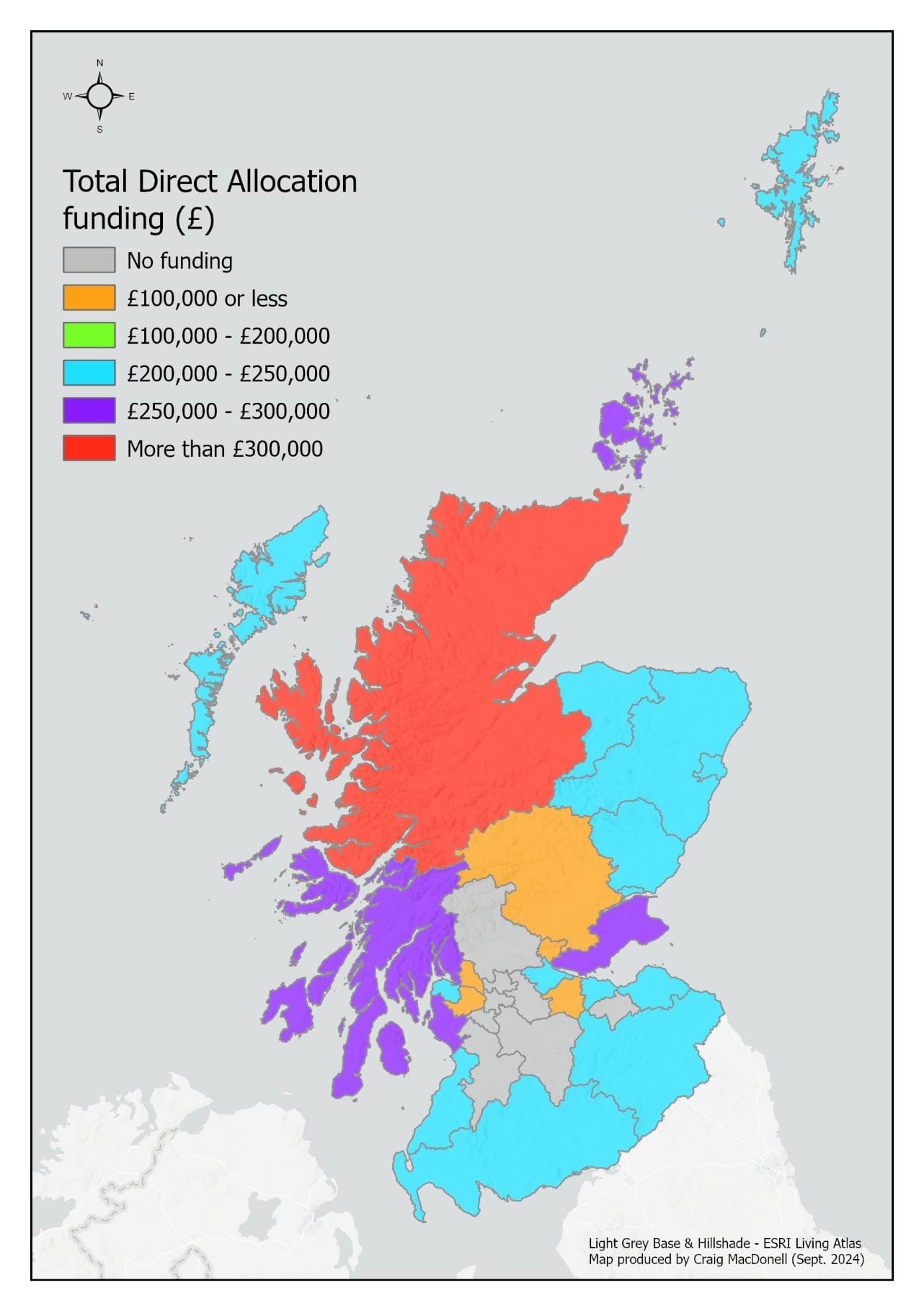
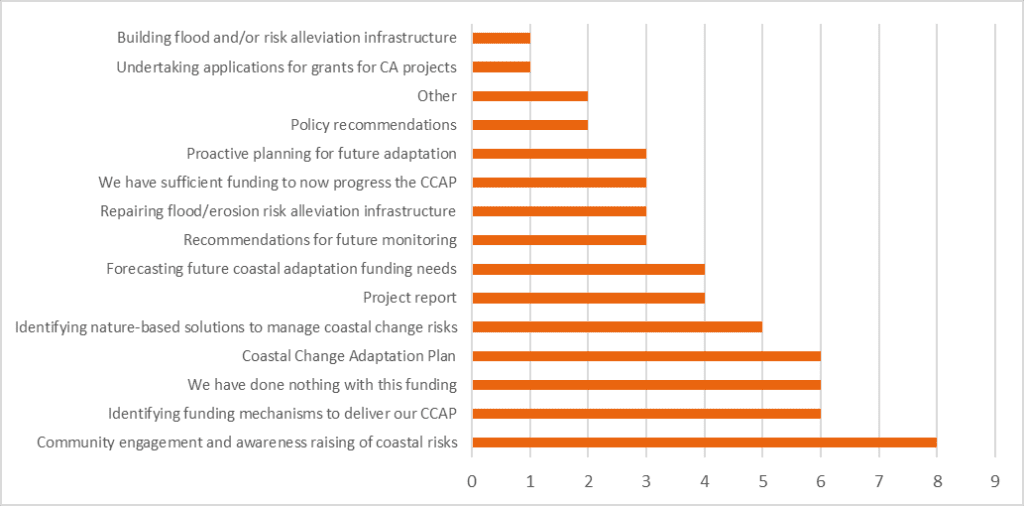
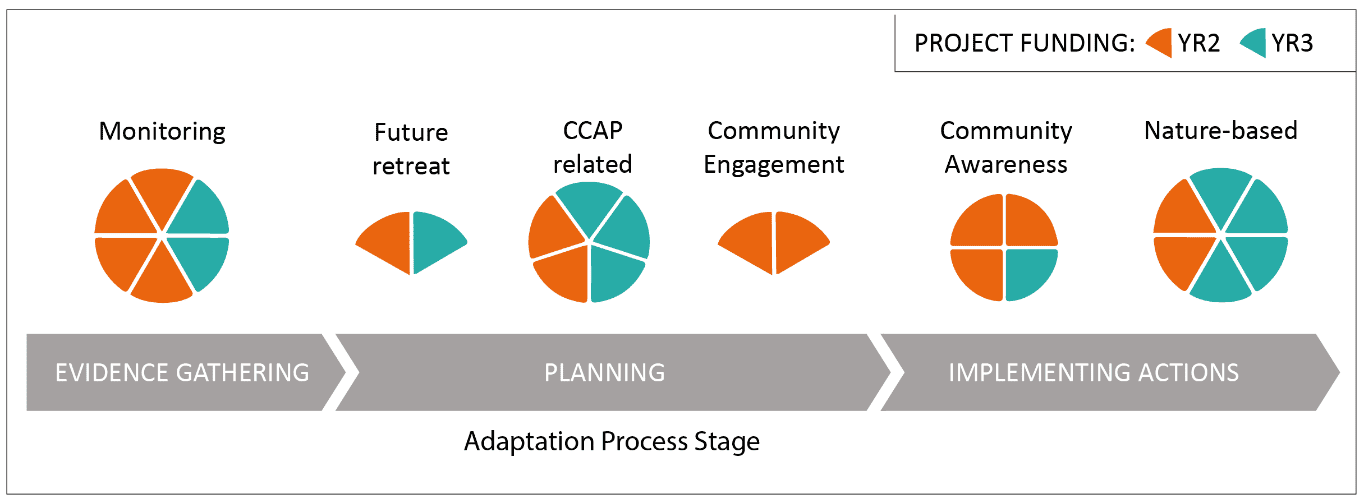






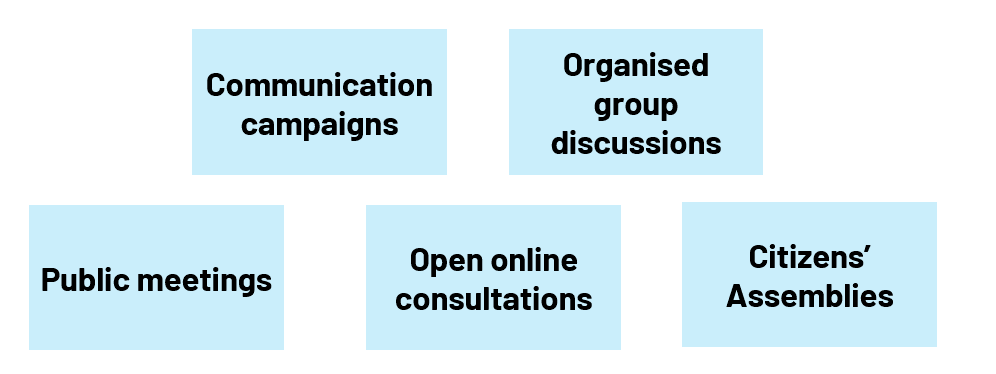





![A screenshot of a table which lists the potential benefits associated with an action to "undertake [...] research to better increase knowledge of the physical, social and economic impacts of climate change on the historic environment". Internal benefits could include better-informed decision-making. Wider benefits could accrue to the heritage and museum sectors once they disseminate the research.](https://www.climatexchange.org.uk/wp-content/uploads/2025/01/a-screenshot-of-a-table-which-lists-the-potential.png)


