
This information session on unconventional gas was run jointly by ClimateXChange, the Royal Society and the Royal Academy of Engineering for Scottish Government policy teams.
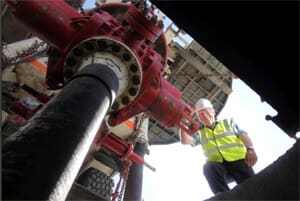 The distinction between ‘conventional’ and ‘unconventional’ islargely down to geology: conventional reservoirs are typically sandstones (and sometimes other hard rocks) whereas unconventional gas targets include rocks traditionally regarded as ‘source rocks’ rather than reservoir rocks, e.g shale, coal etc.
The first session focussed on the findings of last year’s joint academies review and what we know about unconventional gas resources.
The second session looked at risk and public consultation/engagement.
 The potential health impact on people living near wind turbines is a contested issue. This report analyses UK and international academic literature published in the last four years on the effects of wind turbines on human health.
The literature reviewed includes, amongst others, studies on noise, sleep disturbance, motion sickness-like symptoms and impacts of shadow flicker. It also looks at the strategies to reduce negative health effects, mostly from noise, used in different countries and the thresholds for noise and distance used.
The Scottish Government specified some of the literature reviewed. The University of Salford, who carried out the desk based analysis, also added other peer reviewed studies and publications.
Please use the links on the right to read comments we have received on the report and a follow-up reply from the authors.