

Mapping genetic performance improvement in Scottish livestock
Research complete: May 2026
DOI: https://doi.org/10.7488/era/7562
Executive summary
Aims
Scotland’s Vision for Agriculture sets a clear ambition to lead in sustainable farming (Scottish Government, 2022), creating a strong policy mandate for interventions that simultaneously improve productivity and reduce emissions. However, evidence remains limited on how far genetic progress and performance improvements over the past decade have already reduced methane emissions in Scottish livestock systems, and how these gains should inform future policy.
This research draws on recent evidence from academic and grey literature alongside engagement with industry stakeholders to examine genetic and performance improvement interventions in livestock production systems and assesses related improvements to productivity and methane emissions reduction. It identifies options for action, assesses their potential impacts, including via a high-level value-for-money assessment, and outlines key considerations for implementation and future research.
Key findings
We found three groups of promising interventions that can yield productivity improvements and emissions reduction in the Scottish beef sector:
- Breeding and genetics: selecting and breeding animals that are more efficient, more productive, and lower emitting. These approaches provide a long-term route to reduce emissions while improving efficiency, profitability, and product quality. Key strategies include microbiome-informed genomic selection, adding methane traits to breeding indexes, optimising replacement strategies, and selecting bulls over steers.
- Feeding, nutrition, and grazing management: optimising feed, diet composition, and grazing systems to improve productivity and reduce emissions. Evidence shows that strategies such as concentrate supplementation, high-starch or high-energy diets, inclusion of legumes, feed additives, and improved grazing management provide flexible and practical opportunities to improve efficiency, profitability, and sustainability.
- Lifetime productivity: improving output across an animal’s lifetime to increase efficiency and reduce emissions per kilogram of beef. Strategies include shortening calving intervals, raising calving rates, aligning calving with feed availability, and finishing animals earlier to reduce unproductive days, increase carcass output, and lower emissions intensity per unit of beef.
Conclusions
On a conservative basis, our value-for-money assessment suggests that the following package of interventions for the beef sector could deliver around £250 million in annual benefits to the Scottish economy:
- changes to cattle breed and type
- higher cow replacement rates
- concentrate feeding
- improved grazing management
- reduced slaughter age
This includes around £150 million per year in productivity gains and £100 million per year from reduced greenhouse gas (GHG) emissions intensity. In context, the Scottish beef sector currently generates around £620 million in gross value added (GVA). This is a preliminary assessment, with the potential applicability, uptake, costs and benefits of these interventions will need to be considered further. However, while costs have not been estimated in this analysis, the scale of the benefits over and above any reasonable cost amount implies that the package of interventions is likely to offer value for money. Further work is required to assess how these interventions could be delivered in practice, including likely uptake and adoption by Scottish farmers, the extent to which benefits identified can be realised in Scotland, and the role of government in enabling adoption. This should include consideration of farmer support needs, delivery timeframes, infrastructure development, and any unintended consequences. The role of the Scottish Government in supporting implementation will need to be explored further.
This research also highlights areas where stronger evidence could support better policymaking and help demonstrate benefits to the industry ahead of any future implementation. This includes more long-term, real-world data from Scottish farms, and improved monitoring to show whether impacts are sustained, identify trade-offs, and build confidence in low-emission practices. A better understanding of how outcomes differ across farm types, regions, and production systems would be useful, including the distribution of costs, benefits, and barriers to adoption. Better data standards and collection would improve comparability and help ensure future interventions are effective across the sector.
In light of these evidence gaps, continued monitoring and collection of data would be valuable to ensure that policy can be reviewed and refined in a timely manner as the evidence base evolves. This may involve some uncertainty around initial effectiveness, requiring policies to be monitored and refined over time in response to emerging evidence generated alongside implementation.
Abbreviations and glossary
3-NOP/Bovaer | methane-reducing feed additive |
Ad-libitum feeding | A feeding method where animals always have unrestricted access to feed |
AI | Artificial insemination |
AMP | Adaptive multi-paddock |
Beef sector | The industry focused on breeding and rearing cattle for meat |
BES | Beef Efficiency Scheme |
Bull | Uncastrated male cow |
CO2 | Carbon dioxide |
CO2e | Carbon dioxide equivalent |
Cow replacement rate | The proportion of a herd replaced annually by heifers entering the breeding herd |
Dairy sector in Scotland | The industry dedicated to milk production and processing in Scotland |
DMI | Dry Matter Intake |
Emissions intensity | Greenhouse gas emissions per unit of output (e.g., kg CO2e per kg of beef) |
EnviroBeef | A multi-trait breeding index that combines productivity and environmental traits (e.g., growth, fertility, carcass quality, methane emissions) into a single score to guide selection of lower-emission, high-performing animals |
Feed efficiency | How effectively an animal converts feed into weight gain or output |
Gene | A genetic sequence that contains information on specific traits |
Genetic evaluations/ Genetic selection | The process of predicting an animal’s genetic merit for specific traits using data, pedigree, genomics, and performance records |
Genetic traits | Specific characteristics that are genetically determined |
Genetics | The study of how genes are passed down from one generation to the next |
Genomic testing | Use of DNA testing to predict genetic merit, parentage, and performance traits |
GHG | Greenhouse gas |
Gross Value Added | A measure of the economic value of goods and services produced in a sector, industry, or region, calculated as the output minus the value of intermediate inputs. |
Heavy continuous grazing | A grazing system where livestock graze one area continuously at a relatively high stocking rate, meaning more animals per hectare. |
IPCC | Intergovernmental Panel on Climate Change |
Low continuous grazing | A grazing system where livestock graze one area continuously at a lower stocking rate, meaning fewer animals per hectare. |
Methane | A powerful greenhouse gas, a chemical compound with the chemical formula CH4 |
Methanogenesis | The biological process in the rumen where microbes (methanogens) convert fermentation by-products into methane gas, which the animal releases mainly through belching |
Methanogens | Microbes in the rumen that produce methane as a by-product of fermentation. They are the primary source of methane emissions from cattle |
Microbes | Microscopic organisms |
Microbiome | A collection of microbes that occur in the rumen (e.g., the largest stomach chamber of a cow) |
Mob grazing | A grazing system where cattle are stocked at very high density for a short time before being moved to fresh pasture, allowing long rest periods for regrowth |
Multi-species swards | Pastures containing several grass/legume/herb species rather than a monoculture |
MyHerdStats | An online herd performance monitoring tool used by Scottish cattle producers. It analyses fertility, growth, and management indicators using data from ScotEID |
Nitrate-based feed additives | Feed supplements containing nitrates that can reduce methane emissions by changing how nitrogen is processed in the rumen. They must be carefully managed due to toxicity risks if misused |
PGI | Protected Geographical Indication |
Precision-feeding | An agricultural strategy that delivers the exact amount and type of nutrients an animal needs, at the right time, to optimise performance while minimising waste, cost, and environmental impact |
Productivity intensity | Output per animal or per unit of input; often used in efficiency analysis |
REA | Rapid Evidence Assessment |
Residual feed intake | A measure of feed efficiency adjusted for growth and body weight |
Rumen fermentation | The microbial breakdown of feed in the rumen, which produces gases (including methane) and nutrients absorbed by the animal |
ScotEID | A national electronic livestock traceability and data platform. It records animal movements, identification, and health information for cattle, sheep, pigs, and other livestock across Scotland |
Selective breeding | Choosing animals that carry desirable traits to be bred so that the traits are passed on to their offspring |
Sexed semen | An artificial insemination technique in which sperm cells are sorted to increase the likelihood of producing a calf of a desired sex |
SG | Scottish Government |
Soil carbon sequestration | The process by which soils capture and store atmospheric carbon dioxide, often through improved grazing, plant diversity, and soil health practices |
SSBSS | Scottish Suckler Beef Support Scheme |
Starch-based diet | A diet containing higher levels of starch-rich feeds (e.g., cereals), which can reduce methane emissions by shifting rumen fermentation patterns and improving energy availability |
Steer | Castrated male cow; often preferred for meat quality, but grows slower |
Trait Index/Selection Index | A weighted combination of multiple traits (e.g., growth, fertility, methane) used to guide breeding decisions; includes specialised indexes such as terminal (carcass-focused) and maternal (female productivity-focused) |
VFAs | Volatile fatty acids: energy-rich compounds (e.g., acetate, propionate, butyrate) produced during rumen fermentation that contribute to growth and metabolism |
Introduction
Scotland’s ambition to reach net zero greenhouse gas (GHG) emissions by 2045 requires reform within the agricultural sector, as set out in the Climate Change Plan (Scottish Government, 2025). Livestock, particularly cattle, represent a major source of emissions, with livestock-emitted methane alone accounting for around 11% of Scotland’s total GHG emissions. Previous work funded by the Scottish Government, including a readiness assessment of methane-reducing technologies (Eory et al., 2022). Research on breeding for lower emissions (Jenkins et al., 2025) has begun to strengthen the scientific evidence base. However, a clearer pathway is now needed to build on this growing body of evidence and translate it into practical policy measures that can support sustained improvements across Scotland’s livestock sector.
The Scottish Government has set clear expectations for lowering emissions and improving livestock efficiency, as outlined in the Vision for Agriculture (2022) and the Agricultural Reform Route Map (2025a). However, there is still crucially limited evidence on the extent to which genetic progress and performance improvements over the past decade have already helped reduce methane emissions in Scottish livestock systems, and how these gains should shape future policy. Strengthening this evidence base, alongside understanding the barriers, opportunities, and likely impacts of future interventions, is essential for shaping a credible roadmap for methane reduction and productivity improvements that align with Scotland’s climate targets and wider agricultural reforms.
Research aims
This research aimed to address this gap by reviewing evidence from the past decade on genetic and performance improvement interventions in beef and dairy systems and assessing their contribution to improving productivity and reducing methane emissions. It identifies intervention options for future policy consideration, assesses their potential impacts, and outlines key considerations for implementation and future research.
The analysis focused on the beef and dairy sectors as the largest source of emissions in Scotland, and sought to address the following four research questions:
- What genetic improvement programmes and management interventions have been implemented over the past decade through government or industry-led initiatives?
- How have these interventions affected key productivity indicators?
- To what extent have improvements in these productivity indicators translated into reductions in methane emissions intensity?
- What evidence gaps remain in assessing the effectiveness of these interventions in reducing emissions and improving efficiency?
Methodology overview
To address the research questions, we adopted a mixed-methods approach combining an in-depth review of existing evidence with engagement from key industry and policy stakeholders. The first phase involved a Rapid Evidence Assessment (REA) to identify evidence of interventions that improve productivity and reduce emissions in the beef and dairy sectors. This focused on academic and grey literature over the past decade across Scotland and comparable countries. A detailed REA protocol was developed to define the scope of the review and to set out the search strategy, screening criteria, and quality assessment framework. The full protocol is provided in Appendix A.
The interventions identified in the literature were grouped into eight overarching categories to form the intervention long list. A detailed summary of the evidence for each category can be found in Appendix C. These categories were subsequently reviewed and validated through stakeholder engagement, comprising one workshop with 13 stakeholders and two one-to-one in-depth interviews. In consultation with stakeholders, we assessed the relevance and feasibility of each category and provided wider insights on: (i) current adoption of genetic and performance improvement strategies in Scotland, (ii) evidence gaps and research needs, (iii) implementation barriers and support requirements, and (iv) industry perspectives on future policy directions.
Stakeholder insights were consolidated with the REA findings to refine the long list into a focused short list of three promising types of interventions with the strongest evidence for improving productivity and reducing methane emissions. Feasibility and strategic relevance to the Scottish context were also assessed, alongside alignment with the research questions. The resulting short list of policy options being taken forward is as follows:
- Breeding and Genetics
- Feeding, Nutrition, and Grazing Management (combining “Feeding and Nutrition Management” and “Land and Pasture Management”)
- Lifetime Productivity (combining “Calving Systems” and “Age of Slaughter”)
To assess the potential implementation of each of these three interventions, we conducted a SWOT and PESTLE analysis, as well as a preliminary Value for Money (“economic”) assessment to estimate the potential scale of benefits to the Scottish economy from implementing each intervention.
The economic analysis draws on published evidence on the impacts of these interventions to estimate the possible impact they may have on productivity and emissions if implemented in Scotland. These impacts are then given monetary values to allow comparability of benefits to each other, as well as the potential cost of implementation. For example, monetised productivity benefits generally relate to increased beef weight per cow, therefore representing a possible increase in value to farmers, while monetised carbon and methane emissions represent intangible value that does not necessarily accrue to any specific individual.
The economic assessment is indicative as it assumes a stylised set of interventions being implemented. Further analysis of which interventions could feasibly be implemented in Scotland would be required, and therefore, the extent to which all benefits could be applicable. To account for this uncertainty, the analysis assumes only 10% of the benefits identified by published evidence would be realised. The full methodology is detailed in Appendix A.
Breeding and genetic initiatives
Overview
This intervention involves optimising the genetic potential within the herd to enhance productivity and reduce methane emission intensity across the Scottish livestock sector, specifically within beef production. This includes genetic selection and evaluation, use of advanced breeding technologies, and herd structure management to improve efficiency, fertility, and growth traits over time. Examples of such interventions include selective breeding, reducing cow size or weight, cattle type (bulls versus steers), cow replacement rate, sexed semen, rumen microbiome assessments, and estimated breeding values (EBVs).
The evidence suggests breeding and genetic interventions align well with the existing agricultural support structures in Scotland. The Beef Efficiency Scheme and MyHerdStats were cited as already creating a system for herd data collection and performance monitoring, which could be expanded in the future. However, more work is needed to make a broader range of interventions widely adoptable. For example, options include more complete and integrated data collection systems, greater access to user-friendly decision-making tools to translate performance and genetic information into breeding choices, and greater access to technologies such as genomic testing, microbiome assessments, and EBVs. These improvements may support more consistent and widespread adoption of breeding interventions, while recognising that such approaches may not be appropriate or feasible across all farm types.
The evidence review and stakeholder engagement indicate growing policy and industry interest in breeding and genetics as tools to improve productivity and environmental performance in the Scottish beef sector.
Interventions implemented by the government
The Beef Efficiency Scheme (BES) was launched in 2016 under the Scottish Government Rural Development Programme. This five-year scheme was designed to support beef producers in improving herd efficiency through the use of genetics, performance recording, and data management (Scottish Government, 2024). The BES required farmers to provide data on their herds, undergo a carbon audit, and have breeding animals genotyped. Farmers also identified management improvements to implement throughout their farms, such as improving growth rates, nutrition, or disease resistance.
The scheme established structured frameworks for herd-level data collection, performance monitoring, and advisory support. Between 2016 and 2022, the Scottish Government partnered with Neogen Europe to deliver genotyping services (Life Sciences in Scotland, 2019). DNA samples were processed to generate genomic predictions for traits including growth rate, maternal performance, and disease resistance. This work contributed to the development of the Beef Efficiency Scheme database, hosted within ScotEID, strengthening Scotland’s genetic and performance data infrastructure.
Beyond BES, core data infrastructure underpinning genetic evaluation includes the Cattle Tracing System (CTS), created in 1998 by the British Cattle Movement Service (BCMS) to track the births, deaths, and movements of cattle to improve disease control in the context of a bovine epidemic. CTS provides animal identity, pedigree, and movement data and underpins many genetic evaluation platforms. These datasets are critical for linking genetic, pedigree, and performance information across the national herd.
Interventions implemented by industry
Established in 2005 by SRUC, the Edinburgh Genetic Evaluation Services (EGENES) develops and delivers genetic improvement tools for livestock industries (SRUC, 2026). It provides genetic and genomic evaluations for UK dairy, beef, and sheep sectors on behalf of the Agriculture and Horticulture Development Board, as well as for breed societies and commercial producers, supporting ongoing improvements in livestock breeding.
In 2018, the Agriculture and Horticulture Development Board (AHDB) launched the National Beef Evaluations database, which provides estimated breeding values for key carcass and maternal traits based on national data from processors, breed societies, and cattle movement records. AHDB has also developed the EnviroCow and EnviroBeef genetic indices in 2021 and 2025, respectively. These were designed to improve environmental efficiency by identifying animals with lower emissions intensity without compromising productivity.
Quality Meat Scotland (QMS), a levy-funded body working closely with Scottish Ministers, has actively promoted genetic improvement across the sector. QMS delivered the Scotch Beef PGI Traceability and Performance project in 2021, which tested the use of maternal DNA to enhance both traceability and performance assessment (Quality Meat Scotland, 2021). This project estimated that improving key performance indicators through genetic selection, such as increasing the number of calves per 100 cows from 82 to 84 or reducing calf mortality from 6% to 5.88%, could generate industry values of £6.4 million and £4.1 million, respectively (Quality Meat Scotland, 2021). More recently, in 2024, QMS partnered with the Agri Food for Net Zero Network+ to explore breeding strategies that are cost-effective, practical, and aligned with Scotland’s net zero objectives to cut emissions while improving efficiency and animal welfare (AFN Network+, 2024). Findings showed that breeding approaches differ widely across farms, but highlighted strong potential for co-designed, data driven strategies, grounded in real farm data, to reduce emissions while maintaining productivity and welfare.
Research organisations have further strengthened the evidence base. Scotland’s Rural College and the SEFARI have conducted research funded under the Scottish Government Strategic Research Programme that resulted in the development of a livestock pedigree and genotype integration database (SEFARI, 2024). This dataset included over 123,000 genotyped animals across more than 40 breeds and extensive pedigree records, supporting analysis of genetic diversity, inbreeding, and long‑term breeding strategy development in Scotland. Research by SRUC indicated that incorporating residual feed intake into national breeding goals was estimated to increase economic response by 40% from £30.9 million to £43.4 million, and achieve greenhouse gas savings of 27% over a period of 20 years (Pritchard and Wall, 2019).
Additional tools support the integration of performance and environmental data. MyHerdStats, developed and supported by ScotEID in 2023, provides cattle keepers with consistent herd performance data to inform decision-making. Agrecalc, a privately developed carbon auditing tool used within the BES, links farm-level performance data with emissions estimates. While not a genetic dataset itself, it enables assessment of how improvements in productivity and breeding influence emissions intensity at the farm level.
Over the past 20 years, the Scottish beef sector has achieved substantial economic and environmental progress by using genetic data to refine herd performance. Between 2003 and 2023, consistent selection for specific traits has allowed cattle to reach market weights more quickly, which has lowered lifetime greenhouse gas emissions by as much as 10%. During this same period, carcass weights increased steadily as average genetic values rose from 4.3 kg below the UK average to 1.97 kg above it. Daily liveweight also improved from a loss of 0.01 kg per day to a gain of 0.007 kg per day (QMS, 2025).
Timeline
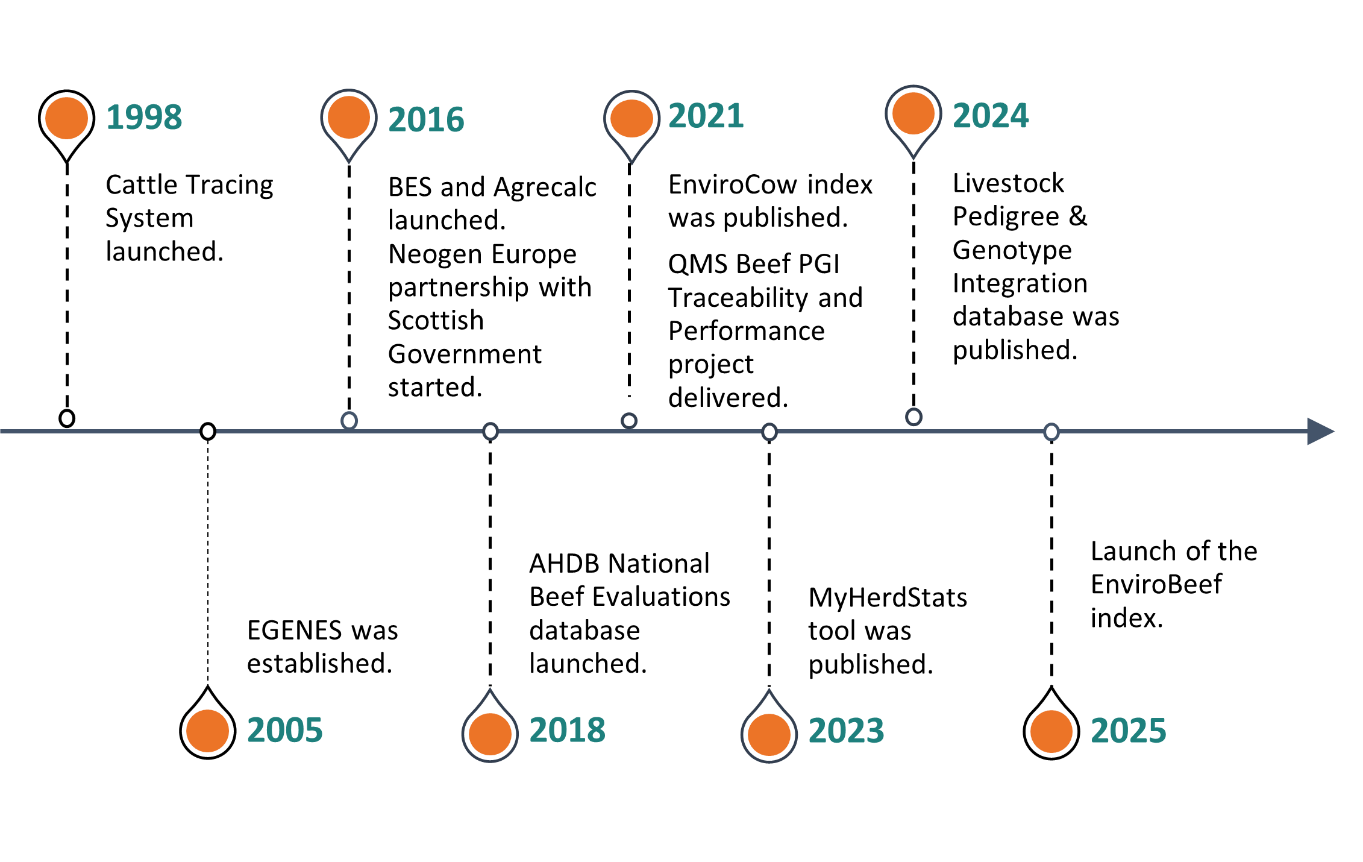
Figure 1 Timeline of breeding and genetic initiatives implemented by the government and industry
Productivity and emissions impacts
The evidence base indicates that several breeding and genetic interventions offer meaningful potential to reduce emissions intensity. The REA identified a total of nine papers that examined this type of interventions, spanning microbiome-informed genomic selection, incorporation of methane traits into breeding indices, and selection of cattle type for beef production.
Microbiome-based selection shows particularly strong potential. Scottish research led by SRUC identified large within-breed variations in methane emissions, ranging from around 170 g/day to over 330 g/day, driven by heritable differences in rumen microbial gene abundance (SEFARI, 2025). Selection based on microbial genes was estimated to reduce methane emissions by around 3% of the trait mean per year and increase finishing value by around £23 per animal over a 12-week period. Experimental evidence supports this, with microbial genes explaining around 88% of the variation in feed conversion efficiency in steers (Roehe et al., 2016).
While some studies, like the above, suggest that these genetic pathways may also deliver productivity gains, quantitative evidence on productivity outcomes is limited. Most of the identified evidence reports emissions reductions only, with little or no estimation of associated performance improvements. For instance, Martínez-Álvaro, Auffret, et al. (2022) suggest microbiome-informed selection could reduce methane emissions by 7% to 17% per generation. This study notes that the same genetic traits reducing methane emissions may also improve feed efficiency; however, no quantifiable productivity impacts are provided. Similarly, another study suggests that selecting for reduced methane production is complementary to traditional breeding strategies focused on growth and efficiency traits (Martínez-Álvaro, Mattock, et al., 2022).
Breeding index modelling by Eory et al. (2020) estimated that incorporating methane traits into Scotland’s national breeding objectives could deliver annual mitigation of 0.116 tonnes of carbon dioxide equivalent (CO2e) per beef animal, driven by correlating improvements in efficiency. Similarly, long-term modelling by Quinton et al. (2018) projected cumulative national emissions reductions of 5% to 9.5% over 20 years through sustained genetic progress in Ireland.
For interventions focusing on cattle selection, differences in cattle type were examined empirically by McGee et al. (2023), who found that bulls grew faster than steers (1.23 to 1.46 kg/day versus 1.00 to 1.28 kg/day), produced carcasses around 44 kg heavier, and achieved 8.7% lower emissions intensity, despite slightly higher emissions per head. Murphy et al. (2017) modelled consistent results across five production systems, with bulls potentially achieving higher lifetime growth and lower emissions intensity, at 8.5 to 8.9 kg of carbon dioxide equivalent (CO2e) per kg carcass for bulls compared with 14.9 kg of carbon dioxide equivalent (CO2e) per kg carcass for steers.
Overall, the evidence suggests breeding interventions can deliver durable reductions in emissions intensity while also improving feed efficiency, carcass output, and profitability, although productivity impacts are reported less consistently than emissions outcomes. However, given that greenhouse gas reductions are modelled rather than directly measured, these findings should be interpreted as indicative of relative improvements in emissions intensity rather than precise estimates of absolute reductions, which remain uncertain.
Economic impacts
This section summarises the indicative economic benefits resulting from the adoption of three stylised interventions identified in the literature under breeding and genetics:
- replacing all steers to bulls
- replacing all Aberdeen Angus to Limousin, and
- increasing the cow replacement rate from 18% to 20%.
The estimations are based on quantitative evidence identified through the REA and reflect modelling undertaken by the authors of this report using this evidence. Although the literature identified further interventions within breeding and genetics, only these three were included in the modelling, as they were supported by adequate quantitative data on productivity and emissions impacts. Further details on the methodology can be found in Appendix A.
Among the interventions modelled under breeding and genetics, increasing cow replacement is estimated to deliver productivity gains of approximately £4.1 million per year and emissions benefits of £2.9 million per year. Replacing all steers with bulls is associated with estimated emissions benefits of £7.8 million per year and productivity improvements of £1.9 million per year. Replacing all Aberdeen Angus to Limousin is estimated to yield emissions benefits of £5.63 million and productivity gains of £1.13 million per year. These specific breeds were selected for the model because the literature identified in the REA provided the sufficient quantitative data and numerical estimates required to calculate these impacts. While this demonstrates significant potential, it is recognised that further work is required to achieve a comprehensive picture on the merits of breed selection.
The comparatively lower figures for the interventions targeting cattle type or breed reflect that these measures apply only to a subset of the total cattle population (22% and 19%, respectively), whereas increasing cow replacement rate would affect the entire herd. Notably, type and breed-specific interventions are estimated to generate proportionally greater benefits from emissions reductions than from productivity improvements, suggesting their primary impact is environmental rather than on output. Table 1 summarises the results. Note that these findings should be interpreted as indicative, with a number of caveats; further details on the limitations of the analysis are provided in Appendix A.
Table 1: Indicative economic benefits from reduced emissions intensity from selected breeding and genetics interventions. Source: McGee et al. (2023), 2 Roehe et al. (2016), 3 Taylor et al. (2020).
Intervention group | Intervention | Productivity benefit (per annum) | Emissions benefit (per annum) |
Type of cattle | Replacing all steers to bulls1 | £1.9m | £7.8m |
Between breed selection | Replacing all Aberdeen Angus to Limousin2 | £1.1m | £5.6m |
Cow replacement rate | Increasing cow replacement rate from 18% to 20%3 | £4.1m | £2.9m |
SWOT and PESTLE findings
We conducted two detailed analyses of the results:
- strengths, weaknesses, opportunities and threats (SWOT) and
- political, economic, social, technological, legal and environmental
A summary of findings from these analyses is presented below, drawing on both stakeholder perspectives with insights from the literature. These provide a structured assessment of implementation strengths and weaknesses, external drivers and constraints, and wider policy, economic, and regulatory factors relevant to each intervention. A detailed write-up is provided in Appendix D.
SWOT analysis
Table 2: SWOT analysis for breeding and genetic initiatives
Strengths |
|
Weaknesses |
|
Opportunities |
|
Threats |
|
PESTLE analysis
Table 3: PESTLE analysis for breeding and genetic initiatives
Political |
|
Economic |
|
Social |
|
Technological |
New technologies help farmers select low-methane animals while maintaining productivity. MyHerdStats system helps farmers track herd traits like growth, fertility, and feed efficiency to inform breeding decisions. Rumen microbiome assessments identify animals with naturally lower methane production. Improved genetic evaluations and data systems calculate EBVs for multiple traits, including methane. Clear, real-world examples increase farmer confidence and encourage adoption of low-emission breeding. AI and genomic testing in the dairy sector show how technology can drive genetic progress within the beef sector. Ongoing research and farm trials demonstrate practical benefits for productivity, herd health, and emissions. |
Legal |
|
Environmental |
|
Implementation support options
Stakeholders recommend investing in high-quality data collection for herd performance, genetics, and methane emissions to support effective mitigation. Expanding national datasets, like ScotEID MyHerdStats, and integrating regional initiatives, like the BES, into UK-wide infrastructure, is essential for creating consistent, long-term information on herd performance and genetics. This integrated approach would provide a user-friendly platform to combine livestock data with emissions measurements, ensuring more reliable monitoring and decision-making across the sector.
Accurate EBVs and breeding metrics depend on robust models and consistent, high-quality data, especially for subjective traits like calving ease and docility. Reliable data improves confidence in EBVs and supports better breeding decisions. Stakeholders also stressed the need for balanced breeding goals, warning against focusing too narrowly on KPIs and highlighting the importance of considering both reproduction and meat production to safeguard herd health.
Stakeholders emphasised that farmers need accessible tools and clear guidance to make informed breeding decisions. User-friendly platforms such as Herdwatch can turn complex data into practical insights, support benchmarking, and link supply chain information. However, tools must be tailored to Scottish systems, clearly demonstrate measurable benefits, and pose no risk to performance or profitability if they are to be widely adopted. Linking them with national datasets and incentive schemes could further encourage uptake and support genomic evaluation.
Improving access to technologies such as sexed semen, testing facilities, and advanced equipment is also essential, particularly in rural and island areas where availability remains uneven. Stakeholders highlighted the need for fair access, strong evidence of benefits, and clear communication. They also noted that competition from international breeding companies can drive innovation and encourage adoption of lower-emission breeding approaches, supporting long-term industry progress.
Evidence gaps and research priorities
Stakeholders stressed the need to rigorously test low-emission breeding strategies in real commercial herds. Much of the current evidence identified by the REA is based on pedigree animals or modelled averages, which may not reflect the range of climate, nutrition, and management conditions on typical farms. Sector-wide trials and adaptive on-farm testing, supported by appropriate risk compensation, would help ensure results are practical and avoid unintended consequences.
Most research focuses on emissions intensity, with limited evidence on long-term productivity. Traits such as growth, fertility, carcass quality, and economic returns are rarely tracked over multiple production cycles, leaving uncertainty about whole-farm impacts. Long-term monitoring is therefore essential to build confidence and demonstrate both environmental and performance outcomes.
Stakeholders also highlighted the value of balanced selection tools, such as EnviroBeef, which combine emissions, productivity, and welfare traits. Further research is needed on the role of genetics and the inherited gut microbiome in methane production. Improving the accuracy, accessibility, and usability of genomic evaluations and methane-related breeding values will be key to supporting informed decisions and sustained genetic progress.
Feeding, Nutrition, and Grazing Management
Overview
This intervention group involves optimising the quality, composition, and use of feed and forage resources to improve productivity and reduce methane emissions in beef production. This includes feed composition and dietary strategies, feed efficiency and utilisation, grazing systems and pasture management, and soil and land management. Intervention examples include starch-based diet, finishing diet strategy, grass-only versus grass plus concentrate supplementation, feed efficiency, rotational grazing, adaptive grazing, integrating legumes, and soil fertility and drainage.
Feeding, nutrition, and grazing interventions sit within a policy landscape where no mandatory requirements currently exist for feed choice or grazing strategy. Nevertheless, several measures align well with Scotland’s existing support programmes. The SBCS encourages practices such as increasing legumes in the sward, enhancing botanical diversity, and adopting rotational or paddock-based grazing, all of which were highlighted as having potential to reduce emissions while improving soil health and pasture resilience.
Interventions implemented in Scotland
Efforts from the Scottish Government and the beef production industry have supported the development of tools and programmes designed to reduce emissions while maintaining productivity through improved nutrition, feeding strategies, and grazing management.
Interventions implemented by the government
The Beef Efficiency Scheme (BES), in addition to its genetic component, requires participants to assess the whole-farm performance. The scheme involves carbon audits and identification of potential herd-level management improvements, such as changes in feeding strategies and forage utilisation.
The Preparing for Sustainable Farming programme, introduced in 2022, further strengthens this focus by providing financial support for farmers to undertake soil analysis and carbon audits (Scottish Government, 2023b). Improved soil fertility and grassland productivity can enhance forage utilisation and reduce reliance on purchased concentrates, contributing to both economic and environmental objectives.
In 2020, the Suckler Beef Climate Scheme (SBCS) was launched in Scotland. It was developed as a scheme to support farmers to adopt evidence-based practices to reduce net greenhouse gas emissions from suckler beef systems by improving soil and grassland management and enhancing on-farm efficiency (Scottish Government, 2020). Interventions include increasing legumes within the sward to replace synthetic nitrogen fertiliser, increasing botanical diversity to improve soil structure and resilience, and considering adopting either rotational or continuous grazing systems. Independent modelling of the scheme’s recommendations indicates a potential to cut farm-level carbon emissions by up to 37.6% (Bell et al., 2021).
Interventions implemented by industry
Industry bodies and research organisations have also played an important role in advancing feeding, nutrition, and grazing management practices across the Scottish beef sector. Quality Meat Scotland (QMS) launched the Better Grazing initiative in 2017, which supports farmers in identifying opportunities to improve their utilisation of grazed grass as a low-cost feed option and increase meat output per hectare (Quality Meat Scotland, 2017).
The Monitor Farm Scotland Programme is a farmer-led national initiative that supports improvements in the profitability, productivity, and sustainability of Scottish farm businesses. It is jointly managed by QMS and AHDB, with funding from the Scottish Government (Monitor Farm Scotland, 2026). The programme uses commercial host farms to trial and demonstrate best practice, such as rotational grazing systems. One case study farm reported a 30% increase in production and a £75,000 rise in sales between 2017 and 2019 after adopting rotational grazing, which increased livestock numbers and improved production efficiency (Monitor Farm Scotland, 2019).
The Strategic Research Programme is funded by the Scottish Government to support research across agriculture, environment, food and land use. Research delivered by SRUC and the SEFARI under this programme has included work on precision nutrition, examining how alternative forage and dietary strategies, such as the inclusion of white clover and high sugar or high lipid grasses, influence enteric methane emissions and overall system performance (Duthie et al., 2024). Findings indicate that feeding high lipid grasses can reduce methane emissions by around 37% per animal per day, while multispecies sward diets can achieve reductions of up to 15%.
GrassCheckGB is a UK-wide grassland monitoring initiative launched in 2019. It involves around 50 beef, sheep, and dairy farms that collect weekly measurements of grass growth, grass quality, and local weather conditions throughout the grazing season to support improved pasture management and utilisation (GrassCheck GB, 2022). By providing timely, high-quality grass growth and quality information, the project helps livestock producers make informed decisions on grazing, forage use, and grassland planning to drive productivity and sustainability in grass-based livestock systems.
Furthermore, the continued use of Agrecalc, a farm carbon calculator, allows producers to link specific feed rations to their greenhouse gas outputs, providing a clear metric for how nutritional improvements directly contribute to Scotland’s Net Zero targets.
Timeline
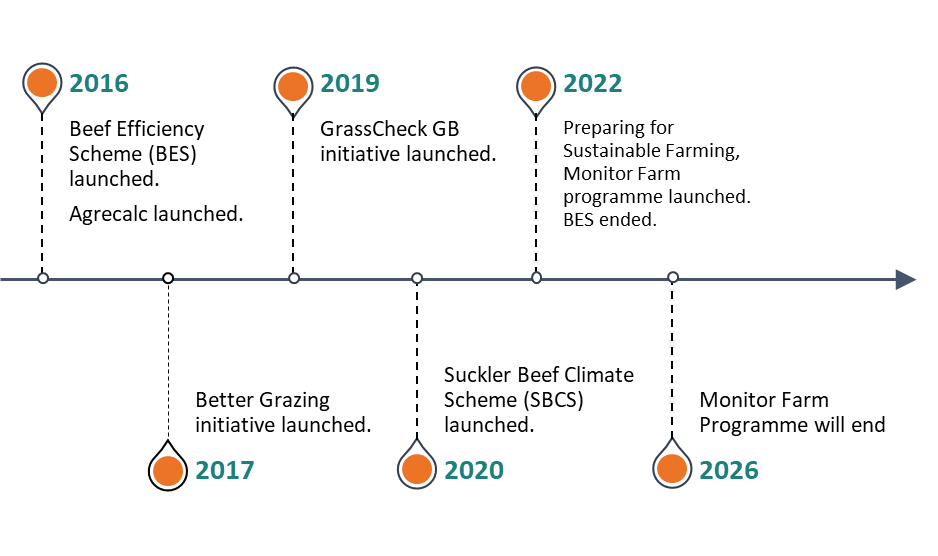
Figure 2 Timeline of feeding, nutrition, and grazing management initiatives implemented by the government and industry
Productivity and emissions impacts
Evidence and expert insight on feeding, nutrition, and grazing management show a varied but broadly encouraging potential to reduce emissions while supporting or improving productivity. The REA identified ten papers examining these interventions.
Concentrate supplementations
Integrating concentrate supplementation into the diet was frequently associated with improved productivity and reduced emissions intensity. For example, McGee et al. (2023) modelled 3.2 kg/day of concentrates for 97 days, increasing average daily gain (ADG) by 0.36 kg/day. At the system level, pasture-only management showed 4.1% higher GHG emissions intensity than supplemented systems. Supplementing male cattle only increased carcass weight per hectare by 8.1% and reduced emissions intensity by 10% (kg CO2e per kg carcass). However, the model assumed greater concentrate absorption efficiency, largely driving the methane reduction, meaning results may reflect model structure rather than measured performance.
In Scotland, Roehe et al. (2016) found steers fed high-concentrate diets consumed around 10% more dry matter but emitted approximately 30% less methane, due to improved rumen fermentation efficiency. This suggests methane reductions were linked to digestive efficiency rather than lower intake, though effects likely vary by system and diet.
Concentration volume and type also act as important confounding factors. Murphy et al. (2017) modelled finishing systems for bulls and found that continuous concentrate feeding was associated with 19% lower emissions intensity and 24.9% higher carcass output per hectare compared with supplemented pasture finishing. However, productivity gains in some systems rely on substantially higher feed inputs, which may offset emissions benefits.
Similarly, Taylor et al. (2020) modelled high- and low-average daily gain (ADG) systems. Higher ADG increased slaughter weight and profitability but also raised emissions per kilogram of output due to greater feed demand. When feed intake was held constant, higher ADG doubled productivity and reduced emissions by 3.9 kg CO2e per kg carcass. As a model-based study, these results depend heavily on built-in assumptions about intake and growth.
Overall, while concentrate supplementation often appears to improve productivity and reduce emissions intensity, caution has to be taken when analysing results as many findings are model-based and sensitive to assumptions. In addition, upstream emissions from concentrate production are not always clearly accounted for in whole-system comparisons.
Forage-based approaches
Forage-based approaches, such as increasing clover or other legumes within the sward, were consistently discussed as a route to reducing emissions, for example, by lowering the need for synthetic nitrogen fertiliser. While these measures were not cited as direct drivers of productivity, there is evidence that they can maintain or improve pasture yields and reduce input costs, thereby improving margins and lowering emissions intensity. For instance, Kearney et al. (2023) found that introducing clover into finishing diets increased net margin by between 13% and 25%, and reduced emissions intensity by between 4% and 8%.
Starch-based diets
Starch-based diets were also found to reduce enteric methane formation by 0.162 tonnes of carbon dioxide equivalent (CO2e) per head per year at no additional cost, although the magnitude of the effect depends on the type and proportion of starch supplied (Eory et al., 2020). Feed additives such as 3-NOP were also viewed as effective in reducing methane, though cost remains a limiting factor for beef systems. Eory et al. (2020) found that feed additive 3-NOP could reduce emissions by 0.423 tonnes of carbon dioxide equivalent (CO2e) per head in beef cattle.
Nitrate-based additives
Nitrate-based additives also demonstrated mitigation potential, but with greater performance variability and lower financial attractiveness. Richardson et al. (2019) reported results from two experiments. In the first, using a mixed forage concentrate diet for Charolais and Luing steers, nitrate reduced methane emissions from 25.1 to 20.6 g CH4/kg dry matter intake and lipid reduced methane emissions from 25.1 to 23.1 g/kg dry matter intake. In the second experiment, involving Aberdeen Angus × Limousin steers fed a single mixed basal diet, nitrate supplementation reduced methane emissions from 24.0 to 22.1 g of methane (CH4) per kg of dry matter intake, lipid supplementation reduced it to 23.4 g of methane (CH4) per kg of dry matter intake, and the combined treatment achieved the largest reduction at 20.9 g of methane (CH4) per kg of dry matter intake.
Grazing management
Grazing management was widely recognised as an important lever for reducing emissions and delivering broader environmental benefits. Evidence from Scotland suggests that improved sward management and legume inclusion can contribute to emissions reductions (Scottish Government, 2025c). For example, legume inclusion can reduce nitrate oxide emissions by up to 60% through lower fertiliser use (Jensen et al., 2011), while Bell et al. (2021) suggested that improved sward management can reduce emissions intensity by around 6.3%.
Evidence found also suggested that more intensive grazing systems are often more productive and generate lower emissions per unit of output. However, no single system consistently outperforms others once soil carbon sequestration is considered. Alemu et al. (2017) found that high continuous grazing systems produced between 30% to 46% more kilograms of carcass weight per hectare and emission intensity 7% to 9.2% lower than light continuous grazing. However, when soil sequestration was taken into account, emission intensity for light continuous grazing falls by between 12% to 25%, narrowing the differences between light and high continuous grazing systems.
Findings from Stanley et al. (2018) found that feedlot finishing achieved higher productivity than Adaptive Multi Paddock (AMP) grazing, with finishing completed 29.3 days sooner, double the average daily gain, and a carcass weight of 406 kg compared to 280 kg for AMP. Feedlots also had lower direct emissions intensity at 6.09 kg CO2e per kg carcass weight, versus 9.62 kg CO2e for AMP. However, AMP systems sequestered 3.59 Mg carbon per hectare per year, resulting in net emissions of −6.65 kg CO2e per kg carcass weight after accounting for soil carbon, compared to 6.12 kg CO2e for feedlots. These results indicate that including soil carbon can significantly change assessments of emissions performance. The study relied on IPCC model projections, where emissions are directly linked to growth. Consequently, emissions and growth always change together, so the models cannot determine if productivity improvements alone would reduce GHG emissions. Overall, the discussion suggested that feeding and grazing changes can make meaningful contributions to emissions reduction, but the scale and nature of benefits depend strongly on local conditions and implementation choices.
When studies rely on models, these models might use fixed, predefined relationships. This limits their ability to capture how emissions might respond independently to changes in management or productivity, reducing their usefulness for assessing potential environmental benefits of performance improvements in real-world settings.
Beyond the findings from individual case studies and programme evaluations, no further evidence was identified linking these feeding and grazing changes to wider, national-level improvements in the performance of Scotland’s herd. The available information focuses mainly on participating farms and projected outcomes, rather than whole-country data.
Economic impacts
This section summarises the indicative monetary benefits resulting from the adoption of four feeding, nutrition, and grazing management interventions identified in the literature:
- supplementing male cattle diets with 3.2 kg DMI of concentrate,
- providing bulls with an ad-libitum concentrate diet at finishing,
- feeding steers a 92% concentrate diet, and
- shifting from low continuous grazing to heavy continuous grazing.
The estimations are based on quantitative evidence identified through the REA and reflect modelling undertaken by the authors of this report using this evidence. Although other interventions were also identified in the literature, only these four were modelled, as they were supported by quantitative data suitable for estimating changes in emissions intensity, and, where available, productivity. Further details on the methodology can be found in Appendix A.
These estimates show that switching from a low to a heavy continuous grazing system would yield the largest benefits among those modelled in this intervention group, with productivity gains of approximately £100 million per year and emissions-related benefits of nearly £36 million per year. Notably, this is the only intervention in this set where productivity gains exceed the corresponding value of emissions reductions. Estimated annual emissions benefits range from around £9.6 million for moderate concentrate supplementation to approximately £5.0 million for steers and £2.8 million for bulls under higher-concentrate diets. Corresponding productivity benefits are estimated at £4.6 million for moderate supplementation, compared with £2.2 million for bulls receiving higher concentrate levels. Notably, the results do not suggest that increasing concentrate dosage delivers proportionately greater productivity or emissions improvements, indicating diminishing returns at higher levels of supplementation.
Although soil carbon sequestration can substantially influence the emissions impact of grazing interventions, our analysis focuses only on direct emissions. This aligns with the approach taken for all other interventions, which also model emissions intensity without accounting for sequestration.
As anticipated, the benefits associated with concentrate-based interventions are smaller in absolute terms, reflecting that these measures apply only to male cattle, which are estimated to account for around 26% of Scottish beef production. However, the scale of benefits is not proportional to population size alone, indicating that moving to heavy continuous grazing has a relatively strong effect on productivity and emissions outcomes for the cattle to which it is applied. It should be noted that, in our model, concentrate-based interventions are applied only to male cattle, as the evidence base in the literature is related exclusively to male cattle. Table 2 summarises these results.
Table 4: Indicative economic benefits from reduced emissions intensity from selected feeding, nutrition, and grazing interventions
Intervention group | Intervention | Productivity benefit (per annum) | Emissions benefit (per annum) |
Concentrate: moderate dosage | Supplementing feed for male cattle with 3.2 kg DMI of concentrate1 | £4.6m | £9.6m |
Concentrate: high dosage | Feeding bulls an ad libitum concentrate diet at finishing2 | £2.2m | £2.8m |
Concentrate: high dosage | Feeding steers a 92% concentrate diet3 | N/A | £5.0m |
Grazing strategy | Switching from low continuous grazing to heavy continuous grazing4 | £101.5m | £35.8m |
Sources: McGee et al. (2023), 2 Murphy et al. (2017),3 Roehe et al. (2016), 4 Alemu et al. (2017).
SWOT and PESTLE findings
A summary of findings from the SWOT and PESTLE analyses is presented below, drawing on both stakeholder perspectives with insights from the literature. These provide a structured assessment of implementation strengths and weaknesses, external drivers and constraints, and wider policy, economic, and regulatory factors relevant to each intervention. A detailed write-up is provided in Appendix D.
SWOT analysis
Table 5: SWOT analysis for feeding, nutrition, and grazing interventions
Strengths |
|
Weaknesses |
|
Opportunities |
|
Threats |
|
PESTLE analysis
Table 6: PESTLE analysis for feeding, nutrition, and grazing interventions
Political |
|
Economic |
|
Social |
|
Technological |
|
Legal |
|
Environmental |
|
Implementation support options
Stakeholders emphasised the need for targeted policy support to promote low-emission feeding and grazing practices, including subsidies for multi-species sward seeds, legume integration, and precision-feeding technologies. Stakeholders’ views differed on incentives: some considered subsidies essential, while others believed farmers should bear the costs to ensure proper valuation of inputs. External factors such as market conditions, prices, and feed availability were recognised as major influences on feeding decisions. Practical constraints in stratified systems, where not all farmers can change diets at every stage, were also noted. Stakeholders stressed the importance of considering the unintended consequences of dietary changes, particularly impacts on biodiversity and broader environmental outcomes.
Improving access to practical, low-cost tools for monitoring emissions from feeding and grazing was identified as a priority. Existing measurement methods are considered expensive and difficult to use, highlighting the need for simple digital tools that present emissions and productivity data in a format farmers can easily understand. Additional barriers to optimising feeding systems include limited agronomic advice, a lack of suitable seed, and the high cost of soil testing. Soil pH correction with lime was identified as a highly effective but underused solution, largely because it is not seen as innovative or new.
Stakeholders discussed mitigation options, including authorised feed additives such as Bovaer. However, adoption remains limited due to cost, social licence concerns, and restricted applicability in beef systems. Feed efficiency was also connected to breeding objectives, with interest in selecting animals that produce more with less feed. This highlights the value of win-win solutions across intervention categories.
Evidence gaps and research priorities
Stakeholders identified a need for further research on diet composition and feed efficiency. Key priorities are evaluating starch-based finishing diets, grass-only systems, and forage-concentrate combinations, as well as clarifying how diet-related methane outcomes vary with genetics, animal type, and starch levels. Stakeholders also noted that grass quality varies significantly between years and that methane emissions are typically estimated rather than directly measured, making it difficult to separate nutritional from genetic effects. Additional research is required to understand how feed-efficiency traits relate to breeding, such as selecting cattle with lower feed intake per unit of growth.
Further research is needed on the rumen microbiome and its relationship with diet. Experts noted the challenge of separating dietary effects from genetic influences, as dietary changes and microbial shifts are closely connected. There is interest in whether the microbiome can predict diet-driven methane emissions, since microbial analysis offers the most accurate measure of methane output. Stakeholders also stressed the importance of exploring ways to manipulate rumen flora, especially methanogenic archaea, because dietary strategies or supplements that reduce these populations may directly lower emissions. Reducing methane-producing microbes may also improve productivity by conserving more energy for the animal.
Stakeholders emphasised the need for research on pasture and land management, including mixed swards, legumes, and herbal leys. While some soil data has been collected, it remains underutilised. Further research is needed to clarify the effects on forage quality, fertiliser use, and sustainable grazing. Stakeholders also identified knowledge gaps in emerging production systems, such as mob grazing, especially regarding their impact on methane emissions. Improved understanding of the interactions among genetics, diet, environment, and grazing practices would support the development of more efficient, lower-emission systems.
Lifetime productivity
Overview
This intervention involved maximising productive output over an animal’s lifetime to improve efficiency and reduce methane emissions in beef production. This involves reproductive efficiency, growth and development management, and finishing strategies to reduce unproductive days and enhance overall system performance. Intervention examples include calving intervals, age of slaughter, age at first calving, rearing efficiency, and finishing age.
Calving interval, calving rate, and age at slaughter are key metrics that align closely with Scotland’s agricultural support frameworks. The Scottish Suckler Beef Support Scheme (SSBSS) uses the 410-day calving interval requirement as a minimum fertility standard, providing a clear benchmark for herd performance within coupled support. These measures are also recognised in the SBCS, where calving interval, calving rate, and earlier slaughter age act as levers to improve herd management, reduce emissions intensity, and enhance technical efficiency.
Interventions implemented in Scotland
The Scottish Government and industry stakeholders have supported several interventions and research programmes and tools with the aim of improving reproductive and finishing efficiency in the beef production sector.
Interventions implemented by the government
A major initiative is the Scottish Suckler Beef Support Scheme (SSBSS) that provides financial support to farmers who produce calves. From 2025, the scheme incorporated a calving interval condition requiring calves to be born to dams with a calving interval of 410 or less. This measure was designed to improve reproductive efficiency by reducing the inter-calving intervals and lowering the feed emissions required per unit of breed produced (Scottish Government, 2025c).
Historically, the Beef Efficiency Scheme (BES) laid the groundwork for these metrics by requiring participants to record weaning weights and daily liveweight gains, creating a massive dataset for rearing efficiency. The foundational Cattle Tracing System (CTS) provides the longitudinal birth-to-death records necessary to benchmark finishing ages at a national scale. By monitoring these specific dates, the government can track the industry’s transition toward a faster, more efficient lifecycle that aligns with national climate mandates.
Interventions implemented by industry
Industry and research bodies have complemented government efforts through data-driven tools, benchmarking studies, and applied research. The ScotEID platform and the MyHerdStats tool automatically pull data from birth, movement, and death registrations to provide farmers with automated reports on their age at first calving and average age at slaughter.
The Agriculture and Horticulture Development Board (AHDB) manages the National Beef Evaluations database, which calculates estimated breeding values (EBVs) for traits such as age at first calving, days to slaughter, and other performance indicators that affect rearing efficiency and finishing age. Since 2022, this database has also included maternal EBVs for age at first calving, productive lifespan, and calf survival, supporting selection for improved reproductive performance across the national herd. The EnviroBeef index, published in 2025, includes days-to-slaughter EVBs, which allows producers to genetically select animals that reach target weights faster, which in turn improves finishing age.
QMS long-term genetic trend data (2003–2023) shows that targeted industry promotion of EBVs has improved the national average for “days to slaughter” from 9.11 days above the mean to 7 below the UK baseline, a shift that directly correlates with lower lifetime methane emissions per animal. Similarly, the genetic trend for age at first calving improved from 3.14 days above the mean to 7.82 days below it. This shift toward earlier calving increases lifetime output and reduces the total greenhouse gas emissions attributed to each calf produced. Additionally, calving intervals maintained an overall trend toward improved reproductive health. By optimising the time between births, producers can increase total offspring per cow, which effectively lowers the environmental impact per unit of beef (QMS, 2025).
Timeline
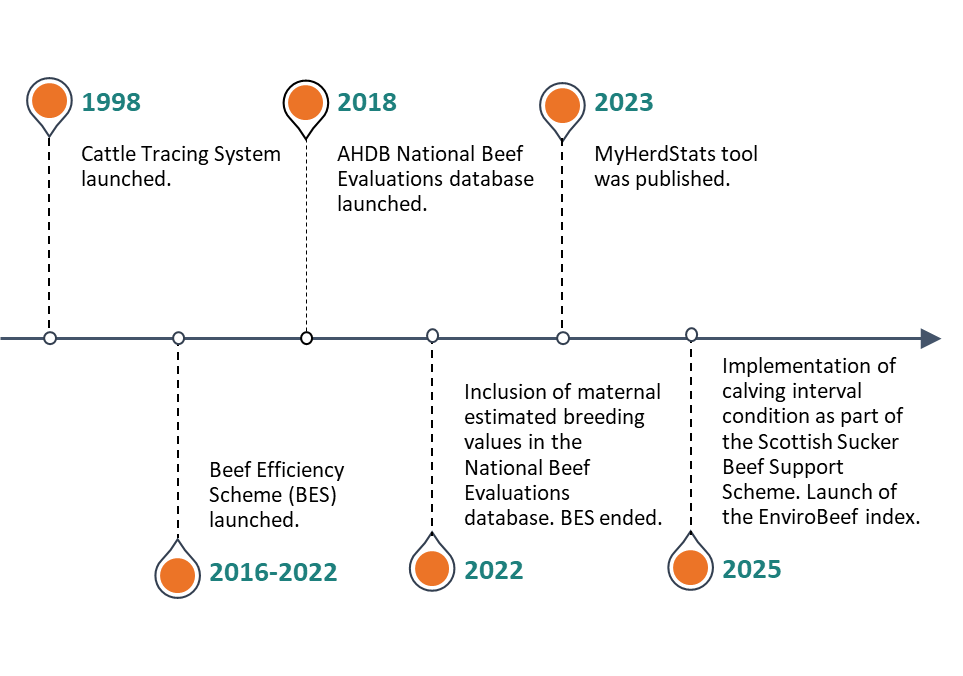
Figure 3: Timeline of lifetime productivity interventions initiatives by the government and industry
Productivity and emissions impacts
This section draws on evidence from the literature and our economic modelling to describe the impacts of calving systems and age at slaughter on emissions intensity and productivity in beef systems. The REA identified five papers examining these interventions. Evidence from the literature and stakeholder insight indicates that reducing calving intervals, increasing calving rates, and lowering slaughter ages can reduce emissions intensity, assuming the total cattle population remains constant.
It is worth noting that all estimates of emissions intensity in the identified literature for these interventions are based on modelling. The main models used are the ADAS/SRUC Smart Inventory model and the BEEF Systems GHG emissions model, which simulate emissions reductions under different farming practices. As such, estimates are derived from fixed, predefined relationships incorporated in these models, which is an important consideration when interpreting the results.
Calving systems
Shorter calving intervals and higher calving rates improve biological efficiency by reducing non-productive days and increasing output from the existing herd, which lowers emissions per kilogram of carcass. At the same time, these measures can deliver productivity gains by increasing total carcass output. However, where improvements in fertility or herd performance led to an increase in the number of animals, total emissions may rise even as emissions intensity falls.
In Scotland, analysis of national Cattle Tracing System data shows that suckler herds have average calving intervals of around 400 days, above the 365-day benchmark. It was found that reducing the national mean calving interval by five days was estimated to cut emissions by 12.5 kt of carbon dioxide equivalent (CO2e) per year, equivalent to 39 kg of carbon dioxide equivalent (CO2e) per cow (Thomson et al., 2023). Reflecting this evidence, from 2025, cows must achieve a calving interval of 410 days or less for their calves to qualify for payments under the Scottish Suckler Beef Support Scheme, explicitly linking agricultural support to reproductive efficiency and national emissions reduction objectives (Scottish Government, 2025c).
Modelling from Ireland further shows that increasing calving rates from 75% to 85% reduces emissions intensity through a strong dilution effect, with each one percentage point increase lowering emissions intensity by 0.04 kg of carbon dioxide equivalent (CO2e) per kg carcass, despite higher total emissions as output expands (Taylor et al., 2020).
Age of slaughter
Evidence also shows that reducing slaughter age can deliver substantial emissions intensity reductions through faster turnover and improved lifetime efficiency. Murphy et al. (2017) found that emissions intensity increased from 8.9 kg of carbon dioxide equivalent (CO2e) per kg carcass at 15 months to 14.9 kg of carbon dioxide equivalent (CO2e) per kg carcass at 24 months, with emissions per animal rising sharply with slaughter age, although intermediate systems achieved stronger economic performance.
Kearney et al. (2023) modelled a range of slaughter age scenarios and found that earlier slaughter increased the number of cattle finished per hectare by 22% and carcass output per hectare by 8% compared with later slaughter, while reducing emissions intensity by 3% to 7% in pasture-based systems. In suckler beef systems, finishing at 22 months rather than 30 months reduced emissions intensity from 31.6 to 23.5 kg of carbon dioxide equivalent (CO2e) per kg carcass and increased gross margin from €155 to €373 per hectare, although total emissions per hectare increased due to higher throughput (Taylor et al., 2020).
The evidence shows that improving reproductive performance and reducing age at slaughter can deliver substantial reductions in emissions intensity alongside productivity gains, although the impact on total emissions depends on whether higher efficiency leads to increased animal numbers or throughput.
Economic impacts
This section summarises the indicative economic benefits resulting from the reduction of slaughter age by an average of three months.
The estimations are based on quantitative evidence identified through the REA and reflect modelling undertaken by the authors of this report using this evidence. Although other interventions under this intervention area were identified in the literature, only this was modelled as it was supported by quantitative data suitable for estimating changes in emissions and productivity. Further details on the methodology can be found in Appendix A.
We estimate that reducing slaughter age by an average of three months could generate approximately £38.6 million per year in productivity gains and £33.6 million per year from reduced emissions. Although no other lifetime productivity interventions were modelled, these benefits rank as the second highest among all interventions considered, exceeded only by switching from low to heavy continuous grazing. Notably, productivity improvements exceeding emissions reduction are observed only for this intervention and for heavy continuous grazing and calving replacement rate. Table 3 summarises these results.
Table 7: Indicative economic benefits for the Scottish economy and emissions benefits from reduced emissions intensity from reducing the age of slaughter
Intervention group | Intervention | Productivity benefit (per annum) | Emissions benefit (per annum) |
Age of slaughter | Reducing slaughter age by an average of 3 months | £38.6m | £33.6m |
Sources: Kearney et al. (2023), Taylor et al. (2020), Murphy et al. (2017)
SWOT and PESTLE findings
A summary of findings from the SWOT and PESTLE analyses is presented below, drawing on both stakeholder perspectives with insights from the literature. These provide a structured assessment of implementation strengths and weaknesses, external drivers and constraints, and wider policy, economic, and regulatory factors relevant to each intervention. A detailed write-up is provided in Appendix D.
SWOT analysis
Table 8: SWOT analysis for lifetime productivity initiatives
Strengths |
|
Weaknesses |
|
Opportunities |
|
Threats |
|
PESTLE analysis
Table 9: PESTLE analysis for lifetime productivity initiatives
Political |
|
Economic |
|
Social |
|
Technological |
|
Legal |
|
Environmental |
|
Implementation support options
Stakeholders highlighted several forms of implementation support that could be considered by the Scottish Government. Stakeholders emphasised the need for government funding and infrastructure to improve lifetime productivity, including bull fertility testing, cow health checks, better handling facilities, and comprehensive herd health programmes. Expanding access to integrated data and decision-making platforms was also seen as a priority to support farmers’ voluntary improvements. Tools like ScotEID could connect reproductive and finishing data to provide benchmarks, monitor unproductive days and emission reductions, and support more informed herd management.
Market-driven incentives and industry collaboration are important. Partnering with meat processors to reward efficient finishing ages may increase voluntary adoption. Financial incentives tied to measurable improvements in carcass quality and PGI compliance can encourage farmers to optimise herd performance. Clear, consistent guidance from industry bodies will also help reduce confusion and support best practice.
Training and knowledge exchange were highlighted to support voluntary adoption. Clear guidance on calving interval data and peer-led demonstrations can help farmers interpret averages, outliers, and optimal performance. Stakeholders noted that slaughter age is the simplest metric to track, but unclear thresholds and indicators can cause confusion about when interventions are needed.
Stakeholders emphasised that slaughter-age strategies should identify the optimal age for each system, rather than applying a single target. Given varying production systems and market needs, a flexible approach, such as gradual reduction or the use of genetics to determine optimal age, is preferable. This supports production cycles, market demands, and farm management while minimising risks to profitability and product quality.
Evidence gaps and research priorities
Stakeholders identified a need for further research on how calving intervals affect methane emissions and herd efficiency, emphasising the importance of reducing non-productive days while maintaining cow health. Improving reproductive efficiency requires a closer look at both cow and bull health, as underlying issues can impact results. For example, some bulls with normal semen quality still fail to achieve pregnancies, with infertility affecting an estimated 30% of bulls (figure reported by stakeholders).
Additional research is needed to determine the optimal slaughter age across different production systems, carcass types, and markets to improve efficiency without compromising product quality. Stakeholders noted that relying on a single trait, such as slaughter age, can lead to unintended consequences and emphasised the role of genetics in optimising slaughter age across systems without affecting performance.
Overall economic benefits across all intervention groups
This chapter considers the total productivity and emissions benefits across the three policy scenarios: breeding and genetics, feeding, nutrition and grazing management, and lifetime productivity. This results in total estimated productivity benefits of £150 million per year and emissions-related benefits of £100 million per year, which together sum to £250 million annually, expressed in 2025 prices. A summary of these results is shown in table 10, which brings together the estimates from the preceding chapters. Further detail on the methodology is in Appendix A.
Table 10: Economic benefits across all intervention groups
Intervention group | Productivity benefit (per annum) | Emissions benefit (per annum) |
Breeding and genetics | £7.1m | £16.3m |
Feeding, nutrition and grazing management | £108.3m | £53.2m |
Lifetime productivity | £38.6m | £33.6m |
Total | £150m | £100m |
Source: Alma Economics calculations.
These estimates assume that interventions are implemented independently and that their effects are additive. They should therefore be interpreted as indicative of the potential scale of benefits rather than precise forecasts. In practice, interactions between interventions, including complementarities or trade-offs, may arise and are not captured in this analysis.
We estimated the Gross Value Added (GVA) of the Scottish beef sector using Quality Meat Scotland’s estimate that the red meat sector contributed £1.05 billion in 2024, combined with Scottish Government data indicating that beef accounts for around 59% of finished livestock output (Quality Meat Scotland, 2025; Scottish Government, 2025d). On this basis, the GVA of the Scottish beef sector is estimated at approximately £620 million.
In this way, value for money is evidenced as the estimated benefits represent around 40% of the sector’s GVA. It is therefore unlikely that the costs of the programme would be of a similar magnitude.
Future research and implementation priorities
While the three intervention categories presented in this report were identified as having the strongest evidence base and considered most feasible and strategically relevant in a Scottish context, this research also highlighted several cross-cutting priorities that require further attention. These include both areas for future research to address remaining evidence gaps and considerations for implementation support that policymakers should factor when designing next steps.
Priorities for future research
This section summarises the key evidence gaps identified across the literature and stakeholder engagement, highlighting key areas for future research that are not specific to individual intervention categories. These gaps constrain the robustness of current assessments of productivity and emissions reduction outcomes in Scotland’s beef and dairy sector and therefore represent important considerations for future policy development. It should also be noted that, in light of these evidence gaps, future policy intervention is also likely to contribute to the ongoing development of the evidence base alongside delivery. This may involve some uncertainty around initial effectiveness, requiring policies to be monitored and refined over time in response to emerging evidence generated alongside implementation.
Overarching evidence gaps
Across the evidence base, the lack of long-term data was a persistent limitation. From the list of 26 papers read in full, 17 studies relied on short-duration trials or cross-sectional data. This may constrain our understanding of how interventions affect behavioural, environmental, and social outcomes over time, including impacts on farms, animals, and emissions. Similarly, there was limited evidence to support sustained monitoring for policy development. This reflects the absence of a long-term data collection infrastructure that would enable policymakers to track progress, recalibrate assumptions, and respond to emerging risks. Social and economic outcomes are also underrepresented, particularly in relation to labour requirements and farmer decision-making, underscoring the need for longitudinal research under real-world farm conditions.
Data quality and comparability presented further challenges. Firstly, studies used diverse methodologies. Some measured methane directly (e.g., respiration chambers) while others relied on emission estimates from feed intake or IPCC emission factors, which may overestimate emissions. Additionally, differences in measurement periods, modelling assumptions, and treatment of confounding variables made synthesis difficult. Key factors, including post-farm emissions, soil carbon changes, labour inputs, and weather variability, were also often excluded. Standardising measures of interest could improve comparability and, therefore, the selection of preferred policy options.
The evidence also provided limited insight into causal pathways. The majority of studies report associations between interventions, productivity, and methane emissions. However, some studies employed limited or less robust evaluation methods, making it difficult to establish a clear causality of impact. Greater robustness of methods would be required to investigate causality further, ideally in a real-world setting, to ensure validity and applicability in Scotland.
Finally, we still lack clear evidence on who bears the costs and who benefits from these interventions. Few studies examined how impacts vary by farm type, size, or region, or how interventions affect different actors across the supply chain. While international frameworks, such as the IPCC, provide standard methods for estimating emissions and comparing results across countries, these frameworks also rely on assumptions about climate, farm systems, and management that do not necessarily reflect Scottish farming conditions.
As a result, we need more locally grounded research to inform context-specific policy design that considers the farm types, sizes, and regions specific to Scotland. In addition, the literature is heavily weighted towards dairy systems, leaving a relative lack of evidence for beef production systems. These gaps have important implications for the equity, targeting, and effectiveness of strategies aimed at improving productivity and reducing methane emissions across Scotland’s livestock sector.
Overarching findings on future research needs
This research identifies several potential priorities for future research:
- Collect data from real-world farms: Future research should prioritise long-term, on-farm trials conducted under real-world conditions, particularly within Scotland, rather than relying primarily on controlled experiments or modelling. Collecting data from commercial farms may help to capture variability in weather, labour, markets, management practices, systems, breeds, and regional conditions. Furthermore, studies should assess both environmental outcomes, such as methane emissions, as well as key productivity indicators, including growth, fertility, health, carcass traits, and profitability. Providing robust, Scotland-specific, real-world evidence will help farmers understand the full effects of interventions, identify which approaches work best under different conditions, and reduce the risk of unintended consequences, supporting confident adoption.
- Prioritise long-term, standardise data collection, monitoring, and evaluation: Future research should focus on establishing consistent data standards and longitudinal monitoring systems to track farm performance over multiple years. By aligning definitions, collection methods, and timeframes, the industry can improve comparability across studies and build a robust evidence base. Key indicators—such as growth rates, fertility, feed efficiency, and emissions—must be monitored consistently to reveal whether intervention effects are sustained or subject to trade-offs over time. Currently, inconsistent data storage and fragmented datasets limit confidence in results and hinder decision-making. Developing integrated, long-term systems for sharing data would reduce duplication and provide stakeholders with the accurate, comprehensive information needed to benchmark performance. Ultimately, these systems support policymakers in refining evidence-based strategies and help farmers build trust in the long-term efficacy of low-emission practices.
- Assess distributional impacts: Future research should examine how intervention impacts vary across different farm types, sizes, and regions. Farmers operate under diverse conditions, and interventions may affect them differently depending on land, herd characteristics, local climate, soils, and forage quality. For instance, regional evidence comparing emissions and productivity across upland, lowland, island, and mixed farms will enable more tailored, context-specific findings rather than a one-size-fits-all approach.
- Consider barriers to adoption: Research should also explore the practical constraints farmers encounter when implementing interventions, including cost, time, and uncertainty about outcomes. This could help inform the design of targeted support, guidance, and incentive mechanisms alongside any future policy options. Understanding these differences may also help to identify any inequities in costs, benefits, and barriers on the ground, including who gains or who may face additional implementation challenges, as well as how to design fair and effective policies.
- Strengthen evidence from beef systems: Most existing research on livestock interventions has focused on dairy farms, leaving gaps in understanding for beef systems. Future studies should examine how feeding, grazing, and management interventions perform specifically in beef herds. This will help ensure that findings are relevant and practical across the wider livestock sector. Strengthening evidence for beef systems will help farmers make more informed decisions and support targeted, effective productivity and emissions-reduction strategies.
Potential policy interventions
This section summarises the key priorities for implementation support identified through the literature review and stakeholder engagement, focusing on cross-cutting considerations and enabling infrastructure that would support implementation across intervention categories. Addressing these priorities would ensure that future interventions are feasible, effectively adopted, and capable of delivering the intended productivity and methane reduction outcomes in Scotland’s beef and dairy sectors.
Overarching evidence gaps
Much of the available evidence is drawn from international studies, meaning that further work is required to confirm its applicability to Scotland. In particular, there is limited evidence on whether the productivity and emissions outcomes reported in the literature can be achieved under Scottish farming conditions, or how these interventions would operate in practice across different systems and regions.
There is also limited evidence on how interventions interact when implemented together. The literature largely assessed measures in controlled or isolated settings, whereas in practice, farmers may adopt multiple interventions simultaneously. As a result, combined impacts on productivity, emissions, costs, labour requirements, biodiversity, or wider GHG emissions remain poorly understood. Without this evidence, there is a risk that policies aimed at reducing methane could generate unintended knock-on effects in other areas. This gap is particularly important given that effective policy is likely to depend on combinations of interventions rather than single measures, with explicit acknowledgement of potential trade-offs between productivity and emissions reduction.
Further evidence gaps relate to the practical requirements for implementation on the ground. Existing studies provide limited insight into how differences in farm size, geography, infrastructure, and management capacity influence the feasibility and effectiveness of interventions. There is also further evidence needed on how Scottish farmers access, interpret, and use information and decision-making tools, or how guidance can best be delivered to build confidence and support uptake. Addressing these gaps will require a stronger understanding of how knowledge, tools, and support systems function across the wider sector, including the roles of industry collaboration, supply-chain coordination, and farmer-led innovation in driving longer-term behavioural and cultural change within the beef and dairy sectors.
Options for implementation support
- Consider interactions of multiple policy options, with the mix being tailored to the needs of farmers: Policy development should recognise that achieving low-emission outcomes will likely require a combination of interventions rather than a single measure. Effective policies need clearly defined objectives, acknowledging potential trade-offs between productivity and GHG reductions, and should guide farmers toward low-emission practices while allowing flexibility for farm-specific solutions. For example, setting clear methane-reduction targets and allowing farmers to choose how best to achieve them enables different cattle-rearing systems and sectors (e.g., beef versus dairy) to find bespoke pathways. Targets could be gradually ramped over years to decades, with government support, such as grants for measurement equipment, helping producers adapt. This approach encourages innovation and private investment without requiring the government to select specific technologies or interventions, while still driving progress toward policy objectives.
- Enhance access to tools, technology, and decision support: The role of the Scottish Government in supporting implementation could be explored further. Future support could prioritise practical, user-friendly tools that clearly present information and help farmers understand the potential impacts of different management decisions. Many existing tools are complex, requiring time and expertise to interpret, which can deter adoption. Tools that integrate with national datasets and allow farmers to test management scenarios and producers to benchmark their performance could improve consistency, strengthen productivity, and reduce methane emissions. In addition, access to practical infrastructure and technologies, such as genomic testing, sexed semen, feed and diagnostic tools, handling facilities, and grazing equipment, is limited, particularly in rural and island areas. Expanding access to these resources would enable farmers to make more informed decisions, support the adoption of low-emission practices, and ensure progress is maintained across different regions and production systems.
- Provide clear, practical guidance and training: Future support should prioritise providing credible, industry-led guidance that supports voluntary farmer engagement. The stakeholder engagement conducted for this study indicated that farmers are more likely to adopt new practices when advice is clear, relevant, and delivered by trusted sources. It was also advised that future support should focus on knowledge and training, covering areas such as breeding strategies, genetic technologies, grazing management, feed planning, and reproductive efficiency. Trials and training should also demonstrate clear, measurable benefits for farmers beyond emissions reduction, including productivity, fertility, animal health, meat quality, and profitability. This evidence can help farmers make informed decisions and assess how low-emission practices fit their business needs, building confidence and encouraging effective adoption.
- Consider unintended consequences of interventions: Policies should be designed with caution to avoid negative knock-on effects in other areas. For instance, reducing methane emissions alone may inadvertently increase other GHGs, such as carbon dioxide, resulting in potentially negative net climate benefits. Practices that reduce methane but require more frequent cattle movement or trading over long distances could also raise carbon dioxide emissions. Changes to feeding systems may similarly impact the environment and biodiversity, and interventions that are difficult to measure carry additional risks. Ensuring a holistic assessment of impacts across environmental, social, and economic dimensions is essential when promoting low-emission practices, particularly where evidence may be lacking.
- Strengthen industry collaboration and knowledge exchange: Future support should encourage closer collaboration across the livestock sector to support the adoption of low-emission practices. According to the stakeholders engaged, the beef sector could learn from more data-driven areas, such as dairy, to accelerate the uptake of breeding innovations and management strategies. Improved communication along the supply chain was also emphasised, with inconsistent messaging causing confusion for farmers, for example, regarding eligibility criteria for schemes like the SSBSS. Clear, consistent guidance from processors, retailers, and industry bodies would build trust, reduce uncertainty, and encourage wider adoption of low-emission interventions.
- Engage the next generation of farmers: Engaging younger and early-career farmers could help accelerate the adoption of low-emission practices across the livestock sector. Empowering these farmers with skills, training, and opportunities to participate in innovation enables them to act as “change agents,” sharing new ideas, influencing peers, and embedding good practice as they move into leadership roles. Strengthening next-generation involvement can therefore contribute to long-term cultural change and sustained progress towards lower-emission farming.
Conclusion
This research examines the current state of evidence on genetic and performance improvements in the beef sector over the past decade, with a particular focus on their potential to improve productivity and reduce methane emissions in Scotland.
Based on this evidence, three broad groups of interventions were identified, selected for having the strongest evidence for improving productivity and reducing methane emissions, while also considering feasibility, strategic relevance, and alignment with the research questions. The interventions are:
- Breeding and genetics
- Feeding, nutrition, and grazing management (combining “feeding and nutrition management” and “land and pasture management”)
- Lifetime productivity (combining “calving systems” and “age of slaughter”)
We identified evidence that these interventions have the potential to reduce emissions while maintaining and enhancing the resilience and productivity of the beef and dairy sectors. However, we also identified limitations in the quality of evidence, which could constrain the applicability of the results to Scotland. For example, we found a few Scottish examples of evaluated interventions. This meant that our evidence review was expanded to cover evidence from other “comparable” developed economies and, therefore, may be less relevant to Scotland. We also found evaluations were limited in the robustness of their methodology, with very few offering proper consideration of a counterfactual. Capturing longer-term impacts was also limited, reflected by limited monitoring data. There was little evidence on the implementation costs of the intervention.
If these interventions were implemented to some degree in Scotland, our indicative economic modelling indicates that annual benefits of around £250 million could be generated, expressed in 2025 prices. This includes approximately £150 million per year in productivity gains and £100 million per year in reduced GHG emissions intensity (this contextualised roughly a result of c.17% improvement in beef productivity, for an industry worth £620m). These results should be treated as indicative, as they are based on a stylised selection of interventions being implemented, recognising that further work will be required to assess the feasibility of implementation in Scotland and the extent to which the benefits outlined in the evidence base can be achieved in practice.
For most interventions, the largest contributions to the total benefits come from reductions in emissions, except for:
- Breeding and genetics
- Feeding, nutrition, and grazing management(combining “feeding and nutrition management” and “land and pasture management”)
- Lifetime productivity (combining “calving systems” and “age of slaughter”)
Heavy continuous grazing was the individual intervention estimated to have the greatest impact, with productivity gains of approximately £100 million per year and emissions reductions of £36 million per year. Across all interventions, average annual benefits per individual intervention were estimated at approximately £22 million from productivity and £13 million from emissions. Once grazing is excluded, these averages fall to £8.7 million and £10 million, respectively.
While it was not possible to estimate cost of implementation at this stage, the c.17% of productivity improvements per year would indicate that implementation costs would need exceed 17% of industry GVA per year for implementation to not be value for money. Given this is probably an unlikely scale, it is concluded that the implementation of these interventions would likely be value for money.
These policies provide a starting point for future policymaking, highlighting the interventions with the strongest evidence. However, before further implementation, several areas require additional consideration, including the applicability of international evidence to Scottish conditions, the potential interactions between multiple interventions, and the practical requirements for effective implementation.
This research highlights the need for long-term, real-world data from Scottish farms to support evidence-based policymaking and demonstrate the sustained benefits of low-emission practices. By improving data standards and monitoring across different regions and farm types, the sector can better understand trade-offs, costs, and barriers to adoption, ultimately building greater industry confidence. Given these evidence gaps, establishing continuous data collection systems is essential for the timely refinement of policy; this allows for an adaptive approach where interventions are iteratively adjusted in response to emerging evidence generated during implementation.
References
AFN Network+ (2024) ‘Breeding better beef and sheep: co-designed breeding strategies to achieve net zero (2024)’, AFN Network+. Available at: https://www.agrifood4netzero.net/funding/funded-projects/funded-scoping-study-projects/breeding-better-beef-and-sheep-co-designed-breeding-strategies-to-achieve-net-zero-2/ (Accessed: 16 February 2026).
Agriculture and Food Development Authority (no date) ‘Finishing Holstein Friesian dairy beef steers’, Teagasc | Agriculture and Food Development Authority. Available at: https://teagasc.ie/animals/beef/dairy-calf-to-beef/dairybeef-500/dairybeef-500-factsheets/finishing-holstein-friesian-dairy-beef-steers/ (Accessed: 6 December 2025).
AHDB (2025) Feed prices and markets. Available at: https://ahdb.org.uk/dairy/feed-prices-and-markets (Accessed: 6 December 2025).
AHDB (no date a) Beef markets. Available at: https://ahdb.org.uk/beef/beef-markets (Accessed: 6 December 2025).
AHDB (no date b) EnviroBeef | AHDB. Available at: https://ahdb.org.uk/envirobeef (Accessed: 16 February 2026).
AHDB (no date c) Veal market in the UK. Available at: https://virtualbeefandlamb.ahdb.org.uk/prime/media/specifications/Veal.pdf.
Alemu, A.W. et al. (2017) ‘Assessment of grazing management on farm greenhouse gas intensity of beef production systems in the Canadian Prairies using life cycle assessment’, Agricultural Systems, 158, pp. 1–13. Available at: https://doi.org/10.1016/j.agsy.2017.08.003.
Bell, J. et al. (2021) Suckler Beef Climate Change Group – Farm Carbon Case Studies. The Scottish Government. Available at: https://www.gov.scot/publications/suckler-beef-climate-scheme-research-papers/ (Accessed: 3 December 2025).
Cabinet Secretary of Rural Affairs, Land Reform and Islands (2025) Results from the Scottish Agricultural Census: June 2025. Available at: https://www.gov.scot/publications/results-from-the-scottish-agricultural-census-june-2025/pages/continuing-decline-in-cattle-numbers/ (Accessed: 6 December 2025).
Department for Energy Security & Net Zero and Department for Business, Energy & Industrial Strategy (2021) Valuation of greenhouse gas emissions: for policy appraisal and evaluation, GOV.UK. Available at: https://www.gov.uk/government/publications/valuing-greenhouse-gas-emissions-in-policy-appraisal/valuation-of-greenhouse-gas-emissions-for-policy-appraisal-and-evaluation (Accessed: 6 December 2025).
Department for Environment, Food & Rural Affairs (2025) Monthly UK statistics on cattle, sheep and pig slaughter and meat production– statistics notice (data to October 2025), GOV.UK. Available at: https://www.gov.uk/government/statistics/cattle-sheep-and-pig-slaughter/monthly-uk-statistics-on-cattle-sheep-and-pig-slaughter-and-meat-production-statistics-notice-data-to-october-2025 (Accessed: 6 December 2025).
Duthie, C.-A. et al. (2024) ‘Routes to Reduce Methane Emissions from Livestock Systems’.
Eory, V. et al. (2020) ‘Marginal abatement cost curve for Scottish agriculture’. Scotland’s Rural College. Available at: https://doi.org/10.7488/ERA/755.
Fortier, S. et al. (2025) ‘Environmental impacts associated with the removal of productivity-enhancing technologies from three different beef steer post-weaning management systems’, Canadian Journal of Animal Science, 105, pp. 1–20. Available at: https://doi.org/10.1139/cjas-2024-0155.
GrassCheck GB (2022) ABOUT – GrassCheck GB. Available at: https://www.grasscheckgb.co.uk/about (Accessed: 17 February 2026).
Jensen, E. et al. (2011) ‘Legumes for mitigation of climate change and the provision of feedstock for biofuels and biorefineries. A review’, Agronomy for Sustainable Development, 32. Available at: https://doi.org/10.1007/s13593-011-0056-7.
Kearney, M. et al. (2023) ‘Mitigation of greenhouse gas emissions in pasture-based dairy-beef production systems’, Agricultural Systems, 211, p. 103748. Available at: https://doi.org/10.1016/j.agsy.2023.103748.
Life Sciences in Scotland (2019) Scottish Government extends genomics partnership with Neogen, Life Sciences Scotland. Available at: https://www.lifesciencesscotland.com/news/scottish-government-extends-genomics-partnership-neogen (Accessed: 16 February 2026).
Martínez-Álvaro, M., Auffret, M.D., et al. (2022) ‘Bovine host genome acts on rumen microbiome function linked to methane emissions’, Communications Biology, 5(1), p. 350. Available at: https://doi.org/10.1038/s42003-022-03293-0.
Martínez-Álvaro, M., Mattock, J., et al. (2022) ‘Microbiome-driven breeding strategy potentially improves beef fatty acid profile benefiting human health and reduces methane emissions’, Microbiome, 10(1), p. 166. Available at: https://doi.org/10.1186/s40168-022-01352-6.
McGee, M. et al. (2023) ‘Pasture-finishing of late-maturing bulls or steers in a suckler calf-to-beef system: Animal production, meat quality, economics, greenhouse gas emissions and human-edible food-feed efficiency’, Agricultural Systems, 209, p. 103672. Available at: https://doi.org/10.1016/j.agsy.2023.103672.
Miller, G.A. et al. (2023) Existing and near-to-market methane reducing feed additives and technologies: Evidence of Efficacy, Regulatory Pathways to Market and Mechanisms to Incentivise Adoption.
Monitor Farm Scotland (2019) Rotational Grazing Theme Report. Available at: https://www.monitorfarms.co.uk/wp-content/uploads/2020/10/281119_rotational_grazing_theme_report_sm-kb1.pdf.
Monitor Farm Scotland (2026) Monitor Farms | Monitor Farms Scotland, Monitor Farms. Available at: https://www.monitorfarms.co.uk/ (Accessed: 17 February 2026).
Moxey, A. (2020) ‘Estimated Suckler Beef Climate Scheme effects within the National GHG “Smart” Inventory’.
Murphy, B. et al. (2017) ‘An economic and greenhouse gas emissions evaluation of pasture-based dairy calf-to-beef production systems’, Agricultural Systems, 154, pp. 124–132. Available at: https://doi.org/10.1016/j.agsy.2017.03.007.
Pritchard, T. and Wall, E. (2019) Beef Feed Efficiency Final Milestone Report. Available at: https://projectblue.blob.core.windows.net/media/Default/Research%20Papers/Beef%20&%20Lamb/61100002%20Final%20Report%20Mar%202020.pdf.
QMS (2025) 20 Years of Genetic Gain: Building a More Efficient Scottish Beef Herd. Available at: https://s3.eu-west-2.amazonaws.com/quality-meat-scotland/documents/Red-Meat-Topic-Sheet-20-Years-of-Genetic-Gain-Building-a-More-Efficient-Scottish-Beef-Herd.pdf.
Quality Meat Scotland (2017) New “Better Grazing” Initiative Launched by QMS, QMS. Available at: https://qmscotland.co.uk/news/new-better-grazing-initiative-launched-qms (Accessed: 17 February 2026).
Quality Meat Scotland (2021) Scotch Beef PGI Traceability and Project. Available at: https://s3.eu-west-2.amazonaws.com/quality-meat-scotland/documents/Industry/Scottish-Beef-PGI-Traceability-Summary-Document.pdf.
Quality Meat Scotland (2025) Resilience of Scotland’s Red Meat Sector Highlighted in New Industry Report, QMS. Available at: https://qmscotland.co.uk/news/resilience-of-scotlands-red-meat-sector-highlighted-in-new-industry-report (Accessed: 10 December 2025).
Quinton, C.D. et al. (2018) ‘Prediction of effects of beef selection indexes on greenhouse gas emissions’, Animal, 12(5), pp. 889–897. Available at: https://doi.org/10.1017/S1751731117002373.
Ricardo Energy & Environment (2020) ‘Establishing a manure/slurry exchange in Scotland’, ClimateXChange, June. Available at: https://www.climatexchange.org.uk/projects/establishing-a-manure-slurry-exchange-in-scotland/ (Accessed: 3 December 2025).
Richardson, I. et al. (2019) ‘Nutritional strategies to reduce methane emissions from cattle: Effects on meat eating quality and retail shelf life of loin steaks’, Meat Science, 153, pp. 51–57. Available at: https://doi.org/10.1016/j.meatsci.2019.03.009.
Roehe, R. et al. (2016) ‘Bovine host genetic variation influences rumen microbial methane production with best selection criterion for low methane emitting and efficiently feed converting hosts based on metagenomic gene abundance’, PLoS Genetics, 12(2), pp. 3–9. Available at: https://doi.org/10.1371/journal.pgen.1005846.
Scotland’s Rural College (2016) Rural Scotland in Focus – 2016. Available at: https://pure.sruc.ac.uk/ws/portalfiles/portal/42774916/RSiF_2016_full_report_1_.pdf.
Scottish Government (2020) Suckler Beef Climate Scheme. Available at: https://www.gov.scot/binaries/content/documents/govscot/publications/independent-report/2021/01/suckler-beef-climate-scheme-final-report-2/documents/suckler-beef-climate-scheme-final-report/suckler-beef-climate-scheme-final-report/govscot%3Adocument/suckler-beef-climate-scheme-final-report.pdf.
Scottish Government (2022) Sustainable and regenerative farming – next steps: statement. Available at: https://www.gov.scot/publications/next-step-delivering-vision-scotland-leader-sustainable-regenerative-farming/ (Accessed: 10 December 2025).
Scottish Government (2023a) Climate change plan. Available at: https://www.gov.scot/policies/climate-change/ (Accessed: 10 December 2025).
Scottish Government (2023b) Preparing for Sustainable Farming. Available at: https://www.ruralpayments.org/topics/all-schemes/preparing-for-sustainable-farming–psf-/ (Accessed: 17 February 2026).
Scottish Government (2024) Beef Efficiency Scheme. Available at: https://www.gov.scot/publications/scottish-rural-development-programme-2014-2020-ex-post-evaluation-annex-scheme-summary-report/pages/2/ (Accessed: 13 February 2026).
Scottish Government (2025a) Agricultural Reform Route Map. Available at: https://www.ruralpayments.org/topics/agricultural-reform-programme/arp-route-map/ (Accessed: 10 December 2025).
Scottish Government (2025) Scotland’s draft Climate Change Plan: 2026-2040. Available at: https://www.gov.scot/publications/scotlands-climate-change-plan-2026-2040/ (Accessed: 6 May 2026).
Scottish Government (2025b) Scottish agriculture greenhouse gas emissions and nitrogen use: 2023-24. Available at: https://data.gov.scot/scottish-agriculture-greenhouse-gas-emissions-nitrogen-use-2023-24/ (Accessed: 6 December 2025).
Scottish Government (2025c) Scottish Suckler Beef Support Scheme full guidance, Rural Payments and Services. Available at: https://www.ruralpayments.org/topics/all-schemes/scottish-suckler-beef-support-scheme/scottish-suckler-beef-support-scheme-full-guidance/ (Accessed: 3 December 2025).
Scottish Government (2025d) Total income from farming estimates: 2018-2024. Available at: https://www.gov.scot/publications/total-income-from-farming-estimates-2018-2024/pages/value-of-output-remains-stable/ (Accessed: 10 December 2025).
SEFARI (2024) Enhancing livestock resilience and adaptability to environmental challenge, while protecting and enriching genetic diversity | SEFARI. Available at: https://sefari.scot/research/projects/enhancing-livestock-resilience-and-adaptability-to-environmental-challenge-while (Accessed: 16 February 2026).
SEFARI (2025) Breeding to Reduce Methane Emissions from Beef Cattle. Available at: https://sefari.scot/research/breeding-reduce-methane-emissions-beef-cattle (Accessed: 4 December 2025).
SRUC (2026) Genetics & genomics. Available at: https://www.sruc.ac.uk/research/research-areas/genetics-genomics/ (Accessed: 23 April 2026).
Stanley, P.L. et al. (2018) ‘Impacts of soil carbon sequestration on life cycle greenhouse gas emissions in Midwestern USA beef finishing systems’, Agricultural Systems, 162, pp. 249–258. Available at: https://doi.org/10.1016/j.agsy.2018.02.003.
Taylor, R.F. et al. (2020) ‘Bioeconomic and greenhouse gas emissions modelling of the factors influencing technical efficiency of temperate grassland-based suckler calf-to-beef production systems’, Agricultural Systems, 183, p. 102860. Available at: https://doi.org/10.1016/j.agsy.2020.102860.
Thomson, S. et al. (2023) ‘Calving intervals in Scottish Cattle: Population Conditionality Options’.
Williams, A. et al. (2015) ‘A systems-life cycle assessment approach to modelling the impact of improvements in cattle health on greenhouse gas emissions’, Advances in Animal Biosciences, 6(1), pp. 29–31. Available at: https://doi.org/10.1017/S2040470014000478.
Appendices
This section outlines the methodological approach taken to assess livestock interventions for beef production and their impact on productivity and methane emissions. To do so, we employed a mixed-methods approach comprising an REA, stakeholder engagement, and quantitative analysis. We used this evidence to inform future policy scenarios and support a productive, lower-emission livestock sector in Scotland.
Rapid Evidence Assessment (REA)
An REA is a commonly used research methodology that allows researchers to prioritise and review studies from a large body of sources from across the academic and grey literature, using a transparent, well-defined, and replicable approach.
This sub-section will comprise the REA’s: (i) key research questions, (ii) the search strategy for literature, and (iii) the inclusion/exclusion criteria that have been used to decide if the retrieved studies are relevant to the research questions of this evidence review. An REA protocol was developed at the commencement of the research, outlining the key objectives of the evidence review, the search strategy, inclusion and exclusion criteria, and quality assessment criteria for the identified literature.
Developing the REA protocol
The REA protocol was designed to identify and assess relevant, high-quality evidence to address the following research questions:
- What genetic improvement programmes and management interventions have been implemented in the Scottish beef and dairy sectors through government or industry-led initiatives?
- How have these interventions affected key productivity indicators?
- To what extent have improvements in these productivity indicators translated into reductions in methane emissions intensity?
- What evidence gaps remain in assessing the effectiveness of these interventions in reducing emissions and improving efficiency?
The protocol first established the inclusion and exclusion criteria for the REA, specifying the countries within scope, the areas of focus, publication date, language, and study types within scope. It then detailed the search strategy, outlining the search terms, the databases to be consulted, and the procedures for keeping records. Third, it set out the relevance and quality assessment criteria used to evaluate the strength of the evidence.
Searches were conducted across databases and online libraries, including JSTOR, ScienceDirect, Taylor and Francis, SpringerLink, and JSTOR. Recognising that much of the relevant evidence lies in grey literature, the protocol also incorporated a targeted search of policy documents, institutional reports, and programmes from the UK and devolved governments, think tanks, research institutes, and third-sector organisations. Grey literature from countries with comparable livestock systems was also included.
The implementation of the search strategy yielded an initial ‘long list’ of 629 documents, comprising academic papers, reports, and books. After an initial title and abstract screening based on the exclusion criteria, the list was refined to 200 papers. At this stage, papers included interventions relating to either beef or dairy production. To further refine this to a ‘short list’ of papers, only studies examining interventions applicable to beef production, either exclusively or in combination with dairy, were included. This resulted in a ‘short list’ of 26 papers, which were read in full.
The findings of the reading list studies were summarised in a Research Extraction Sheet (RES). In addition to the studies’ title, authors, and publication year, the RES was filled with information on the country/region of focus, abstract/executive summary, methodological approach, research question(s) addressed, intervention area (e.g., breeding and genetics, feeding, nutrition and productivity, etc.), and whether the intervention is currently implemented by the Scottish Government. Finally, a quality scoring system was applied to assess each study on credibility, methodological approach, and relevance to the project’s objectives.
Synthesis of key findings
The final stage of the REA involved synthesising key findings extracted from the literature review into a long list of eight intervention categories. The evidence was critically appraised for overall consistency, gaps identified, and the insights used to reach informed conclusions. The eight categories were refined in subsequent study phases to form three shortlisted policy scenarios. Both the long list and short list are summarised in this report.
Stakeholder engagement
One online workshop with 13 stakeholders and two one-to-one interviews were conducted with industry, academic, and policy stakeholders to review, validate, and refine the long list of eight intervention categories developed from the REA. Discussions informed the development of the final short list of policy scenarios, assessing each category individually and evaluating the relevance and feasibility of potential measures. These discussions also gathered broader insights on: (i) current adoption of genetic and performance improvement strategies in Scottish livestock farming, (ii) barriers to implementation and areas requiring further support, and (iii) industry perspectives on future policy interventions.
The workshop lasted two hours, and interviews lasted approximately 30 minutes, all following a semi-structured discussion guide. This ensured core research questions were addressed while allowing flexibility to capture unanticipated insights.
Qualitative data were analysed using thematic analysis, following four iterative steps: familiarisation, coding, theme development, and write-up. The analysis considered patterns, as well as similarities and differences within and between stakeholder groups. The key outcome of this engagement phase was the refinement and validation of the policy scenario long list into a focused short list of three policy scenarios: (i) Breeding and Genetics, (ii) Feeding, Nutrition, and Grazing Management, (iii) Lifetime Productivity.
SWOT and PESTLE analysis
A SWOT (Strengths, Weaknesses, Opportunities, and Threats) and PESTLE (Political, Economic, Social, Technological, Legal, and Environmental) analysis was undertaken to assess the strengths, weaknesses, opportunities, threats, and wider contextual factors influencing the feasibility of the shortlisted interventions. The analysis drew on qualitative data gathered through stakeholder engagement, as well as insights from the REA.
Themes from both sources were coded and synthesised to identify recurring patterns, areas of agreement or concern, and external drivers shaping implementation. These findings were then mapped systematically across the SWOT and PESTLE frameworks to provide a structured overview of internal and external considerations relevant to future policy and practice. Findings for the SWOT and PESTLE analysis are included in Appendix D.
Value for Money assessment of selected interventions
The literature identified in the REA was reviewed to determine which of the associated shortlisted intervention types were supported by sufficient quantitative evidence to allow their effects to be modelled. This included numerical estimates of changes in productivity and GHG emissions. The review also considered which interventions had not yet been widely implemented in Scotland, to focus on the potential impact of new measures.
As a result, six intervention types within the three shortlisted policy scenarios were modelled:
- Breeding and genetics: cattle type (bulls versus steers), breed selection, and cow replacement rate.
- Feeding, nutrition, and grazing: integration of concentrates into diets and grazing strategy (high versus low stocking rates).
- Lifetime productivity: age at slaughter.
Within each intervention type, the literature covered specific interventions (e.g., particular levels of concentrate supplementation and distinct slaughter ages), which served as the basis for the quantitative modelling.
It should be noted that this analysis is centred on changes to overall GHG emissions rather than methane-specific emissions intensity. Although RQ3 pertains to methane emissions, the literature predominantly reports effects on total GHG emissions; thus, this analysis focused on total GHG emissions to maintain consistency across studies. Only one study, Roehe et al., 2016), provided estimates for methane alone, and in that instance, methane-specific results were used and modelled.
Deriving percentage effects from the literature
For each study, the intervention and comparator groups were identified. The intervention group comprised cattle receiving the intervention under investigation, while the comparator group, which did not receive the intervention, served as the baseline. The effect of the intervention was estimated by calculating the percentage difference in key outcomes between the two groups, including carcass weight per hectare, feed conversion efficiency, and emissions intensity expressed as kilograms of CO2e per kilogram of carcass. All outcomes were measured per unit of beef output rather than per individual animal, ensuring the analysis reflected changes in production efficiency.
Where studies reported several variants of an intervention, the variant associated with the largest productivity improvement was used as the representative effect. For example, if a study compared different slaughter ages and found that multiple ages improved productivity relative to the baseline, the comparison was made using the age associated with the greatest productivity gain. For interventions that differed substantially in intensity, such as a full concentrate diet versus concentrate supplementation, each level was modelled separately to reflect the distinct impact of more intensive treatments.
A note on percentage effects for concentrates: For interventions that integrate concentrates into the diet, we drew on evidence from three studies identified in the REA. Two of these studies, Murphy et al. (2017) and McGee et al. (2023) reported that increasing dietary concentrate levels improved carcass output per hectare and reduced emissions intensity. A third study, Roehe et al. (2016), reported reductions in emissions intensity but did not provide information on productivity outcomes, such as average daily gain, feed efficiency, or carcass output per hectare, as its focus was primarily on genetic factors rather than diet. Consequently, we have included the emissions reductions from this study in our modelling, but we have not applied any productivity improvements.
Applying percentage effects to Scottish baseline data
To estimate indicative intervention impacts, the estimated effects (i.e., percentage changes) were applied to corresponding Scottish figures for beef output and GHG emissions. A proportional change approach was adopted, as it was not possible to define a single representative baseline system for Scotland. Production systems, diets, grazing practices, and management regimes vary considerably across the country. Consequently, each study’s comparator group, comprising cattle that did not receive the intervention, was treated as a proxy for the current practice of the cattle type relevant to each treatment.
Due to a lack of available data, Scottish beef output per year was estimated by multiplying Defra figures on average dressed carcass weights by cow type (October 2025) with herd figures of beef cattle in Scotland published in the Scottish Agricultural Census (Cabinet Secretary of Rural Affairs, Land Reform and Islands, 2025; Department for Environment, Food & Rural Affairs, 2025). The total beef herd was the sum of female beef cattle, male cattle, and calves. As such, dairy cows were excluded from this analysis, and all calves were assumed to be used for beef production.
Annual GHG emissions from beef production in Scotland, in tonnes of carbon dioxide equivalent (CO2e), were estimated by multiplying the annual beef output by the carbon emission intensity per kilogram of carcass. The emissions intensity values were taken from the Scottish Government’s 2023–24 Farm Business Survey (Scottish Government, 2025b). As emissions intensity is reported separately by farm type (e.g., less favoured areas cattle), a simple average across farm types was used. Baseline methane emissions were estimated by applying the Scottish Rural College estimates that methane accounts for 80% of total emissions (Moxey, 2020).
Monetising estimated benefits
Productivity improvements were monetised using the market value of beef. Namely, the additional beef produced as a result of an intervention was valued using the corresponding beef prices. GB cattle prices published by AHDB were used for all cattle types except calves. (AHDB, no date a). As meat prices for calves were not available from this source, the price per kilogram was estimated using AHDB figures on retail sales per annum, and the corresponding value of retail sales (AHDB, no date c). To estimate the average price of meat per kilogram, a weighted average was estimated using the corresponding shares of beef output estimated previously.
For all modelled interventions, productivity improvements were measured as additional carcass weight per hectare. The only exception was replacing all Aberdeen Angus to Limousin, for which the relevant study reported only feed efficiency as a productivity metric. For these interventions, the monetary benefit was estimated as the cost savings from reduced feed intake. Using a single percentage to represent feed intake reductions was considered impractical, as intake varies substantially by live weight, production stage, breed, diet, and cattle type, making any aggregate figure unreliable for precise calculation. Although feed requirements vary considerably depending on diet, production stage, and management practices, the value of concentrate was used as a proxy, and was based on the most recently available average price per tonne published by AHDB (AHDB, 2025).
Reductions in GHG emissions were monetised using the carbon values published by the Department for Business, Energy and Industrial Strategy, which represent the estimated economic cost of one tonne of CO2e (Department for Energy Security & Net Zero and Department for Business, Energy & Industrial Strategy, 2021). These values are the UK government’s prices for GHG emissions, used in appraisals and modelling to consistently value the costs and benefits of changes in emissions. For each intervention, the reduction in emissions was multiplied by this carbon value to estimate the associated monetary benefit. The central estimate for 2025 was used and adjusted to current prices.
Additionality assumption
To provide a conservative estimate of the potential benefits of each intervention, we applied a 10% additionality assumption. This means that only 10% of the total productivity and emissions improvements identified in the REA are assumed to be realised in practice. This adjustment accounts for the fact that not all interventions may be fully adopted by farmers, or that even if adoption is widespread, only a portion of the potential benefits may actually materialise on the farm due to practical constraints, variations in management, or other real-world factors. Applying this assumption ensures that our results provide an indicative, pessimistic estimate of the likely scale of benefits rather than an overstatement.
Aggregation of total economic benefits
To estimate the total annual economic benefit across all modelled interventions, the monetised productivity gains and emissions reductions were aggregated across the three policy scenarios: breeding and genetics, feeding, nutrition and grazing management, and lifetime productivity. This results in total estimated productivity benefits of £150 million per year and emissions benefits of £100 million per year, which together add up to £250 million annually, expressed in 2025 prices.
Table 11: Aggregation of total economic benefits across intervention groups. Source: Alma Economics calculations.
Intervention | Description | Productivity benefit | Emissions benefit | |
Breeding and genetics | ||||
Type of cattle (bulls vs steers) | Replacing all steers to bulls | £1.9m | £7.8m | |
Between breed selection | Replacing all Aberdeen Angus to Limousin | £1.1m | £5.6m | |
Cow replacement rate | Increasing cow replacement rate from 18% to 20% | £4.1m | £2.9m | |
Feeding, nutrition and grazing management | ||||
Concentrate: moderate dosage | Supplementing feed for male cattle with 3.2 kg DMI of concentrate | £4.6m | £9.6m | |
Concentrate: high dosage | Feeding bulls an ad libitum concentrate diet at finishing | £2.2m | £2.8m | |
Concentrate: high dosage | Feeding steers a 92% concentrate diet | N/A | £5.0m | |
Grazing strategy | Switching from low continuous grazing to heavy continuous grazing | £101.5m | £35.8m | |
Lifetime productivity | ||||
Age of slaughter | Reducing slaughter age by an average of 3 months | £38.6m | £33.6m | |
Total | £150m | £100m | ||
Estimating the GVA of the Scottish beef sector
To estimate the GVA of the Scottish beef sector, we used Quality Meat Scotland’s estimate that the red meat sector contributes £1.05 billion in GVA during 2024, and applied Scottish Government data indicating that beef represents around 59% of finished livestock output (Quality Meat Scotland, 2025; Scottish Government, 2025d). As such, we estimate the GVA for the Scottish beef sector is approximately £620 million.
Limitations and interpretation of results
The estimates produced are intended to provide an order-of-magnitude indication of the potential impacts under each intervention rather than precise forecasts. They illustrate the scale of potential productivity gains and emissions reductions associated with individual interventions. Notably, emissions benefits from the literature are often derived from simulation models rather than observed outcomes. This analysis is based on the quantitative evidence available. It does not attempt to quantify other potential benefits, such as improvements in animal welfare, soil quality, or long-term farm resilience, nor does it consider additional costs or practical constraints that farmers might encounter when implementing these interventions. Consequently, findings should be interpreted as indicative, with further assessment required on the role of the government in enabling adoption, and on the practicalities of implementation, including the uptake by Scottish farmers and the extent to which these benefits can be realised in practice in Scotland.
List of assumptions
The tables below provide additional detail on the key assumptions and methodological steps taken to derive estimates for each individual intervention.
Table 12: List of assumptions: breeding and genetics
Breeding and genetics | Intervention | Assumptions/Key information |
Type of cattle (bulls versus steers) | Replacing all steers to bulls | The total effect of the intervention was calculated as the simple average of the effects observed under both the supplemented diet and the grazed-pasture-only diet. |
Between breed selection | Replacing all Aberdeen Angus to Limousin | The price of concentrate was used as a proxy for the cost savings associated with improved feed efficiency across breeds. In doing so, we assume that feed costs are represented by the price of concentrate. The baseline number of Aberdeen Angus cattle in Scotland, used to apply the percentage improvement, was estimated using herd figures from the Scottish Agricultural Census, combined with breed proportions reported in the Rural Scotland in Focus report by Scotland’s Rural College (Scotland’s Rural College, 2016). Feed efficiency is reported per day and was applied over a consistent finishing period of 100 days, used as a proxy across all relevant cattle. Although actual finishing times vary considerably, this figure is based on data from the Agriculture and Food Development Authority (Agriculture and Food Development Authority, no date). |
Table 13 List of assumptions: Feeding nutrition and grazing management
Feeding nutrition and grazing management | Intervention | Assumptions/Key information |
Concentrate: moderate dosage | Supplementing feed for male cattle with 3.2 kg DMI of concentrate | We assume this intervention is applied only to male cattle. The total effect of the intervention was modelled as the weighted average of the effects observed under the supplemented diet and the grazed-pasture-only diet. |
Concentrate: high dosage | Feeding bulls an ad libitum concentrate diet at finishing | We assume this intervention is applied only to bulls. The total intervention effect was modelled by comparing bulls slaughtered at 19 months. The baseline was finished at pasture and supplemented with 5kg DMI of concentrates per day for 10 days. The treatment group was finished on concentrates ad libitum for 21 days. |
Concentrate: high dosage | Feeding steers a 92% concentrate diet | We assume this intervention is applied only to steers. The baseline group were steers with a mixed (forage & concentrate) diet at finishing, while the treatment group received a diet comprising 92% of concentrate. No change in carcass output was modelled, as the source study reported emissions intensity effects but did not provide any evidence on productivity outcomes. |
Grazing strategy | Switching from low continuous grazing to heavy continuous grazing | We assume a full (100%) rollout of the intervention, whereby all low-continuous grazing is replaced with heavy-continuous grazing. For modelling purposes, baseline beef production is assumed to occur entirely under low-continuous grazing. |
Table 14 List of assumptions: Lifetime productivity
Lifetime productivity | Intervention | Assumptions/Key information |
Age of slaughter | Reducing slaughter age by an average of 3 months | We assume a full rollout where age of slaughter is reduced by an average of 3 months. The total effect of the intervention was estimated in two steps. First, for each study reporting the impact of reducing slaughter age, the percentage change was calculated. Second, a simple average of these percentage changes was taken across all studies. In addition, the reduction in slaughter age reported by each study was recorded, and the average reduction was calculated to indicate that the estimated effect corresponds to an average reduction of 3 months. |
Cow replacement rate | Increasing cow replacement rate from 18% to 20% | A full rollout of the intervention is assumed, increasing the cow replacement rate to 20%. For the baseline, the current replacement rate is assumed to be 18%. |
Source: Alma Economics calculation
This section summarises the evidence on interventions over the past decade that have influenced productivity and methane emissions in the beef and dairy sectors. We reviewed 629 academic and grey literature sources covering in-scope countries to identify interventions that improve productivity and reduce methane emissions. From these, 26 full-text studies were selected for detailed analysis. We assessed how the interventions described in these papers were implemented and their reported impacts on key productivity indicators and emissions intensity in the beef sector. Our search REA Protocol for the review is provided in Appendix A, and the full list of papers reviewed is presented in Appendix E.
Interventions identified through the review were grouped into eight overarching categories to form the project’s initial long list. Three of these categories were later assessed as out of scope due to:
- The evidence often lacking quantitative estimates for both productivity and emissions, or considering emissions alone, without linked productivity effects.
- Some interventions not being permitted in the UK, such as certain biochemical or technological approaches.
- Stakeholders judging them unfeasible or unsuitable for policy development in Scotland.
The excluded categories remain included in this section for completeness, along with the rationale for their exclusion. The full set of categories, in order of reporting, is as follows:
- Breeding and Genetics
- Feeding and Nutrition Management
- Land and Pasture Management
- Calving Systems
- Age of Slaughter
- Animal Health and Welfare (out of scope)
- Manure and Nutrient Management (out of scope)
- Technological Innovation (out of scope)
In the remainder of this section, we summarise the evidence base for each of these interventions, along with the identified estimates from the literature on their effects on productivity and emissions, including both methane and total GHG emissions.
It should be noted that while the evidence base is extensive, some interventions are supported by more evidence than others. This may reflect the differences in how widely each intervention is being adopted by farmers in practice, how feasible it is to implement and test the intervention, as well as the different resources, climate, and farming conditions required to apply or study it.
Breeding and Genetics
Breeding and genetic improvement interventions focused on selecting animals that are more efficient, more productive, and lower emitting. Unlike management or nutrition measures, which generate immediate changes, genetic gains accumulate over successive generations and become permanent at the herd level.
The evidence base identified through this REA covered several complementary strategies, including microbiome-informed genomic selection, selection based on estimated breeding values and national breeding indexes, exploiting biological differences between types of cattle, and adjusting herd replacement dynamics. Within the literature identified, most interventions were evaluated through controlled trials, genomic analyses, or national-scale breeding simulations, with increasing emphasis on the role of the rumen microbiome in driving both methane emissions and feed efficiency.
The first intervention type focused on microbiome-informed genetic selection to reduce methane emissions and improve feed efficiency. A Scottish research programme led by the SRUC Beef and Sheep Research Centre applied a combination of individual feed intake recording, respiration chamber measurements, and rumen metagenomic sequencing to quantify host microbial interactions in both stabiliser cattle and commercial crossbred beef animals (SEFARI, 2025). The work demonstrated very large natural variation in methane emissions within breeds, ranging from around 170 g per day to over 330 g per day among animals managed identically. This variation was strongly associated with heritable differences in microbial gene abundance, indicating that the host genome partly determines the structure and function of the rumen microbiome. Microbial gene markers also predicted feed conversion efficiency independently of diet, enabling the identification of cattle that both emit less methane and eat less feed per kilogram of output. In the Stabiliser cattle population, animals in the most efficient third were worth around £23 more over a 12-week finishing period than the least efficient third, due to lower feed costs for the same weight gain. Scaled to Scotland’s 388,700 prime cattle, the research estimated potential industry-wide savings of £8.9 million over three months. Selection based on microbial gene abundance was predicted to reduce methane by around 3% of the trait mean per year, generating sustained improvements in emissions efficiency (SEFARI, 2025).
Controlled experimental work supported these findings. Roehe et al. (2016) studied 72 steers using a 2×2 factorial design, meaning that they investigated two factors: breed (Aberdeen Angus or Limousin) and diet (forage-based or concentrate-based). Steers were fed either a forage-based or a concentrate-based diet, and combined respiration chamber data and metagenomic sequencing to show clear host genetic variation in methane production. Aberdeen Angus steers emitted 183.8 g of methane per day on average compared with 164.4 g per day in Limousin steers. Approximately 88% of the variation in feed conversion efficiency is explained by microbial gene abundance. This confirms that host genetics influence efficiency via the microbiome.
Industry-led evaluations have further quantified these impacts. The AHDB’s EnviroBeef provides a framework in which a -10% score indicates the animal has the genetic potential of reducing the carbon footprint of suckler beef by 10% compared to the UK average (AHDB, no date). Furthermore, the Scotch Beef PGI Traceability and Performance project estimated that improving key performance indicators through genetic selection, such as increasing the number of calves per 100 cows from 82 to 84 or reducing calf mortality from 6% to 5.88%, could generate industry values of £6.4 million and £4.1 million, respectively (Quality Meat Scotland, 2021). Similarly, data from the BES and associated trials indicate that incorporating residual feed intake into national breeding goals was estimated to increase economic response by 40% from £30.9 million to £43.4 million, and achieve greenhouse gas savings of 27% over a period of 20 years (Pritchard and Wall, 2019).
Martínez-Álvaro, Auffret, et al., (2022) analysed 363 steers on forage or concentrate rations and identified 30 heritable microbial genes that were highly genetically correlated with methane yield, with genetic correlations ranging from 0.59 to 0.93. Their modelling suggested that selecting animals based on these microbial gene abundances could reduce methane emissions by between 7% and 17% per generation. A related study by Martínez-Álvaro, Mattock, et al. (2022) expanded this approach by integrating selection for improved beef fatty acid composition (higher N3 and CLA indices) with methane reduction. In 285 cattle across four breed types, they found microbial pathways that simultaneously improved fat quality and constrained methanogenesis, predicting reductions of 4% to 9.4% of the population mean methane per generation alongside improved fatty acid profiles. Across all microbiome-based research, the evidence indicates that genomic selection informed by microbial biomarkers offers a feasible route to sustained methane mitigation that also improves feed efficiency and meat quality traits.
The following set of studies focused on how genetics could affect breeding values where methane traits are integrated into existing genetic improvement systems. These breeding values are derived from animals’ genetic profiles and enable farmers to select cattle that are genetically predisposed to produce lower methane emissions while maintaining growth performance. Eory et al. (2020) modelled the effect of incorporating methane traits into Scotland’s breeding objectives using national heritability estimates, UK Smart Inventory parameters, and a response to selection framework. Rather than trialling individual animals, the study simulated realistic rates of genetic gain arising from the gradual uptake of low methane sires in the national herd. The results indicated annual mitigation of 0.116 tonnes CO2e per beef animal and 0.627 tonnes CO2e per dairy animal, with net economic savings due to correlated improvements in feed efficiency. The modelling highlighted the compounding and permanent nature of genetic gains and demonstrated that emissions and productivity traits can improve simultaneously. A parallel analysis of breeding index effects in Ireland reinforced these findings. Quinton et al. (2018) evaluated how the Maternal Replacement Index and Terminal Index used in the Beef Data and Genomics Programme influence long-term emissions. The maternal index lowers emissions intensity by reducing mature cow size, improving cow survival and shortening reproductive cycles, while the terminal index increases carcass yield and feed efficiency in finishing cattle. The study predicted reductions in emissions intensity of 0.009 kg CO2e per kg of meat per euro of gain in the maternal index and 0.021 kg CO2e per kg of meat per euro of gain in the terminal index. Over 20 years, national emissions could fall by 5% to 9.5% through sustained genetic progress, further supporting breeding values as a credible and scalable route for long-term mitigation.
Differences in the type of cattle also act as a form of breeding-related intervention because choosing to finish bulls rather than steers influences productivity and emissions intensity. McGee et al. (2023) studied 60 Charolais-Limousin cross animals using a factorial design comparing two factors: cattle type (bulls versus steers) and finishing strategy (grass only versus grass plus concentrate). Bulls grew faster, between 1.23 and 1.46 kg per day, versus steers growing 1.00–1.28 kg per day. Bulls also produced carcasses around 44 kg heavier and generated higher net margins of €17.3k–€18.6k, while steers produced a net margin of €12.1k–€15.3k. Although emissions per head were slightly higher for bulls, their emissions intensity was 8.7% lower because they produced more output. Bulls generated 16.3 kilograms of CO2e per kilogram of carcass compared with 17.9 kilograms of CO2e per kilogram of carcass for steers under grass-only conditions.
Murphy et al. (2017) provided further evidence using 147 Holstein Friesian males across five production systems. Bulls exhibited significantly higher lifetime gain, stronger conformation, greater kill out, and markedly lower emissions intensity. Bulls grew substantially faster: carcass weight gained per day of age was 0.16 to 0.17 kilograms higher for the 15-month bulls than for the 21- and 24-month steers, and lifetime average daily gain was 0.44 and 0.41 kilograms higher, respectively. Emissions per head were similar or slightly higher in bulls owing to greater intake, but emissions intensity per kilogram of carcass was markedly lower. The 15-month bulls emitted 8.9 kilograms of CO2 equivalent per kilogram of carcass, and the 19-month indoor-finished bulls emitted 8.5 kilograms, compared with 14.9 kilograms in 24-month steers. Both studies show that finishing bulls reduces emissions intensity relative to steers by producing more beef from similar total emissions, although total methane output per animal remains similar or slightly higher.
Replacement rate also influenced genetic and productivity outcomes. Taylor et al. (2020) modelled Irish suckler systems to assess how small adjustments in replacement rate affect emissions efficiency. Increasing the replacement rate from 14% to the Irish BETTER Beef Programme target of 16% to 18% increased net margin by €7 to €8 per hectare by generating more cull cows for sale. Total emissions rose slightly due to the additional youngstock, but emissions intensity declined because cull output increased. Conversely, a lower replacement rate reduced total emissions but increased emissions intensity due to reduced beef production. These results suggest that replacement rate optimisation forms part of a broader breeding strategy and influences emissions efficiency through changes in herd age structure and output.
Collectively, the breeding and genetics evidence base showed that genetic improvement offers a reliable and cumulative pathway to lowering emissions intensity while supporting productivity gains. Microbiome-based genomic selection provides some mitigation potential at the level of individual animals. National breeding value systems demonstrate that integrating methane traits into existing selection indexes can deliver sustained reductions at scale. Choices around cattle type and replacement rate shape herd-level productivity and emissions profiles, with bulls and optimised replacement strategies potentially lowering emissions intensity. Overall, genetic and genomic interventions constitute a long-term but high-value mitigation route with complementary benefits for efficiency, profitability, and product quality.
Feeding and Nutrition Management
Feeding and nutrition management interventions influenced emissions primarily by altering growth rate, diet composition, and fermentation pathways, as well as reducing the need for external nitrogen fertiliser. The evidence base spanned two broad categories of interventions: (i) modifying finishing diets through concentrate supplementation, and (ii) incorporating nutritional amendments, such as clover, high-starch or high-energy rations, and methane-inhibiting additives, including nitrate, lipid supplements, and 3-nitrooxypropanol. These interventions differ in mechanism and applicability but collectively highlight the central role of feeding strategies in reducing emissions intensity.
Differences in finishing diet composition through concentrate supplementation were tested in both Irish and Scottish studies. In Ireland, McGee et al. (2023) conducted a feeding trial in which steers and bulls were finished either on a grass-only system for 192 days or grass plus concentrate supplementation at 3.2 kg/day during the final 97 days. Supplementation increased average daily gain by approximately 0.36 kg/day, increased carcass weight by about 37 kg and improved conformation and fat scores. Net margins rose markedly, for example, from €12.1 thousand in grass-only (G-O) steers to €15.3 thousand in steers supplemented with concentrate (G-C) and from €17.3 thousand to €18.6 thousand in supplemented bulls. Total methane emissions per head rose slightly due to greater intake from 2,699 to 2,731 kg CO2e in steers and from 2,742 to 2,768 kg CO2e for bulls. Emissions intensity, however, was 8.7% lower for bulls than steers and 4.1% lower for G-C than G-O systems.
A related Scottish experiment (Roehe et al., 2016) used a 2×2 factorial design with 72 crossbred steers (Aberdeen Angus × Holstein-Friesian and Limousin × Holstein-Friesian) fed either a grass silage diet or a high-starch concentrate diet. Concentrate-fed steers consumed 10% dry matter on average, reflecting higher voluntary intake under high-energy diets. Despite this, concentrate feeding substantially reduced methane emissions, with daily methane output falling from 205.2 g CH4/day under forage to 142.9 g CH4/day under concentrate, a reduction of approximately 30%. Methane yield also declined markedly, from 21.63 to 13.69 g CH4 per kg dry matter intake. These results indicate that higher-energy concentrate diets can substantially reduce methane yield and emissions intensity, primarily through changes in rumen fermentation rather than reductions in feed intake.
Murphy et al. (2017) compared five beef production systems, two of which focused on bulls finished at 19 months. One group was supplemented with concentrates ad libitum for 21 days, while the other was pasture finished and supplemented with 5 kg dry matter of concentrate per day for 10 days. The ad libitum system achieved lower emissions intensity, at 8.5 kg CO2e per kilogram of carcass weight, compared with 10.5 kg CO2e per kilogram in the pasture-supplemented system. It also delivered higher beef output per hectare, at 1,496 kg compared with 1,198 kg.
Taylor et al. (2020) modelled the effects of changes in average daily gain (ADG) on productivity and emissions. Higher ADG systems resulted in heavier slaughter weights and greater profitability, but also higher emissions per kilogram of output, driven by a 14% increase in concentrate use and a 17% increase in inorganic nitrogen fertiliser, compared with only a 6% increase in carcass output. These differences largely reflect higher feed demand in high ADG animals, which increases emissions. Nevertheless, ADG can also be influenced by animal health, feed efficiency, forage quality and management. When feed intake was held constant in the model, higher ADG was associated with more than a twofold increase in productivity and a reduction of 3.9 kg CO2e per kilogram of carcass.
A second group of interventions involved adding forage species or additives that modify nitrogen use or suppress methanogenesis. In Ireland, Kearney et al. (2023) modelled the introduction of clover into pasture-based finishing diets using a whole-farm bioeconomic and life-cycle model for dairy-beef steers. Clover replaced part of the nitrogen fertiliser requirement via biological fixation, maintaining dry matter yield while reducing fertiliser use. Across three slaughter periods, clover increased net margin by 13%, 25%, and 17%, and reduced emissions intensity by 8%, 6%, and 4%.
Eory et al. (2020) focused on biochemical mitigation strategies and evaluated two such interventions using economic and emissions modelling: increasing starch concentration in rations and supplying 3-nitrooxypropanol (3NOP). Higher-starch diets could reduce enteric methane formation by 0.162 tonnes CO2e per head per year at no additional cost, though they require changes in land use that may affect soil carbon stocks. The feed additive 3NOP could reduce emissions by 0.855 tonnes CO2e per head in dairy cattle and 0.423 tonnes CO2e per head in beef cattle, at a cost of £17.78 and £31.38 per head per year, respectively, with straightforward delivery in housed systems.
Further experimental evidence on feed additives came from Scottish cattle trials using factorial designs to test nitrate and lipid supplementation. Richardson et al. (2019) conducted two controlled experiments. Experiment 1 used a 2×2×3 design with 84 Charolais and Luing steers aged 13–16 months, fed either a high-concentrate or mixed forage–concentrate basal diet and assigned to Control, Nitrate, or Lipid treatments. Under the mixed diet, nitrate reduced methane emissions from 25.1 to 20.6 g CH4/kg dry matter intake and lipid reduced methane emission from 25.1 to 23.1 g/kg per dry matter intake. Neither additive reduced methane under the high-concentrate diet. Experiment 2 involved 80 Aberdeen Angus×Limousin steers fed a single mixed basal diet with four treatments (Control, Nitrate, Lipid, and Nitrate + Lipid). Nitrate reduced methane intensity from 24.0 to 22.1 CH4 g/kg of dry matter intake, lipid to 23.4 CH4 g/kg, and the combined treatment achieved the largest reduction at 20.9 CH4 g/kg.
Taken together, these studies show that feeding and nutrition interventions can reduce emissions intensity and increase feed efficiency through several mechanisms. Mitigation outcomes depend strongly on diet composition, with forage and concentrate systems showing the greatest potential for additive-based reductions. These findings underscore the importance of aligning dietary strategies with system characteristics when designing interventions for Scottish beef production.
Land and Pasture Management
Land and pasture management interventions focused on improving the condition, productivity, and ecological function of grazed grasslands through changes in grazing systems, grassland composition, and soil management practices. These measures aim to enhance forage quality, nutrient cycling, and soil carbon dynamics while reducing reliance on synthetic inputs and lowering greenhouse gas emissions intensity.
A key example is the Suckler Beef Climate Scheme (SBCS) in Scotland, which was developed as a scheme to support farmers to adopt evidence-based practices to reduce net greenhouse gas emissions from suckler beef systems by improving soil and grassland management and enhancing on-farm efficiency (Scottish Government, 2025c). Interventions include increasing legumes within the sward to replace synthetic nitrogen fertiliser, increasing botanical diversity to improve soil structure and resilience, and considering adopting either rotational or continuous grazing systems.
Evidence indicated that legume inclusion can substantially reduce nitrous oxide emissions by 60% through reduced fertiliser use (Jensen et al., 2011), while modelling by Bell et al. (2021) reported that improving sward management can reduce emissions intensity by around 6.3%. Across all measures, the SBCS frames soil and grassland function as central levers for emissions reduction while supporting wider co-benefits for soil health, biodiversity, and production efficiency.
Evidence from outside Scotland reinforced the influence of grazing management on emissions intensity and land-use efficiency. Alemu et al. (2017) evaluated grazing systems in a typical three-stage Canadian beef system (cow–calf, backgrounding, and finishing) using an eight-year Life Cycle Assessment. Four grazing strategies were modelled: light continuous (LC), heavy continuous (HC), and two mixed systems (LCMR and HCMR) combining continuous grazing for cow–calf pairs with moderate rotational grazing during backgrounding, which is the intermediate phase between weaning and finishing. Grazing pressure influenced both performance and land use.
In this study, cattle under HC and HCMR achieved 13–16% lower average daily gain on re-established rangeland and required 15–23 additional finishing days compared with LC and LCMR. Land-use efficiency differed sharply: LC required 35% more rangeland than HC, and LCMR required 26% more than HCMR. As a result, HC produced 66 kilograms of carcass weight per hectare compared with 45 kg carcass weight per ha under LC, a 46% improvement; HCMR produced 64 kg/ha compared with 49 kg/ha in LCMR, a 30% improvement. Greenhouse gas intensity decreased when increasing the stocking rate. In this way, GHG intensity was 24.1 kg CO2e/kg carcass weight for heavy continuous (HC) grazing systems compared to 26.6 kg CO2e/kg carcass weight for light continuous (LC) grazing systems. This presents a 9.2% decreased in emissions intensity. Similarly, LCMR systems had 7% higher GHG intensity than HCMR. When soil carbon sequestration was considered, GHG intensity decreased by 12–25%, with the largest reductions in LC (22%) and LCMR (24%) because these systems used more rangeland with greater carbon gain. These results show that heavier stocking and efficient land use reduce emissions intensity, while more lightly stocked systems can generate larger soil carbon gains but require substantially more land.
Similarly, a study of Adaptive Multi Paddock (AMP) grazing in the United States demonstrated the potential for regenerative grazing systems to deliver significant soil carbon sequestration benefits using a comparative Life Cycle Assessment of finishing systems (Stanley et al., 2018). AMP is characterised by short grazing bouts and long recovery periods, designed to promote forage regrowth and soil carbon accumulation. When compared with feedlot (FL) finishing, AMP cattle had lower productivity: finishing took 200.8 days versus 171.5 days in FL, average daily gain was 0.9 kilograms per day versus 1.8 kilograms, and carcass weight was 280 kilograms versus 406 kilograms. Feedlot cattle also had a better feed conversion ratio (5.7 versus 13.0) and produced less enteric methane (777 kg CO2e per animal versus 1434.1 kg CO2e). Before accounting for soil carbon, greenhouse gas intensity favoured feedlots: 6.09 kilograms CO2e per kilogram carcass weight versus 9.62 kilograms under AMP. However, AMP systems sequestered 3.59 Mg carbon per hectare per year, resulting in a net emissions outcome of -6.65 kg CO2e per kilogram carcass weight once soil carbon was included, compared with 6.12 kg CO2e in feedlots after accounting for slight soil carbon losses. Although AMP required roughly double the land area of feedlots, these results demonstrate that AMP grazing has the potential to offset GHG emissions through soil sequestration.
The evidence shows that land and pasture management interventions can reduce emissions intensity by improving forage quality, increasing nutrient efficiency, enhancing soil carbon storage, and reducing reliance on synthetic inputs. While the scale of benefits varies by system and geography, improvements in sward composition and grazing management can strengthen production efficiency and support lower-emissions beef systems.
Calving Systems
Calving system interventions focused on improving reproductive efficiency, aligning calving with feed availability, and reducing non-productive days within suckler herds. Across the literature, improved calving intervals, higher calving rates, and optimised calving dates to improve seasonal alignment consistently enhanced technical efficiency and reduced emissions intensity, primarily through increasing output per cow and shortening periods of low productivity.
A central intervention examined in Scotland concerns the use of calving interval as a performance requirement within agricultural support schemes. Thomson et al. (2023) analysed national Cattle Tracing System data from 2015 to 2021 and found that Scottish suckler herds have an average calving interval of roughly 400 days, compared with the 365-day industry benchmark. Longer intervals were associated with poorer fertility, inefficient bull performance, and avoidable emissions. The study estimated that, with cow numbers held constant, reducing the average calving interval by five days would have reduced total cow emissions in 2021 by 12.5 kilotonnes CO2e, equivalent to around 39 kilograms CO2e per cow. Relatedly, policy change happened in Scotland as from 2025 onwards, cows must achieve a calving interval of 410 days or less for their calves to qualify for Scottish Suckler Beef Support Scheme payments, linking support to reproductive efficiency and contributing to national emissions reduction objectives (Scottish Government, 2025c).
Taylor et al. (2020) examined the effects of increasing calving rate from 75% to 85%, representing one standard deviation below and above the farm average in Ireland. Higher calving rates increased stocking rate from 1.94 to 2.16 livestock units per hectare and boosted total liveweight and carcass output by producing more calves from the same breeding herd. Gross margin per hectare increased because fixed costs were spread across a larger number of saleable animals. Total emissions rose with herd size, but emissions intensity declined, since the additional beef output more than offset the higher emissions. Each one-percentage-point increase in calving rate reduced emissions intensity by 0.04 kilograms CO2e per kilogram of carcass, demonstrating the strong dilution effect of improved reproductive performance.
The same study also assessed adjusting the calving date while holding other performance indicators constant. Earlier calving aligned cow nutritional requirements and early growth stages with spring grass availability, extending the grazing season, and reducing reliance on conserved forage and winter housing. This improved cost efficiency and technical performance by lowering feed costs and enhancing growth rates. The effect on emissions intensity was limited. Lower winter-feeding emissions were largely offset by higher grazing-related emissions, meaning the primary benefit of earlier calving was improved profitability rather than significant emissions reductions (Taylor et al., 2020).
Overall, the evidence indicates that calving system interventions materially influence herd efficiency and emissions performance. Reducing calving interval and increasing calving rate consistently lowers emissions intensity by increasing the volume of output relative to emissions. Earlier calving improves profitability through better seasonal grazing alignment. Although total emissions may rise where improved fertility increases stocking rate, emissions per kilogram of carcass decline due to enhanced biological and technical efficiency.
Age of Slaughter
This category refers to interventions that modify the timing at which cattle are finished with the aim of improving biological efficiency and reducing greenhouse gas emissions per unit of output. Across the literature, studies consistently showed that earlier slaughter shortens the production cycle, reduces lifetime emissions, and improves emissions intensity.
Earlier versus later slaughter was examined in detail by Murphy et al. (2017), who compared five production systems combining different finishing strategies and slaughter ages. Holstein Friesian male calves were finished at 15, 19, 21, or 24 months. Earlier slaughter substantially increased biological efficiency. The 15-month system achieved carcass weight gains per day of age that were 0.16 and 0.17 kilograms higher than the 21- and 24-month systems, and lifetime average daily gain was 0.44 and 0.41 kilograms higher, respectively. Feed use varied sharply, with the 15-month system requiring 1,602 kilograms of concentrate per head compared with 1,081 kilograms in 19-month indoor-finished bulls, 464 kilograms in 19-month pasture-plus-concentrate bulls, 329 kilograms in 21-month steers, and 439 kilograms in 24-month steers. While the 15-month system was least profitable due to concentrate accounting for 68% of variable costs, the 19-month pasture-plus-concentrate system delivered the strongest balance of margins, moderate inputs, and high carcass output. Emissions per animal rose with slaughter age, from 2,498 kilograms CO2e at 15 months to 4,531 kilograms CO2e at 24 months. Emissions intensity increased from 8.9 kilograms CO2e per kilogram of carcass at 15 months to 14.9 kilograms at 24 months.
Similarly, Kearney et al. (2023) evaluated earlier slaughter in pasture-based dairy–beef systems by modelling finishing ages around three baselines of roughly 20, 24, and 28 months. Earlier slaughter increased the number of cattle finished per hectare by 22% and increased carcass output per hectare by 8%. Net margin rose for both early and late slaughter variants across all periods, indicating that modifying slaughter age can be economically neutral or beneficial. Emissions intensity decreased progressively from late to baseline to early slaughter, averaging reductions of between 3% and 7%. Absolute emissions per animal also declined because animals spent fewer days alive, with correspondingly fewer feeding and methane-producing days.
Earlier slaughter as a mitigation strategy in suckler beef systems was assessed by Taylor et al. (2020), who compared finishing at 22 months with a baseline of 30 months. Earlier finishing reduced emissions intensity from 31.6 to 23.5 kilograms CO2e per kilogram of carcass, with each month of reduced slaughter age lowering emissions intensity by approximately 3.2%. Gross margin improved substantially, rising from €155 to €373 per hectare as faster turnover increased carcass output from 342 to 445 kilograms per hectare. However, total emissions per hectare increased because more animals were finished within the same land base.
These findings demonstrate that earlier slaughter and higher stocking rates consistently reduce emissions intensity, although feed costs strongly influence economic outcomes.
Out of scope categories
Three categories – “Animal Health and Welfare,” “Manure and Nutrient Management,” and “Technological Innovation” – were identified but subsequently assessed as out of scope for this project. They are included here to provide a complete picture of the interventions identified in the review.
The main reasons for exclusion were:
- The evidence often lacked quantitative estimates for both productivity and emissions or considered emissions alone without linked productivity effects.
- Some interventions were not permitted in the UK, such as certain biochemical or technological approaches.
- Stakeholders judged them unfeasible or unsuitable for policy development in Scotland.
Further details on the evidence found for these interventions are provided below.
Animal Health and Welfare
The evidence showed that poor cattle health and endemic diseases such as Bovine Viral Diarrhoea (BVD), Johne’s disease, liver fluke, mastitis, lameness, and calf pneumonia can significantly reduce growth, fertility, and survival, which increases emissions intensity by lowering production efficiency. A wide range of interventions are used in practice to address these conditions, including vaccination, improved biosecurity, targeted use of antibiotics and anthelmintics, and better calf and cow management. Improvements to hygiene, pasture drainage, and fertility monitoring are also commonly implemented. These measures broadly enhance productivity and reduce emissions intensity, although evidence gaps, inconsistent quantification, and policy feasibility constraints meant that animal health and welfare interventions were considered out of scope for the policy short list.
Eradicating or controlling major infectious diseases provided the greatest productivity and emissions gains. BVD can increase emissions intensity by up to 113% in affected beef systems, while Johne’s disease increased emissions by 40% and IBR by 20% (Williams et al., 2015). Implementing vaccination, removing persistently infected animals, and strengthening biosecurity reduced these increases substantially, restoring much of the lost productivity. The Scottish Government (2020) reported similar benefits, including reductions in emissions intensity up to 56% for BVD eradication, up to 17% for IBR removal, and almost 30% for Johne’s control, reflecting faster growth, improved reproductive performance, and fewer unproductive animals.
Targeted antibiotic use supported herd health and limited productivity losses associated with disease. Avoiding unnecessary antibiotic treatments has been shown to reduce emissions from dung by approximately 44% (Scottish Government, 2020). While wider production benefits are well-recognised, quantified effects on both productivity and emissions remain limited.
Controlling internal parasites such as liver fluke and gastrointestinal worms improved growth and fertility. Liver fluke can increase emissions intensity by 7% to 10% (Williams et al., 2015), and effective parasite control can reduce emissions intensity by up to 9% by improving feed conversion and reducing disease-related growth delays (Scottish Government, 2020).
Improvements in calf hygiene, housing, and vaccination reduced morbidity and mortality from calf pneumonia and scour. Williams et al. (2015) noted that these conditions reduce growth rates and increase emissions per kilogram of output. Evidence from the Scottish Government (2020) suggests that improved calf health management can reduce emissions intensity by approximately 4%, largely due to lower mortality, reduced ill-thrift, and improved growth trajectories.
Conditions such as mastitis, lameness, and neosporosis negatively affect fertility, longevity, and milk or calf output. Improved cow health management can reduce emissions intensity by up to 5.6% through better feed efficiency, reduced treatment needs, and improved reproductive outcomes (Scottish Government, 2020).
Animal health and welfare interventions can substantially reduce emissions intensity by improving biological efficiency, but evidence limitations and feasibility concerns placed this category out of scope for the policy short list.
Manure and Nutrient Management
Manure and nutrient management interventions are typically aimed at reducing emissions from slurry storage, manure application, and fertiliser use by improving handling, timing, and storage, or through the use of additives and inhibitors. These practices can improve nutrient-use efficiency and lower reliance on synthetic fertilisers, but evidence is highly variable across systems and often lacks consistent productivity metrics. Some measures are technically complex, economically marginal without support, or dependent on specialist equipment, which contributed to the exclusion of this intervention group from the policy short list. However, the evidence base identifies several interventions with demonstrated mitigation potential.
The Scottish Government (2020) identified that improving manure application and nutrient use efficiency by adapting it according to crop need, season, and soil conditions improves nitrogen-use efficiency, reduces synthetic fertiliser requirements, and enhances soil health. In a modelled scenario, integrated manure and nutrient planning reduced emissions intensity by 6.9%. Bell et al. (2021) found that improved manure and nutrient management, including covering manure, switching from splash-plate to low-emission spreading, and shifting application to spring, reduced annual farm emissions from 739,836 to 710,822 kg CO2e, lowering emissions from 24.90 to 23.92 kg CO2e per kg beef while maintaining identical output.
Kearney et al. (2023) modelled optimised slurry management in Irish beef systems, combining low-emission spreading with chemical acidification using ferric chloride. Slurry acidification reduced ammonia emissions during storage by 97% and methane by 74%, although implementation reduced net farm margins by 4%, 11%, and 6% across three slaughter periods. Emissions intensity decreased by 2% for early slaughter steers and by 4% in later periods, with the greatest benefits in systems with extended winter housing, reflecting the larger share of emissions from slurry storage. In Scotland, Eory et al. (2020) found that impermeable slurry store covers can reduce emissions by 0.225 tonnes CO2e per head annually at a small net benefit of £0.25 per head. The Scottish Government (2020) reported that covering open slurry stores increased storage capacity by 25%, reduced handling costs (>£1,600 per year in a case study), and reduced ammonia emissions by approximately 80%, contributing to a potential 2% reduction in total Scottish agricultural greenhouse gas emissions.
Another intervention found was the application of nitrification inhibitors alongside synthetic nitrogen fertiliser to reduce nitrous oxide emissions from soil. Bell et al. (2021) reported that introducing inhibitors reduced farm-level emissions by 43,928 kg CO2e annually compared with improved manure management alone (from 710,822 to 666,894 kg CO2e). Emissions intensity declined from 23.92 to 22.44 kg CO2e per kg beef, again without changing production output. The Scottish Government (2020) similarly reported that fertiliser optimisation and inhibitor use reduced soil nitrous oxide emissions by approximately 5%, contributing to system-level emissions intensity reductions.
Ricardo Energy & Environment (2020) explored the feasibility of manure exchange schemes between livestock and arable farms in Scotland, identifying existing informal practices such as muck-for-straw exchanges, manure exports, and away-wintering of livestock. These schemes can reduce synthetic fertiliser demand, improve soil structure and redistribute nutrients to where they are most needed. However, the study found that barriers include transport distance, uneven cost-sharing, infrastructure gaps, and high transaction costs. Scenario modelling estimated net abatement of 22 kt CO2e per year with 30% farm participation, 36.8 kt CO2e at 50%, and 51.6 kt CO2e at 70% engagement. Even under the most optimistic scenario, total abatement was equivalent to only 0.68% of Scottish agricultural emissions, indicating limited national-level mitigation potential.
Overall, while the manure and nutrient management evidence demonstrates clear mitigation benefits, particularly for ammonia, soil nitrous oxide, and short-lived methane, concerns regarding profitability and the practical feasibility of large-scale adoption led to this category being assessed as out of scope for policy consideration.
Technological Innovation
The technological innovation category includes interventions based on technological or biochemical enhancements intended to increase production efficiency or directly reduce greenhouse gas emissions. These ranged from productivity-enhancing compounds, methane-capturing devices, and engineered housing systems to early-stage monitoring technologies. While some showed substantial mitigation potential, they were assessed as out of scope because they are either not legally permitted for use in UK beef systems, lack peer-reviewed validation, or remain too commercially immature for policy development.
Fortier et al. (2025) evaluated the effect of removing productivity-enhancing technologies (PETs), including hormonal implants (zeranol, trenbolone acetate, estradiol) and feed additives, such as monensin and tylosin. Evidence from Canadian systems nonetheless demonstrates material impacts on efficiency. Steers receiving PETs required 22% fewer days on feed to reach a 646 kg finishing weight and had 9–22% lower land requirements and 12–25% lower water use than untreated cattle. Total greenhouse gas emissions ranged from 1,648 to 3,992 kg CO2e per head for treated steers compared with 1,854 to 4,270 kg CO2e for untreated ones. Emissions intensities were 13% lower for heavy-treated steers, 9% lower for medium-weight animals, and 7% lower for light animals. Reductions were consistent across methane (3–9% lower), manure methane (4–8%), direct nitrous oxide (10–16%), indirect nitrous oxide (11–16%), and carbon dioxide (12–24%). These results indicate strong efficiency and emissions advantages of PETs in systems where they are permitted, but their legal status in the UK precludes consideration as a policy intervention.
Miller et al. (2023) reviewed emerging technologies, such as the ZELP methane-oxidising device fitted on cattle heads, which converts exhaled methane to carbon dioxide using a catalytic system and simultaneously collects animal health and behaviour data. The technology is also not currently deployed or supported in Scottish beef systems. Consequently, despite potential co-benefits for monitoring and welfare, its speculative efficacy and early-stage commercial readiness limit its suitability for policy development.
Duthie et al. (2024) assessed methane direct air capture systems such as GreenSheds, which recirculate shed air and oxidise captured methane via anaerobic digestion, producing low-carbon fertiliser, energy, and by-products to support vertical farming. Estimated abatement is substantial at approximately 222 tonnes CO2e per shed per year, equivalent to around 60% lifetime methane reduction for a 100-head finishing unit. Projected adoption of 3% of UK specialist beef finishers and 0.5% across the EU by 2030 could deliver approximately 111 kt CO2e annually. Although these systems offer additional welfare and circular-economy benefits, they require considerable capital investment and are not yet commercially established.
While technological innovations offer significant mitigation potential in some contexts, regulatory constraints, insufficient robust evidence, and limited commercial readiness mean they are not appropriate for near-term policy support in Scotland.
SWOT and PESTLE results
Below are the results of the SWOT and PESTLE analyses for each of the three policy scenarios: (i) Breeding and Genetics, (ii) Feeding, Nutrition, and Grazing Management, (iii) Lifetime Productivity. The SWOT and PESTLE analyses for all three policy scenarios were developed using evidence from the REA and insights gathered through stakeholder engagement.
The SWOT analysis identifies each scenario’s internal strengths and weaknesses, as well as the external opportunities and threats that may impact it. The PESTLE analysis examines the wider political, economic, social, technological, legal, and environmental factors influencing each scenario. Together, these approaches provide an overview of the strategic considerations, risks, and external drivers that policymakers could consider when assessing each of the policy scenarios.
Breeding and Genetics
SWOT analysis
Strengths
Selective breeding offers clear strengths for reducing emissions. There is clear evidence that it can raise productivity while simultaneously lowering methane per animal. For instance, farmers can use genetic tools to select for animals that grow well, stay healthy, and use feed efficiently. These choices mean fewer animals are needed to maintain output, which reduces total emissions. Currently, there are existing tools like EnviroCow, EnviroBeef, and MyHerdStats, which are being used in dairy farming and, more recently, in the beef sector. These tools can give farmers a way to identify lower-emission animals without harming performance or productivity. These tools are already created and in use; they offer a strong base for wider uptake of low-emission breeding across the industry. Furthermore, there have been successful past Scottish Government initiatives, such as the Beef Efficiency Scheme (BES). This was a five-year program that supported beef breeders in using genetics and management data to improve their herd’s efficiency. The BES required farmers to provide data on their herds, undergo a carbon audit, and have animals genotyped. Farmers also identified three management improvements to implement throughout their farms, such as improving growth rates, nutrition, or disease resistance. The BES established frameworks for herd data collection, performance monitoring, and advisory support. Such frameworks provide a basis for identifying animals with desirable productivity and low-emission traits. These initiatives could provide a strong foundation for similar data-collection and performance-tracking efforts going forward.
Weaknesses
Several weaknesses slow the adoption of low-emission breeding. Firstly, human and practical constraints may slow uptake. Common barriers included resistance from experienced staff, a limited understanding of the potential benefits of low-emission breeding, and uneven access to veterinary or testing services in remote areas, which make it harder for farmers to implement changes. It was also identified that farmers may be uncertain about how low-emission breeding might affect an animal’s health, productivity, or long-term performance. This may reduce confidence in these approaches.
Another weakness that was identified was the poor integration of livestock data systems. Currently, data is scattered across different platforms, and regions collect information in different ways. This creates gaps and inconsistencies. Scotland does have a national livestock identification and traceability system, called ScotEID. This system provides detailed records of individual animals, including births, movements, and performance indicators. However, not all farmers use the system fully or are aware of the performance tools it offers. This uneven coverage makes breeding recommendations less reliable and makes it harder to coordinate low-emission strategies across the industry. Additionally, when farmers do utilise data for herd management and productivity enhancement, they find that the available genetic data comes mainly from pedigree herds, and not the commercial farms that make up most of the industry. This makes results less reliable and applicable for everyday farm systems.
Finally, funding limits mean fewer farms may take part in data collection, which weakens the overall dataset and reduces its value. When fewer farms contribute, the information becomes less representative. This may make it harder to spot trends or give reliable breeding advice. Stakeholders also expressed that there was poor data sharing between supply-chain partners.
Opportunities
There are opportunities that the Scottish Government can implement to help farmers’ uptake of low-emission breeding. Firstly, raising awareness and building farmer confidence may help to strengthen low-emission breeding. Having clear, user-friendly tools and guidance could highlight how the changes work in practice and the benefits that farmers can expect.
Expanding the current research base on selective breeding in Scottish beef cattle presents an additional opportunity. Increasing evidence helps to demonstrate to farmers what methods perform well and gives them information that they can trust. This may enhance adoption by reducing uncertainty and helping farmers plan how breeding changes will spread through their herds over time. Balancing low-emission traits with productivity goals is likely to encourage farmer uptake. Farmers are more likely to adopt tools that protect both emissions and income.
Additionally, collaboration between sectors, such as beef and dairy, lets farmers share skills, data, and practical experience. Dairy sector experience shows how genomic indices and performance data can guide emissions reduction while improving productivity. Together, these opportunities could help to make low-emission breeding more attractive for farmers as part of long-term planning.
Opportunities also include digital tools, such as software apps to calculate and model GHG production. This could potentially be leveraged to help farmers understand the emissions profile of their herds and benchmark performance metrics. Linking app results to variable subsidies or incentives could reward improvements and encourage consistent adoption of low-emission practices. Furthermore, market-driven pressures from meat processors and consumers may offer additional motivation. Demand for lower-emission products can translate into commercial benefits for farmers who adopt these practices.
Threats
Several factors can limit the effectiveness of selective breeding programs. One of the most common concerns raised was low farmer engagement. This is likely due to the benefits of low-emission breeding not being clear or measurable for farmers, as well as their concerns around how low-emission breeding may compromise animal performance or profitability.
For instance, there is evidence to suggest that focusing on too few traits in selective breeding can harm genetic diversity or long-term herd performance. Additional concerns include market and consumer pressures, as some low-emission interventions may compromise carcass quality or other product characteristics. For instance, one potential strategy to reduce emissions is to shift from steers to bulls, as bulls grow faster and reach slaughter weight at a younger age. This will ultimately reduce lifetime methane emissions. However, leaner bull meat is not always as commercially desirable as steer meat and therefore, emission reduction production changes may be less attractive to farmers if they reduce prices or consumer demand. Interventions like these may prevent uptake from farmers due to the risk of reducing productivity, increasing costs, or creating uncertainty about the long-term impacts on their herds.
Additionally, the existence of poor-quality data sets or small data sets can lead to unreliable breeding values. Evidence suggests that there is also a lack of coordinated policy, clear guidance, or strong infrastructure, which could slow progress and reduce confidence in existing breeding programmes. These issues may threaten the uptake of selective breeding by further reducing farmers’ trust in the system. Without support from wider management practices, voluntary progress may be inconsistent and slow progress toward emissions targets.
Finally, relying only on genetics is another risk, as it cannot deliver rapid reductions in emissions on its own. It should be used in collaboration with other management techniques, such as feeding practices. Furthermore, focusing solely on methane emissions may inadvertently increase CO2 or N2O emissions if broader herd and farm management practices are not considered. For example, changes in feed, housing, or manure management aimed only at reducing methane could shift nutrient flows, alter fertiliser use, or affect energy consumption, leading to higher emissions of other greenhouse gases. This highlights the importance of a holistic approach that considers the full spectrum of emissions across the entire farming system, rather than targeting a single gas in isolation.
PESTLE analysis
Political
Government policy could be used to help shape the pace and extent of low-emission breeding adoption. In Scotland, selective breeding for lower emissions is currently voluntary, and there are no formal requirements for farmers to use genetic tools. While this allows flexibility, uptake largely depends on industry interest and farmer willingness. Government support can make adoption easier by providing clear guidance, funding, and infrastructure for data collection, herd evaluation, and performance monitoring.
The SG could play a strong enabling role by facilitating adoption rather than imposing mandates. This includes investing in infrastructure such as national herd databases, providing financial incentives for low-emission practices, and supporting knowledge transfer. Clear policy signals from the SG would also help farmers understand national priorities and reduce perceived risks of implementing breeding changes.
Collaboration with industry can complement government efforts. Direct partnerships with meat processors, for example, can create market-driven incentives for farmers to adopt low-emission breeding practices. Such approaches encourage adoption through commercial motivation rather than coercion, reinforcing voluntary engagement while aligning economic and environmental objectives.
Economic
Breeding decisions have clear financial implications for farmers. Different cattle breeds deliver varying levels of efficiency, growth, and profitability. For many farms, selecting a breed with strong economic returns is a key business decision. Low uptake of low-emission breeding may reflect uncertainty over whether the benefits will be visible, reliable, or quick enough to justify the investment.
Furthermore, policies should consider the trade-off between profitability and GHG reduction, recognising that farmers act as profit maximisers. Incentive-based interventions, such as apps to calculate emissions or performance-linked subsidies, may support farmers in reducing GHGs while maintaining profitability. Cost-effective tools, clear evidence of productivity gains, and financial incentives could all help to encourage wider adoption of low-emission breeding technologies.
Social
Farmer attitudes and engagement are key factors shaping the uptake of selective breeding practices. Adoption remains low partly because many farmers seek clear, measurable, and low-risk benefits before changing breeding practices. Social acceptance improves when breeding benefits, such as higher productivity, lower costs, or reduced emissions, are clearly communicated and demonstrated in systems similar to their own. Human factors, including resistance from older staff, reliance on family-run operations, and the influence of younger farmers, significantly affect adoption. Younger farmers can act as change agents by testing new practices, demonstrating benefits, and showing how low-emission methods can integrate with existing systems. Trust and transparency are also crucial. Farmers are more likely to engage when performance metrics, such as those provided by SCOT EID or digital apps, are clear, reliable, and easy to interpret.
Technological
New technologies offer real opportunities to reduce methane in beef cattle through selective breeding. These tools can help farmers identify animals that produce less methane while maintaining productivity. For instance, MyHerd is a farm-level software platform that records and analyses herd performance. It tracks traits like growth, fertility, and feed efficiency. We can use it to monitor animals with lower methane emissions and make informed breeding decisions. Furthermore, genetic evaluations and data systems are improving. Advanced software now calculates EBVs for multiple traits, including methane. Better data increases confidence in selection decisions.
Additionally, advancements in scientific technology can also be leveraged to reduce methane levels and enhance productivity. For instance, rumen microbiome assessments look at the microbes in a cow’s stomach. Certain microbial communities produce less methane during digestion. By testing animals, we can identify those with naturally lower emissions and select them for breeding.
Finally, ongoing research and trials are vital. Farmers need practical examples showing how these technologies work in real farms. Demonstrating benefits in productivity, herd health, and emissions will encourage adoption. For instance, the dairy sector provides a clear example. Farmers already use Artificial Insemination (AI) and genomic testing guided by national breeding indices. These tools have improved productivity and fertility across herds. We can apply similar approaches to low-emission traits in beef cattle.
Legal
No insights were found related to this category.
Environmental
Breeding alone is likely to have a limited effect on reducing methane in the short term. Genetic improvements take several generations to spread through a herd. Therefore, progress may be slow if low-emission breeding is not combined with other management actions, for instance, improved grazing strategies, better feed efficiency, or changes to herd structure. These complementary measures may help to reduce emissions immediately, while genetic improvements accumulate over time. Low-emission breeding works best as part of this broader approach. This may allow farmers to make measurable environmental gains without compromising productivity.
Furthermore, focusing solely on methane could unintentionally increase other GHGs, and interventions should therefore consider all environmental impacts. Low-methane diets may need more fertiliser, which can release nitrous oxide. Changing feed or herd management can change manure, producing carbon dioxide and nitrous oxide. Some feed supplements or processing methods use extra energy, which adds more carbon dioxide. Therefore, combined strategies should remain a key technique for reducing methane emissions.
Feeding, Nutrition, and Grazing Management
SWOT analysis
Strengths
Several strengths were identified in feeding and grazing practices. Optimised feeding systems can improve productivity while lowering environmental impacts, giving farmers both economic and climate benefits. For instance, using diverse forages and legumes can help to enhance animal nutrition and support more sustainable grazing systems.
Furthermore, diet strategies, such as grass-plus-concentrate diets or multi-species swards, can reduce methane emissions while maintaining animal performance. Targeted feeding or additives, such as Bovaer, can reduce methane-producing microbes in the rumen, further increasing productivity and lowering emissions. These practices build on existing farm routines and provide clear opportunities to combine efficiency with environmental benefits.
Weaknesses
Several weaknesses were identified in this policy scenario. The main concern is that changing feeding practices can be difficult and may face resistance from farmers. Many traditional feeding systems are deeply ingrained, and new diets may be expensive or hard to source. For example, high-starch diets can reduce methane but may be impractical for beef systems that rely mainly on grass. Furthermore, many soil and grassland management options, such as correcting soil pH or planting legumes, are underused due to limited advice, cost, or seed availability.
Farmers may also resist new approaches for social or cultural reasons. For instance, long-standing routines, family traditions, or the perception that new methods are risky or complicated. Limited advice, unclear evidence, or a lack of local demonstration projects can reinforce this resistance and slow adoption. Many dietary interventions need more research and testing on real farms, so we need more evidence on their long-term impacts.
Opportunities
There are several opportunities to improve herd productivity while reducing emissions through smarter feeding and grazing practices. Adjusting diets can make better use of available feed, reduce waste, and lower methane emissions. Shifting to multi-species swards, legumes, or grass-plus-concentrate diets can improve animal nutrition and soil health, creating more resilient grazing systems. Rotational or managed grazing can increase soil carbon storage and improve pasture productivity, depending on land type and resources. Farmers can also use diet additives or targeted feeding strategies to reduce methane-producing microbes in the rumen while maintaining animal performance.
Policymakers and advisory services can support adoption by offering guidance, training, and demonstration projects. Decision-support tools, such as farm software or benchmarking apps, can help farmers see the benefits in practice and make informed choices. Together, these opportunities show that feeding and grazing management can deliver both economic and climate benefits.
Threats
Several threats could limit the adoption of improved feeding and grazing practices. Primarily, farmers’ willingness and local conditions strongly influence uptake. Factors include feed prices, land availability, and weather. For example, some practices require large areas or major changes to grazing routines, making them less feasible for smaller farms.
Furthermore, public perception and social licence issues could also limit adoption. For example, consumers may react negatively to certain feed additives or genetic interventions, even if these practices reduce emissions. This could affect market demand and farmer uptake. Additionally, the lack of regulatory requirements or enforcement may slow uptake. Without clear standards or incentives, farmers may not consistently implement interventions. Progress across the sector could remain inconsistent.
There is also mixed or uncertain evidence about the benefits of different techniques, which may reduce farmer confidence. For example, results vary between rotational and continuous grazing, making it unclear which approach works best. As a result, farmers may delay or avoid adopting these practices. This may slow emission reductions and limit the overall impact.
Finally, the lack of regulatory requirements or enforcement may slow uptake. Without clear standards or incentives, farms may not consistently implement interventions. Progress across the sector could remain inconsistent.
PESTLE analysis
Political
Currently, feeding and grazing practices are industry-led in Scotland. There is no mandatory policy direction on methane reduction through diet or land management. The adoption of low-emission techniques relies on farmer choice rather than regulation. This may slow wider uptake of low-emission interventions that also enhance productivity. Clearer policy signals, even without regulation, could help farmers understand national priorities and give more confidence in making changes.
Economic
Feed prices, input costs, and availability strongly influence what farmers can realistically adopt. For instance, some grazing or soil-improvement practices require upfront investment. This may deter farmers if costs are high or benefits are uncertain. Similarly, changes to diets or feeding strategies may need new equipment or ingredients. Again, this may add financial pressure. Therefore, without clear, measurable benefits, farmers may avoid these interventions.
Financial incentives linked to measurable GHG reductions can help to encourage uptake. This can assist by offsetting costs and reducing risk for the farmers. Additionally, market pressures, such as requirements from processors or export standards, can also motivate farmers to adopt low-emission practices. Thus, balancing the potential economic gains with costs is key to ensuring farmers are willing and able to implement these strategies.
Social
Social factors may strongly influence whether farmers adopt low-emission feeding and grazing practices. Farmers may avoid actions that seem risky, costly, or difficult to implement. This may be due to farmers worrying about disrupting established routines or harming herd performance. Additionally, resistance may come from staff or family members. Those used to traditional approaches may be hesitant to change their long-standing practices. It was identified that the younger farmers could help to act as “change agents.” They could help to experiment with new methods and share results, which may help overcome resistance within the farm.
It was suggested that farmers need clear, practical advice and accessible feedback to act with confidence. Without guidance, uncertainty about the benefits or correct methods can prevent adoption. For instance, simple interventions, such as liming to improve soil pH or planting legumes, are often underused because farmers may not understand their advantages or how to apply them effectively.
Social acceptance also matters beyond the farm. Consumers and communities may influence farmers’ choices through their expectations or concerns. For example, consumers may have reservations about feed additives or intensive management practices.
Building trust, offering hands-on training, and providing clear, measurable evidence of benefits can help farmers overcome social barriers.
Technological
New tools and research offer real opportunities to improve how we manage methane emissions in beef cattle. For example, studying the microbes in a cow’s rumen can help us understand which animals produce less methane during digestion. This knowledge allows us to adjust feeding strategies to reduce emissions while maintaining or improving productivity. Targeted feeding practices can also complement selective breeding, helping genetically efficient animals make better use of feed and convert it into growth more effectively.
Furthermore, emerging software and farm-level platforms, such as MyHerd, can record and analyse herd performance, including growth rates, feed efficiency, and other key traits. By tracking these metrics, farmers can make more informed decisions about which animals to select or which diets to use. Many of these technologies are still developing, so continued research is essential. Farmers need clear, practical guidance and demonstrations of how these tools work in real farm settings.
Legal
There are no legal requirements governing low-emission feeding or grazing practices. Current frameworks leave decisions entirely to farmers, which maintains flexibility but may not help drive change for improvement. Future standards or guidance could influence how widely these practices are adopted.
Environmental
Environmental conditions may shape how feeding and grazing changes work in practice. For instance, different farm types, sizes, and systems may experience outcomes differently. For example, rotational grazing can reduce methane on one farm but have a lesser effect on another. Additionally, grass quality varies across farms and seasons. This can affect both animal performance and methane outcomes. Beyond the farm, feeding strategies may work well under certain market conditions, but fail when prices or feed availability change.
We need more evidence to understand which interventions work best and in which situations. Without this, advice may be too general or not very useful.
Lifetime Productivity
SWOT analysis
Strengths
Adjusting slaughter age is a promising strategy to improve herd efficiency and reduce methane emissions. Finishing steers at younger ages shortens the production cycle. This reduces the time animals spend producing enteric methane, the main source of beef-related emissions.
To assist with this, farmers can use herd performance and slaughter data (such as age, weight, and conformation) to help them decide the optimal slaughter age. This data-driven approach improves feed efficiency, reduces non-productive days, and maximises land use. As a result, emissions per unit of beef can be lowered, and profitability can still be maintained.
Promoting best-practice guidance, advisory programmes, and decision-support tools helps farmers adopt earlier, more efficient slaughter strategies. These programmes provide clear instructions, examples from real farms, and evidence of the benefits.
Weaknesses
Bull fertility is a critical factor for herd productivity and emissions efficiency. However, it was flagged as an issue. It is suggested that around 30% of bulls in the Scottish herd are infertile. Some even appear fertile, but fail to achieve pregnancies due to health issues, such as tick infestations. Low fertility reduces the number of calves born each year. This limits herd growth and overall production. Furthermore, fewer calves mean that the same amount of feed and land produces less meat. These risks reducing overall feed efficiency and increasing emissions per unit of beef.
In addition, farmers reported misunderstanding the calving interval indicators set out by the Scottish Government. Misinterpreting these measures can mean farmers miss out on payments they are entitled to under government schemes. It also creates confusion about herd performance and reduces confidence in productivity programmes. This highlights the need for clearer guidance, better explanations, and additional support from the Scottish Government.
Opportunities
There are clear opportunities to improve herd productivity while reducing emissions by adjusting calving and slaughter practices. For example, selecting the optimal slaughter age based on herd performance and market demand can shorten production cycles. This reduces the number of days animals spend on farm without compromising growth, lowering methane emissions per unit of beef. Similarly, managing calving intervals more effectively can reduce non-productive periods. Therefore, we can support farmers to coordinate calving timing with slaughter-age strategies. This support could help them to use feed, land, and other resources more efficiently. By producing more meat from the same inputs, emissions intensity per kilogram of beef decreases.
Threats
Slaughter age is primarily driven by market conditions. The market usually decides when it is best for farmers to finish animals. These external pressures may therefore limit what policy can change. Farmers are not likely to follow advice that risks their income or goes against demand. If farmers reduce slaughter age too quickly, animals could be lighter, and farmers may earn less. This can also disrupt supply chains. Farmers will not adopt changes if they think the change puts their business at risk.
PESTLE analysis
Political
Government support schemes play an important role in shaping herd management decisions. The Scottish Suckler Beef Support Scheme links some payments to herd performance. This includes requirements for calving intervals of 410 days or less. Only calves that meet these thresholds are eligible for support. This helps to encourage farmers to monitor reproductive performance. Furthermore, PGI standards, such as those for Scotch Beef, also set rules. This includes a minimum slaughter age of 12 months. Penalties for over-age slaughter reinforce these standards and help to influence farm-level decision-making. Together, these policy measures create incentives for improved lifetime productivity while maintaining product quality and compliance.
Economic
Market forces influence slaughter age and breed choice. Finishing cattle earlier may improve feed efficiency and reduce emissions; however, it may simultaneously affect beef type or price in premium markets. Therefore, farmers may have to balance productivity gains and emission reductions against market demand and seasonal price fluctuations.
Social
There are some social barriers to optimal calving intervals and slaughter age practices. For instance, farmers’ understanding of calving interval targets set out by the SSBSS varies. Some farmers remain unsure how the calving intervals are calculated or what the targets mean in practice. This can affect whether they adopt best breeding practices and ultimately receive the payment. Clear guidance and training on these tools improve adoption and herd productivity. Tools such as ScotEID MyHerdStats use official cattle traceability data to track herd fertility and calving performance. Such tools can help farmers identify cows that do not meet scheme requirements, such as for the SSBSS.
In addition, slaughter age and herd management decisions must also match seasonal production and slaughter schedules. Calves are born, grown, and finished at specific times of the year, and slaughter plants do not operate year-round. This limits farmers’ flexibility to adjust slaughter age to reduce emissions or improve efficiency. Policies that ignore these seasonal constraints may be impractical, forcing farmers to stick to existing schedules.
Technological
Tools and systems exist to help farmers monitor fertility, herd performance, and optimal slaughter age. However, current uptake is variable. Emerging technologies, such as herd-level data analysis and decision-support platforms, could improve efficiency and support evidence-based management. For instance, tools such as Herdwatch allow farmers to track births, breeding events, weights, and movements. These tools help farmers make informed decisions about herd performance and productivity. Wider adoption may require advisory support, training, or integration with existing farm management systems.
Legal
There are no direct legal limits on calving intervals, slaughter age, or herd efficiency in Scotland. The main existing intervention is the SSBSS subsidy scheme, which requires farms to meet certain conditions. One of these conditions is that cows must have a calving interval of at least 410 days to be eligible for the subsidy. There are no direct legal restrictions on slaughter age or herd efficiency in Scotland. Similarly, quality assurance standards, such as PGI schemes, provide guidelines for best practice. This may encourage farmers to align breeding and slaughter decisions with recognised criteria.
Environmental
Managing calving intervals and slaughter age reduces non-productive days. Reducing empty days and calving delays directly decreases the number of animals required to maintain output. This improves overall herd efficiency and lowers greenhouse gas emissions per unit of beef produced. By optimising productivity, farmers can produce the same amount of beef with fewer resources and less environmental impact.
Record of data and analysis used
Data sources used from the REA
Table 15: List of data sources included in the REA
Title of publication | Type | Authors | Date of publication | URL |
|---|---|---|---|---|
Mitigation of greenhouse gas emissions in pasture-based dairy-beef production systems | Academic paper | Kearney, M.; O’Riordan, E. G.; Byrne, N.; Breen, J.; Crosson, P. | October 2023 | https://www.sciencedirect.com/science/article/pii/S0308521X23001531 |
Environmental impacts associated with the removal of productivity-enhancing technologies from three different beef steer post-weaning management systems | Academic paper | Sydney Fortier, Kim H. Ominski, Deanne Fulawka, Isaac A. Aboagye, Genet Mengistu, H. (Bart) A. Lardner, Getahun Legesse, Marcos Cordeiro, Mario Tenuta, and Tim A. McAllister | December 2025 | https://www.sciencedirect.com/org/science/article/pii/S0008398425000047 |
Impacts of soil carbon sequestration on life cycle greenhouse gas emissions in Midwestern USA beef finishing systems | Academic paper | Stanley, Paige L.; Rowntree, Jason E.; Beede, David K.; DeLonge, Marcia S.; Hamm, Michael W. | May 2018 | https://www.sciencedirect.com/science/article/pii/S0308521X17310338 |
Environmental impacts of cow-calf beef systems with contrasted grassland management and animal production strategies in the Massif Central, France | Academic paper | Morel, Kevin; Farrié, Jean-Pierre; Renon, Julien; Manneville, Vincent; Agabriel, Jacques; Devun, Jean | May 2016 | https://www.sciencedirect.com/science/article/pii/S0308521X16300233 |
Nutritional strategies to reduce methane emissions from cattle: effects on meat-eating quality and retail shelf life of loin steaks | Academic paper | Richardson, Ian; Duthie, C-A; Hyslop, JJ; Rooke, JA; Roehe, R | July 2019 | |
Bovine host genetic variation influences rumen microbial methane production, with best selection criterion for low-methane-emitting and efficiently feed-converting hosts based on metagenomic gene abundance | Academic paper | R Roehe, RJ Dewhurst, C-A Duthie, JA Rooke, N McKain, DW Ross, JJ Hyslop, A Waterhouse, TC Freeman, M Watson, RJ Wallace | February 2016 | |
Bovine host genome acts on rumen microbiome function linked to methane emissions | Academic paper | Marina Martínez-Álvaro, Marc D Auffret, Carol-Anne Duthie, Richard J Dewhurst, Matthew A Cleveland, Mick Watson, Rainer Roehe | April 2022 | |
Microbiome-driven breeding strategy potentially improves beef fatty acid profile, benefiting human health and reducing methane emissions | Academic paper | Marina Martínez-Álvaro, Jennifer Mattock, Marc Auffret, Ziqing Weng, Carol-Anne Duthie, Richard J Dewhurst, Matthew A Cleveland, Mick Watson, Rainer Roehe | October 2022 | |
Pasture-finishing of late-maturing bulls or steers in a suckler calf-to-beef system: Animal production, meat quality, economics, greenhouse gas emissions, and human-edible food-feed efficiency | Academic paper | McGee, M.; Moloney, A. P.; O’Riordan, E. G.; Regan, M.; Lenehan, C.; Kelly, A. K.; Crosson, P. | June 2023 | https://www.sciencedirect.com/science/article/pii/S0308521X2300077X |
Identifying and quantifying key sustainability indicators for pastoral dairy-beef production systems | Academic paper | Kearney, M.; O’Riordan, E. G.; Byrne, C. J.; Breen, J.; Crosson, P. | August 2024 | https://www.sciencedirect.com/science/article/pii/S2590286524000855 |
Bioeconomic and greenhouse gas emissions modelling of the factors influencing technical efficiency of temperate grassland-based suckler calf-to-beef production systems | Academic paper | Taylor, R. F.; McGee, M.; Kelly, A. K.; Crosson, P. | August 2020 | https://www.sciencedirect.com/science/article/abs/pii/S0308521X19312168 |
A systems-life cycle assessment approach to modelling the impact of improvements in cattle health on greenhouse gas emissions | Academic paper | Williams, A.; Chatterton, J.; Hateley, G.; Curwen, A.; Elliott, J. | 2015 | https://www.sciencedirect.com/science/article/abs/pii/S2040470014000478 |
Greenhouse gas emissions, dry matter intake, and feed efficiency of young Holstein bulls | Academic paper | Callegaro, Simone; Niero, Giovanni; Penasa, Mauro; Finocchiaro, Raffaella; Invernizzi, Guido; Cassandro, Martino | May 2022 | https://www.tandfonline.com/doi/full/10.1080/1828051X.2022.2071178 |
Assessment of grazing management on farm greenhouse gas intensity of beef production systems in the Canadian Prairies using life cycle assessment | Academic paper | Alemu, Aklilu W.; Janzen, Henry; Little, Shannan; Hao, Xiying; Thompson, Donald J.; Baron, Vern; Iwaasa, Alan; Beauchemin, Karen A.; Kröbel, Roland | November 2017 | https://www.sciencedirect.com/science/article/pii/S0308521X16301950 |
Prediction of effects of beef selection indexes on greenhouse gas emissions | Academic paper | Quinton, C. D.; Hely, F. S.; Amer, P. R.; Byrne, T. J.; Cromie, A. R. | 2018 | https://www.sciencedirect.com/science/article/pii/S1751731117002373 |
An economic and greenhouse gas emissions evaluation of pasture-based dairy calf-to-beef production systems | Academic paper | Murphy, Brian; Crosson, Paul; Kelly, Alan K.; Prendiville, Robert | June 2017 | https://www.sciencedirect.com/science/article/pii/S0308521X16306412 |
Marginal abatement cost curve for Scottish agriculture | Grey literature | Vera Eory, Kairsty Topp, Bob Rees, Ilkka Leinonen, Juliette Maire, Michael MacLeod, Alasdair Sykes, Eileen Wall | January 2021 | https://www.climatexchange.org.uk/projects/marginal-abatement-cost-curve-for-scottish-agriculture/ |
Suckler Beef Climate Scheme: final report | Grey literature | Scottish Government | January 2021 | https://www.gov.scot/publications/suckler-beef-climate-scheme-final-report-2/ |
Existing and near-to-market methane-reducing feed additives and technologies | Grey literature | Miller, G A; Eory, Vera; Duthie, C-A; Newbold, JR | 2023 | |
Routes to Reduce Methane Emissions from Livestock Systems | Grey literature | Prof Carol-Anne Duthie, Prof Eileen Wall, Prof Rainer Roehe, Dr Gemma Miller, Dr Nicola Lambe, Prof John Newbold | 2024 | |
Suckler Beef Climate Change Group Farm Carbon Case Studies | Grey literature | Julian Bell, Christine Beaton, Mary Young, Gavin Hill, Daniel Stout, Anna Sellars, Steven Thomson, Mike Spencer, Andrew Moxey | October 2020 | https://pure.sruc.ac.uk/ws/portalfiles/portal/37015670/low_carbon_beef_case_study.pdf |
The potential selection response of microbiome-driven breeding to mitigate methane emissions from beef cattle, considering correlated production traits | Grey literature | Nguyen, Tuan; Martinez Alvaro, Marina; Cleveland, Matthew A.; Roehe, Rainer | April 2025 | |
Calving Intervals in Scottish Cattle – Potential Conditionality Options | Grey literature | Steven Thomson, Ian Archibald, Mark Lawson, Tim Gerghaty, Andrew Moxey and Mike Coffey | January 2023 | |
Establishing a manure/slurry exchange in Scotland | Grey literature | Ricardo Energy & Environment | June 2020 | https://www.climatexchange.org.uk/projects/establishing-a-manure-slurry-exchange-in-scotland/ |
Data sources used for the Value for Money assessment of selected interventions
Table 16 List of data sources used for the Value for Money assessment
Title of publication | Type | Authors | Date of publication | URL |
|---|---|---|---|---|
Beef markets | Web Page | AHDB | No date | |
Estimated Suckler Beef Climate Scheme effects within the National GHG ‘Smart’ Inventory | Grey literature | Andrew Moxey and Steven Thomson | October 2020 | |
Feed prices and markets | Grey literature | AHDB | 7 November 2025 | |
Finishing Holstein Friesian dairy beef steers | Grey literature | Agriculture and Food Development Authority | No date | |
Monthly UK statistics on cattle, sheep and pig slaughter and meat production– statistics notice (data to October 2025) | Grey literature | Department for Environment, Food & Rural Affairs | 13 November 2025 | |
Resilience of Scotland’s Red Meat Sector Highlighted in New Industry Report | Grey literature | Quality Meat Scotland | 5 August 2025 | |
Results from the Scottish Agricultural Census: June 2025 | Grey literature | Cabinet Secretary of Rural Affairs, Land Reform and Islands | 30 October 2025 | |
Rural Scotland in Focus – 2016 | Grey literature | Scotland’s Rural College | 1 January 2016 | https://pure.sruc.ac.uk/ws/portalfiles/portal/42774916/RSiF_2016_full_report_1_.pdf |
Scottish agriculture greenhouse gas emissions and nitrogen use: 2023-24 | Grey literature | Scottish Government | 10 June 2025 | https://data.gov.scot/scottish-agriculture-greenhouse-gas-emissions-nitrogen-use-2023-24/ |
Total income from farming estimates: 2018-2024 | Grey literature | Scottish Government | 18 July 2025 | |
Valuation of greenhouse gas emissions: for policy appraisal and evaluation | Grey literature | Department for Energy Security & Net Zero | 2 September 2021 | |
Veal market in the UK | Grey literature | AHDB | No date | https://virtualbeefandlamb.ahdb.org.uk/prime/media/specifications/Veal.pdf |
Pasture-finishing of late-maturing bulls or steers in a suckler calf-to-beef system: Animal production, meat quality, economics, greenhouse gas emissions, and human-edible food-feed efficiency | Academic paper | McGee, M.; Moloney, A. P.; O’Riordan, E. G.; Regan, M.; Lenehan, C.; Kelly, A. K.; Crosson, P. | June 2023 | https://www.sciencedirect.com/science/article/pii/S0308521X2300077X |
Bovine host genetic variation influences rumen microbial methane production, with best selection criterion for low-methane-emitting and efficiently feed converting hosts based on metagenomic gene abundance | Academic paper | R Roehe, RJ Dewhurst, C-A Duthie, JA Rooke, N McKain, DW Ross, JJ Hyslop, A Waterhouse, TC Freeman, M Watson, RJ Wallace | February 2016 | |
An economic and greenhouse gas emissions evaluation of pasture-based dairy calf-to-beef production systems | Academic paper | Murphy, Brian; Crosson, Paul; Kelly, Alan K.; Prendiville, Robert | June 2017 | https://www.sciencedirect.com/science/article/pii/S0308521X16306412 |
Assessment of grazing management on farm greenhouse gas intensity of beef production systems in the Canadian Prairies using life cycle assessment | Academic paper | Alemu, Aklilu W.; Janzen, Henry; Little, Shannan; Hao, Xiying; Thompson, Donald J.; Baron, Vern; Iwaasa, Alan; Beauchemin, Karen A.; Kröbel, Roland | November 2017 | https://www.sciencedirect.com/science/article/pii/S0308521X16301950 |
Mitigation of greenhouse gas emissions in pasture-based dairy-beef production systems | Academic paper | Kearney, M.; O’Riordan, E. G.; Byrne, N.; Breen, J.; Crosson, P. | October 2023 | https://www.sciencedirect.com/science/article/pii/S0308521X23001531 |
How to cite this publication:
Sabri, H., Garrone, S., Barahona, M. P., Grant, V., Drummond, E. (2026) ‘Mapping genetic performance improvement in Scottish livestock’, ClimateXChange. https://doi.org/10.7488/era/7562
Prepared by Alma Economics on behalf of ClimateXChange, The University of Edinburgh. All rights reserved.
While every effort is made to ensure the information in this report is accurate as at the date of the report, no legal responsibility is accepted for any errors, omissions or misleading statements. The views expressed represent those of the author(s), and do not necessarily represent those of the host institutions or funders.
This work was supported by the Rural and Environment Science and Analytical Services Division of the Scottish Government (CoE – CXC).
ClimateXChange
Edinburgh Climate Change Institute
High School Yards
Edinburgh EH1 1LZ
+44 (0) 131 651 4783
If you require the report in an alternative format such as a Word document, please contact info@climatexchange.org.uk or 0131 651 4783.